 English
 Español
  Português
  русский
  Français
  日本語
日本語  Deutsch
  tiếng Việt
  Italiano
  Nederlands
  ภาษาไทย
  Polski
  한국어
한국어  Svenska
  magyar
  Malay
Malay  বাংলা ভাষার
  Dansk
Dansk  Suomi
Suomi  हिन्दी
  Pilipino
  Türkçe
  Gaeilge
  العربية
  Indonesia
  Norsk
Norsk  تمل
تمل  český
český  ελληνικά
  український
  Javanese
  فارسی
فارسی  தமிழ்
தமிழ்  తెలుగు
  नेपाली
  Burmese
  български
  ລາວ
ລາວ  Latine
  Қазақша
  Euskal
  Azərbaycan
  Slovenský jazyk
  Македонски
  Lietuvos
  Eesti Keel
  Română
  Slovenski
  मराठी
मराठी  Srpski језик

Call Us
+86-15805363117
Email Us
dopinew@gmail.com

Know these 6 key indicators of aluminum alloy door and window materials!
Thickness
The series number indicates the thickness of the door frame in millimeters. Aluminum alloy sliding doors are available in 70 and 90 series; the 70 series is sufficient for interior residential aluminum alloy sliding doors. Aluminum alloy sliding windows are available in 55, 60, 70, and 90 series; the choice depends on the window opening size and local wind pressure. Aluminum alloy sliding windows used for enclosed balconies should be at least 70 series.
Strength
The tensile strength should reach 157 Newtons per square millimeter, and the yield strength should reach 108 Newtons per square millimeter. The profile can be moderately bent by hand; it should return to its original shape after being released.
What are the material specifications for aluminum alloy doors and windows? Six key material specifications for aluminum alloy doors and windows to know!
Color
The color of the same aluminum alloy profile should be consistent. If there is a significant color difference, it should not be purchased.
Gloss
Aluminum alloy doors and windows should avoid purchasing profiles with open bubbles (white spots), slag (black spots), cracks, burrs, peeling, or other obvious defects on the surface.
What are the material indicators for aluminum alloy doors and windows? Six key material indicators for aluminum alloy doors and windows to know!
Flatness
Inspect the surface of the aluminum alloy profile; there should be no dents or bulges.
Oxidation
The oxide film thickness should reach 10 micrometers. When purchasing, you can lightly scratch the surface of the profile to see if the oxide film can be rubbed off.
Send Inquiry
-
E-mail
X
We use cookies to offer you a better browsing experience, analyze site traffic and personalize content. By using this site, you agree to our use of cookies.
Privacy Policy
News
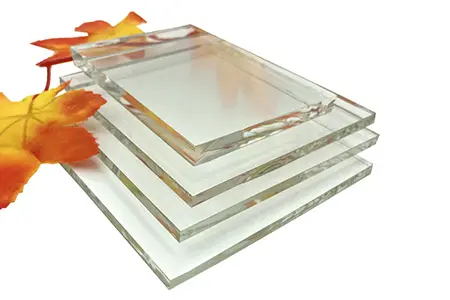 Explaining the key points and safety guidelines for installing white glass2026/01/28
During the installation process, precise operation and detailed handling are particularly crucial. For the installation of white glass in different scenarios, differentiated specifications must be followed. When installing white glass for doors and windows, the glass surface orientation must comply ......
 Know these 6 key indicators of aluminum alloy door and window materials!2026/01/28
The series number indicates the thickness of the door frame in millimeters. Aluminum alloy sliding doors are available in 70 and 90 series; the 70 series is sufficient for interior residential aluminum alloy sliding doors.