 English
 Español
  Português
  русский
  Français
  日本語
日本語  Deutsch
  tiếng Việt
  Italiano
  Nederlands
  ภาษาไทย
  Polski
  한국어
한국어  Svenska
  magyar
  Malay
Malay  বাংলা ভাষার
  Dansk
Dansk  Suomi
Suomi  हिन्दी
  Pilipino
  Türkçe
  Gaeilge
  العربية
  Indonesia
  Norsk
Norsk  تمل
تمل  český
český  ελληνικά
  український
  Javanese
  فارسی
فارسی  தமிழ்
தமிழ்  తెలుగు
  नेपाली
  Burmese
  български
  ລາວ
ລາວ  Latine
  Қазақша
  Euskal
  Azərbaycan
  Slovenský jazyk
  Македонски
  Lietuvos
  Eesti Keel
  Română
  Slovenski
  मराठी
मराठी  Srpski језик

Call Us
+86-15805363117
Email Us
dopinew@gmail.com

How Does Coated Glass Improve Performance in Modern Applications?
Article Summary: Coated glass has become a critical material in modern construction, automotive, and industrial applications due to its ability to enhance energy efficiency, durability, and visual performance. This article provides a comprehensive explanation of how coated glass works, its types, benefits, and how to select the right solution based on specific needs.
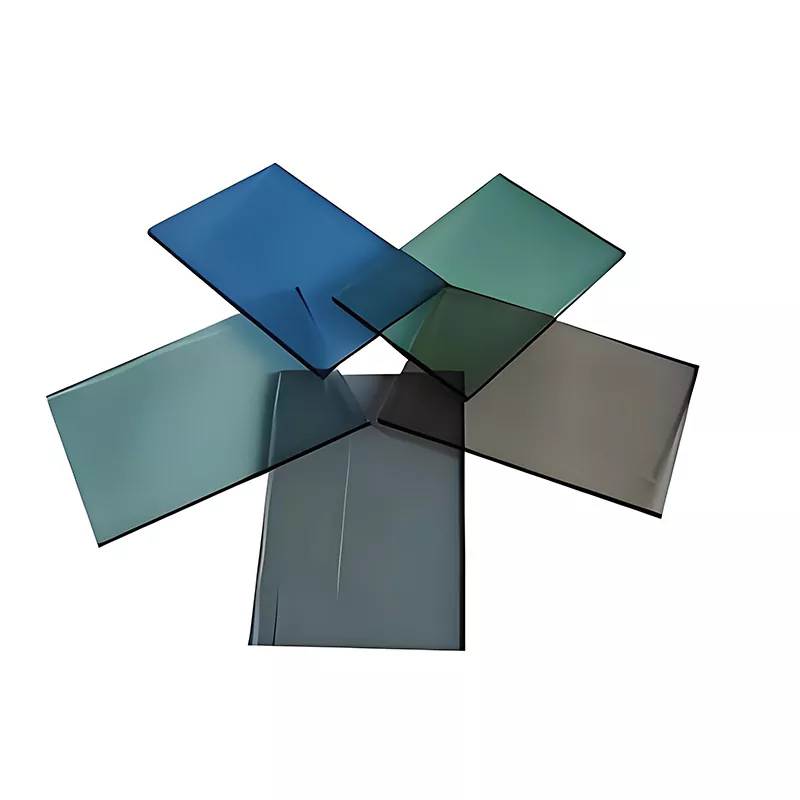
Table of Contents
- 1. What Is Coated Glass?
- 2. How Does Coated Glass Work?
- 3. Types of Coated Glass
- 4. Key Benefits of Coated Glass
- 5. Common Applications
- 6. How to Choose the Right Coated Glass
- 7. Technical Parameters
- 8. Frequently Asked Questions
- 9. Contact Us
1. What Is Coated Glass?
Coated glass refers to glass that has been treated with one or more thin layers of metallic or chemical compounds to enhance its physical and functional properties. These coatings are typically applied using advanced technologies such as vacuum deposition or pyrolytic processes.
The main goal of coating is to improve performance characteristics such as:
- Thermal insulation
- Solar control
- Anti-reflection properties
- Scratch resistance
- UV protection
Manufacturers like Duoping specialize in developing coated glass solutions tailored to meet the demands of modern architecture and industrial usage.
2. How Does Coated Glass Work?
Coated glass works by manipulating light, heat, and energy transmission through its surface. The coating layer interacts with electromagnetic radiation, allowing certain wavelengths to pass while reflecting or absorbing others.
Key mechanisms include:
- Reflection: Metallic coatings reflect infrared radiation, reducing heat transfer.
- Absorption: Some coatings absorb solar energy and dissipate it gradually.
- Transmission Control: Visible light passes through while harmful UV rays are blocked.
This balance enables coated glass to maintain indoor comfort, reduce energy consumption, and protect interior materials from fading.
3. Types of Coated Glass
Different coating technologies are used depending on application requirements. The most common types include:
- Low-E Glass: Designed to minimize heat transfer while maintaining high light transmission.
- Reflective Glass: Reduces glare and solar heat gain through reflective coatings.
- Anti-Reflective Glass: Improves visibility by reducing surface reflections.
- Self-Cleaning Glass: Uses photocatalytic coatings to break down dirt.
- Conductive Coated Glass: Used in electronic displays and solar panels.
4. Key Benefits of Coated Glass
Understanding the advantages of coated glass helps address common customer concerns such as energy costs, durability, and performance.
- Energy Efficiency: Reduces heating and cooling costs by controlling heat transfer.
- Enhanced Comfort: Maintains consistent indoor temperatures.
- UV Protection: Blocks harmful ultraviolet rays.
- Aesthetic Appeal: Offers various finishes and visual effects.
- Durability: Resistant to environmental wear and corrosion.
5. Common Applications
Coated glass is widely used across industries due to its versatility.
- Commercial buildings and curtain walls
- Residential windows and doors
- Automotive windshields
- Solar panels
- Display screens and electronic devices
Its ability to adapt to different environments makes it a preferred material in both high-end and functional projects.
6. How to Choose the Right Coated Glass
Selecting the appropriate coated glass requires evaluating multiple factors based on project requirements.
- Climate Conditions: Hot climates benefit from solar control coatings, while cold regions require Low-E glass.
- Light Transmission Needs: Balance between natural light and glare reduction.
- Energy Goals: Consider insulation performance and energy savings.
- Budget Constraints: Higher-performance coatings may have higher initial costs but offer long-term savings.
- Application Type: Residential, commercial, or industrial use.
7. Technical Parameters
| Parameter | Description |
| Thickness | Typically ranges from 3mm to 12mm |
| Visible Light Transmission | 30% – 80% depending on coating |
| Solar Heat Gain Coefficient (SHGC) | 0.2 – 0.7 |
| U-Value | Measures thermal insulation performance |
| Coating Type | Low-E, reflective, anti-reflective |
| Durability | High resistance to scratches and corrosion |
8. Frequently Asked Questions
Q1: Is coated glass more expensive than regular glass?
A: Yes, coated glass generally has a higher upfront cost due to advanced manufacturing processes. However, it offers long-term savings through improved energy efficiency and durability.
Q2: Can coated glass be used in all climates?
A: Yes, but the type of coating should be selected based on climate conditions to maximize performance.
Q3: Does coated glass require special maintenance?
A: Most coated glass requires minimal maintenance. Some types, such as self-cleaning glass, even reduce cleaning frequency.
Q4: How long does the coating last?
A: High-quality coatings can last for decades when properly installed and maintained.
9. Contact Us
Choosing the right coated glass solution is essential for achieving optimal performance and cost efficiency. Duoping offers a wide range of high-quality coated glass products designed to meet diverse industry requirements.
If you are looking for reliable coated glass solutions tailored to your project, do not hesitate to contact us today. Our team is ready to provide professional guidance, customized solutions, and competitive pricing to help you achieve the best results.
Send Inquiry
-
E-mail
X
We use cookies to offer you a better browsing experience, analyze site traffic and personalize content. By using this site, you agree to our use of cookies.
Privacy Policy
News
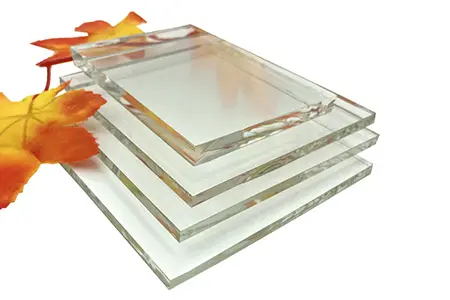 Explaining the key points and safety guidelines for installing white glass2026/01/28
During the installation process, precise operation and detailed handling are particularly crucial. For the installation of white glass in different scenarios, differentiated specifications must be followed. When installing white glass for doors and windows, the glass surface orientation must comply ......
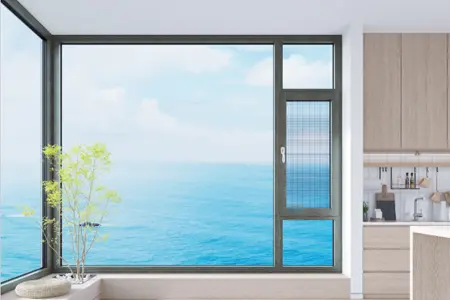 Know these 6 key indicators of aluminum alloy door and window materials!2026/01/28
The series number indicates the thickness of the door frame in millimeters. Aluminum alloy sliding doors are available in 70 and 90 series; the 70 series is sufficient for interior residential aluminum alloy sliding doors.