 English
 Español
  Português
  русский
  Français
  日本語
日本語  Deutsch
  tiếng Việt
  Italiano
  Nederlands
  ภาษาไทย
  Polski
  한국어
한국어  Svenska
  magyar
  Malay
Malay  বাংলা ভাষার
  Dansk
Dansk  Suomi
Suomi  हिन्दी
  Pilipino
  Türkçe
  Gaeilge
  العربية
  Indonesia
  Norsk
Norsk  تمل
تمل  český
český  ελληνικά
  український
  Javanese
  فارسی
فارسی  தமிழ்
தமிழ்  తెలుగు
  नेपाली
  Burmese
  български
  ລາວ
ລາວ  Latine
  Қазақша
  Euskal
  Azərbaycan
  Slovenský jazyk
  Македонски
  Lietuvos
  Eesti Keel
  Română
  Slovenski
  मराठी
मराठी  Srpski језик

Call Us
+86-15805363117
Email Us
dopinew@gmail.com
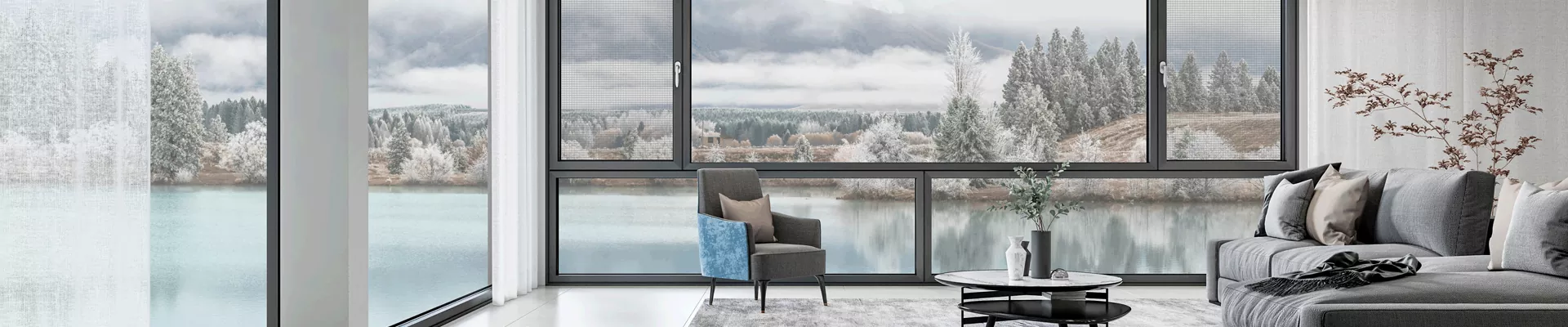
How Does Low-E Glass Improve Energy Efficiency in Modern Buildings?
Article Abstract
Low-E (low emissivity) glass is one of the most important innovations in modern building materials, designed to reduce energy consumption while improving indoor comfort. This article explains how Low-E glass works, why it matters for residential and commercial construction, and how it addresses common problems such as heat loss, UV damage, and rising energy costs. It also provides practical guidance on selection, application, and maintenance, with insights from industry applications including solutions developed by Duoping.
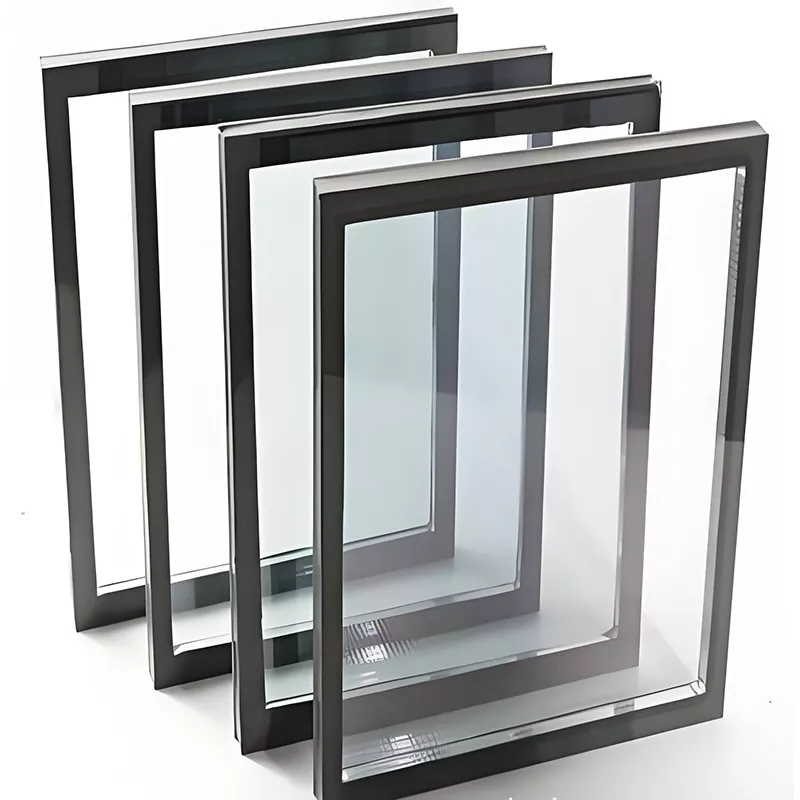
Table of Contents
- 1. What Is Low-E Glass?
- 2. How Low-E Glass Works
- 3. Key Benefits of Low-E Glass
- 4. Applications Across Industries
- 5. Low-E Glass vs Traditional Glass
- 6. How to Choose the Right Low-E Glass
- 7. Installation and Maintenance Insights
- 8. Common Problems and Solutions
- 9. Frequently Asked Questions
- 10. Conclusion
1. What Is Low-E Glass?
Low-E glass is a specially engineered type of glass coated with an ultra-thin, transparent metallic layer designed to reduce the amount of infrared and ultraviolet light that passes through it while maintaining visible light transmission. This means buildings can retain heat during winter and reflect excessive heat during summer, creating a more stable indoor environment.
Unlike standard glass, which freely allows heat transfer, Low-E glass acts as a thermal barrier. It is widely used in modern architecture to improve energy efficiency and reduce reliance on heating and cooling systems.
2. How Low-E Glass Works
The core function of Low-E glass lies in its microscopic coating, which reflects long-wave infrared energy while allowing natural light to pass through. This selective filtering process significantly reduces thermal exchange between indoor and outdoor environments.
The coating typically consists of multiple layers of metal oxides or silver-based compounds. These layers are thinner than a human hair but powerful enough to influence heat transfer behavior.
In simple terms:
- In winter: Low-E glass reflects indoor heat back into the room.
- In summer: It reflects solar heat away from the building.
- All year: It reduces UV radiation that can damage furniture and interiors.
Companies such as Duoping integrate advanced coating technologies into their Low-E glass solutions to optimize thermal performance for diverse climates.
3. Key Benefits of Low-E Glass
Low-E glass offers a wide range of benefits that directly address common building performance challenges:
- Energy Efficiency: Reduces heating and cooling demand, lowering energy bills.
- UV Protection: Blocks up to 90% of harmful UV rays, preserving interiors.
- Thermal Comfort: Maintains stable indoor temperatures year-round.
- Condensation Reduction: Minimizes moisture buildup on glass surfaces.
- Environmental Impact: Helps reduce carbon footprint in buildings.
These benefits make Low-E glass a preferred choice for architects and developers focused on sustainable construction.
4. Applications Across Industries
Low-E glass is not limited to residential buildings. Its applications span multiple industries:
- Residential Buildings: Windows, balcony doors, skylights.
- Commercial Buildings: Office towers, shopping malls, hotels.
- Industrial Facilities: Energy-efficient warehouses and control rooms.
- Transportation: High-performance glazing in vehicles and trains.
Duoping provides tailored Low-E glass solutions for different environmental and structural requirements, ensuring optimal performance across applications.
5. Low-E Glass vs Traditional Glass
| Feature | Low-E Glass | Traditional Glass |
|---|---|---|
| Heat Insulation | High performance | Low performance |
| UV Protection | Excellent | Poor |
| Energy Savings | Significant | Minimal |
| Indoor Comfort | Stable temperature | Fluctuating |
The comparison clearly shows why Low-E glass has become a standard in modern energy-efficient architecture.
6. How to Choose the Right Low-E Glass
Selecting the right Low-E glass depends on climate conditions, building orientation, and performance goals. Consider the following factors:
- Climate Type: Cold regions require high insulation; hot regions require solar control.
- Visible Light Transmission: Balance between brightness and heat control.
- Coating Type: Hard coat vs soft coat technologies.
- Window Orientation: South-facing windows may need stronger solar control.
Duoping offers consultation and product customization to ensure clients choose the most efficient Low-E glass configuration for their projects.
7. Installation and Maintenance Insights
Proper installation is essential to maximize Low-E glass performance. Incorrect sealing or framing can reduce insulation efficiency.
- Use compatible frame materials to avoid thermal bridging.
- Ensure airtight sealing to prevent heat leakage.
- Avoid abrasive cleaning materials that may damage coatings.
Maintenance is relatively simple—regular cleaning with non-abrasive solutions helps preserve transparency and performance over time.
8. Common Problems and Solutions
Despite its advantages, users may encounter some challenges:
- Higher Initial Cost: Offset by long-term energy savings.
- Incorrect Installation: Can reduce thermal performance.
- Coating Sensitivity: Requires careful handling during installation.
Working with experienced suppliers such as Duoping helps minimize these risks and ensures optimal performance outcomes.
9. Frequently Asked Questions
Q1: Does Low-E glass reduce natural light?
A: No. It is designed to maintain high visible light transmission while blocking infrared and UV radiation.
Q2: Is Low-E glass worth the investment?
A: Yes. Although the upfront cost is higher, energy savings over time significantly offset the initial expense.
Q3: Can Low-E glass be used in all climates?
A: Yes. Different coating types are optimized for hot, cold, or mixed climates.
Q4: How long does Low-E glass last?
A: With proper installation and care, it can last decades without performance degradation.
10. Conclusion
Low-E glass represents a critical advancement in sustainable building technology, offering measurable improvements in energy efficiency, comfort, and environmental performance. By controlling heat transfer while maintaining transparency, it solves many of the challenges associated with traditional glazing systems.
For builders, architects, and property developers seeking reliable and high-performance solutions, Duoping provides advanced Low-E glass products tailored to modern construction demands. Whether for residential, commercial, or industrial use, integrating this technology leads to long-term operational and environmental benefits.
Contact us today to learn how Duoping Low-E glass solutions can enhance your next project with superior energy performance and lasting value.
Send Inquiry
-
E-mail
X
We use cookies to offer you a better browsing experience, analyze site traffic and personalize content. By using this site, you agree to our use of cookies.
Privacy Policy
News
 Explaining the key points and safety guidelines for installing white glass2026/01/28
During the installation process, precise operation and detailed handling are particularly crucial. For the installation of white glass in different scenarios, differentiated specifications must be followed. When installing white glass for doors and windows, the glass surface orientation must comply ......
 Know these 6 key indicators of aluminum alloy door and window materials!2026/01/28
The series number indicates the thickness of the door frame in millimeters. Aluminum alloy sliding doors are available in 70 and 90 series; the 70 series is sufficient for interior residential aluminum alloy sliding doors.