 English
 Español
  Português
  русский
  Français
  日本語
日本語  Deutsch
  tiếng Việt
  Italiano
  Nederlands
  ภาษาไทย
  Polski
  한국어
한국어  Svenska
  magyar
  Malay
Malay  বাংলা ভাষার
  Dansk
Dansk  Suomi
Suomi  हिन्दी
  Pilipino
  Türkçe
  Gaeilge
  العربية
  Indonesia
  Norsk
Norsk  تمل
تمل  český
český  ελληνικά
  український
  Javanese
  فارسی
فارسی  தமிழ்
தமிழ்  తెలుగు
  नेपाली
  Burmese
  български
  ລາວ
ລາວ  Latine
  Қазақша
  Euskal
  Azərbaycan
  Slovenský jazyk
  Македонски
  Lietuvos
  Eesti Keel
  Română
  Slovenski
  मराठी
मराठी  Srpski језик
Call Us
+86-15805363117
Email Us
dopinew@gmail.com
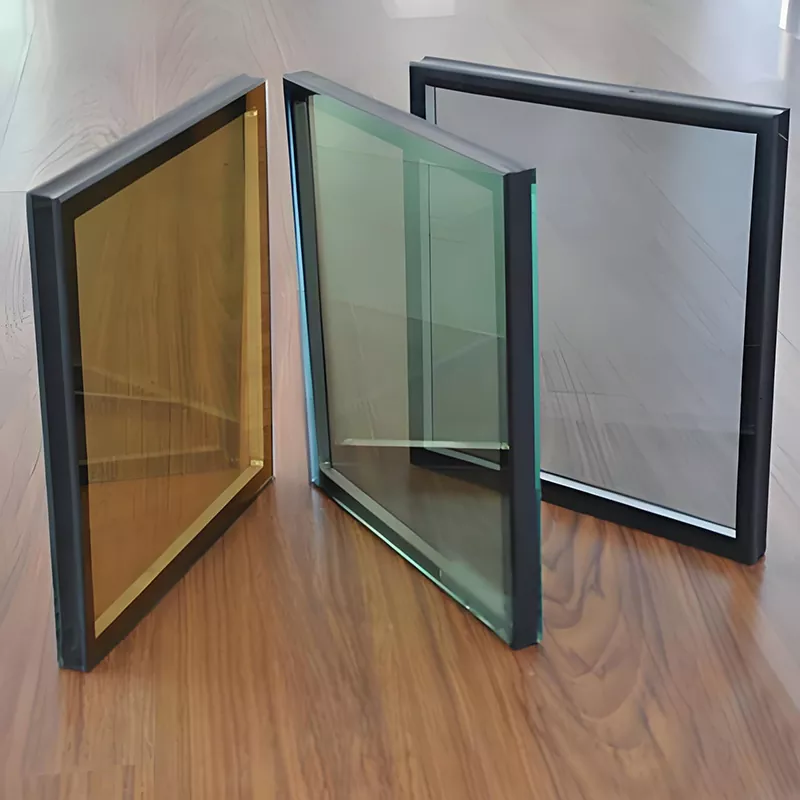
Low-E Glass
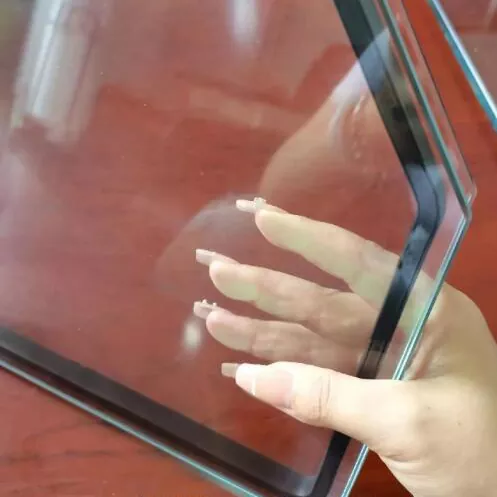
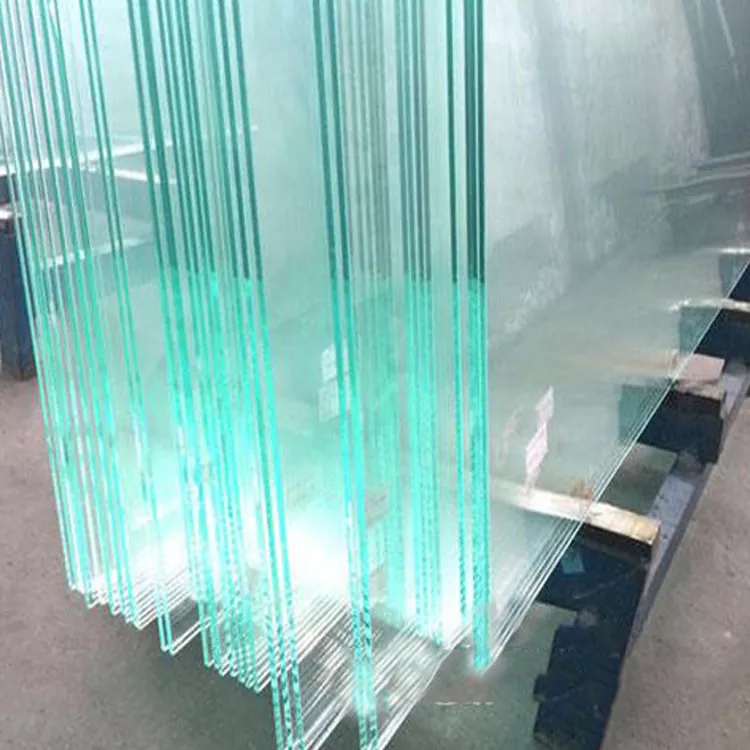
Duoping is a professional R&D, production and supplier of Low-E (low-emissivity) glass. Relying on core processes of vacuum sputtering and chemical vapor deposition, we develop Low-E glass products featuring dual-directional energy saving, low emissivity, thermal insulation and optical transparency. As a core material in the field of building energy efficiency, our products are widely used in high-end residences, office buildings, hotels, buildings in severe cold/hot regions and other scenarios. With excellent energy-saving effects and durability, our products cover the national market. We sincerely look forward to working with you to provide efficient and low-carbon energy-saving glass solutions for various building projects.
Send Inquiry
Product Description
Technical Parameters
|
Parameter Category |
Specific Index |
Reference Value |
Testing Standard |
|
Coating Property |
Coating Material / Emissivity |
Silver-based composite coating / ≤0.15 |
GB/T 2680 |
|
Optical Performance |
Visible Light Transmittance / Infrared Blocking Rate |
50%-80% / 75%-90% |
GB/T 2680 |
|
Thermal Insulation & Energy Saving |
Heat Transfer Coefficient (U-value, insulated version) |
1.8-2.8 W/(㎡·K) |
GB/T 8484 |
|
Weather Resistance |
Corrosion Resistance Grade / UV Resistance |
Grade C4 / No delamination or fading under long-term exposure |
GB/T 10125 |
Product Features and Applications
Low-E glass is a functional glass with a silver-based composite low-emissivity coating deposited on its surface. Its core advantages lie in "dual-directional energy saving" and low-emissivity characteristics. The coating can efficiently reflect infrared rays (blocking rate 75%-90%), blocking external high temperature from entering indoors in summer and reflecting indoor heat loss in winter, significantly reducing air conditioning and heating energy consumption. Meanwhile, with an emissivity ≤0.15, it reduces indoor-outdoor radiative heat exchange, balancing energy saving and comfort. The coating transmittance is adjustable (50%-80%) without affecting indoor lighting, adapting to diverse building needs.
It is suitable for all types of energy-saving buildings:
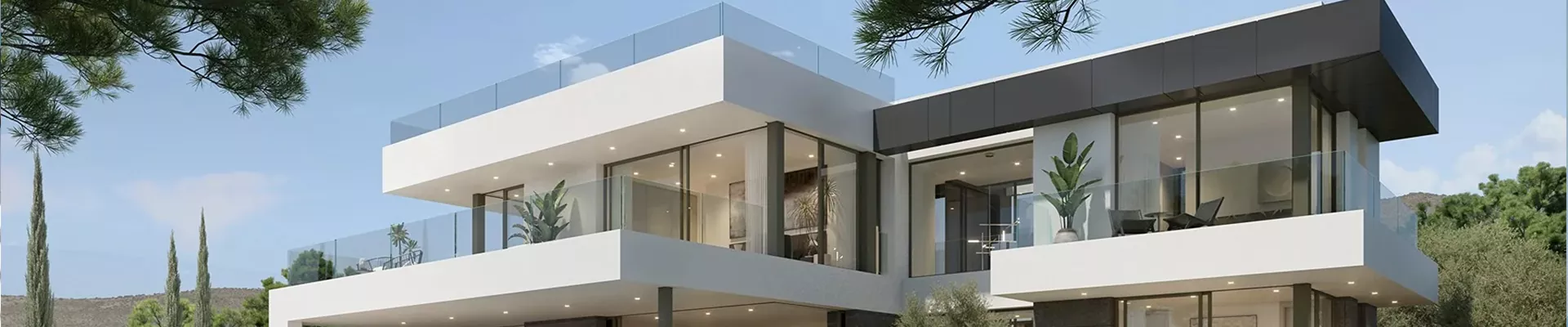
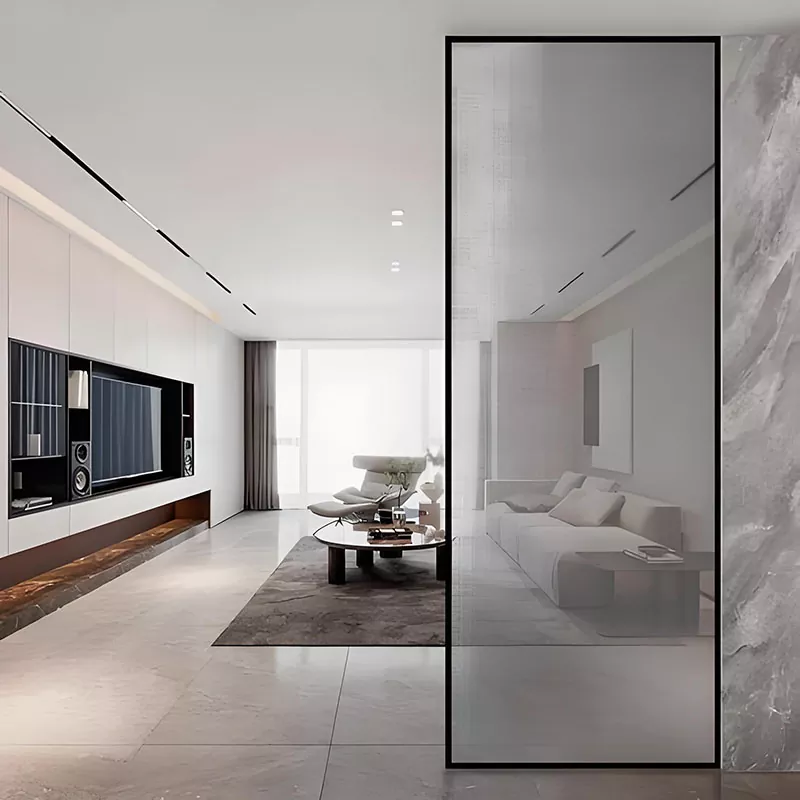
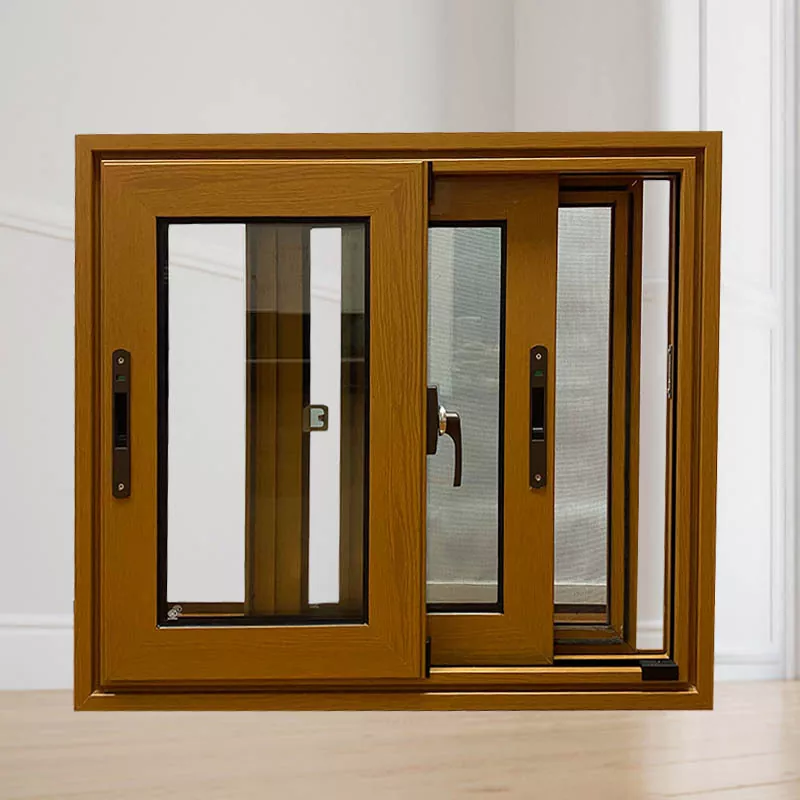
For high-end home decoration, it is applicable to doors and windows, sunrooms, and floor-to-ceiling windows, especially for residences in severe cold and hot regions.
In the commercial sector, it can be used for office building curtain walls, hotel facades, and shopping mall shop windows, balancing energy efficiency and commercial display.
For special scenarios, it is suitable for green buildings, passive houses, and coastal projects, featuring salt spray corrosion resistance and compliance with energy-saving standards.
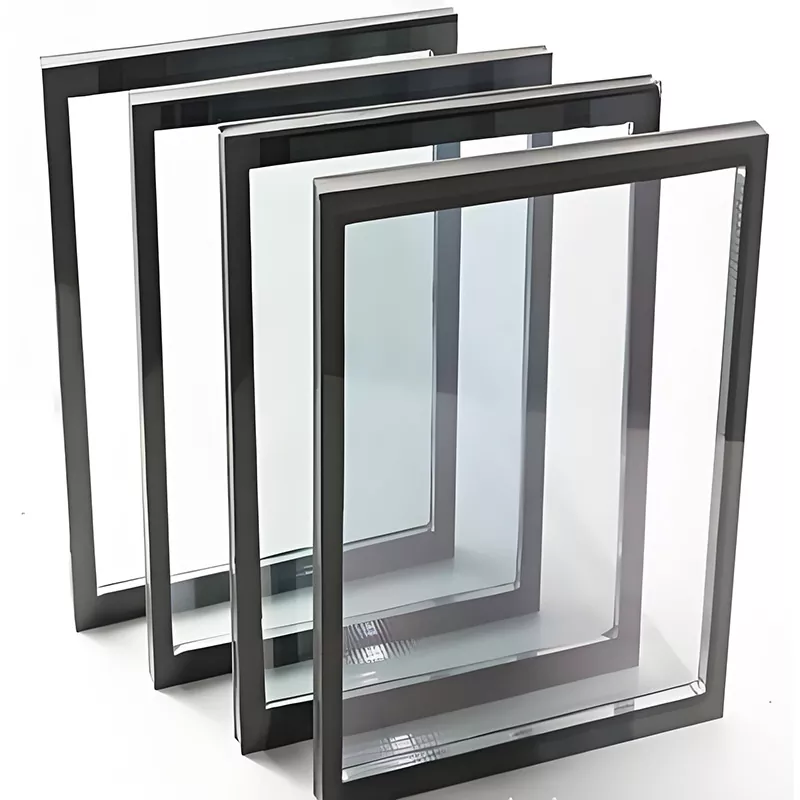
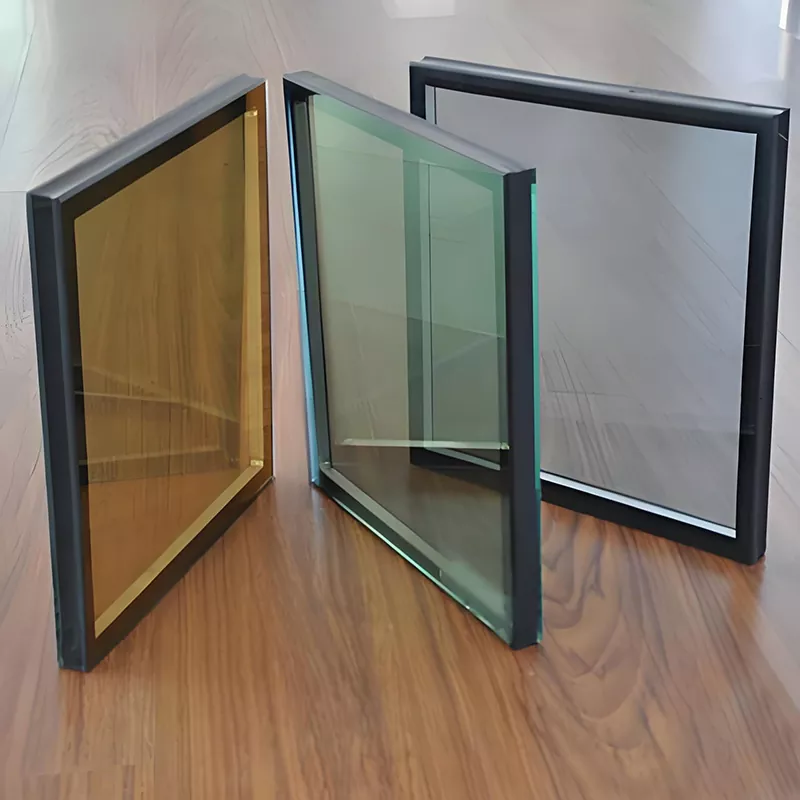
It is often processed into insulating glass for use and can be equipped with single-silver, double-silver, or triple-silver Low-e coatings to meet the energy-saving grade requirements of different climate regions.
Production Details
Strict quality control is implemented throughout the production process. The base glass is high-quality float glass or ultra-clear glass, which undergoes water-free cleaning and vacuum drying before entering the coating deposition process: vacuum sputtering can precisely control the thickness and uniformity of the silver-based coating, ensuring stable energy-saving performance; chemical vapor deposition is suitable for mass production with stronger coating adhesion. After deposition, tempering treatment is required to enhance the mechanical properties of the glass, and coating compactness is tested to avoid delamination in subsequent use.
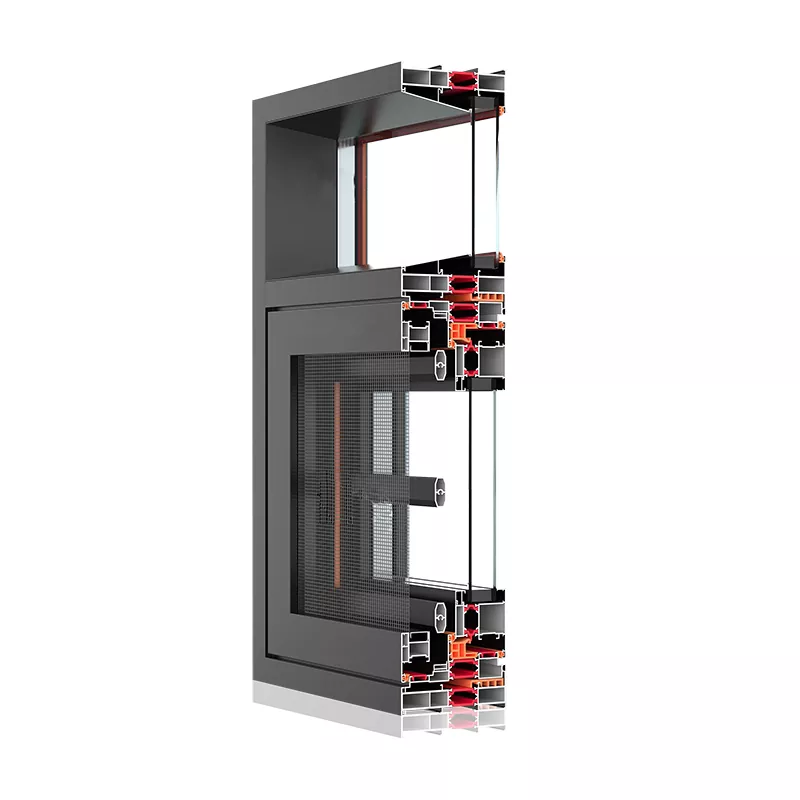
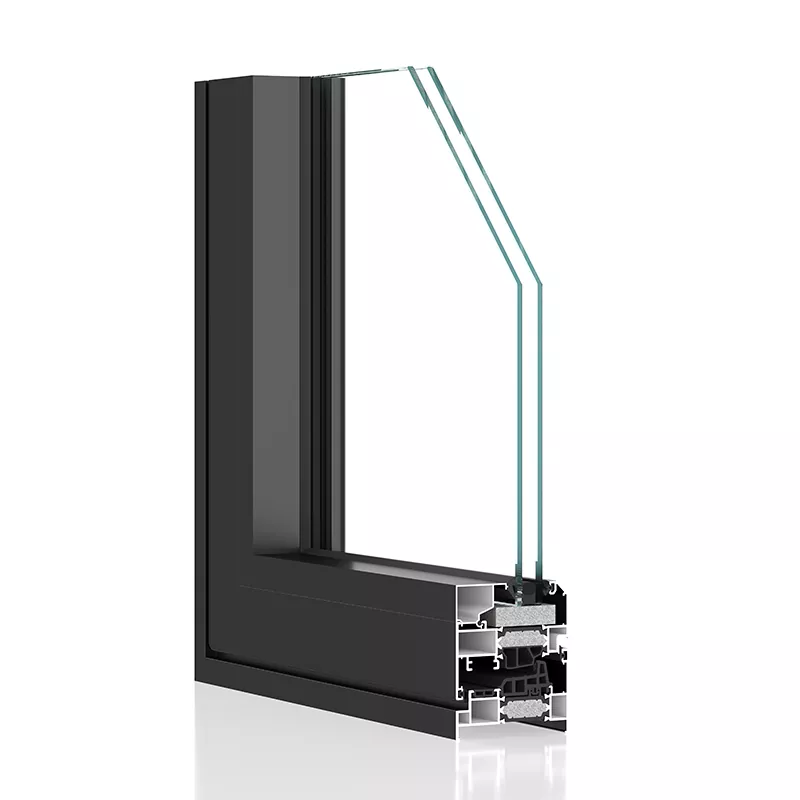
Low-E glass must be used with an insulated structure (the coating must face the inner side of the insulated cavity) to avoid damage to the coating from external friction and water vapor erosion, extending its service life. The glass edges are finely ground and chamfered, free of burrs and edge chipping, fitting tightly with sealing strips and aluminum spacers to ensure the tightness of the insulated cavity and prevent fogging and water ingress. The coating is additionally treated for UV resistance and corrosion resistance, capable of withstanding rainwater, salt spray and high-temperature exposure, maintaining stable energy-saving performance and appearance after long-term use.
Summary of Core Product Advantages
Efficient Dual-Directional Energy Saving: Blocks high temperature in summer and retains heat in winter. The insulated version has a U-value as low as 1.8 W/(㎡·K), significantly reducing building energy consumption and meeting the needs of green buildings.
High-Efficiency Sunshade & Energy Saving: Blocks 60%-80% of infrared rays, significantly reducing indoor temperature and air conditioning energy consumption, with outstanding energy-saving effects in summer.
Excellent Optical Performance: Adjustable transmittance of 50%-80%, balancing lighting and energy saving, with no obvious reflection or color difference, adapting to various building facade designs.
Low Emissivity for Enhanced Comfort: Emissivity ≤0.15, reducing radiative heat exchange and avoiding condensation caused by indoor-outdoor temperature differences, improving residential and office comfort.
Wide Processing Adaptability: Can be combined with tempering, insulation and laminating processes, compatible with various building frames to meet different energy-saving grade requirements.
Strong Weather Resistance & Durability: Grade C4 corrosion resistance, with the coating hidden in the insulated cavity, service life of more than 20 years, no frequent replacement required.
Personalized Decoration: Diverse processes available, supporting customization of patterns, textures and transmittance to create exclusive space styles with strong decorative properties.
Comparison with Similar Products
|
Comparison Item |
Low-E Glass (Insulated Version) |
Ordinary Coated Glass |
Ordinary Clear Glass (Insulated Version) |
|
Thermal Insulation & Energy Saving |
Dual-directional energy saving, U-value 1.8-2.8, suitable for all seasons |
Only sunshade in summer, no thermal insulation in winter |
Average thermal insulation, U-value 3.5-4.5 |
|
Radiation Control |
Low emissivity (≤0.15), reduces condensation |
No low-emissivity function, obvious radiative heat exchange |
No radiation control, high condensation risk |
|
Service Life |
More than 20 years (coating protected in hidden layer) |
10-15 years (coating prone to wear and oxidation) |
About 15 years (no coating loss) |
Structure and Design Description
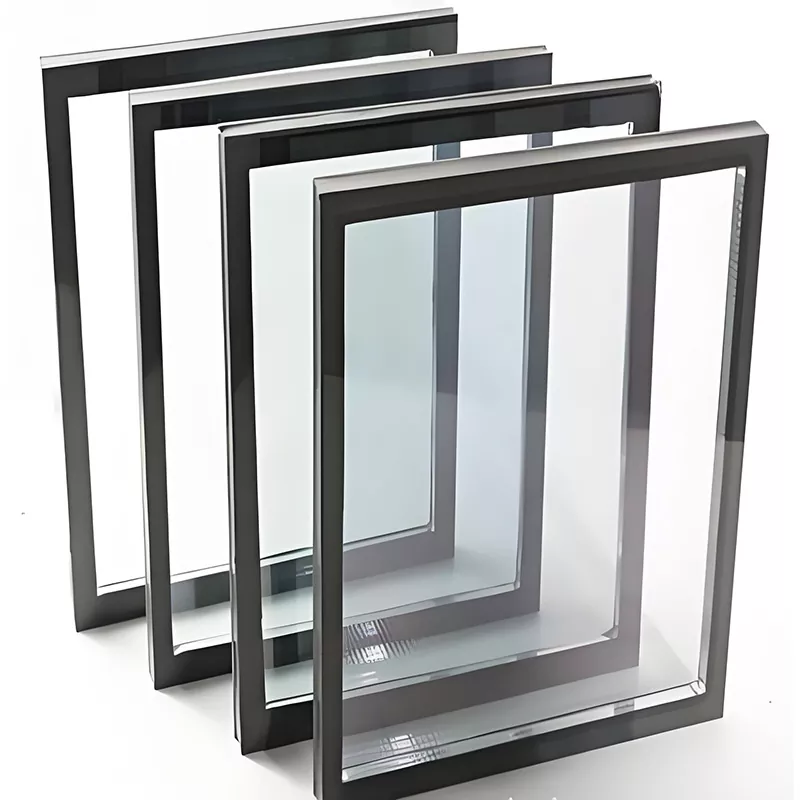
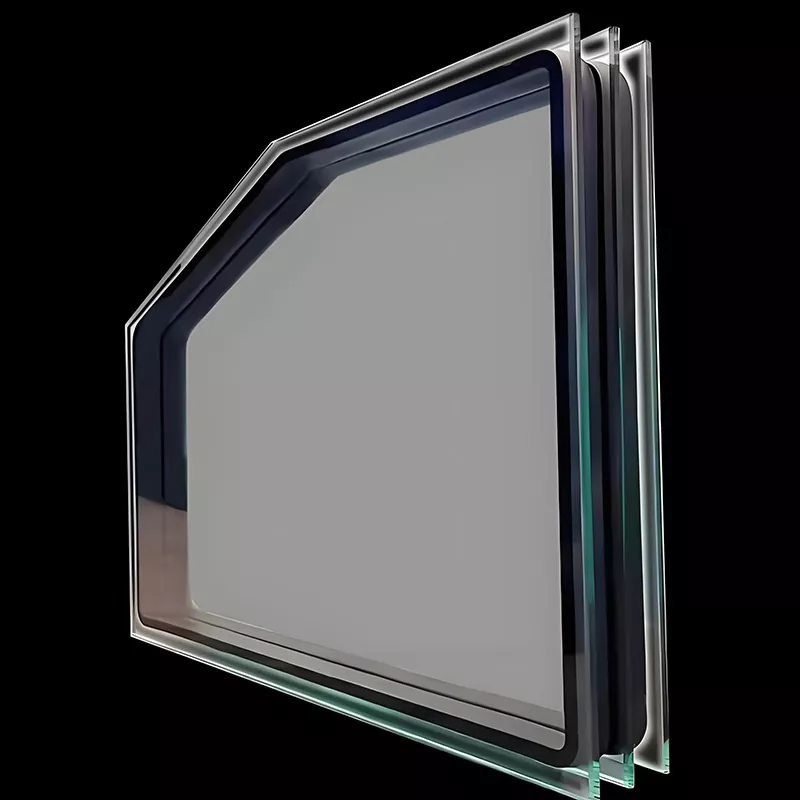
The core structure of Low-E glass is mainly insulated combination, with common types and specifications as follows:
Single-silver Low-E insulated glass (5+12A+5/6+12A+6): Suitable for general energy-saving buildings with balanced cost performance;
Double-silver Low-E insulated glass (5+12A+5): Better energy-saving performance, U-value ≤2.2, suitable for severe cold/hot regions;
Triple-silver Low-E insulated glass (5+12A+5): Ultimate energy saving, U-value ≤1.8, suitable for passive houses and high-end office buildings.
It can be combined with laminating process to make Low-E laminated insulated glass, which has both energy-saving and explosion-proof properties.
Instructions for Use and Precautions
After installation, check the firmness of the glass-frame fixation and the fit of sealing strips to avoid rainwater infiltration or glass falling caused by looseness and gaps. Enhanced sealing inspection is required especially for outdoor applications;
For daily cleaning, wipe with a soft cloth and neutral detergent. Do not use sharp objects to scratch the glass surface or corrosive reagents;
Regularly check the tightness of the insulated glass. If fogging, water ingress or condensation occurs, replace it in a timely manner to avoid coating damage;
Regularly check the coating condition. If oxidation, delamination, fading, or fogging and water ingress of the insulated glass occur, replace it in a timely manner to ensure energy-saving and use effects;
Avoid heavy objects hitting the glass, especially high-rise curtain walls and outdoor glass, to prevent breakage and falling, and guard against impact from falling objects from high altitudes.
Frequently Asked Questions (FAQ)
Q: What is the dual-directional energy saving principle of Low-E glass?
A: Low-E glass is coated with a silver-based low-emissivity layer that efficiently reflects infrared radiation. In summer, it blocks outdoor infrared heat from entering the room; in winter, it reflects indoor heat back into the room, reducing heat loss. This dual-directional regulation significantly cuts air conditioning and heating energy consumption, achieving year-round energy efficiency.
Q: Is the coating of Low-E glass easy to fall off?
A: No. The coating is tightly bonded to the glass through vacuum sputtering and hidden inside the insulated cavity, avoiding external wear and corrosion. Under normal use, its service life can reach more than 20 years.
Q: Will the energy-saving effect of high-transmittance Low-E glass decrease?
A: No. The energy-saving core of Low-E glass lies in the coating's blocking of infrared rays, which is not directly related to visible light transmittance. High-transmittance and high-energy-saving products can be customized according to needs.
Q: Is Low-E glass suitable for use in severe cold regions?
A: Very suitable. Double-silver and triple-silver Low-E insulated glass have a U-value as low as 1.8, with excellent thermal insulation performance, which can greatly reduce winter heating energy consumption and lower the risk of glass condensation.
Q: Is Low-E glass prone to corrosion?
A: No. The coating is made of metal/metal oxide materials with anti-corrosion treatment, reaching weather resistance grade C4. It can resist rainwater and coastal salt spray erosion, and will not oxidize or damage after long-term use.
Procurement and Customization Services
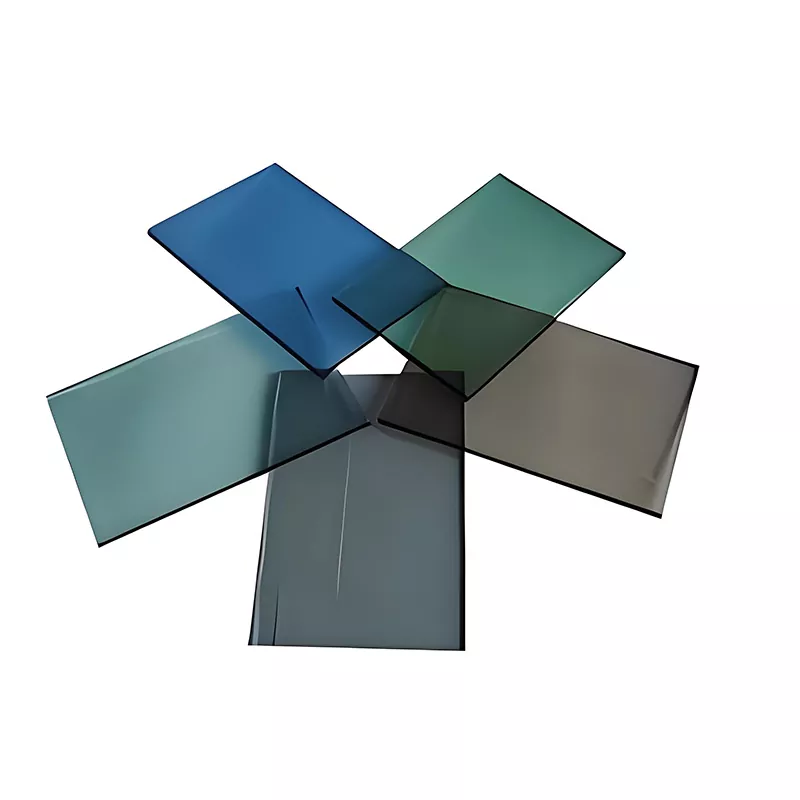
The company provides one-stop Low-E glass customization and procurement services, supporting full-dimensional customization of coating type (single-silver/double-silver/triple-silver), transmittance, color, size and processing technology (insulation/laminated insulation). Combined with the climate and energy-saving grade requirements of the project location, we provide exclusive energy-saving solutions, including free on-site measurement, performance simulation and technical disclosure services.
Bulk procurement enjoys exclusive discounts. Logistics adopts customized shock-proof packaging to focus on protecting the glass surface coating from damage during transportation, with door-to-door delivery nationwide. After-sales service provides a 2-year warranty. During the warranty period, products with coating delamination, fading or performance attenuation caused by non-human damage can be replaced free of charge. Lifetime technical consultation and accessory supply services are provided to ensure the smooth implementation of various building projects.
Hot Tags: Low-E Glass, Manufacturer, Supplier, Factory
Send Inquiry
Please feel free to fill your inquiry in the form below. We will reply you in 24 hours.
-
E-mail
X
We use cookies to offer you a better browsing experience, analyze site traffic and personalize content. By using this site, you agree to our use of cookies.
Privacy Policy
News
 Explaining the key points and safety guidelines for installing white glass2026/01/28
During the installation process, precise operation and detailed handling are particularly crucial. For the installation of white glass in different scenarios, differentiated specifications must be followed. When installing white glass for doors and windows, the glass surface orientation must comply ......
 Know these 6 key indicators of aluminum alloy door and window materials!2026/01/28
The series number indicates the thickness of the door frame in millimeters. Aluminum alloy sliding doors are available in 70 and 90 series; the 70 series is sufficient for interior residential aluminum alloy sliding doors.