 English
 Español
  Português
  русский
  Français
  日本語
日本語  Deutsch
  tiếng Việt
  Italiano
  Nederlands
  ภาษาไทย
  Polski
  한국어
한국어  Svenska
  magyar
  Malay
Malay  বাংলা ভাষার
  Dansk
Dansk  Suomi
Suomi  हिन्दी
  Pilipino
  Türkçe
  Gaeilge
  العربية
  Indonesia
  Norsk
Norsk  تمل
تمل  český
český  ελληνικά
  український
  Javanese
  فارسی
فارسی  தமிழ்
தமிழ்  తెలుగు
  नेपाली
  Burmese
  български
  ລາວ
ລາວ  Latine
  Қазақша
  Euskal
  Azərbaycan
  Slovenský jazyk
  Македонски
  Lietuvos
  Eesti Keel
  Română
  Slovenski
  मराठी
मराठी  Srpski језик

Call Us
+86-15805363117
Email Us
dopinew@gmail.com
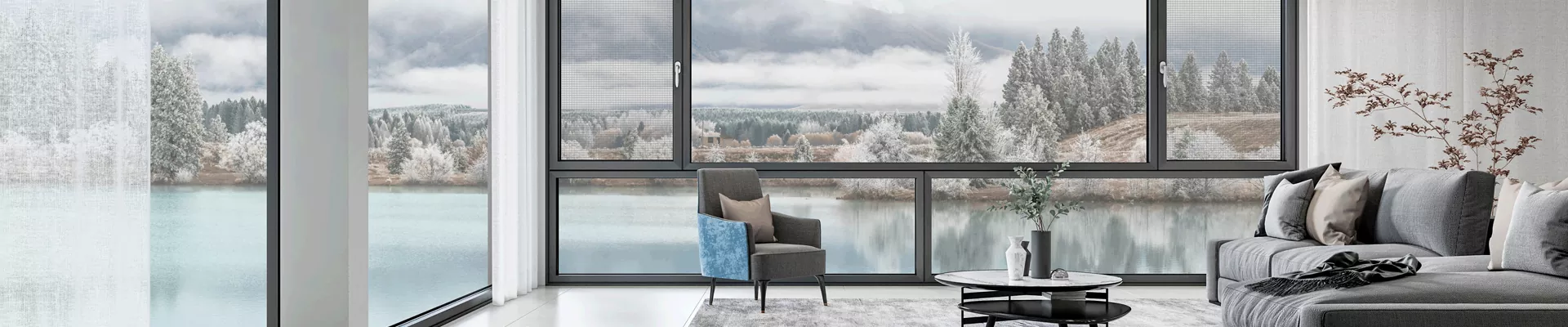
How PVC Windows Improve Energy Efficiency and Home Comfort
Abstract
PVC windows have become a leading choice for modern homes and commercial buildings due to their durability, insulation performance, and cost-effectiveness. This article explores how PVC windows enhance energy efficiency, reduce maintenance costs, and improve indoor comfort. It also addresses common customer concerns such as installation, lifespan, and environmental impact, helping you make a well-informed purchasing decision.
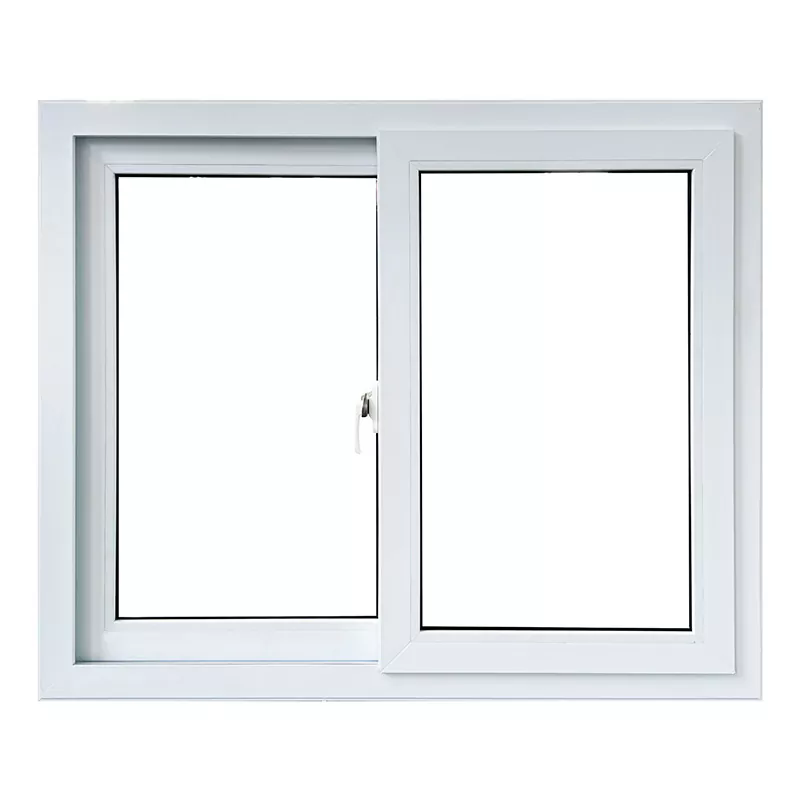
Table of Contents
- What Are PVC Windows?
- Key Benefits of PVC Windows
- How PVC Windows Improve Energy Efficiency
- PVC Windows vs Traditional Materials
- How to Choose the Right PVC Windows
- Installation and Maintenance Tips
- FAQ
What Are PVC Windows?
PVC (Polyvinyl Chloride) windows, often referred to as uPVC windows, are made from a rigid and durable plastic material widely used in construction. Unlike traditional wooden or aluminum window frames, PVC windows are engineered to provide superior insulation, weather resistance, and long-term performance.
They are commonly used in residential homes, office buildings, and industrial projects due to their adaptability and low lifecycle cost.
Key Benefits of PVC Windows
- Excellent Thermal Insulation: Reduces heat transfer and energy consumption.
- Low Maintenance: No need for painting or sealing.
- Durability: Resistant to moisture, corrosion, and UV rays.
- Sound Insulation: Minimizes external noise pollution.
- Cost-Effective: Long lifespan reduces replacement costs.
For homeowners struggling with high energy bills or frequent window repairs, PVC windows provide a practical and long-lasting solution.
How PVC Windows Improve Energy Efficiency
Energy efficiency is one of the main reasons customers switch to PVC windows. These windows are designed with multi-chambered profiles and tight sealing systems that significantly reduce air leakage.
- Multi-Chamber Design: Traps air within the frame, acting as insulation layers.
- Double or Triple Glazing: Enhances thermal performance.
- Sealed Frames: Prevent drafts and heat loss.
This means your indoor temperature stays stable, reducing the need for excessive heating or cooling. Over time, this leads to noticeable savings on energy bills.
PVC Windows vs Traditional Materials
| Feature | PVC Windows | Wooden Windows | Aluminum Windows |
|---|---|---|---|
| Maintenance | Low | High | Medium |
| Insulation | Excellent | Good | Poor |
| Durability | High | Medium | High |
| Cost | Affordable | Expensive | Moderate |
Compared to traditional materials, PVC windows strike a balance between performance and affordability, making them a preferred choice for modern construction.
How to Choose the Right PVC Windows
Choosing the right PVC windows requires careful consideration of several factors:
- Profile Quality: Look for multi-chambered designs.
- Glass Type: Double or triple glazing for better insulation.
- Hardware: Ensure durable locks and hinges.
- Customization: Match the design with your building style.
Working with a reliable manufacturer like Duoping ensures that you receive high-quality products tailored to your needs.
Installation and Maintenance Tips
Proper installation is crucial to maximizing the performance of PVC windows. Even the best materials can underperform if installed incorrectly.
- Hire experienced professionals for installation.
- Ensure airtight sealing during installation.
- Clean frames regularly with mild detergent.
- Check seals and hardware periodically.
One of the biggest advantages of PVC windows is their minimal maintenance requirement. Unlike wood, they do not rot or require repainting.
FAQ
Q1: How long do PVC windows last?
PVC windows can last 20–30 years or more with proper care.
Q2: Are PVC windows environmentally friendly?
Yes, they are recyclable and contribute to energy savings, reducing overall environmental impact.
Q3: Do PVC windows discolor over time?
High-quality PVC windows are UV-resistant and maintain their appearance for years.
Q4: Are they suitable for all climates?
Yes, PVC windows perform well in both hot and cold climates due to their insulation properties.
Conclusion
PVC windows are an ideal solution for homeowners and businesses seeking durability, energy efficiency, and cost savings. Their advanced design and low maintenance make them a smart long-term investment.
If you are looking for reliable and high-performance PVC window solutions, Duoping offers a wide range of customizable options to meet your specific requirements.
Upgrade your space today with premium PVC windows—contact us to get expert advice and a tailored quote for your project.
Send Inquiry
-
E-mail
X
We use cookies to offer you a better browsing experience, analyze site traffic and personalize content. By using this site, you agree to our use of cookies.
Privacy Policy
News
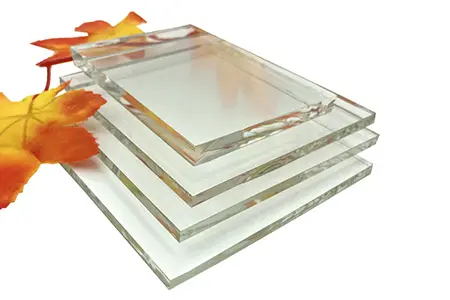 Explaining the key points and safety guidelines for installing white glass2026/01/28
During the installation process, precise operation and detailed handling are particularly crucial. For the installation of white glass in different scenarios, differentiated specifications must be followed. When installing white glass for doors and windows, the glass surface orientation must comply ......
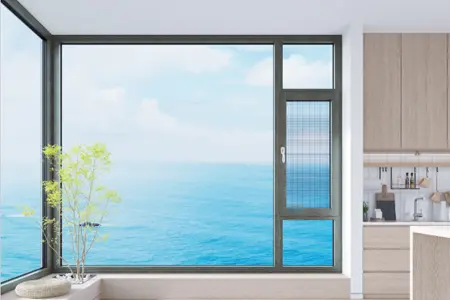 Know these 6 key indicators of aluminum alloy door and window materials!2026/01/28
The series number indicates the thickness of the door frame in millimeters. Aluminum alloy sliding doors are available in 70 and 90 series; the 70 series is sufficient for interior residential aluminum alloy sliding doors.