 English
 Español
  Português
  русский
  Français
  日本語
日本語  Deutsch
  tiếng Việt
  Italiano
  Nederlands
  ภาษาไทย
  Polski
  한국어
한국어  Svenska
  magyar
  Malay
Malay  বাংলা ভাষার
  Dansk
Dansk  Suomi
Suomi  हिन्दी
  Pilipino
  Türkçe
  Gaeilge
  العربية
  Indonesia
  Norsk
Norsk  تمل
تمل  český
český  ελληνικά
  український
  Javanese
  فارسی
فارسی  தமிழ்
தமிழ்  తెలుగు
  नेपाली
  Burmese
  български
  ລາວ
ລາວ  Latine
  Қазақша
  Euskal
  Azərbaycan
  Slovenský jazyk
  Македонски
  Lietuvos
  Eesti Keel
  Română
  Slovenski
  मराठी
मराठी  Srpski језик

Call Us
+86-15805363117
Email Us
dopinew@gmail.com
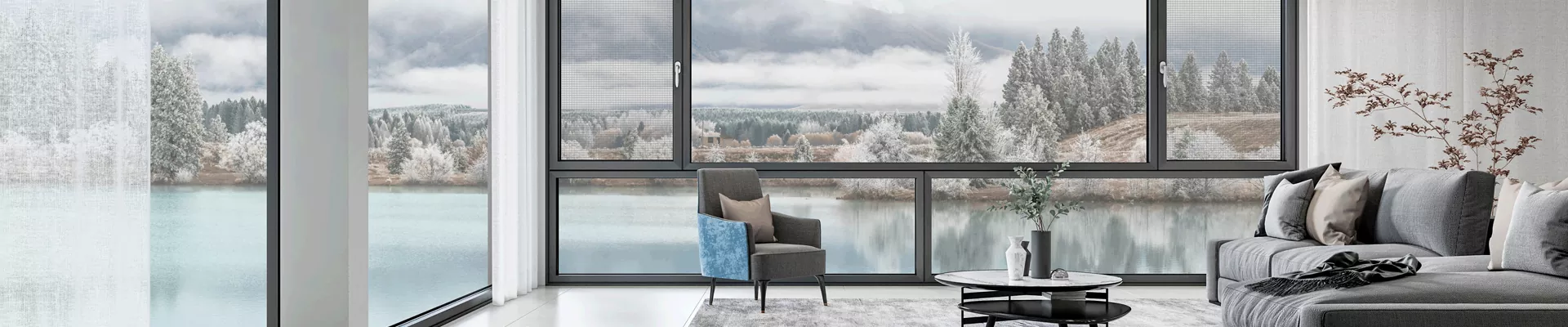
How Can You Design an Efficient Aluminum-Wood Sunroom?
Abstract
An aluminum-wood sunroom represents a modern architectural solution that blends structural durability with natural aesthetics. This article explores how homeowners and developers can design, plan, and maintain a high-performance sunroom that balances insulation, visual appeal, and long-term cost efficiency. It focuses on material selection, construction logic, environmental adaptability, and user-centered design considerations. Whether you are extending residential space or upgrading commercial property value, this guide provides actionable insights for achieving a functional and elegant sunroom system.
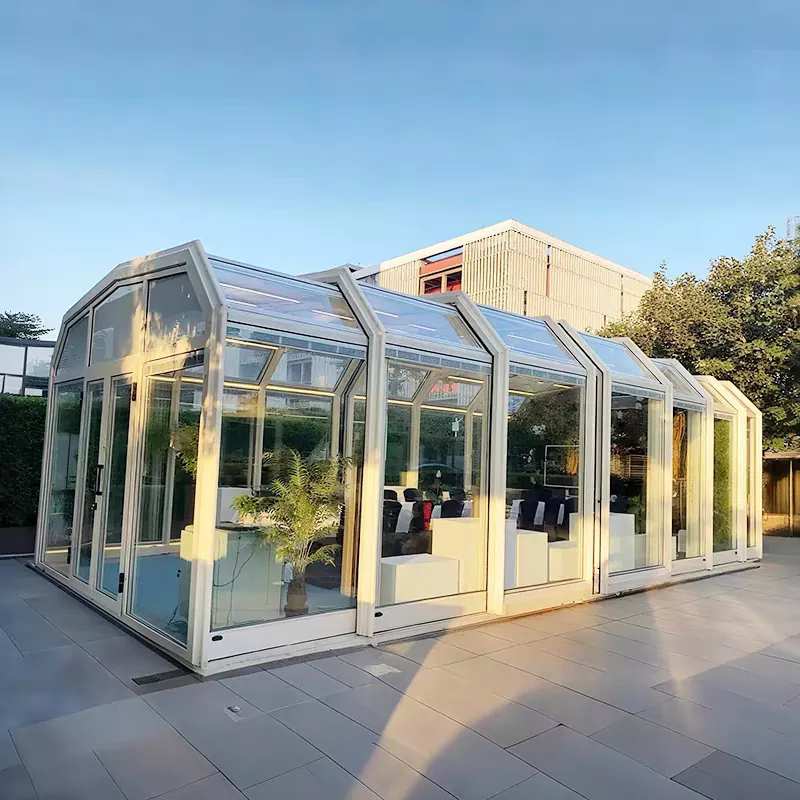
Table of Contents
- 1. Introduction
- 2. Core Benefits of Aluminum-Wood Sunrooms
- 3. Key Design Considerations
- 4. Material Selection Strategy
- 5. Installation Workflow
- 6. Cost and Value Analysis
- 7. Maintenance Guidelines
- 8. Aluminum vs Aluminum-Wood Comparison
- 9. Frequently Asked Questions
- 10. Conclusion
1. Introduction
A sunroom is more than just an architectural extension; it is a transitional living space that connects indoor comfort with outdoor scenery. Among modern solutions, the aluminum-wood sunroom stands out due to its hybrid structure—combining aluminum’s strength with wood’s warmth and visual comfort. This combination resolves common pain points such as thermal inefficiency, structural instability, and outdated aesthetics found in traditional sunroom designs.
As residential design trends shift toward sustainability and multifunctional living spaces, homeowners increasingly demand sunrooms that perform well across all seasons while maintaining visual harmony with the main building.
2. Core Benefits of Aluminum-Wood Sunrooms
- Thermal Efficiency: Wood reduces heat conduction, while aluminum ensures structural stability.
- Durability: Resistant to deformation, corrosion, and weather-related damage.
- Aesthetic Flexibility: Natural wood interior enhances comfort; aluminum exterior provides modern styling.
- Low Maintenance: Hybrid structure reduces repainting and repair frequency.
- Energy Optimization: Better insulation reduces HVAC dependency.
3. Key Design Considerations
Designing an efficient aluminum-wood sunroom requires a balance between structural engineering and lifestyle needs. Below are critical considerations:
- Orientation: South-facing layouts maximize natural light in colder climates.
- Ventilation: Cross-ventilation systems prevent overheating during summer.
- Glass Selection: Double or triple glazing improves insulation performance.
- Load Bearing: Aluminum framing must be calculated for snow and wind loads.
- Integration: Seamless connection with existing architecture avoids thermal bridging.
4. Material Selection Strategy
Material selection directly impacts longevity, performance, and visual appeal. Aluminum provides structural reinforcement, while engineered wood introduces warmth and acoustic comfort.
| Component | Aluminum Role | Wood Role | Performance Outcome |
|---|---|---|---|
| Frame Structure | High-strength support | Interior finishing layer | Stability + aesthetic warmth |
| Thermal Barrier | Breaks external pressure load | Reduces heat transfer | Energy efficiency improvement |
| Surface Treatment | Powder coating | Natural veneer or engineered wood | Weather resistance + visual appeal |
5. Installation Workflow
A structured installation process ensures durability and safety. Professional execution is strongly recommended.
- Site Evaluation: Soil condition, sunlight exposure, and drainage are analyzed.
- Foundation Construction: Concrete base ensures load stability.
- Frame Assembly: Aluminum structure is installed with precision connectors.
- Wood Integration: Interior cladding is fitted for insulation and aesthetics.
- Glazing Installation: Energy-efficient glass panels are sealed.
- System Testing: Leak-proof and thermal performance checks are conducted.
6. Cost and Value Analysis
The investment in an aluminum-wood sunroom varies based on size, glass type, structural complexity, and customization. While initial costs may be higher than basic aluminum-only systems, long-term savings in energy and maintenance significantly improve lifecycle value.
- Initial Investment: Medium to high depending on customization
- Maintenance Cost: Low compared to traditional wooden structures
- Energy Savings: Up to 25–40% reduction in heating/cooling needs
- Property Value Increase: Enhances resale attractiveness and usability
7. Maintenance Guidelines
Proper maintenance ensures structural longevity and sustained performance.
- Inspect seals and joints every 6–12 months.
- Clean glass surfaces using non-abrasive materials.
- Recoat aluminum surfaces if oxidation appears.
- Treat wood components with protective oil annually.
- Check drainage systems to prevent water accumulation.
8. Aluminum vs Aluminum-Wood Sunroom Comparison
| Feature | Aluminum Sunroom | Aluminum-Wood Sunroom |
|---|---|---|
| Thermal Comfort | Moderate | High |
| Aesthetic Appeal | Modern industrial | Natural + modern blend |
| Maintenance | Low | Very low |
| Cost Efficiency | Lower upfront cost | Higher long-term value |
9. Frequently Asked Questions
Q1: Is an aluminum-wood sunroom suitable for all climates?
Yes. It performs well in both hot and cold climates due to its hybrid insulation system.
Q2: Does wood inside require frequent maintenance?
No. Treated engineered wood requires only minimal periodic care.
Q3: Can the design be customized?
Yes. Layouts, glass types, and interior finishes can be fully customized.
Q4: How long does installation take?
Typically 2–6 weeks depending on project complexity and site conditions.
10. Conclusion
An aluminum-wood sunroom is a strategic investment for homeowners seeking a balance of durability, comfort, and visual refinement. By combining engineering precision with natural design elements, it creates a livable space that enhances both daily lifestyle and long-term property value. Proper planning, material selection, and professional installation are key to achieving optimal performance.
Duoping delivers advanced aluminum-wood sunroom systems designed for modern architectural needs, ensuring structural integrity and aesthetic excellence across diverse environments.
For tailored solutions, technical consultation, or project quotations, contact us today to explore how Duoping can transform your space into a year-round living experience.
Send Inquiry
-
E-mail
X
We use cookies to offer you a better browsing experience, analyze site traffic and personalize content. By using this site, you agree to our use of cookies.
Privacy Policy
News
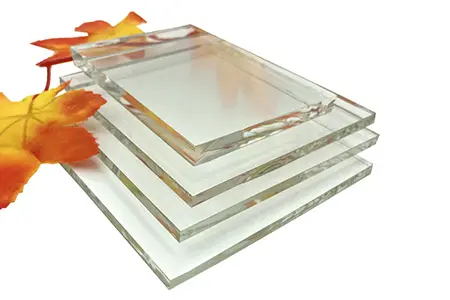 Explaining the key points and safety guidelines for installing white glass2026/01/28
During the installation process, precise operation and detailed handling are particularly crucial. For the installation of white glass in different scenarios, differentiated specifications must be followed. When installing white glass for doors and windows, the glass surface orientation must comply ......
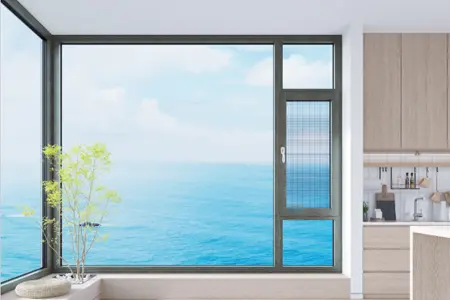 Know these 6 key indicators of aluminum alloy door and window materials!2026/01/28
The series number indicates the thickness of the door frame in millimeters. Aluminum alloy sliding doors are available in 70 and 90 series; the 70 series is sufficient for interior residential aluminum alloy sliding doors.