 English
 Español
  Português
  русский
  Français
  日本語
日本語  Deutsch
  tiếng Việt
  Italiano
  Nederlands
  ภาษาไทย
  Polski
  한국어
한국어  Svenska
  magyar
  Malay
Malay  বাংলা ভাষার
  Dansk
Dansk  Suomi
Suomi  हिन्दी
  Pilipino
  Türkçe
  Gaeilge
  العربية
  Indonesia
  Norsk
Norsk  تمل
تمل  český
český  ελληνικά
  український
  Javanese
  فارسی
فارسی  தமிழ்
தமிழ்  తెలుగు
  नेपाली
  Burmese
  български
  ລາວ
ລາວ  Latine
  Қазақша
  Euskal
  Azərbaycan
  Slovenský jazyk
  Македонски
  Lietuvos
  Eesti Keel
  Română
  Slovenski
  मराठी
मराठी  Srpski језик

Call Us
+86-15805363117
Email Us
dopinew@gmail.com
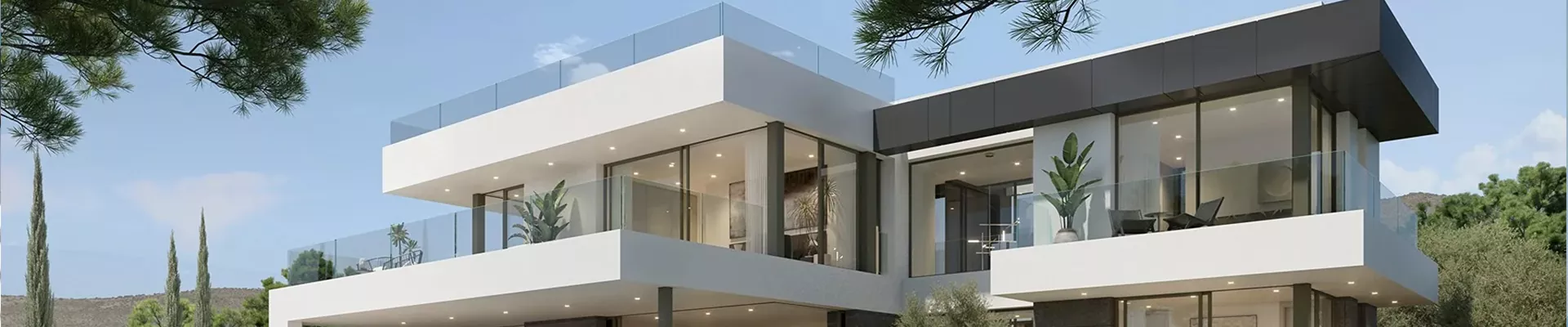
China Natural Wood Interior Aluminum-wood Windows Manufacturer, Supplier, Factory
The modern residential facade demands a balance of organic warmth and structural endurance. Within this evolving architectural context, Aluminum Clad Wood Windows have emerged as a definitive solution for discerning builders and homeowners. These assemblies capitalize on a dual-material strategy, placing the tactile beauty of solid timber on the interior while the exterior faces are shielded by extruded aluminum. For projects requiring precise ventilation control with slim sightlines, our Casement Aluminum-wood Composite Windows deliver a seamless pivot mechanism that maximizes glass area without sacrificing weather resistance. Where versatility becomes a priority in tight urban lots or passive house designs, the Tilt and Turn Aluminum-wood Windows offer dual-function operation, swinging inward for full ventilation or tilting at the top for secure, draft-free air exchange. Beyond standard configurations, the customized sizing and enhanced acoustic dampening of our Residential Premium Aluminum-wood Windows address the nuanced demands of luxury renovations and custom mountain retreats, where exposure to extreme UV radiation and driving rain necessitates a robust perimeter seal.
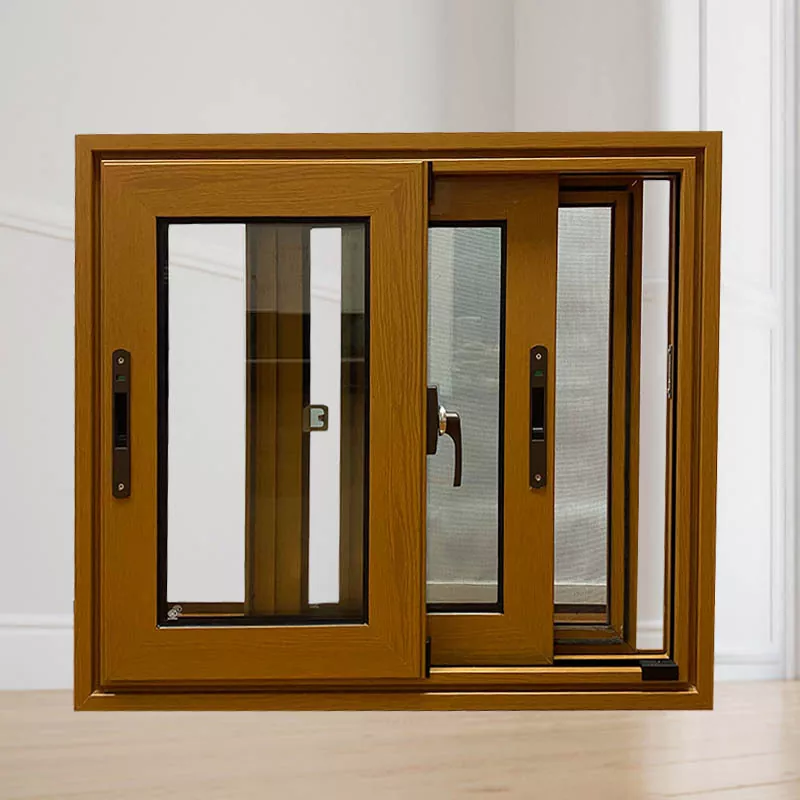
Natural Wood Interior Aluminum-wood Windows redefine thermal comfort through meticulous engineering that unites European styling with high-performance glazing. The inner frame is constructed from laminated engineered timber, typically North American oak, ash, or walnut, treated with a micro-porous hard wax oil finish that allows the wood to breathe while repelling moisture and daily smudges. This organic core is structurally bonded to an outer shell of 6063-T5 aluminum alloy, available in anodized, powder-coated, or sublimated wood-grain finishes that eliminate the need for periodic painting or staining. The thermal break between these two materials is a reinforced polyamide insulating strut, which halts conductive heat transfer and maintains a U-factor as low as 0.22 when paired with triple-glazed units. Noise reduction is equally rigorous, with sound transmission class values regularly reaching STC 40 and beyond thanks to staggered insulating glass and multiple rows of EPDM compression gaskets. The following table details the core specifications that define this product line, emphasizing the robust hardware integration and dimensional flexibility.
| Parameter | Specification Detail |
|---|---|
| Interior Wood Species | Laminated Oak, Ash, or Walnut with Moisture Content 8-12% |
| Exterior Aluminum Profile | 6063-T5 Alloy, Wall Thickness 1.4mm - 2.0mm |
| Thermal Break Technology | 24mm - 34mm Glass-Fiber Reinforced Polyamide Strip |
| Glazing Depth Capacity | Up to 52mm Glazing Pocket, Accepting Triple IGU |
| Weather Sealing System | Three-Layer Continuous EPDM Gasket with Integrated Fin Seal |
| Hardware Endurance | Multi-Point Locking Mechanism Tested to 50,000 Cycles |
| Custom Width Range | 450mm - 1800mm Single Sash (Combined Unit Up to 3600mm) |
The construction philosophy prioritizes a dry glazing method, where drainage chambers within the aluminum tracks channel condensation and rainwater out through concealed weeps, protecting the wooden interior from decay. Each sash corner is connected via precision-machined mortise and tenon joints reinforced with structural adhesive and aluminum splines, guaranteeing squareness under cyclic wind loads. The aesthetics retain a crisp 90-degree edge profile on the room side, while the external aluminum bead offers either square or sculpted contours depending on regional architectural vernacular. Maintenance involves nothing more than routine lubrication of the stainless-steel hinges and occasional conditioning of the interior wood surface. From low-rise apartment blocks to secluded coastal residences, Natural Wood Interior Aluminum-wood Windows provide a specification-grade barrier against the elements without compromising the biophilic connection that only natural timber can offer. Engineering validation includes strict adherence to AAMA and NFRC testing protocols, ensuring that frame deflection under load stays below the stringent threshold that protects insulated glass seals. The result is a long-life fenestration unit where material separation is absolute, thermal bridging is minimized, and the interior daylight reflection is softened by the genuine grain and texture of hardwoods.
Related Products
Hot Products
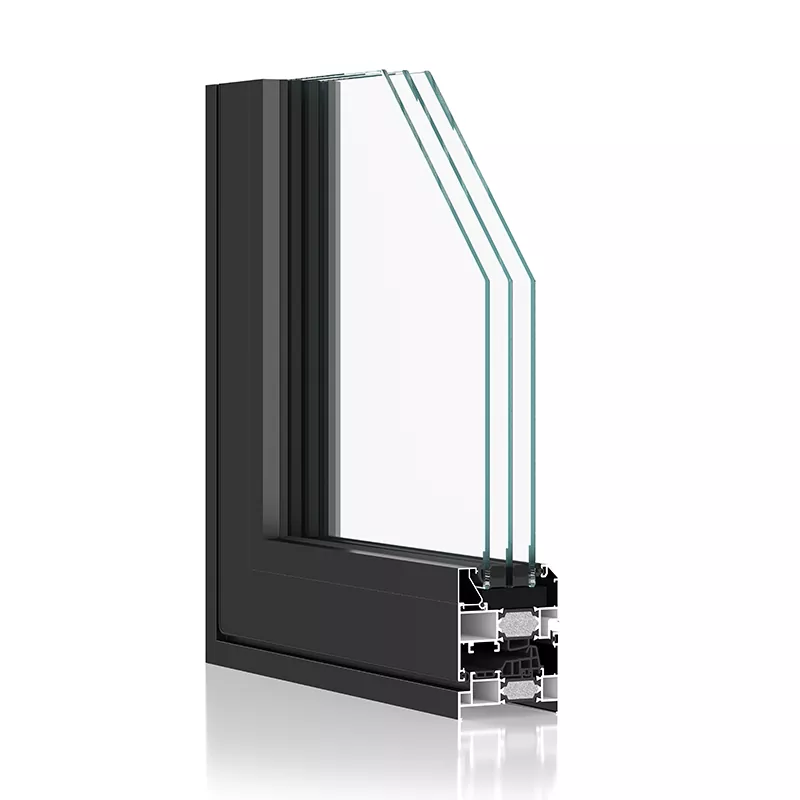
Energy-efficient Windows
Duoping is a leader in the research, development, and supply of high-performance energy-efficient windows. With years of experience in the window and building materials industry, we specialize in providing products that combine advanced insulated glass and thermal sealing technologies to ensure excellent insulation, low energy consumption, and durability. Our energy-efficient windows are designed for various applications, including residential homes, office buildings, hotels, and more. We have successfully established a market presence both domestically and internationally and look forward to becoming your trusted partner for high-quality energy-efficient windows in China.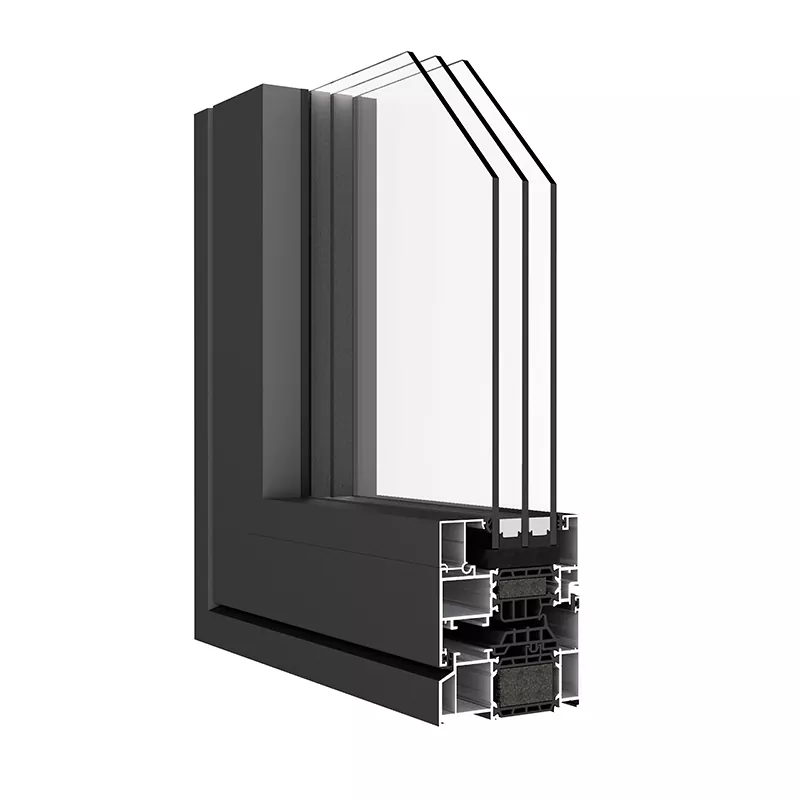
Energy-saving Windows
As a professional manufacturer and supplier, Duoping specializes in energy-saving windows, integrating advanced Low-E insulated glass and multi-layer thermal insulation sealing technology. With excellent thermal insulation performance and low energy consumption, these windows are widely used in residential, office and hotel projects. We offer customized services for glass, frames and opening methods, accept wholesale orders, and deliver high-quality, energy-efficient window solutions for various construction needs.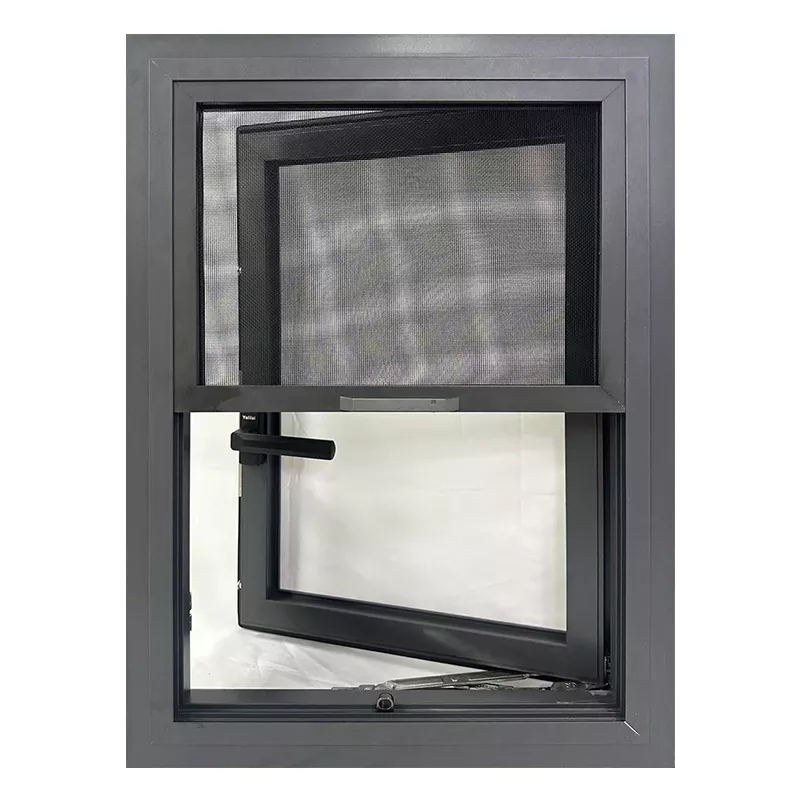
Powder coated Aluminum Alloy Windows
Duoping excels as a professional manufacturer and supplier of powder coated aluminum alloy windows, with advanced electrostatic powder coating technology and strict quality control. This product features customizable colors, strong wear and corrosion resistance, ideal for home and commercial use. We support customized designs and welcome wholesale orders, providing cost-effective window solutions for various construction projects.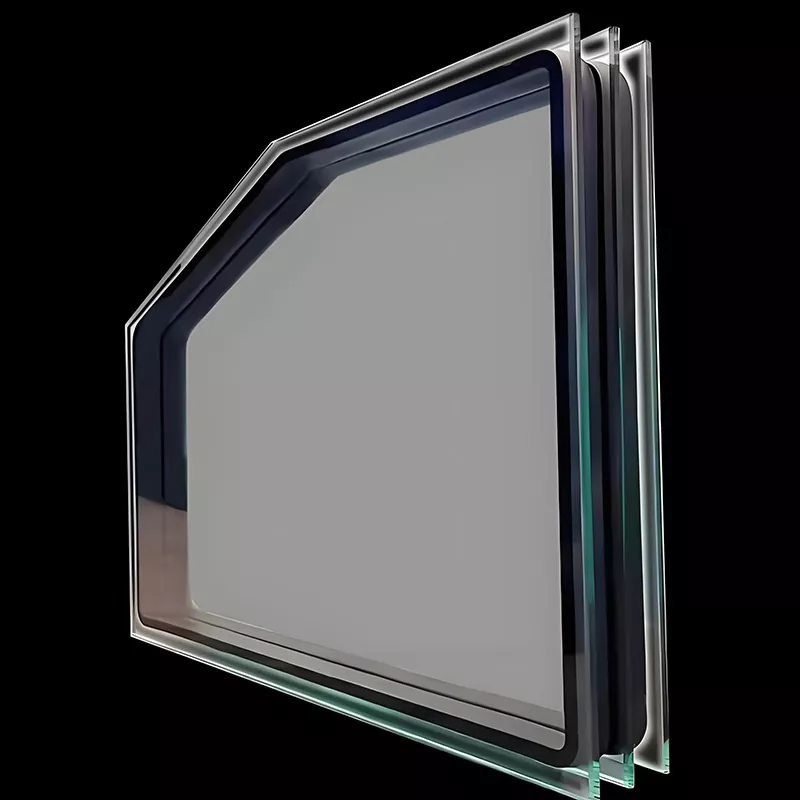
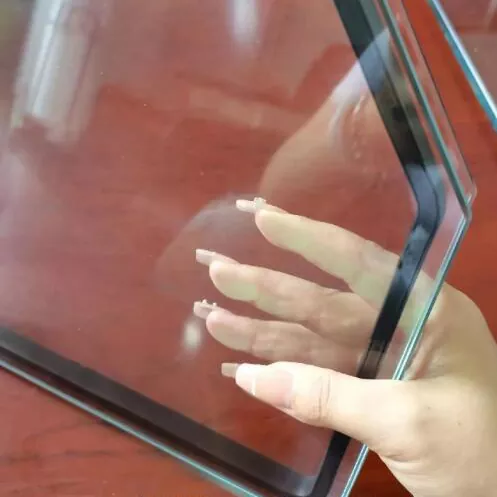
4SG Insulated Glass
Duoping is a professional R&D, production and supplier of 4SG insulated glass. Relying on the integrated warm-edge sealing tape process, combined with low-emissivity (Low-e) coating and high-purity argon gas filling core technologies, we produce high-end energy-saving glass featuring no thermal bridge, high airtightness and easy installation. As a core material for the renovation of old residential communities and general energy-saving buildings, our products are widely used in residential doors and windows, office building curtain walls, buildings in noise-sensitive areas and other scenarios. With high cost performance and stable performance, our products cover the national market. We sincerely look forward to working with you to provide customized glass solutions for various energy-saving building projects.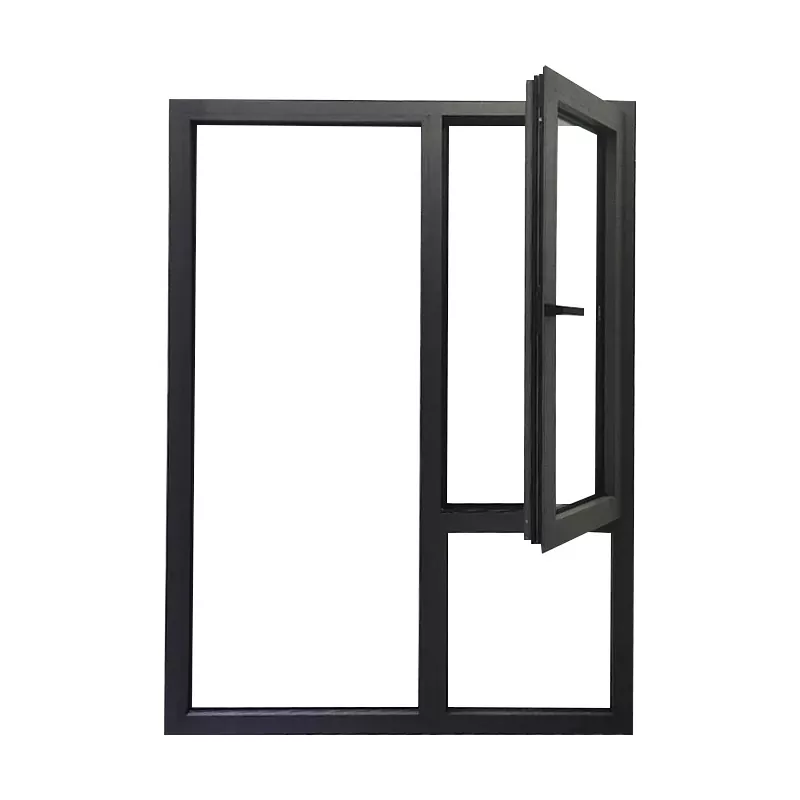
Fluorocarbon Coated Aluminum Alloy Windows
Duoping is a professional manufacturer and supplier, delivering high-quality fluorocarbon coated aluminum alloy windows with advanced three-coat two-bake technology. This product features exceptional weather resistance and long-lasting color, ideal for high-end villas and coastal projects. We support customized designs and welcome wholesale orders, providing premium window solutions for luxury construction procurement.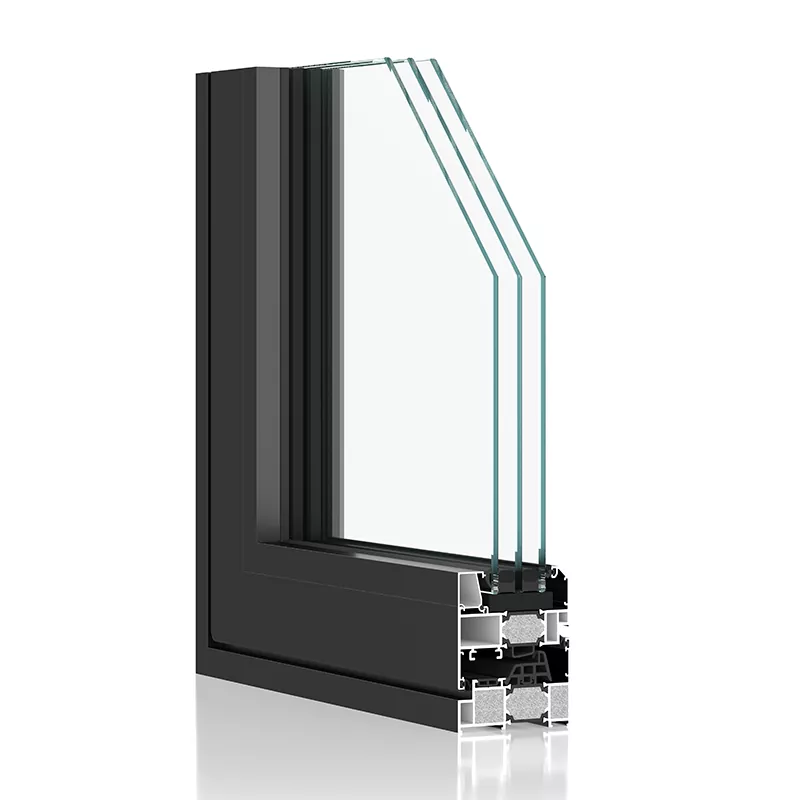
System Windows
Duoping is a professional manufacturer and supplier of high-end system windows, with advanced integrated system design and strict quality control. This product combines custom components for superior performance and durability, suitable for luxury buildings. We provide customized solutions, welcome wholesale orders, and deliver premium system window services for high-end construction projects.
- Related Blog
- Reviews

Send Inquiry
-
E-mail
X
We use cookies to offer you a better browsing experience, analyze site traffic and personalize content. By using this site, you agree to our use of cookies.
Privacy Policy
News
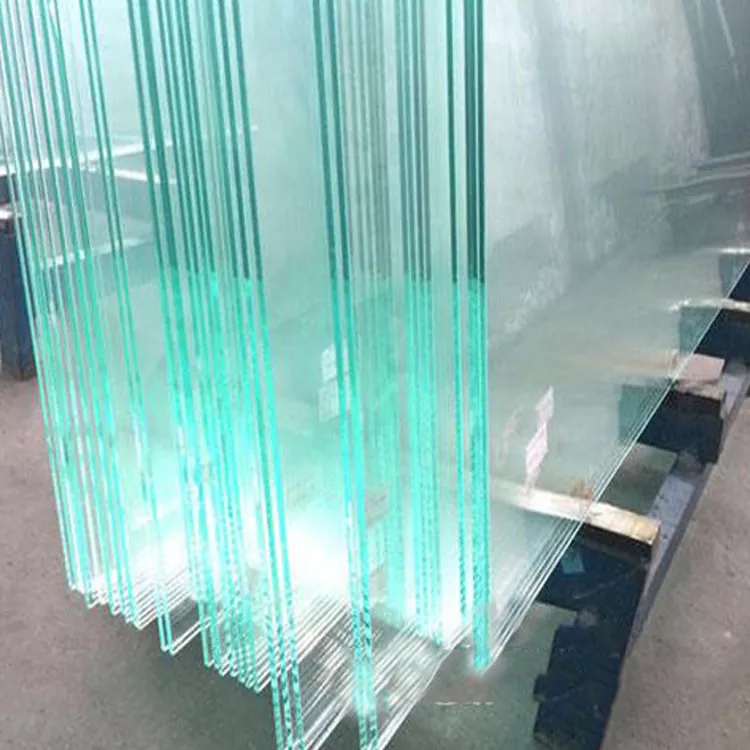
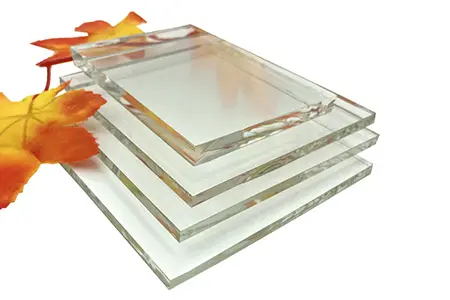 Explaining the key points and safety guidelines for installing white glass2026/01/28
During the installation process, precise operation and detailed handling are particularly crucial. For the installation of white glass in different scenarios, differentiated specifications must be followed. When installing white glass for doors and windows, the glass surface orientation must comply ......
 Know these 6 key indicators of aluminum alloy door and window materials!2026/01/28
The series number indicates the thickness of the door frame in millimeters. Aluminum alloy sliding doors are available in 70 and 90 series; the 70 series is sufficient for interior residential aluminum alloy sliding doors.