 English
 Español
  Português
  русский
  Français
  日本語
日本語  Deutsch
  tiếng Việt
  Italiano
  Nederlands
  ภาษาไทย
  Polski
  한국어
한국어  Svenska
  magyar
  Malay
Malay  বাংলা ভাষার
  Dansk
Dansk  Suomi
Suomi  हिन्दी
  Pilipino
  Türkçe
  Gaeilge
  العربية
  Indonesia
  Norsk
Norsk  تمل
تمل  český
český  ελληνικά
  український
  Javanese
  فارسی
فارسی  தமிழ்
தமிழ்  తెలుగు
  नेपाली
  Burmese
  български
  ລາວ
ລາວ  Latine
  Қазақша
  Euskal
  Azərbaycan
  Slovenský jazyk
  Македонски
  Lietuvos
  Eesti Keel
  Română
  Slovenski
  मराठी
मराठी  Srpski језик

Call Us
+86-15805363117
Email Us
dopinew@gmail.com
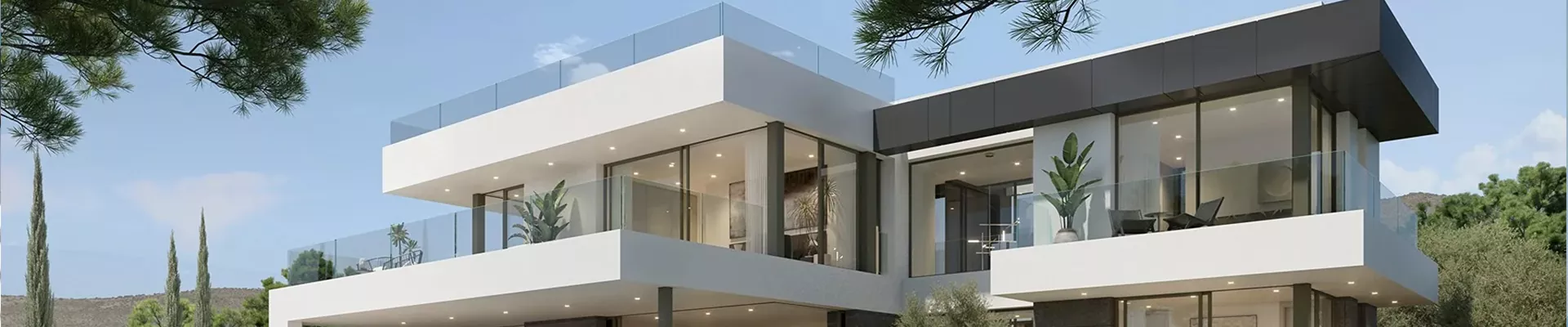
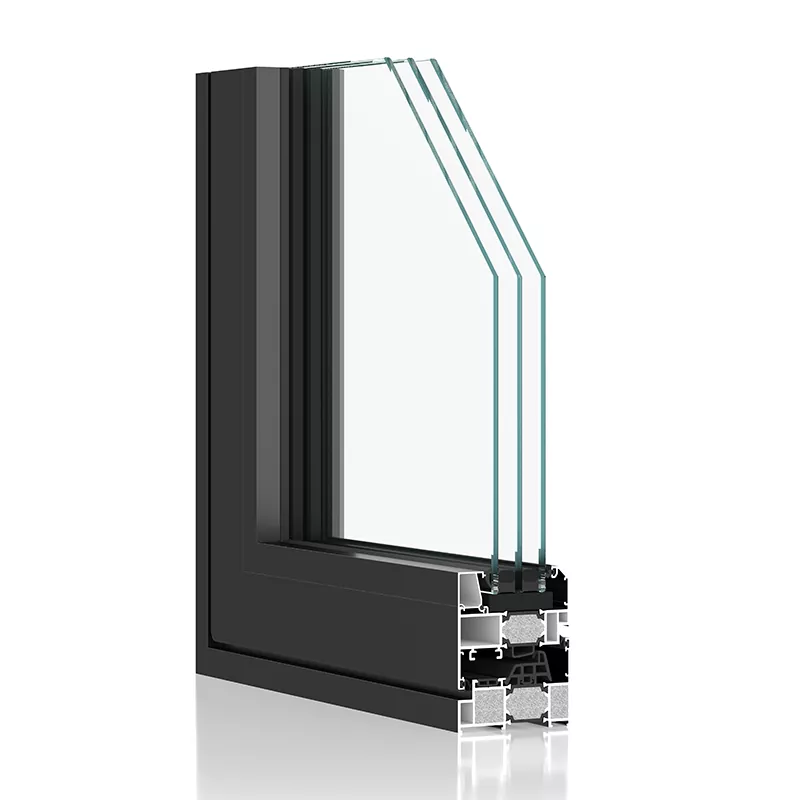
Aluminum Alloy System Windows
For modern architectural projects, aluminum alloy system windows represent the pinnacle of engineering and design. Our expansive selection addresses every performance need through rigorously tested solutions such as Integrated System Windows, which merge frame, sash, hardware, and glass into a perfectly coordinated assembly for seamless installation and lasting durability. For projects demanding elevated aesthetics and strength, we offer Premium System Windows crafted from high-grade extruded aluminum with enhanced thermal break technology. Builders seeking future-ready automation will appreciate our Smart System Windows, which integrate sensor-driven controls and remote operation without compromising the clean, minimalist look of aluminum framing. Equally vital is energy performance, which is why our Energy-saving System Windows employ multi-chamber insulating profiles and low-E coated glazing to dramatically reduce thermal transfer in both hot and cold climates. Each product line is developed in compliance with strict international fabrication standards, ensuring that structural integrity, weather resistance, and acoustic comfort are never compromised.
At the core of every project lies an Aluminum Alloy System Windows construction designed to outperform traditional fenestration in every measurable category. The raw material itself sets these windows apart: we use primary 6063-T5 aluminum alloy with a tensile strength exceeding 160 MPa, which allows slim sightlines while handling large spans and heavy glass loads. The profiles undergo a multi-stage surface preparation—chrome-free pretreatment followed by a high-performance polyester powder coating compliant with Qualicoat Class 2 or 3 specifications—to deliver outstanding corrosion resistance and color stability for decades. Thermally broken frames incorporate 24 mm to 42 mm wide high-density polyamide strips, reinforced with glass fiber, that interrupt conductive heat flow and achieve U-values as low as 0.8 W/m²·K when combined with triple-pane glazing. Air infiltration is controlled to levels below 0.1 cfm/ft² under 75 Pa pressure, while water penetration resistance consistently meets 900 Pa or higher without leakage, attributable to the internal EPDM gasket network and integrated drainage chambers. Sound insulation reaches Rw values up to 47 dB, making these windows suitable for urban high-rises and sites near traffic corridors. The detailed parameters below illustrate the technical depth behind every window we produce.
- Frame Material: 6063-T5 aluminum alloy, extruded to EN 755-2 and EN 12020 tolerances
- Thermal Break: 24 mm to 42 mm polyamide strips (PA66 GF25), bonded using dual-component polyurethane for structural shear strength
- Surface Finish: Qualicoat Class 2/3 powder coating (60–90 µm), marine-grade anodizing (AA15–AA25), or wood-effect sublimation
- Glazing Options: Double or triple insulated glass units, argon-filled, with warm-edge spacers; low-E coatings on surfaces #2 and/or #4; thickness from 24 mm to 52 mm
- Gasket System: Co-extruded EPDM closed-cell weather seals with corner vulcanization for continuous airtightness
- Hardware Integration: Concealed multi-point locking with adjustable rollers, stainless steel corner drives, and corrosion-proof handles tested to 25,000 cycles
- Design Pressure: ± 3,000 Pa (serviceability), ± 4,500 Pa (ultimate), depending on mullion reinforcement
- Acoustic Performance: Rw 35–47 dB based on glass makeup and frame insulation
| Parameter | Integrated System Windows | Premium System Windows | Smart System Windows | Energy-Saving System Windows |
|---|---|---|---|---|
| Profile Depth | 60–75 mm | 75–90 mm | 70–85 mm | 80–95 mm |
| Max Glass Thickness | 42 mm | 52 mm | 46 mm | 52 mm |
| Thermal Transmittance (Uw) | 1.2–1.6 W/m²·K | 0.85–1.2 W/m²·K | 1.0–1.4 W/m²·K | 0.8–1.1 W/m²·K |
| Water Tightness (Pa) | 750 | 900 | 750 | 900 |
| Air Permeability | Class 4 | Class 4 | Class 4 | Class 4 |
| Wind Load Resistance | Class C5 | Class C5/B5 | Class C5 | Class C5/B5 |
| Sound Reduction (Rw) | Up to 42 dB | Up to 47 dB | Up to 42 dB | Up to 47 dB |
| Opening Types | Tilt-turn, casement, fixed | Tilt-turn, parallel push, lift-slide | Motorized tilt-turn, e-slide | All styles with triple glazing |
| Motor Integration | Optional | Optional | Standard (wired/wireless) | Optional |
| Solar Control (g-value) | 0.35–0.55 | 0.25–0.45 | 0.30–0.50 | 0.22–0.40 |
Related Products
Hot Products
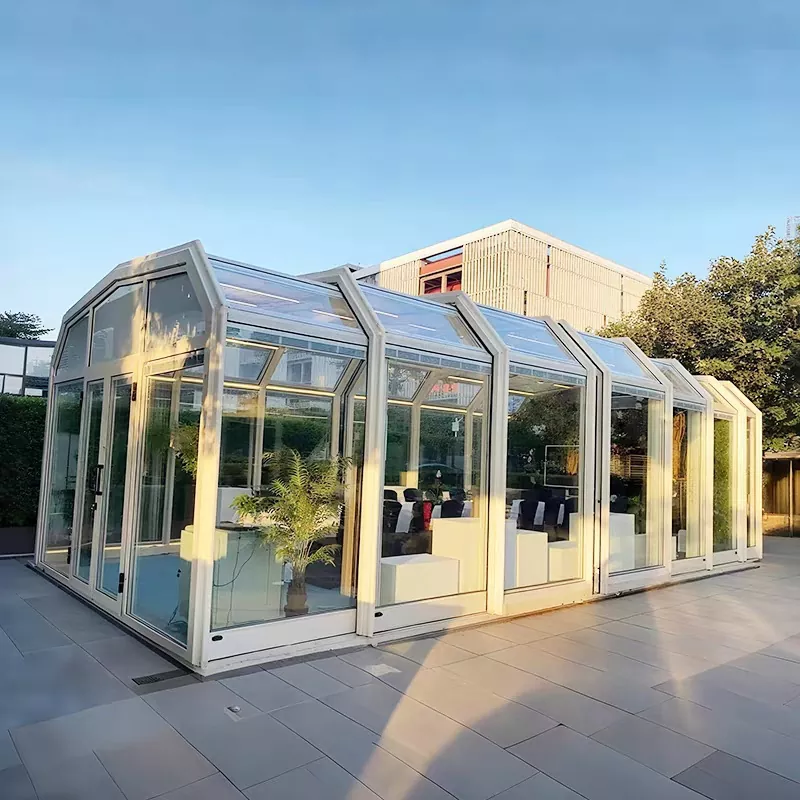
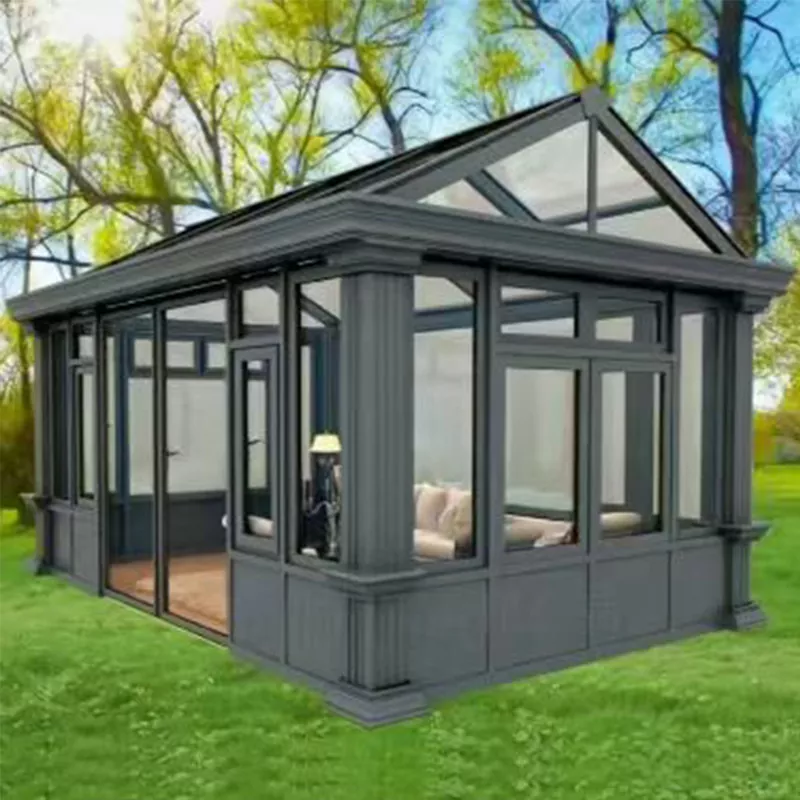
Aluminum-Wood Sunroom
Duoping is a professional manufacturer and supplier of Aluminum-Wood Sunroom, with advanced composite technology and strict quality control. It provides customized solutions featuring aluminum-wood fusion, long durability and excellent sealing, suitable for high-end residences. Wholesale orders are supported, with reliable after-sales service and a service life of over 25 years.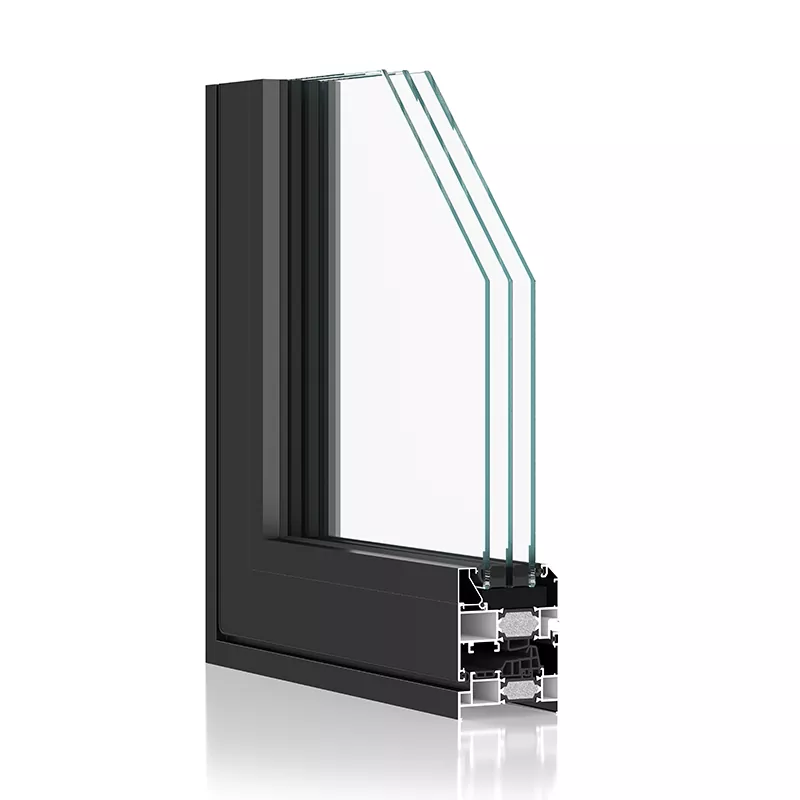
Energy-efficient Windows
Duoping is a leader in the research, development, and supply of high-performance energy-efficient windows. With years of experience in the window and building materials industry, we specialize in providing products that combine advanced insulated glass and thermal sealing technologies to ensure excellent insulation, low energy consumption, and durability. Our energy-efficient windows are designed for various applications, including residential homes, office buildings, hotels, and more. We have successfully established a market presence both domestically and internationally and look forward to becoming your trusted partner for high-quality energy-efficient windows in China.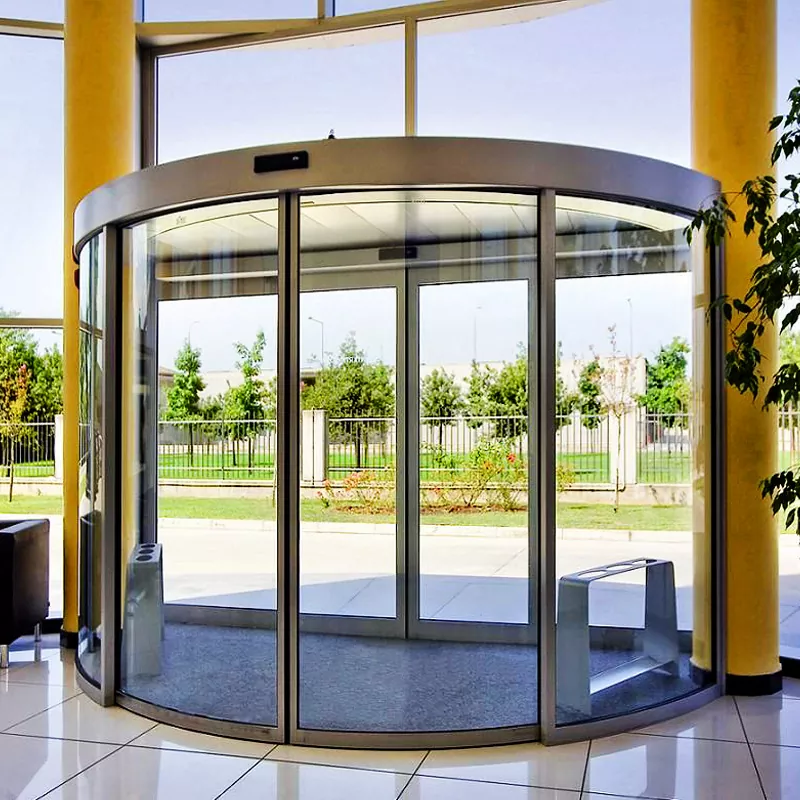
Automatic Sensor Door
Duoping is a professional manufacturer and supplier of high-end automatic sensor doors, equipped with advanced infrared sensing and automatic control technologies to ensure superior quality. Its products are intelligent, safe and durable, with rapid response and good sealing, widely applied in public scenarios like malls, hospitals and office buildings. The company provides customized solutions, wholesale services and strict quality control, along with nationwide delivery and comprehensive after-sales support.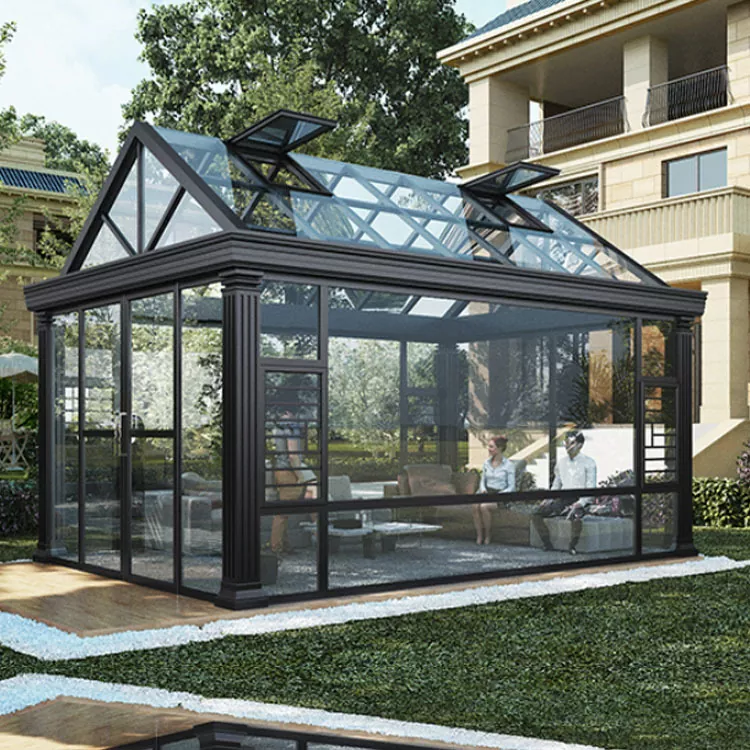
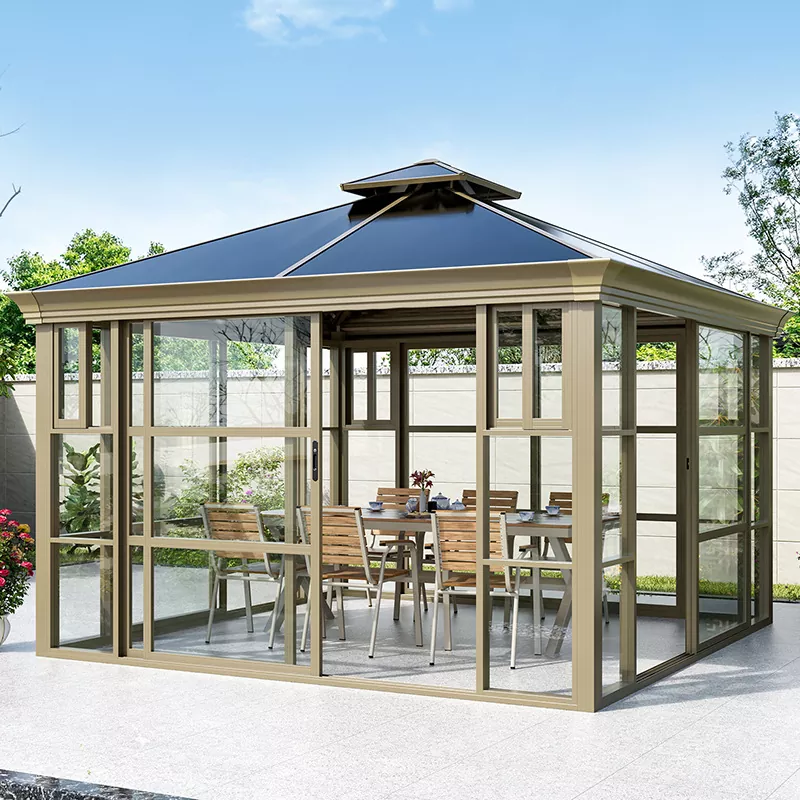
Thermal Break Aluminum Alloy Sunroom
Duoping is a professional manufacturer and supplier of Thermal Break Aluminum Alloy Sunroom, with advanced thermal break technology and strict quality control. Its customized solutions offer great thermal insulation, all-weather durability and sealing, suitable for villas and leisure spaces. Wholesale orders are supported, with reliable after-sales service and a long service life of over 30 years.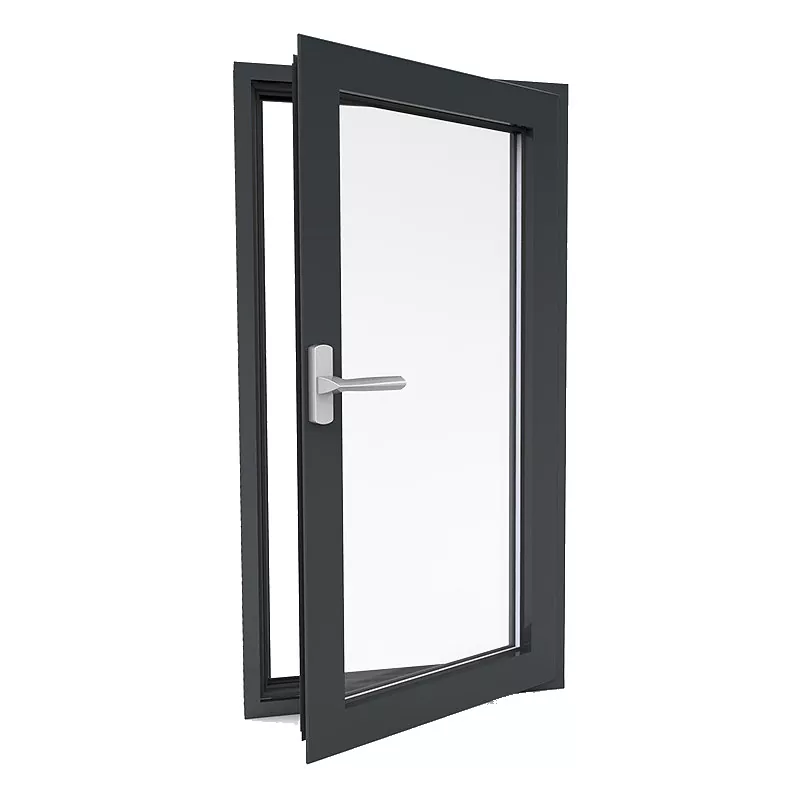
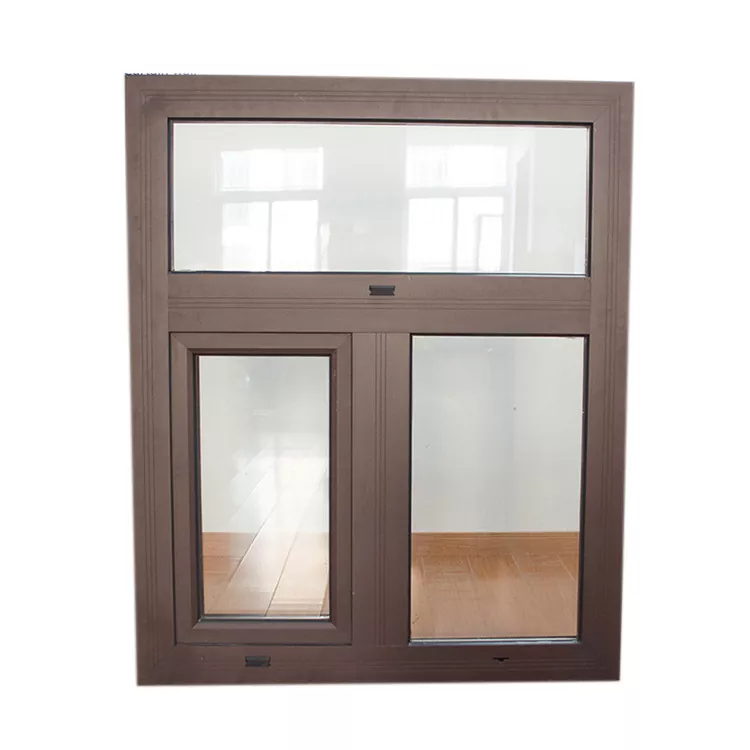
Aluminum Windows
Duoping is a professional manufacturer and supplier of aluminum windows, with advanced aluminum alloy processing and strict quality control. This product features sturdy frames, long service life and easy maintenance, suitable for home and commercial use. We support customized sizes and colors, welcome wholesale orders, and provide cost-effective window solutions for various construction projects.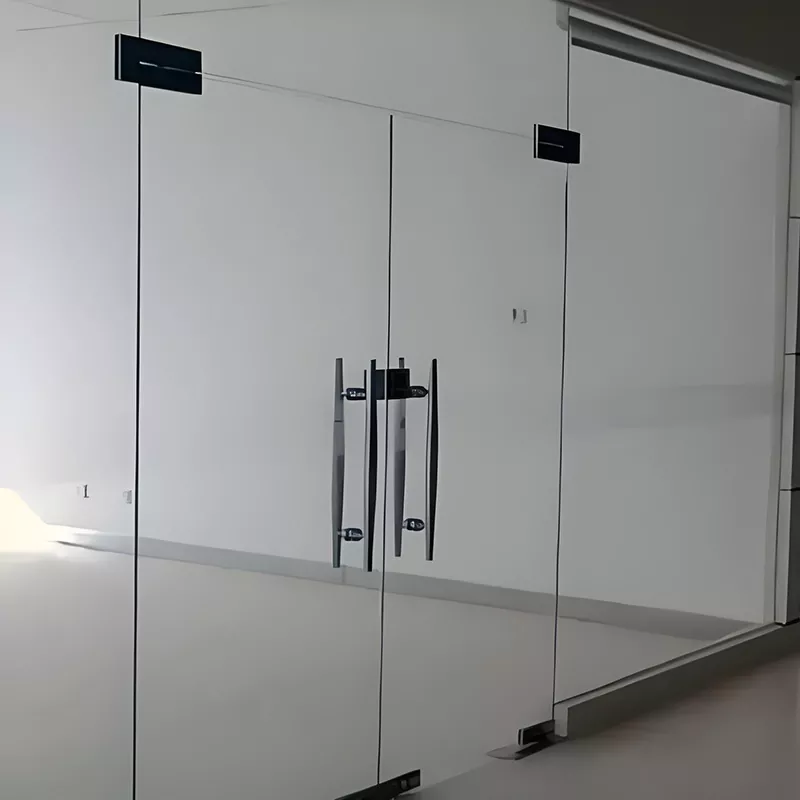
Glass Door
Duoping is a professional supplier and manufacturer of glass doors, with advanced tempered glass processing and precision frame design technologies to ensure high quality. Its glass doors are safe, sturdy and versatile, with excellent light transmission, widely used in commercial, residential and office scenarios. The company offers customized solutions, wholesale services and strict quality control, with nationwide delivery and comprehensive after-sales support.
- Related Blog
- Reviews

Send Inquiry
-
E-mail
X
We use cookies to offer you a better browsing experience, analyze site traffic and personalize content. By using this site, you agree to our use of cookies.
Privacy Policy
News
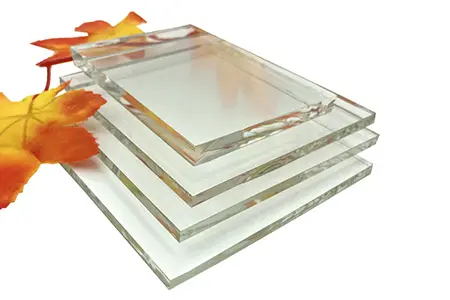 Explaining the key points and safety guidelines for installing white glass2026/01/28
During the installation process, precise operation and detailed handling are particularly crucial. For the installation of white glass in different scenarios, differentiated specifications must be followed. When installing white glass for doors and windows, the glass surface orientation must comply ......
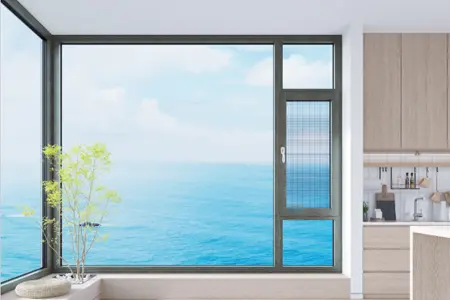 Know these 6 key indicators of aluminum alloy door and window materials!2026/01/28
The series number indicates the thickness of the door frame in millimeters. Aluminum alloy sliding doors are available in 70 and 90 series; the 70 series is sufficient for interior residential aluminum alloy sliding doors.