 English
 Español
  Português
  русский
  Français
  日本語
日本語  Deutsch
  tiếng Việt
  Italiano
  Nederlands
  ภาษาไทย
  Polski
  한국어
한국어  Svenska
  magyar
  Malay
Malay  বাংলা ভাষার
  Dansk
Dansk  Suomi
Suomi  हिन्दी
  Pilipino
  Türkçe
  Gaeilge
  العربية
  Indonesia
  Norsk
Norsk  تمل
تمل  český
český  ελληνικά
  український
  Javanese
  فارسی
فارسی  தமிழ்
தமிழ்  తెలుగు
  नेपाली
  Burmese
  български
  ລາວ
ລາວ  Latine
  Қазақша
  Euskal
  Azərbaycan
  Slovenský jazyk
  Македонски
  Lietuvos
  Eesti Keel
  Română
  Slovenski
  मराठी
मराठी  Srpski језик

Call Us
+86-15805363117
Email Us
dopinew@gmail.com
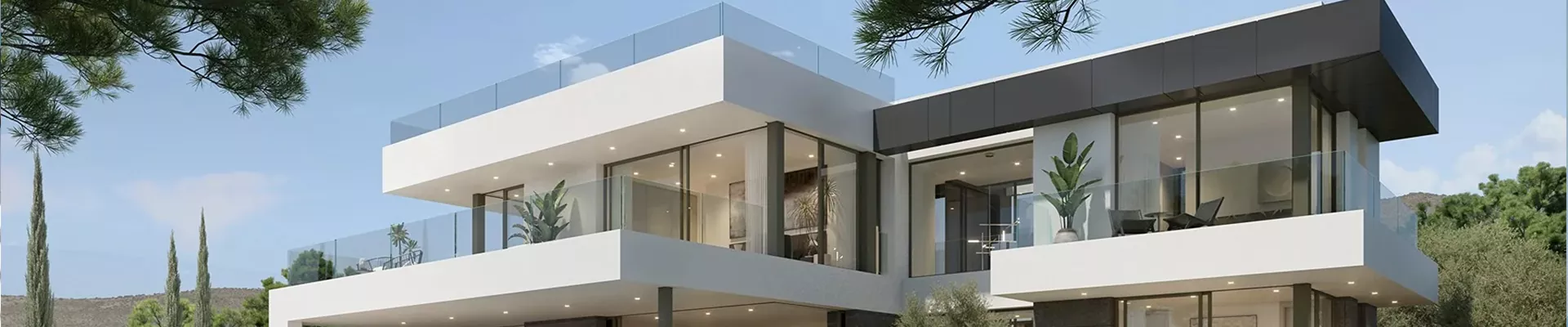
PVC-steel Composite Windows and Doors System
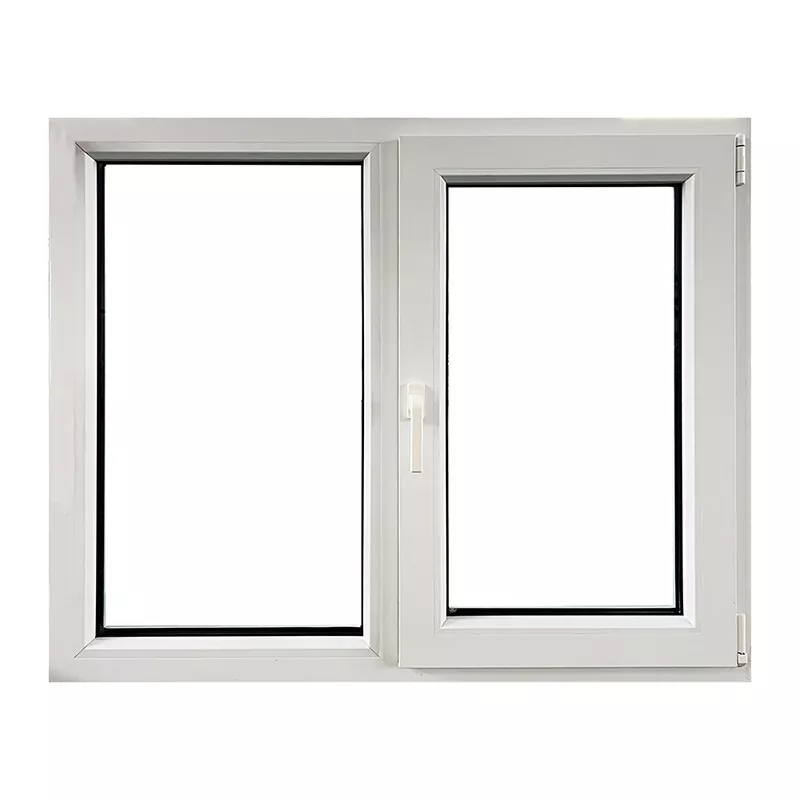
Modern construction demands materials that blend resilience, energy efficiency, and aesthetic flexibility. Our advanced composite systems deliver exactly that by merging the thermal performance of PVC with the structural integrity of galvanized steel. For projects requiring robust frame support, Steel Reinforced PVC Composite Windows provide exceptional wind-load resistance without sacrificing sleek sightlines. Homeowners seeking versatile ventilation often opt for Tilt and Turn PVC-steel Composite Windows, which offer secure draft-free airflow at a simple turn of the handle. In high-end housing developments, Residential PVC-steel Composite Windows are specified to meet strict acoustic and thermal regulations while harmonizing with architectural detailing. Equally critical are Commercial PVC-steel Composite Windows, engineered for heavy-traffic environments where fire ratings and low-maintenance longevity directly impact operational costs. Across all these applications, our doors integrate matching multi-chamber profiles, creating a seamless thermal envelope that minimizes energy loss and internal condensation risks.
PVC-Steel Composite Windows and Doors System represents a complete fenestration solution built around precision-engineered profiles. The multi-layer construction features a high-impact rigid PVC extrusion reinforced internally with 1.5mm to 2.0mm galvanized steel profiles, forming a bond that prevents warping and thermal deformation even in extreme climates ranging from -30°F to 120°F. This dual-material core is wrapped in an acrylic-stabilized outer surface that resists chalking, salt spray, and industrial pollutants. Inside the frame, triple-gasket compression seals create dual air chambers that achieve air permeability ratings below 0.1 cfm/ft² under 25 mph wind loads. The glazing channels accommodate triple-pane insulated glass units with warm-edge spacers and argon fill, delivering center-of-glass U-values as low as 0.17. Transmission loss ratings reach STC 48, effectively suppressing traffic and urban noise frequencies. For hardware integration, all locking points are reinforced with threaded steel inserts rather than plastic tabs, ensuring that multi-point espagnolette mechanisms maintain their tight compression over 30,000 operating cycles. Thermal breaks within the profile further interrupt conductivity, resulting in whole-unit U-values down to 0.19 BTU/hr·ft²·°F. Below, the key parameters clarify how each system element performs under testing.
- Multi-chamber profile design with three internal webs for thermal partitioning
- Galvanized steel reinforcement thickness from 1.5mm to 2.0mm (ASTM A653 compliant)
- EPDM gaskets with 25% compression set resistance over 20-year aging simulations
- Welded corner joints with mechanical crimping on steel inserts for clean miters
- Powder-coated aluminum cladding option for specified RAL color matching
- Full integration with passive house certified installation anchors
| Parameter | Specification | Performance Value |
|---|---|---|
| Frame Depth | 70mm / 80mm / 88mm Series | Variable based on static load requirement |
| Thermal Transmittance (Uw) | EN 14351-1 Certified | 0.19 – 0.26 BTU/hr·ft²·°F |
| Acoustic Insulation (Rw) | ISO 10140-2 | 42 – 48 dB depending on glass configuration |
| Wind Load Resistance | ASTM E330 | Design pressure ±90 psf (4,310 Pa) |
| Water Tightness | ASTM E1105 | No leakage at 15 psf (720 Pa) |
| Operating Cycle Durability | Internal hinge test | >30,000 full open-close cycles without sag |
| Air Infiltration | ASTM E283 at 75 Pa | <0.05 cfm/ft² |
The mullion assemblies and door thresholds employ continuous thermal barriers that prevent frost bridging at sub-zero exterior temperatures. Drainage channels are integrated into the outer frame cavity, sloped at 5° to evacuate moisture without compromising the internal air seal. Steel reinforcement within the sash interlocks with the keepers at three points, distributing locking forces evenly across the full perimeter. In coastal installations, 316-grade stainless steel hardware options resist pitting in saline atmospheres. The composite sash weight capacity supports oversized glass panes up to 52mm thick, expanding daylight without compromising the U-factor. Drip-in groove glazing beads simplify reglazing on active job sites, reducing installation labor by approximately 20 percent compared to traditional snap-in methods. The complete PVC-Steel Composite Windows and Doors System maintains full compatibility with automated smart-home actuators, allowing tilt-position sensors and motorized openers to connect directly to building management networks.
Related Products
Hot Products
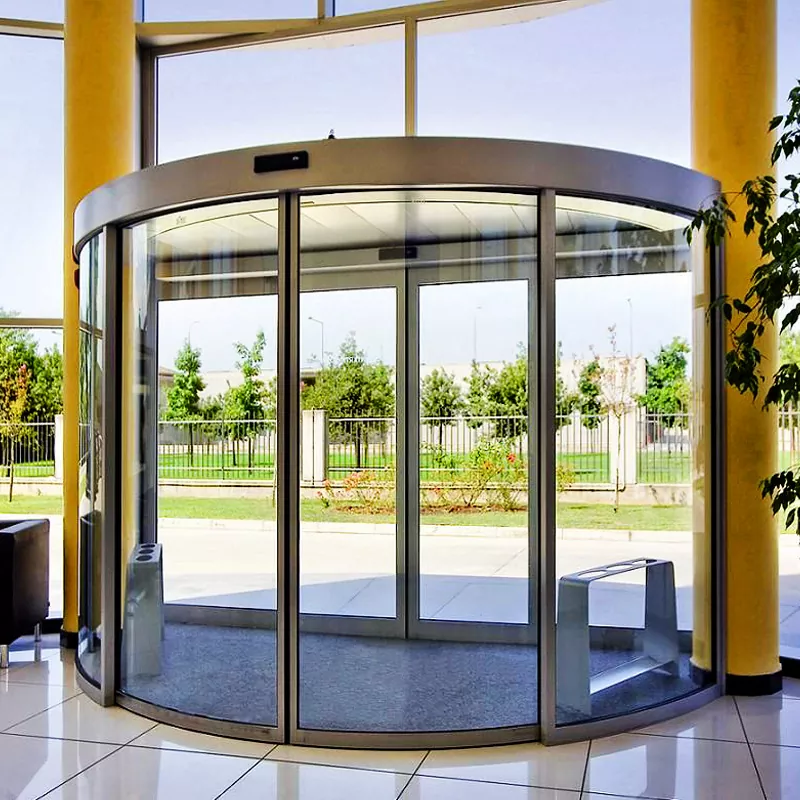
Automatic Sensor Door
Duoping is a professional manufacturer and supplier of high-end automatic sensor doors, equipped with advanced infrared sensing and automatic control technologies to ensure superior quality. Its products are intelligent, safe and durable, with rapid response and good sealing, widely applied in public scenarios like malls, hospitals and office buildings. The company provides customized solutions, wholesale services and strict quality control, along with nationwide delivery and comprehensive after-sales support.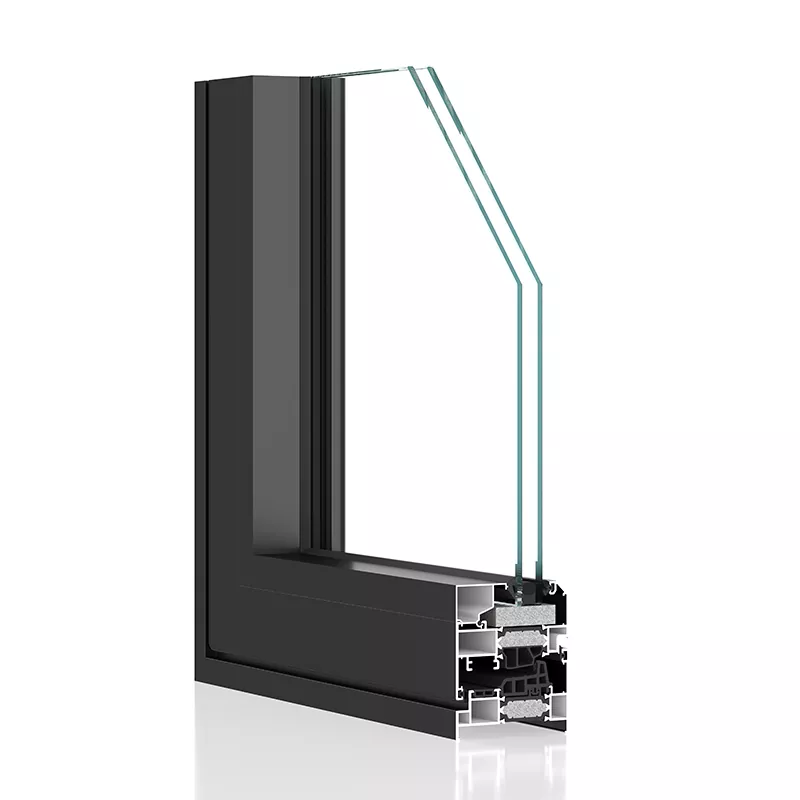
Super Energy-saving Glass
Duoping is a reliable manufacture and supplier of Dopin super energy-saving glass, boasting advanced multi-cavity design and strict quality control. It integrates Low-e coating and argon filling for excellent thermal insulation and soundproofing. We offer customized solutions and support wholesale orders, fitting high-energy-saving building procurement needs.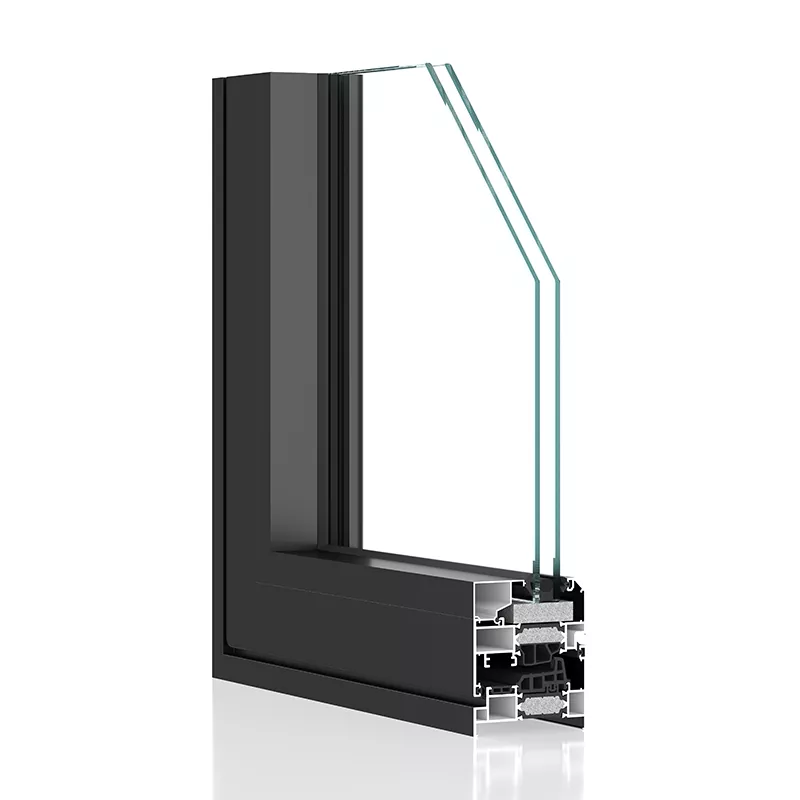
Soundproof Windows
Duoping is a professional manufacturer and supplier of soundproof windows, featuring advanced composite soundproof glass and multi-layer sealing technology. This product delivers ≥40dB sound insulation, ideal for noise-sensitive environments like streetside homes and laboratories. We support customized glass and frame designs, welcome wholesale orders, and provide reliable noise-reduction solutions for global construction projects.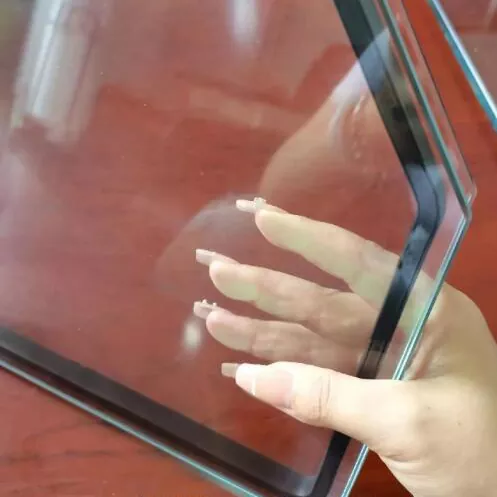
Flexible Warm edge Glass
Duoping stands as a professional manufacturer and supplier, delivering high-quality flexible warm edge glass with advanced polymer sealant technology. This product adapts to curved frames, eliminates cold bridges, and offers stable energy-saving performance for complex building projects. We provide customized solutions and welcome wholesale orders, serving retrofitting and cold-region construction needs with reliable quality.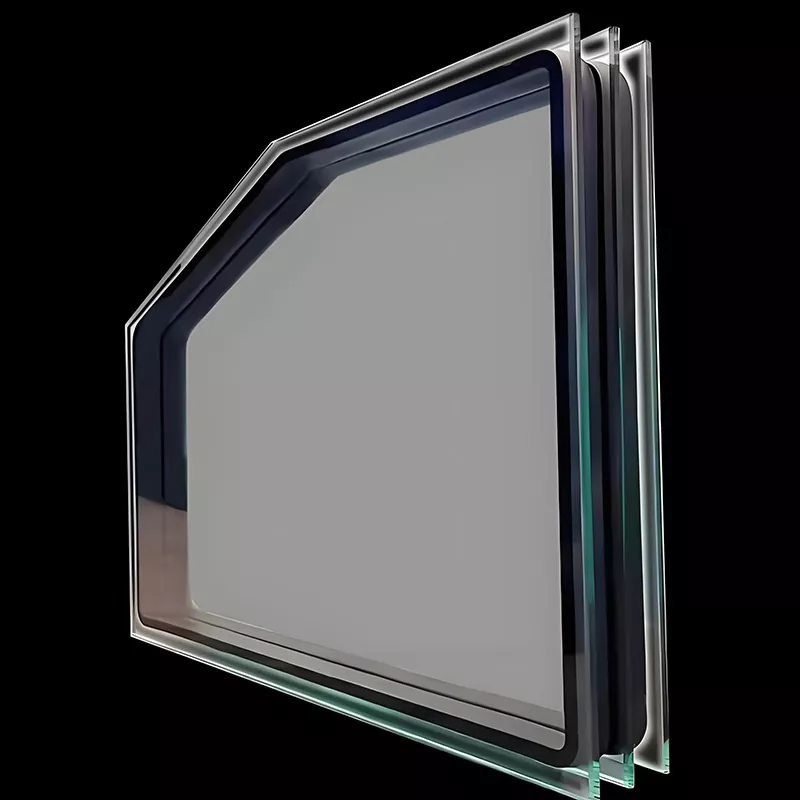
4SG Insulated Glass
Duoping is a professional R&D, production and supplier of 4SG insulated glass. Relying on the integrated warm-edge sealing tape process, combined with low-emissivity (Low-e) coating and high-purity argon gas filling core technologies, we produce high-end energy-saving glass featuring no thermal bridge, high airtightness and easy installation. As a core material for the renovation of old residential communities and general energy-saving buildings, our products are widely used in residential doors and windows, office building curtain walls, buildings in noise-sensitive areas and other scenarios. With high cost performance and stable performance, our products cover the national market. We sincerely look forward to working with you to provide customized glass solutions for various energy-saving building projects.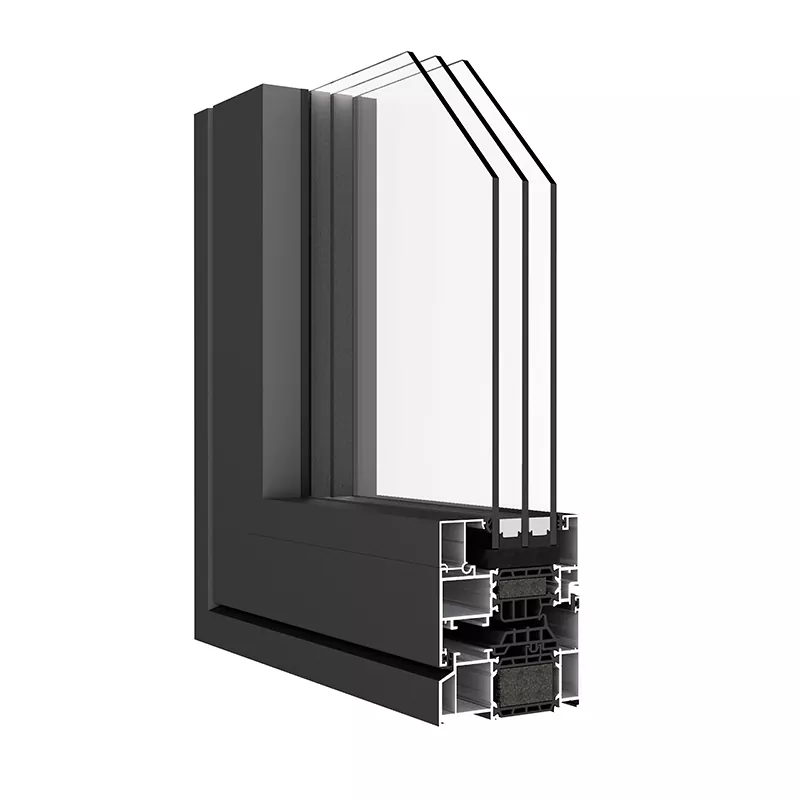
Energy-saving Windows
As a professional manufacturer and supplier, Duoping specializes in energy-saving windows, integrating advanced Low-E insulated glass and multi-layer thermal insulation sealing technology. With excellent thermal insulation performance and low energy consumption, these windows are widely used in residential, office and hotel projects. We offer customized services for glass, frames and opening methods, accept wholesale orders, and deliver high-quality, energy-efficient window solutions for various construction needs.
- Related Blog
- Reviews

Send Inquiry
-
E-mail
X
We use cookies to offer you a better browsing experience, analyze site traffic and personalize content. By using this site, you agree to our use of cookies.
Privacy Policy
News
 Explaining the key points and safety guidelines for installing white glass2026/01/28
During the installation process, precise operation and detailed handling are particularly crucial. For the installation of white glass in different scenarios, differentiated specifications must be followed. When installing white glass for doors and windows, the glass surface orientation must comply ......
 Know these 6 key indicators of aluminum alloy door and window materials!2026/01/28
The series number indicates the thickness of the door frame in millimeters. Aluminum alloy sliding doors are available in 70 and 90 series; the 70 series is sufficient for interior residential aluminum alloy sliding doors.