 English
 Español
  Português
  русский
  Français
  日本語
日本語  Deutsch
  tiếng Việt
  Italiano
  Nederlands
  ภาษาไทย
  Polski
  한국어
한국어  Svenska
  magyar
  Malay
Malay  বাংলা ভাষার
  Dansk
Dansk  Suomi
Suomi  हिन्दी
  Pilipino
  Türkçe
  Gaeilge
  العربية
  Indonesia
  Norsk
Norsk  تمل
تمل  český
český  ελληνικά
  український
  Javanese
  فارسی
فارسی  தமிழ்
தமிழ்  తెలుగు
  नेपाली
  Burmese
  български
  ລາວ
ລາວ  Latine
  Қазақша
  Euskal
  Azərbaycan
  Slovenský jazyk
  Македонски
  Lietuvos
  Eesti Keel
  Română
  Slovenski
  मराठी
मराठी  Srpski језик

Call Us
+86-15805363117
Email Us
dopinew@gmail.com
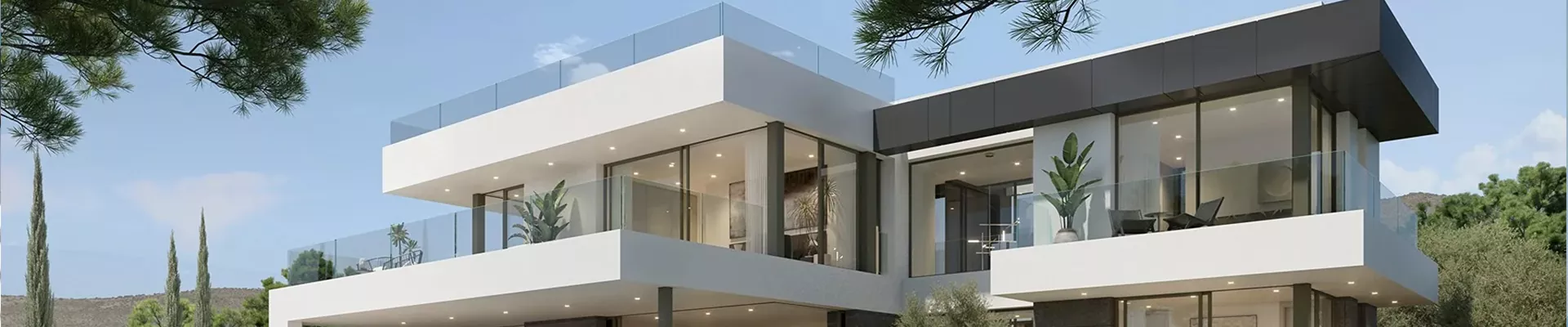
China Tempered Glass Door Manufacturer, Supplier, Factory
A tempered glass door represents the pinnacle of modern entryway design, blending robust safety with crystalline transparency. For projects demanding lightweight resilience, the Aluminum Frame Glass Door delivers a sleek, corrosion-resistant profile suitable for coastal condominiums and urban storefronts. In settings requiring uncompromising structural integrity, the Stainless Steel Frame Glass Door stands up to heavy daily use with a polished or brushed finish that maintains its luster. The Safety Tempered Glass Door prioritizes occupant protection through heat-strengthened fabrication that crumbles into harmless pebbles on the rare occasion of breakage. For a dramatic, uninterrupted view, the Full Glass Entry Door floods interiors with natural light while eliminating bulky framing, making tight spaces feel expansive. Each of these solutions leverages the same core tempered glass technology, heat-soaked and calibrated to meet stringent deflection limits.
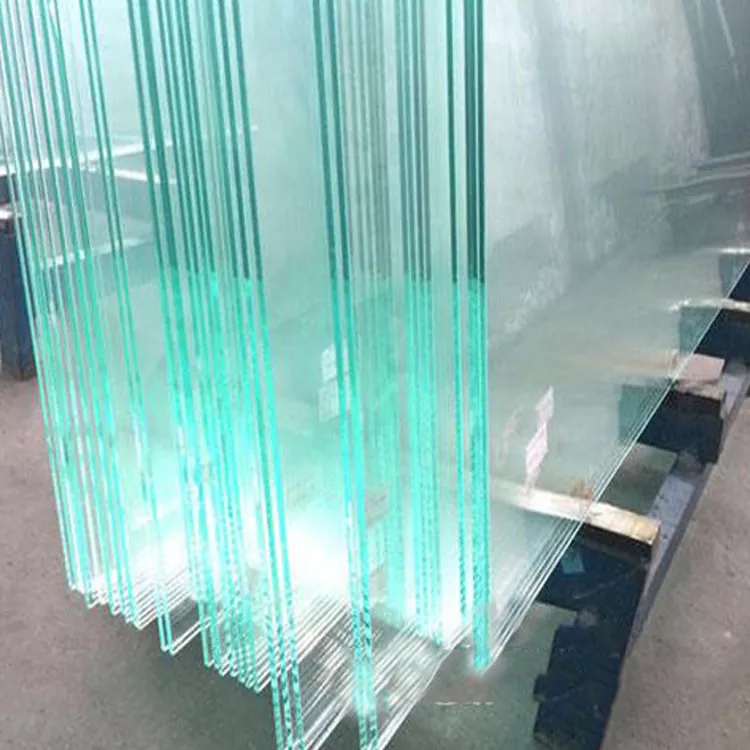
The Tempered Glass Door is engineered with meticulous attention to flatness, edgework, and optical purity. Raw float glass is cut to precise dimensions, then conveyed through a tempering furnace where it reaches over 600°C before being rapidly quenched by high-velocity air jets. This process induces a compressive surface layer exceeding 10,000 psi, roughly four to five times stronger than annealed glass of identical thickness. The resulting panel resists thermal stress from direct sunlight, accidental impact from furniture or debris, and cyclic wind loading without warping. Below is a breakdown of core physical characteristics and available configurations that architects and contractors find essential during specification.
- Substrate: Low-iron or clear soda-lime float glass with rolled, polished, or patterned surface options
- Edge treatment: Flat polished, pencil ground, or beveled edges with 1 mm max chip tolerance
- Fragment compliance: Maximum particle weight and count per ANSI Z97.1 and EN 12150-1
- Thermal shock resistance: Withstands sudden temperature differentials up to 200°C
- Hole and notch placement: CNC-drilled before tempering, minimum 6 mm from any edge
- Coating compatibility: Post-temperable pyrolytic low-E or ceramic frit for solar control
| Parameter | Specification |
|---|---|
| Standard Thickness | 6 mm, 8 mm, 10 mm, 12 mm (1/4" to 1/2") |
| Custom Thickness Range | 4 mm to 19 mm upon request |
| Maximum Panel Size | 2,440 mm × 4,800 mm (larger with multi-panel assembly) |
| Visible Light Transmission | 89% (clear), 72% (low-iron), variable with tint |
| Surface Compression | ≥ 10,000 psi per ASTM C1048 |
| Bow and Roller Wave | ≤ 0.3% of edge length (standard flatness) |
| Impact Class | IBC Class A, CPSC Cat. II, or custom CPD ratings |
| Hinge Cutout Tolerance | ± 1.5 mm position, ± 0.5 mm diameter |
| Sound Transmission Class | 28 to 35 STC dependent on thickness and lamination |
| U-Factor (Non-Coated) | 1.0 to 1.2 W/m²K at center of glass |
Dimensional accuracy is critical for the Tempered Glass Door to mate seamlessly with top-hung or bottom-rolling hardware. Each leaf undergoes laser-guided measurement to confirm diagonal squareness within 2 mm per meter of panel length. Roller wave distortion, a common artifact of horizontal tempering, is suppressed below 0.12 mm peak-to-valley across the vision area, preserving undistorted reflections. Cutting, notching, and edge arris removal occur before the tempering cycle because any post-temper mechanical alteration would cause immediate fracture of the entire panel. For active storefronts or high-traffic corridors, we offer a heat soak option: panels are held at 290°C for four hours to virtually eliminate the risk of spontaneous nickel sulfide inclusion failure, a protocol outlined in EN 14179-1. The glass can further be combined with transparent PVB or ionoplast interlayers to create laminated tempered assemblies that retain structural integrity even after a pane is shattered, important for overhead or balustrade applications adjacent to door openings.
Related Products
Hot Products
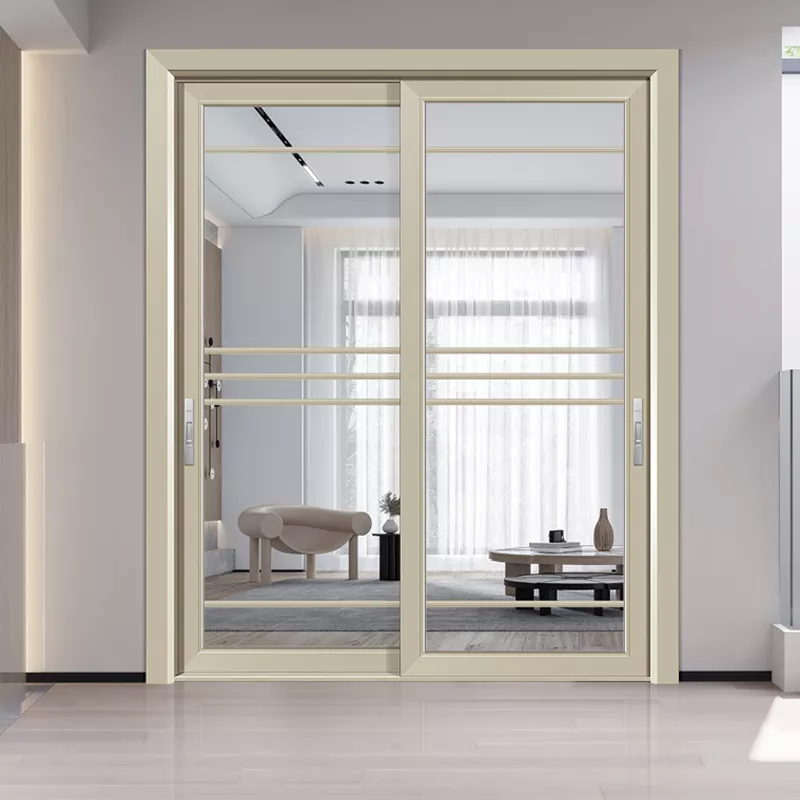
Interior Aluminum Alloy Door
Duoping is a professional manufacturer and supplier of interior aluminum alloy doors, with advanced processing technology and strict quality control. It provides customized solutions featuring sound insulation, durability and modern looks, suitable for residential and commercial spaces. Wholesale orders are available, along with reliable after-sales service to meet diverse user needs.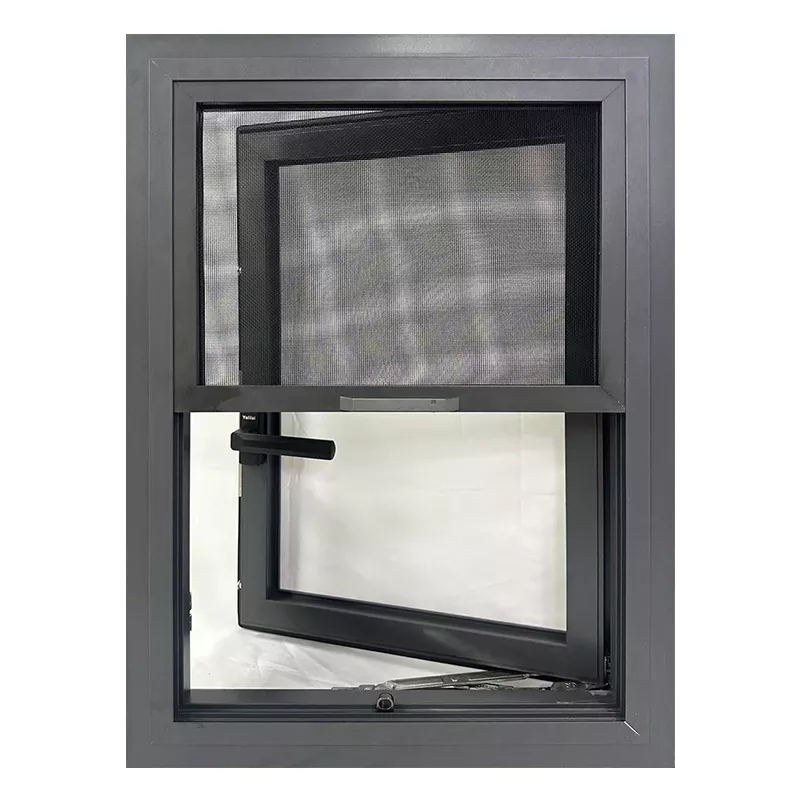
Powder coated Aluminum Alloy Windows
Duoping excels as a professional manufacturer and supplier of powder coated aluminum alloy windows, with advanced electrostatic powder coating technology and strict quality control. This product features customizable colors, strong wear and corrosion resistance, ideal for home and commercial use. We support customized designs and welcome wholesale orders, providing cost-effective window solutions for various construction projects.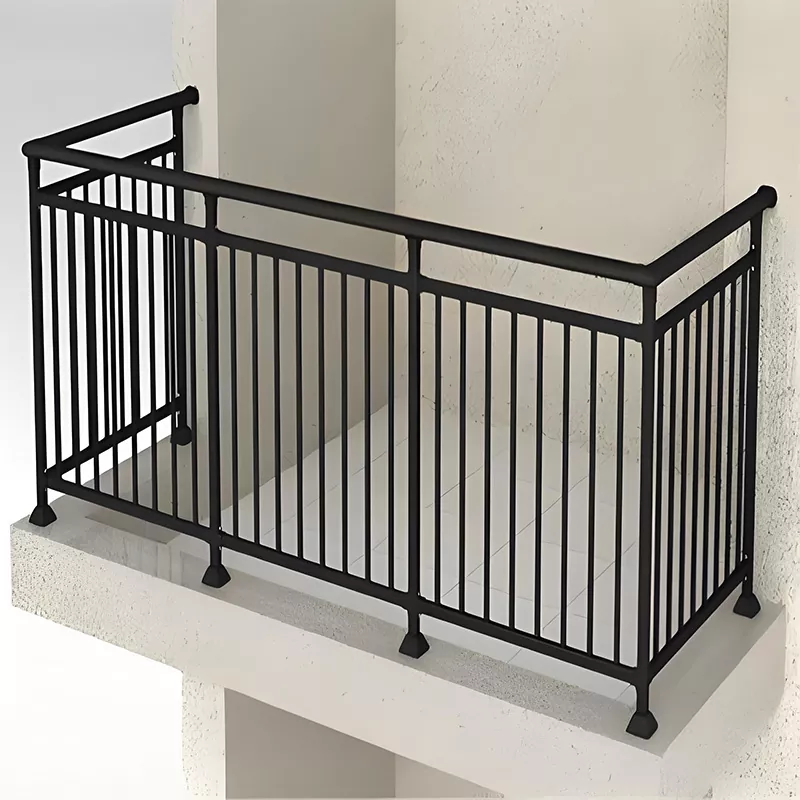
Aluminum Alloy Railings
Duoping is a professional manufacturer and supplier of aluminum alloy railings, with advanced surface treatment and strict quality control. These railings feature lightweight structure, corrosion resistance and long service life, suitable for balconies, stairs and municipal projects. We support customized designs and welcome wholesale orders, providing reliable protection solutions for various construction needs.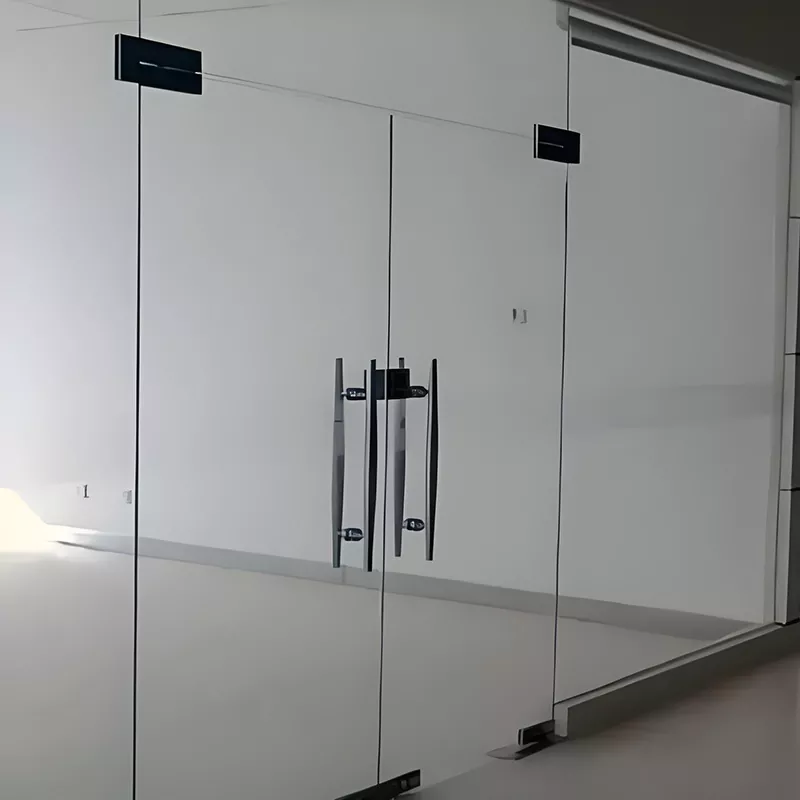
Glass Door
Duoping is a professional supplier and manufacturer of glass doors, with advanced tempered glass processing and precision frame design technologies to ensure high quality. Its glass doors are safe, sturdy and versatile, with excellent light transmission, widely used in commercial, residential and office scenarios. The company offers customized solutions, wholesale services and strict quality control, with nationwide delivery and comprehensive after-sales support.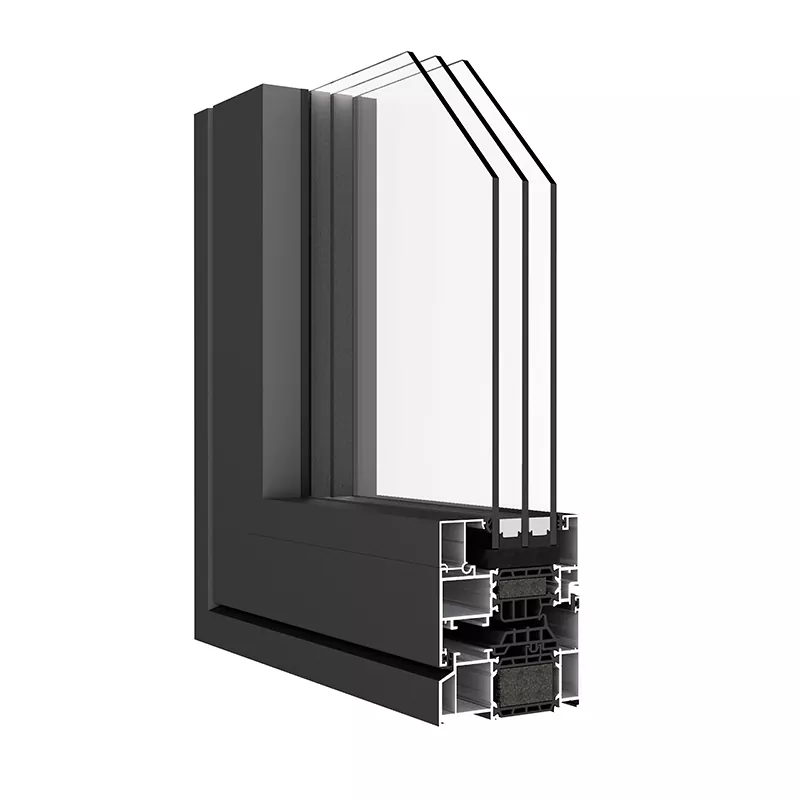
Energy-saving Windows
As a professional manufacturer and supplier, Duoping specializes in energy-saving windows, integrating advanced Low-E insulated glass and multi-layer thermal insulation sealing technology. With excellent thermal insulation performance and low energy consumption, these windows are widely used in residential, office and hotel projects. We offer customized services for glass, frames and opening methods, accept wholesale orders, and deliver high-quality, energy-efficient window solutions for various construction needs.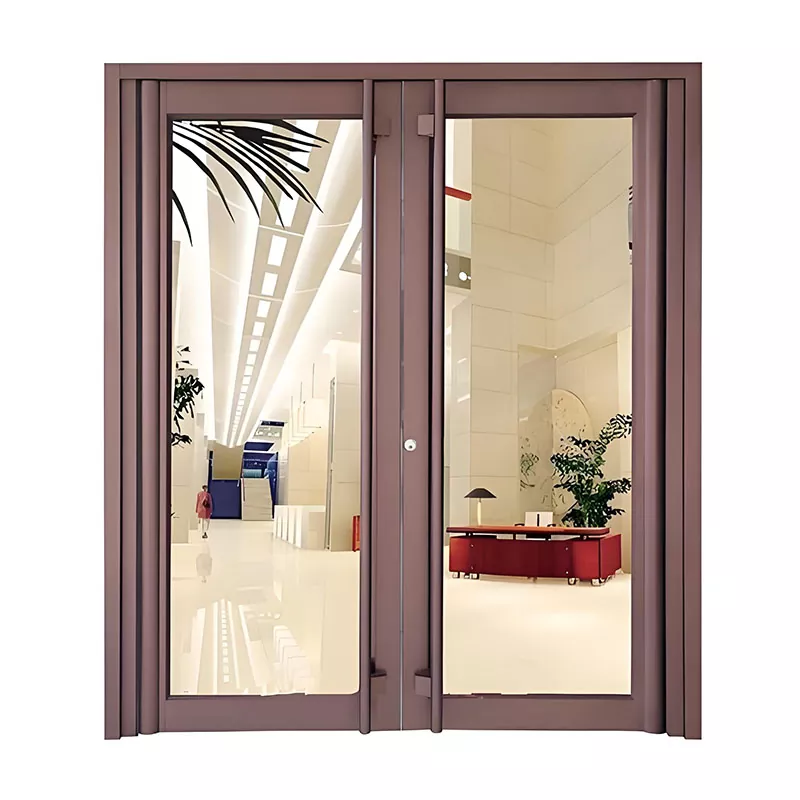
KFC Door
Shandong Duoping New Material Co., Ltd. is a professional R&D, production and supplier of high-end KFC doors. With years of deep cultivation in the door and window building materials industry, relying on core technologies of aluminum alloy precision processing and sealing craftsmanship, we create KFC door products featuring durability, permeability and anti-theft performance. Our products are widely applicable to shops, restaurants, convenience stores and other scenarios, and are sold nationwide and overseas. We sincerely look forward to working with you and becoming your reliable partner for door and window building materials in China.
- Related Blog
- Reviews

Related Search
Send Inquiry
-
E-mail
X
We use cookies to offer you a better browsing experience, analyze site traffic and personalize content. By using this site, you agree to our use of cookies.
Privacy Policy
News
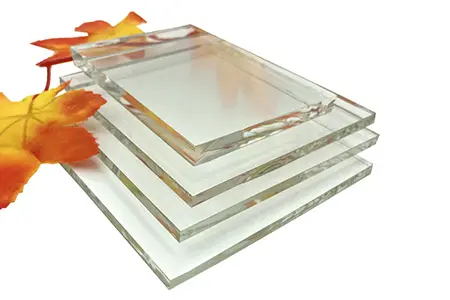 Explaining the key points and safety guidelines for installing white glass2026/01/28
During the installation process, precise operation and detailed handling are particularly crucial. For the installation of white glass in different scenarios, differentiated specifications must be followed. When installing white glass for doors and windows, the glass surface orientation must comply ......
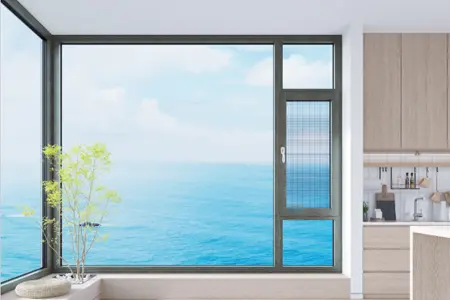 Know these 6 key indicators of aluminum alloy door and window materials!2026/01/28
The series number indicates the thickness of the door frame in millimeters. Aluminum alloy sliding doors are available in 70 and 90 series; the 70 series is sufficient for interior residential aluminum alloy sliding doors.