 English
 Español
  Português
  русский
  Français
  日本語
日本語  Deutsch
  tiếng Việt
  Italiano
  Nederlands
  ภาษาไทย
  Polski
  한국어
한국어  Svenska
  magyar
  Malay
Malay  বাংলা ভাষার
  Dansk
Dansk  Suomi
Suomi  हिन्दी
  Pilipino
  Türkçe
  Gaeilge
  العربية
  Indonesia
  Norsk
Norsk  تمل
تمل  český
český  ελληνικά
  український
  Javanese
  فارسی
فارسی  தமிழ்
தமிழ்  తెలుగు
  नेपाली
  Burmese
  български
  ລາວ
ລາວ  Latine
  Қазақша
  Euskal
  Azərbaycan
  Slovenský jazyk
  Македонски
  Lietuvos
  Eesti Keel
  Română
  Slovenski
  मराठी
मराठी  Srpski језик

Call Us
+86-15805363117
Email Us
dopinew@gmail.com
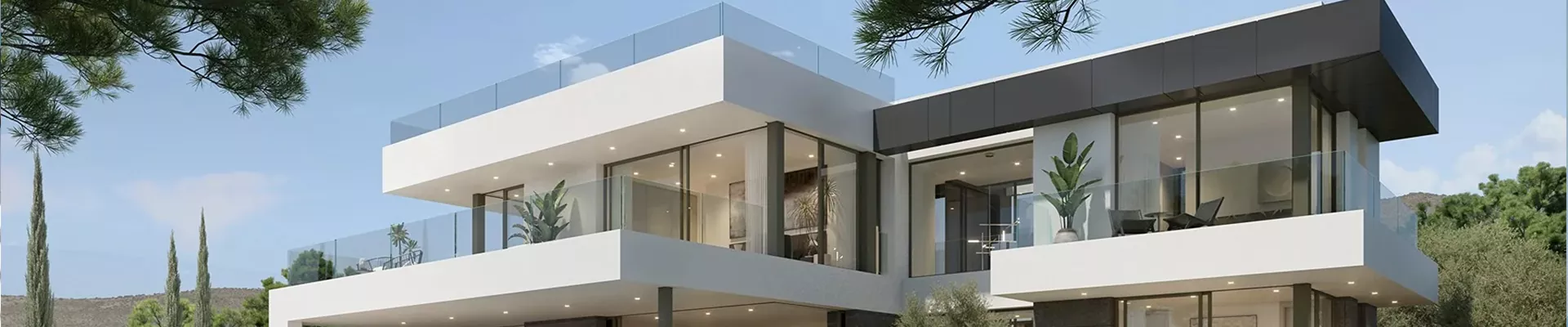
Aluminum Alloy Sensor Door
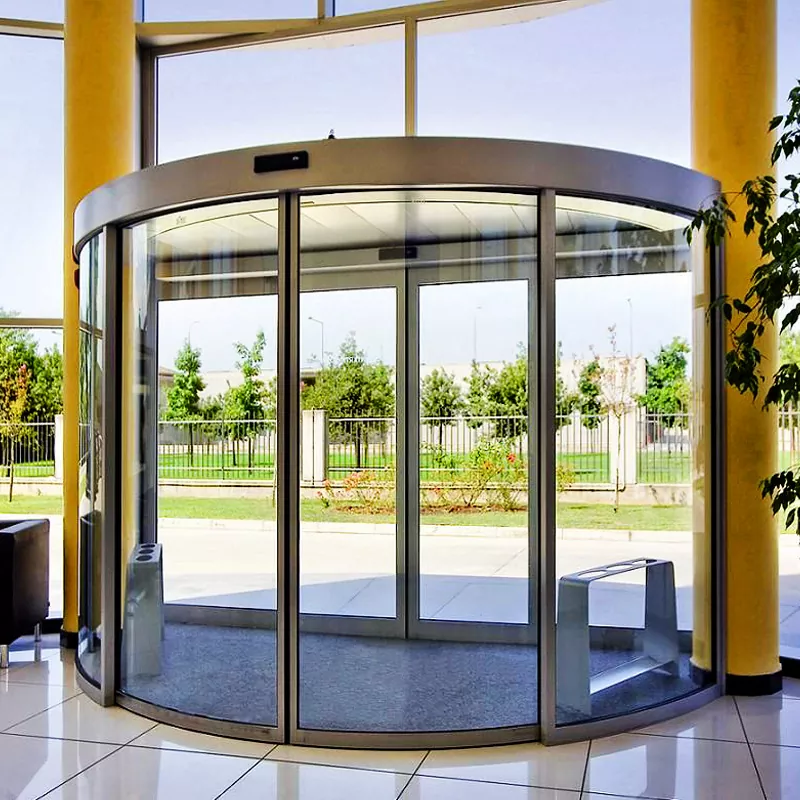
In modern architectural design and access control, the Aluminum Alloy Sensor Door stands as a pillar of durability and precision. Crafted from high-grade 6063-T5 aluminum profiles, this door system delivers exceptional corrosion resistance and structural stability, making it suitable for hospitals, laboratories, office lobbies, and retail entrances. Its seamless integration with advanced motion and presence sensors ensures swift touch-free operation, reducing physical contact points and enhancing hygiene. Within our broader portfolio, specialized configurations such as the Infrared Automatic Sensor Door offer targeted detection zones ideal for cleanrooms and isolation wards, while the Commercial Automatic Sensor Door variant is engineered for heavy daily footfall in supermarkets and shopping malls, featuring reinforced tracks and rapid opening cycles. For projects demanding a sleek visual statement, our Tempered Glass Sensor Door combines the same aluminum alloy frame with full-glass panels, maximizing natural light transmission while maintaining safety compliance. Meanwhile, the Intelligent Automatic Sensor Door leverages adaptive learning algorithms to adjust opening speeds and hold-open times based on real-time traffic patterns, representing the frontier of automated entry systems. Each model shares the core aluminum alloy chassis but is tailored to distinct operational environments, giving architects and facility managers the flexibility to choose a solution that precisely matches usage intensity, aesthetic preferences, and budget parameters without compromising on dependable sensor activation or energy-efficient closing mechanisms.
The Aluminum Alloy Sensor Door incorporates a meticulously engineered hardware package centered on performance and longevity. The door leaf is constructed from extruded aluminum profiles with a wall thickness of 2.0 mm, assembled using reinforced corner brackets and capable of accommodating inserts such as 10 mm tempered glass, aluminum honeycomb panels, or acrylic sheets. Its drive unit employs a DC brushless motor delivering a peak torque of 45 Nm, paired with a microprocessor controller that supports multiple activation modes: radar only, active infrared only, combined dual-technology, and push-button override. Ingress protection for the motor assembly is rated at IP54, safeguarding against dust and splashing water, while the sensor head carries an IP65 rating for outdoor vestibule installations. Noise levels during operation remain below 48 dB, meeting the acoustic requirements of quiet environments such as medical consulting rooms and executive offices. Safety is addressed through an integrated obstacle detection system that instantly reverses door movement upon contact or beam interruption, complemented by a fail-safe battery backup capable of sustaining 150 open-close cycles during power outages.
Key specifications of the standard Aluminum Alloy Sensor Door configuration are summarized in the following list and table for quick reference:
- Frame material: 6063-T5 aluminum alloy with anodized silver or powder-coated finish (custom RAL colors available)
- Door weight capacity: up to 150 kg per leaf for single sliding, 120 kg per leaf for bi-parting
- Opening speed: adjustable from 200 mm/s to 600 mm/s; closing speed from 150 mm/s to 400 mm/s
- Sensor detection range: 4.0 m x 2.0 m (microwave) with adjustable sensitivity; active infrared presence zone up to 2.0 m height
- Power supply: 100-240 V AC, 50/60 Hz, with 24 V DC control circuit
- Environmental operating range: -20 °C to +55 °C
- Certifications: CE, RoHS, and compliance with EN 16005 safety standards
| Parameter | Detail |
|---|---|
| Clear opening width | 700 mm – 3000 mm (single slide); 1400 mm – 4000 mm (bi‑parting) |
| Header beam dimensions | 150 mm x 200 mm extruded aluminum profile |
| Track system | Stainless steel reinforced nylon roller assembly with low-friction linear guide |
| Standby power consumption | Less than 5 W |
| Hold-open time | 0 – 60 seconds, configurable via digital display or remote programmer |
| Emergency breakout | Enabled by anti-panic push-bar or outward swinging side panels |
| Sealing performance | Double EPDM gaskets along bottom and vertical edges, air infiltration < 2.5 m³/h·m² at 100 Pa |
| Control interface | Dry contact, wireless remote, or RS485 integration for building management systems |
Installation of the Aluminum Alloy Sensor Door is streamlined through pre-assembled header units and adjustable floor guides, allowing mounting on load-bearing walls or steel transom constructions with minimal on-site fabrication. Maintenance requirements are limited to quarterly inspection of rollers and cleaning of sensor lenses, ensuring consistent performance over a projected lifecycle exceeding 1,000,000 cycles. Through detailed attention to material selection and drive engineering, this door provides a reliable, long-term access solution that holds its operational parameters in demanding commercial and institutional settings.
Related Products
Hot Products
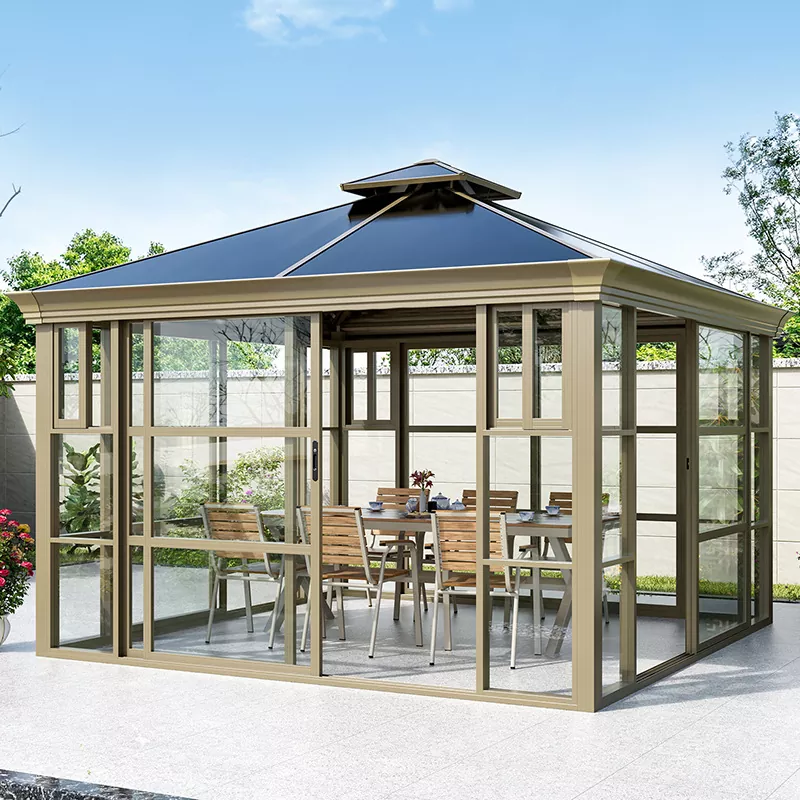
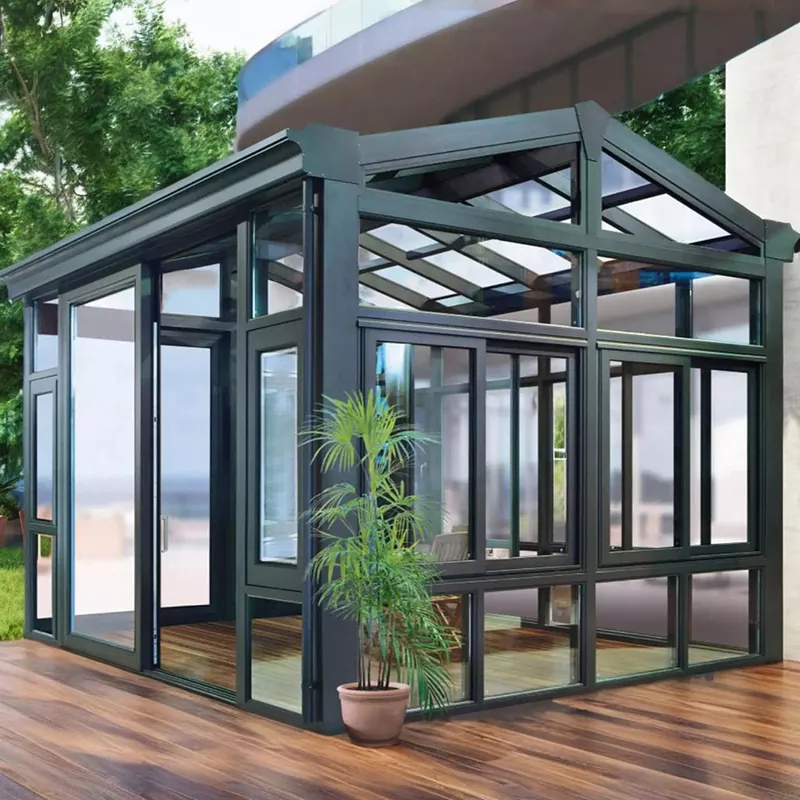
Wooden Sunroom
Duoping excels in manufacturing wooden sunrooms with advanced wood processing and anti-corrosion technologies. As a professional supplier, it provides customized solutions featuring natural aesthetics, eco-friendliness and durability, suitable for villas and high-end residences. Wholesale orders are supported, with reliable after-sales service and a service life of 12–15 years for outdoor use.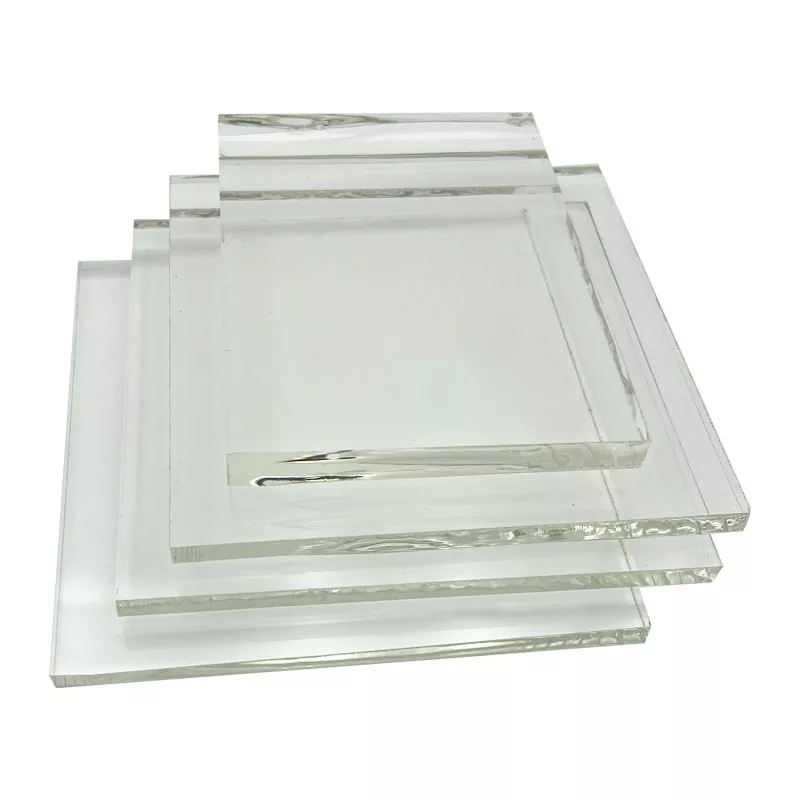
Clear Glass
Duoping stands as a reliable manufacturer and supplier of high-quality clear glass with advanced processing technologies. This product features uniform light transmittance and reliable strength, suitable for architectural and home decoration scenarios. We provide customized sizes and processes, with strict quality control to ensure stable performance. Wholesale orders are welcome, delivering cost-effective solutions for global project procurement.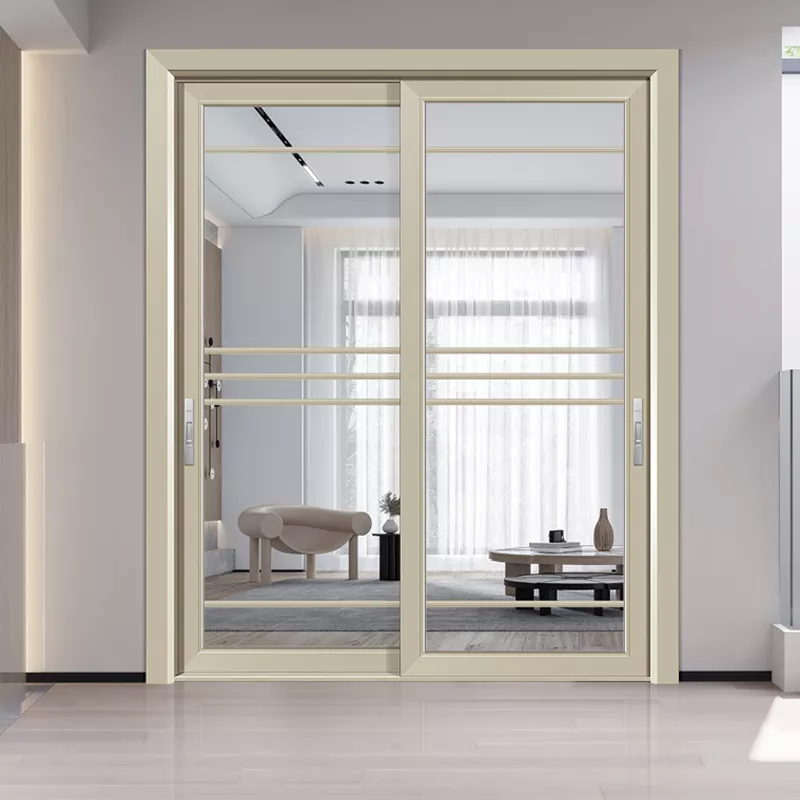
Interior Aluminum Alloy Door
Duoping is a professional manufacturer and supplier of interior aluminum alloy doors, with advanced processing technology and strict quality control. It provides customized solutions featuring sound insulation, durability and modern looks, suitable for residential and commercial spaces. Wholesale orders are available, along with reliable after-sales service to meet diverse user needs.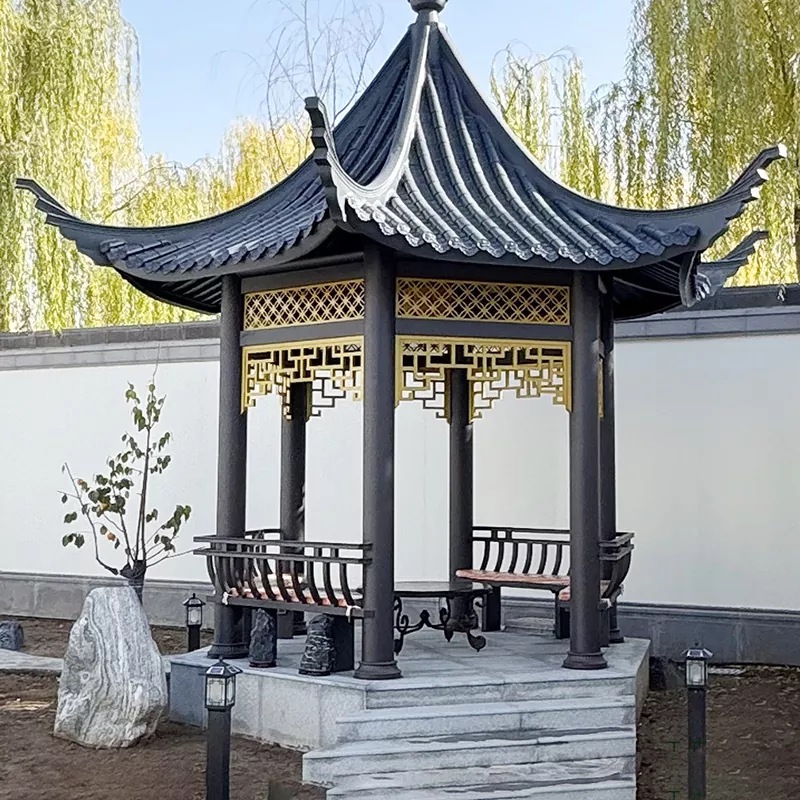
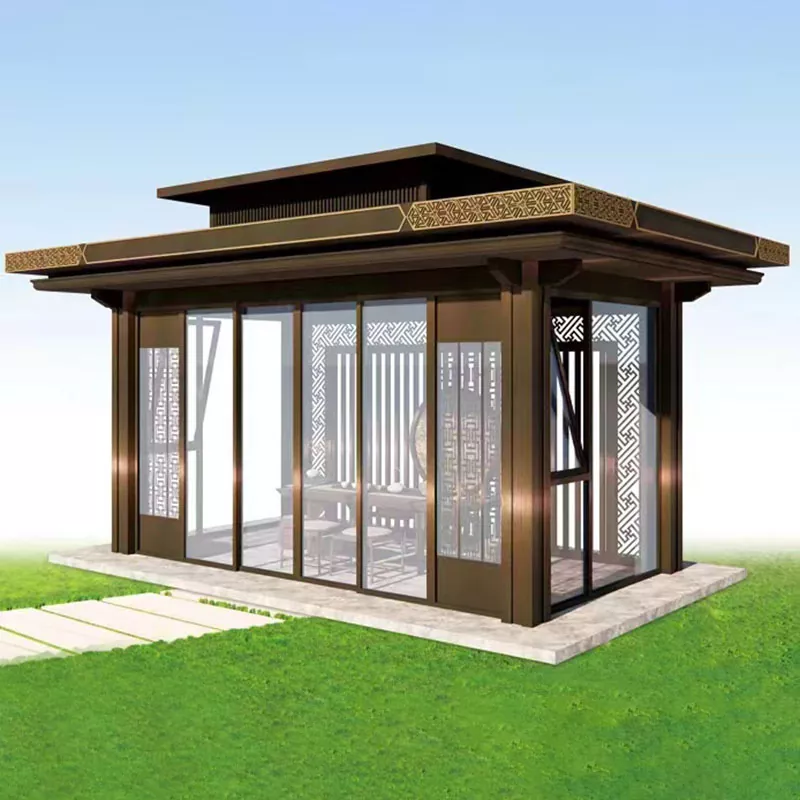
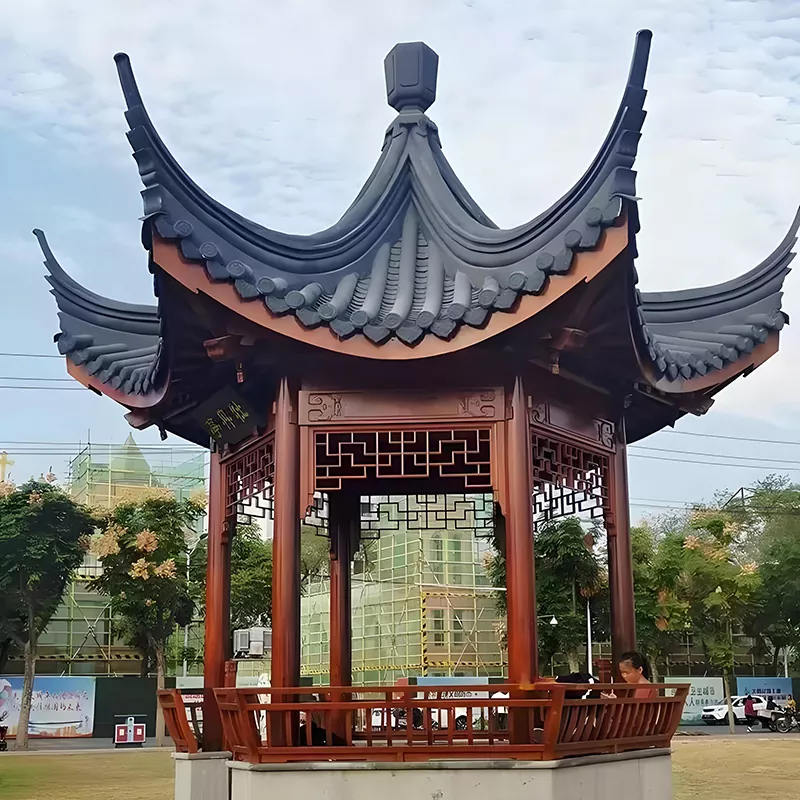
Traditional Architectural Pavilions
Shandong Duoping New Material Technology Co., Ltd., a professional manufacturer and supplier of Traditional Architectural Pavilions, boasts senior ancient architecture craftsmen and advanced production capacity. Its Traditional Architectural Pavilions combine traditional mortise and tenon craftsmanship with modern anti-corrosion technology, ensuring excellent Quality, and supporting wholesale and customized services for various ancient-style landscape procurement needs.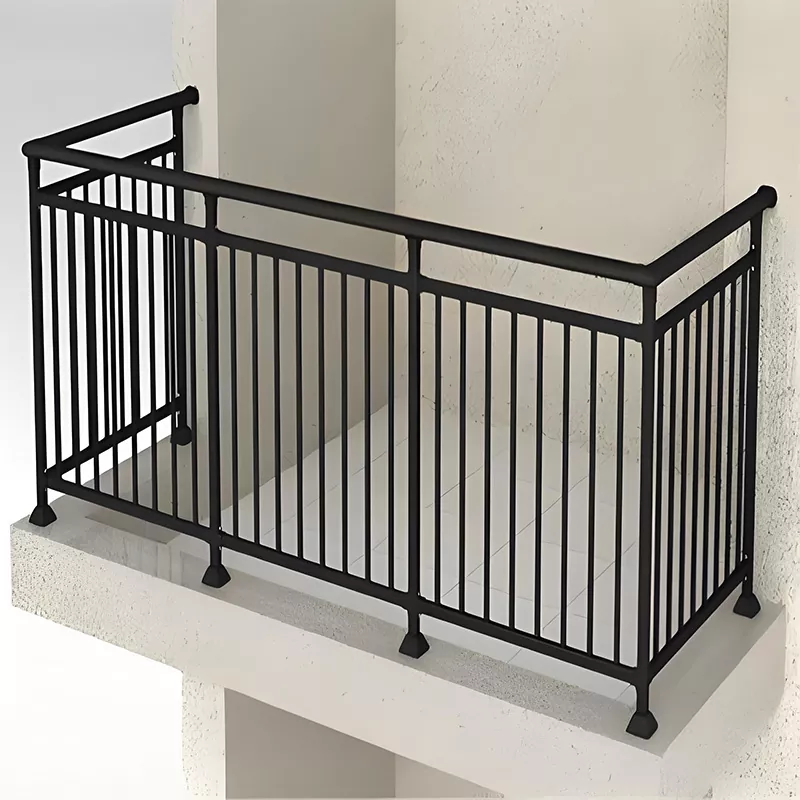
Aluminum Alloy Railings
Duoping is a professional manufacturer and supplier of aluminum alloy railings, with advanced surface treatment and strict quality control. These railings feature lightweight structure, corrosion resistance and long service life, suitable for balconies, stairs and municipal projects. We support customized designs and welcome wholesale orders, providing reliable protection solutions for various construction needs.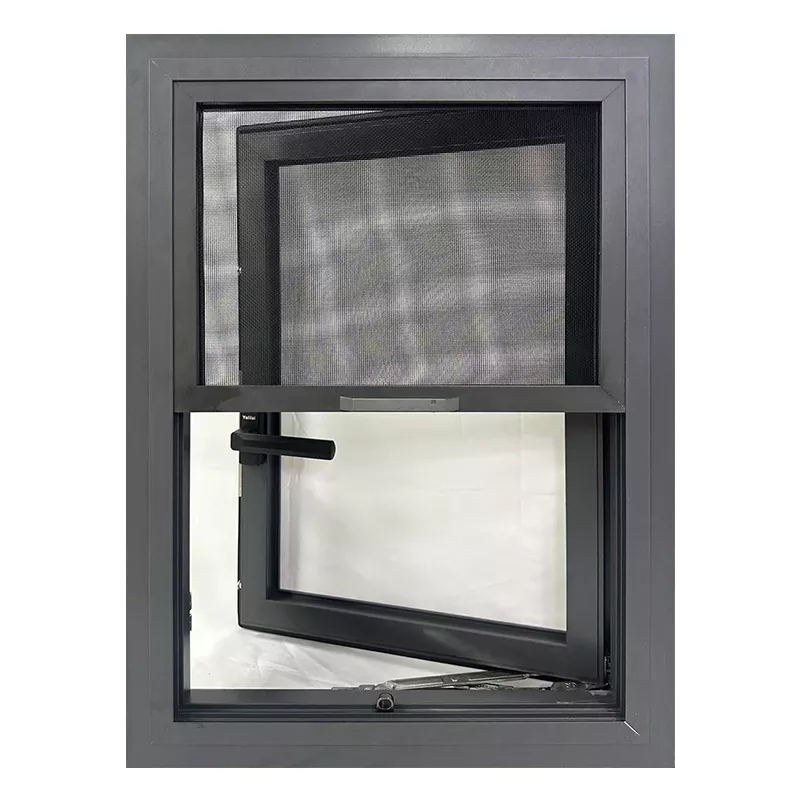
Powder coated Aluminum Alloy Windows
Duoping excels as a professional manufacturer and supplier of powder coated aluminum alloy windows, with advanced electrostatic powder coating technology and strict quality control. This product features customizable colors, strong wear and corrosion resistance, ideal for home and commercial use. We support customized designs and welcome wholesale orders, providing cost-effective window solutions for various construction projects.
- Related Blog
- Reviews

Send Inquiry
-
E-mail
X
We use cookies to offer you a better browsing experience, analyze site traffic and personalize content. By using this site, you agree to our use of cookies.
Privacy Policy
News
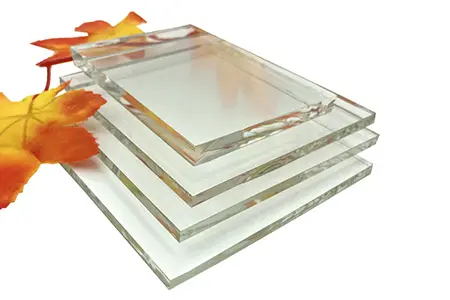 Explaining the key points and safety guidelines for installing white glass2026/01/28
During the installation process, precise operation and detailed handling are particularly crucial. For the installation of white glass in different scenarios, differentiated specifications must be followed. When installing white glass for doors and windows, the glass surface orientation must comply ......
 Know these 6 key indicators of aluminum alloy door and window materials!2026/01/28
The series number indicates the thickness of the door frame in millimeters. Aluminum alloy sliding doors are available in 70 and 90 series; the 70 series is sufficient for interior residential aluminum alloy sliding doors.