 English
 Español
  Português
  русский
  Français
  日本語
日本語  Deutsch
  tiếng Việt
  Italiano
  Nederlands
  ภาษาไทย
  Polski
  한국어
한국어  Svenska
  magyar
  Malay
Malay  বাংলা ভাষার
  Dansk
Dansk  Suomi
Suomi  हिन्दी
  Pilipino
  Türkçe
  Gaeilge
  العربية
  Indonesia
  Norsk
Norsk  تمل
تمل  český
český  ελληνικά
  український
  Javanese
  فارسی
فارسی  தமிழ்
தமிழ்  తెలుగు
  नेपाली
  Burmese
  български
  ລາວ
ລາວ  Latine
  Қазақша
  Euskal
  Azərbaycan
  Slovenský jazyk
  Македонски
  Lietuvos
  Eesti Keel
  Română
  Slovenski
  मराठी
मराठी  Srpski језик

Call Us
+86-15805363117
Email Us
dopinew@gmail.com
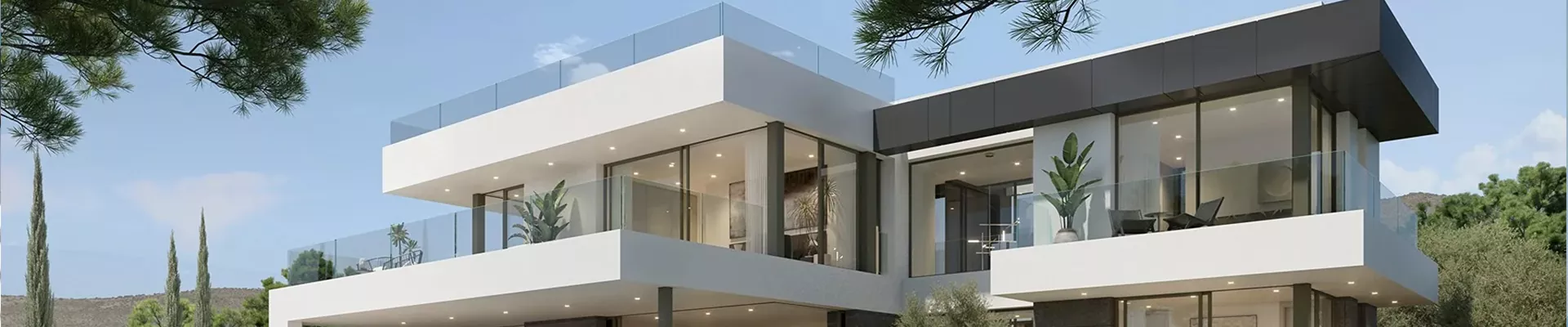
Infrared Automatic Sensor Door
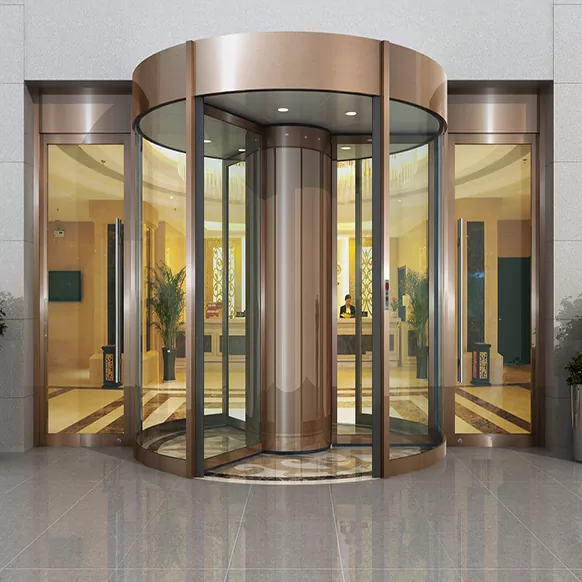
Infrared automatic sensor doors have become a cornerstone of modern access solutions, blending convenience, hygiene, and energy efficiency. As a specialist with deep industry knowledge, I can confirm that these systems rely on precise infrared technology to detect motion and trigger seamless opening. Our portfolio covers diverse architectural demands, from the rugged Commercial Automatic Sensor Door designed for high-traffic retail and office environments, to the elegant Tempered Glass Sensor Door that offers a sleek, transparent aesthetic without compromising safety. For projects requiring durability and corrosion resistance, the Aluminum Alloy Sensor Door provides a lightweight yet sturdy framework, while the next-generation Intelligent Automatic Sensor Door integrates smart connectivity and adaptive sensing for truly hands-free operation. Each model is engineered to meet stringent international standards, ensuring long-term reliability and smooth integration into any building management system.
The <产品名字> stands out through its exceptional technical specifications, making it a preferred choice for both new constructions and retrofits. The core sensing module utilizes dual-beam passive infrared technology with a detection range adjustable between 50 cm and 250 cm, and a field angle of up to 120 degrees, which virtually eliminates false triggers. Operational parameters are outlined below for clarity:
- Power supply: AC 100-240V, 50/60Hz; optional DC 24V backup
- Motor type: Brushless DC with soft-start and soft-stop, rated for 1 million cycles
- Opening speed: 30 cm/s to 100 cm/s (variable, dep ending on door weight)
- Opening delay: 0 to 60 seconds, programmable
- Safety features: Infrared safety beam, obstruction detection with automatic reversal
- Operating temperature: -20°C to +55°C with humidity resistance up to 85% RH
- Noise level: ≤55 dB during operation
- Compliance: CE, ROHS, and local electromagnetic compatibility directives
A concise side-by-side comparison of select models within this family helps to identify the right configuration:
| Parameter | Standard Model | Heavy-Duty Variant | Outdoor Ready |
|---|---|---|---|
| Max door weight | 120 kg | 200 kg | 150 kg |
| Clear opening width | 700–1500 mm | 900–2000 mm | 800–1600 mm |
| Ingress Protection | IP22 | IP42 | IP54 |
| Sensor redundancy | Single beam | Dual beam | Dual beam + microwave |
| Wireless module | Optional | Integrated | Integrated |
Installation of the <产品名字> is streamlined by modular components and clear diagnostics via LED indicators. Maintenance mainly involves keeping sensor lenses clean and checking the track every six months, a task that requires no specialized tools. With these attributes, the unit minimizes lifetime costs while elevating user experience in hospitals, hotels, airports, and commercial buildings.
Related Products
Hot Products
Glass Door
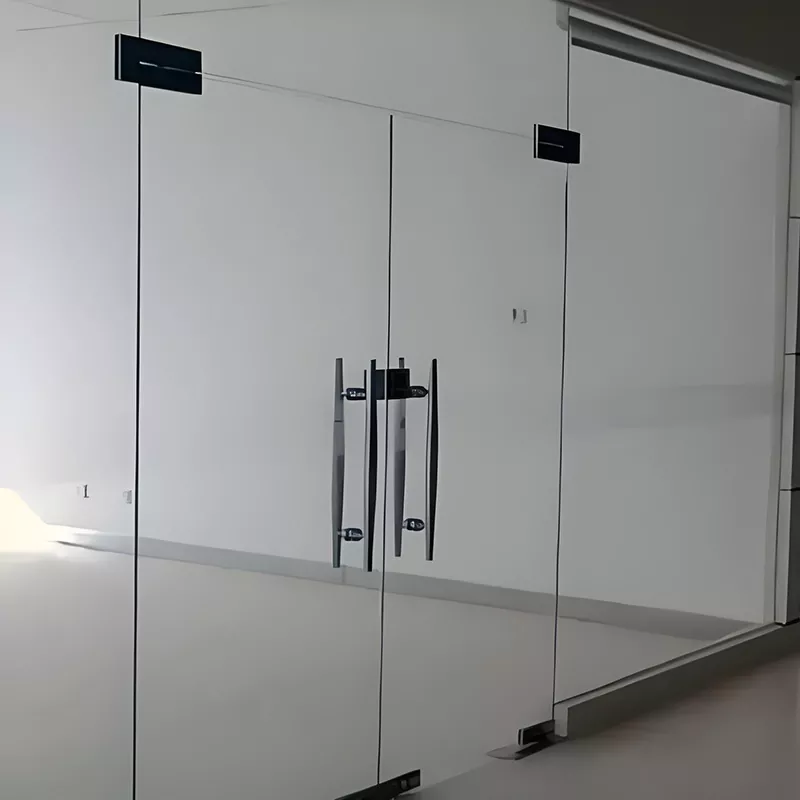
Duoping is a professional supplier and manufacturer of glass doors, with advanced tempered glass processing and precision frame design technologies to ensure high quality. Its glass doors are safe, sturdy and versatile, with excellent light transmission, widely used in commercial, residential and office scenarios. The company offers customized solutions, wholesale services and strict quality control, with nationwide delivery and comprehensive after-sales support.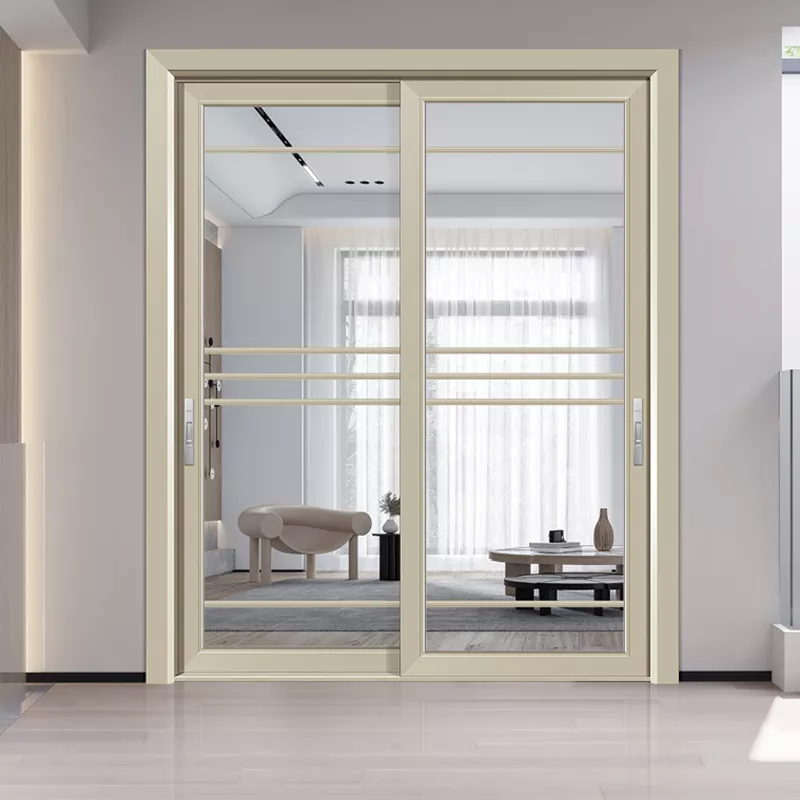
Interior Aluminum Alloy Door
Duoping is a professional manufacturer and supplier of interior aluminum alloy doors, with advanced processing technology and strict quality control. It provides customized solutions featuring sound insulation, durability and modern looks, suitable for residential and commercial spaces. Wholesale orders are available, along with reliable after-sales service to meet diverse user needs.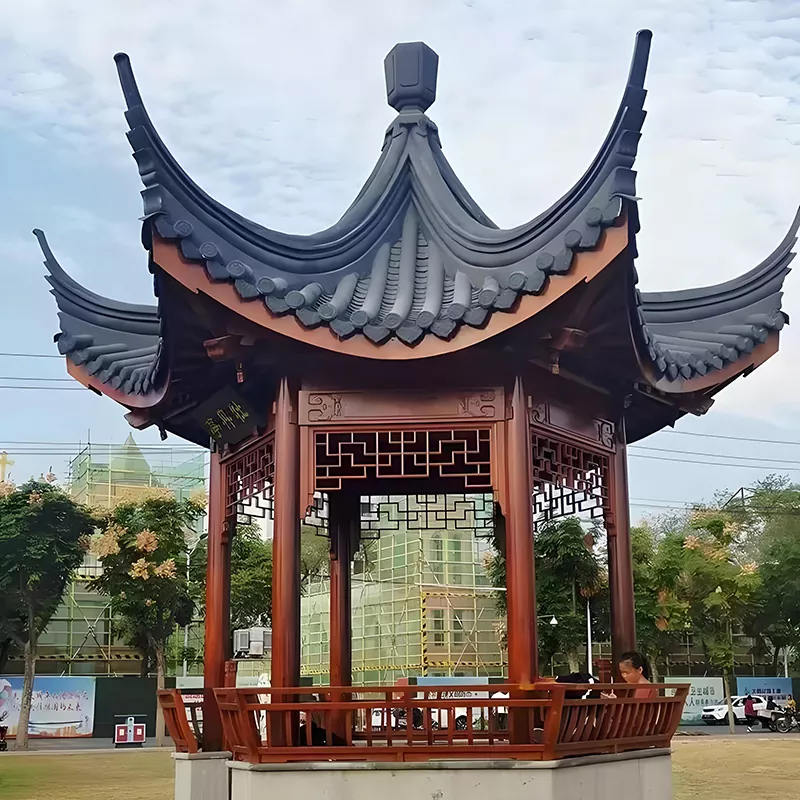
Huizhou-style Pavilions
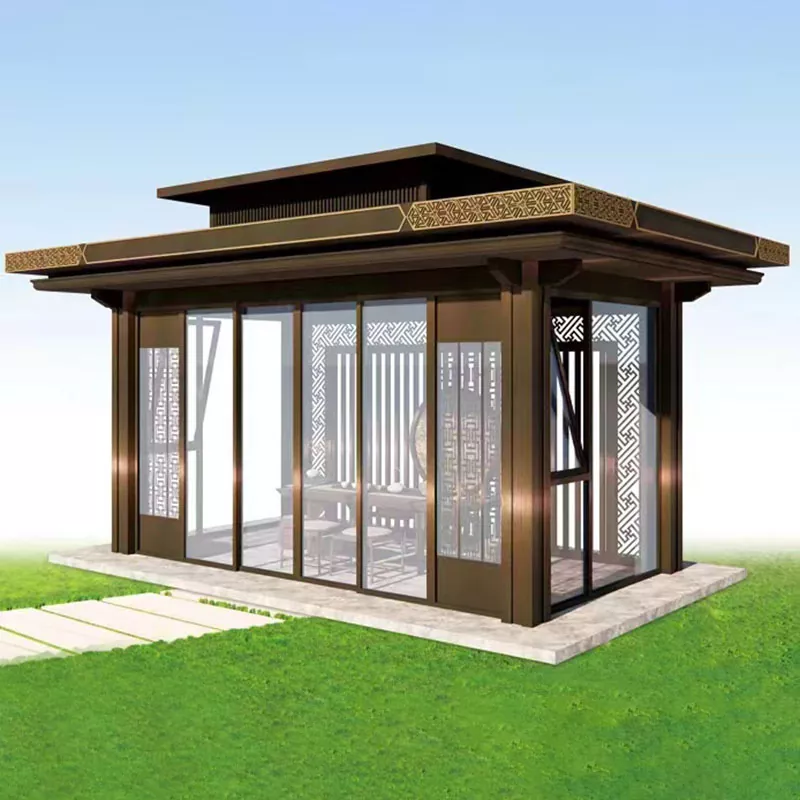
Duoping is a professional supplier and manufacturer of Huizhou-style pavilions, relying on traditional mortise-and-tenon craftsmanship and hand-carving technologies to ensure high quality. Its products integrate Huizhou architectural charm, durability and cultural texture, widely used in ancient scenic spots and Chinese-style scenarios. The company provides customized solutions, wholesale services and strict quality control, with nationwide delivery and comprehensive after-sales support.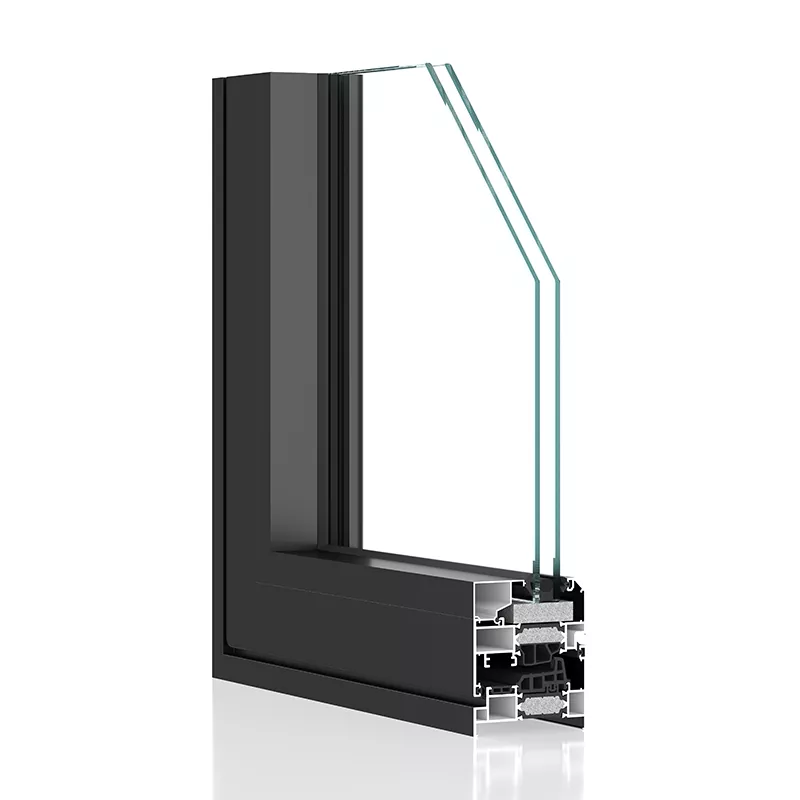
Soundproof Windows
Duoping is a professional manufacturer and supplier of soundproof windows, featuring advanced composite soundproof glass and multi-layer sealing technology. This product delivers ≥40dB sound insulation, ideal for noise-sensitive environments like streetside homes and laboratories. We support customized glass and frame designs, welcome wholesale orders, and provide reliable noise-reduction solutions for global construction projects.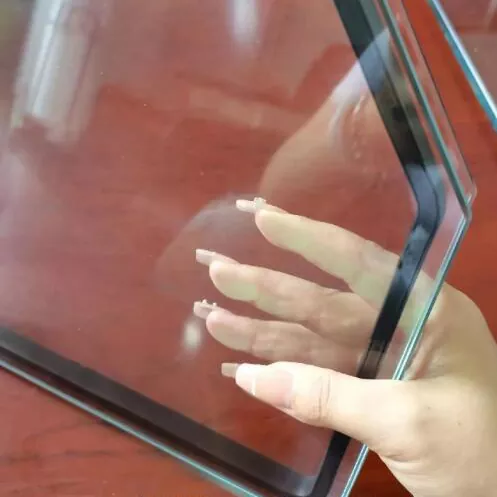
Flexible Warm edge Glass
Duoping stands as a professional manufacturer and supplier, delivering high-quality flexible warm edge glass with advanced polymer sealant technology. This product adapts to curved frames, eliminates cold bridges, and offers stable energy-saving performance for complex building projects. We provide customized solutions and welcome wholesale orders, serving retrofitting and cold-region construction needs with reliable quality.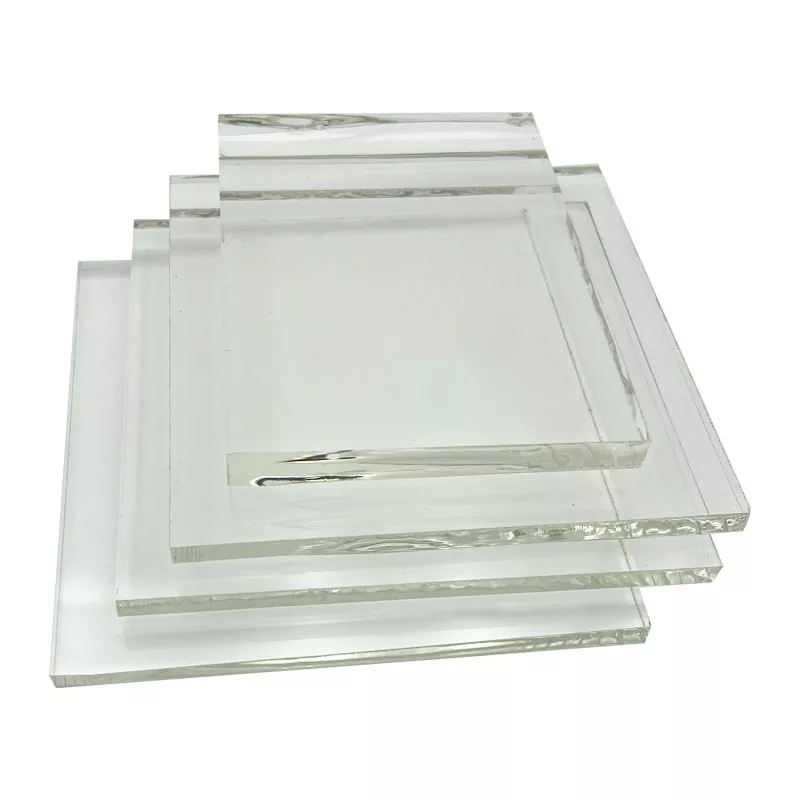
Clear Glass
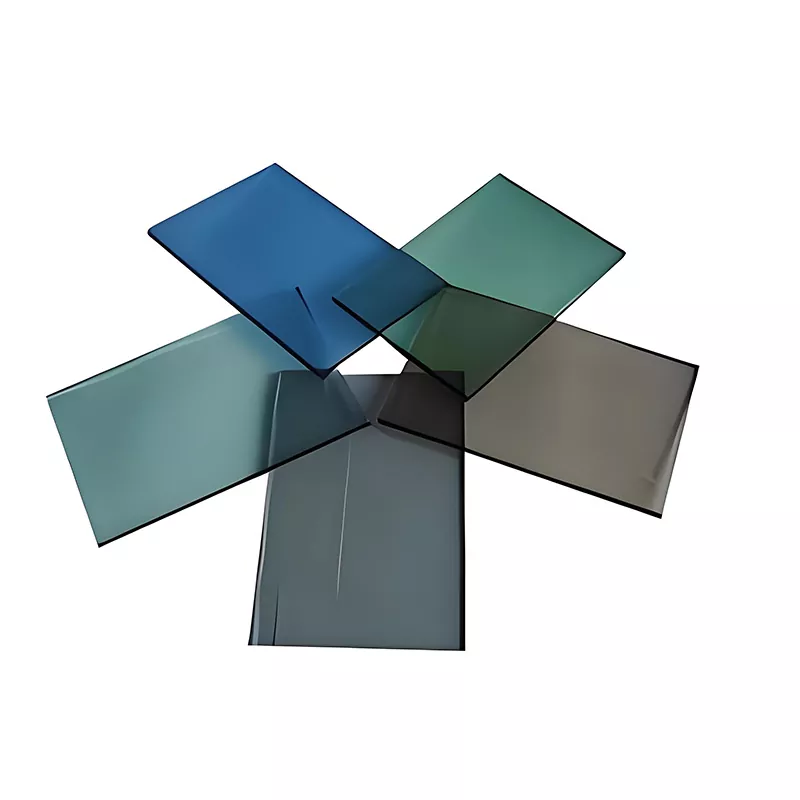
Duoping stands as a reliable manufacturer and supplier of high-quality clear glass with advanced processing technologies. This product features uniform light transmittance and reliable strength, suitable for architectural and home decoration scenarios. We provide customized sizes and processes, with strict quality control to ensure stable performance. Wholesale orders are welcome, delivering cost-effective solutions for global project procurement.
- Related Blog
- Reviews

Send Inquiry
-
E-mail
X
We use cookies to offer you a better browsing experience, analyze site traffic and personalize content. By using this site, you agree to our use of cookies.
Privacy Policy
News
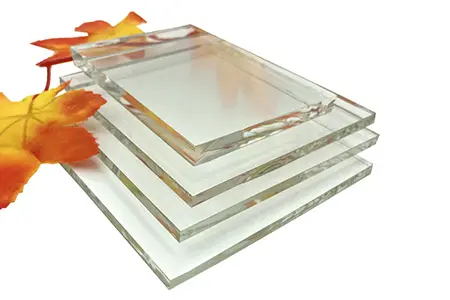 Explaining the key points and safety guidelines for installing white glass2026/01/28
During the installation process, precise operation and detailed handling are particularly crucial. For the installation of white glass in different scenarios, differentiated specifications must be followed. When installing white glass for doors and windows, the glass surface orientation must comply ......
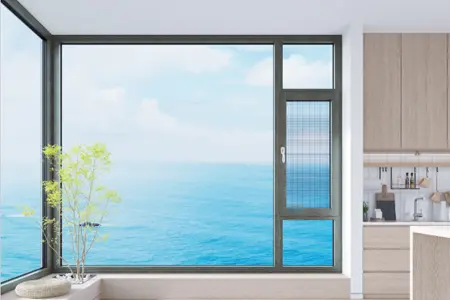 Know these 6 key indicators of aluminum alloy door and window materials!2026/01/28
The series number indicates the thickness of the door frame in millimeters. Aluminum alloy sliding doors are available in 70 and 90 series; the 70 series is sufficient for interior residential aluminum alloy sliding doors.