 English
 Español
  Português
  русский
  Français
  日本語
日本語  Deutsch
  tiếng Việt
  Italiano
  Nederlands
  ภาษาไทย
  Polski
  한국어
한국어  Svenska
  magyar
  Malay
Malay  বাংলা ভাষার
  Dansk
Dansk  Suomi
Suomi  हिन्दी
  Pilipino
  Türkçe
  Gaeilge
  العربية
  Indonesia
  Norsk
Norsk  تمل
تمل  český
český  ελληνικά
  український
  Javanese
  فارسی
فارسی  தமிழ்
தமிழ்  తెలుగు
  नेपाली
  Burmese
  български
  ລາວ
ລາວ  Latine
  Қазақша
  Euskal
  Azərbaycan
  Slovenský jazyk
  Македонски
  Lietuvos
  Eesti Keel
  Română
  Slovenski
  मराठी
मराठी  Srpski језик

Call Us
+86-15805363117
Email Us
dopinew@gmail.com
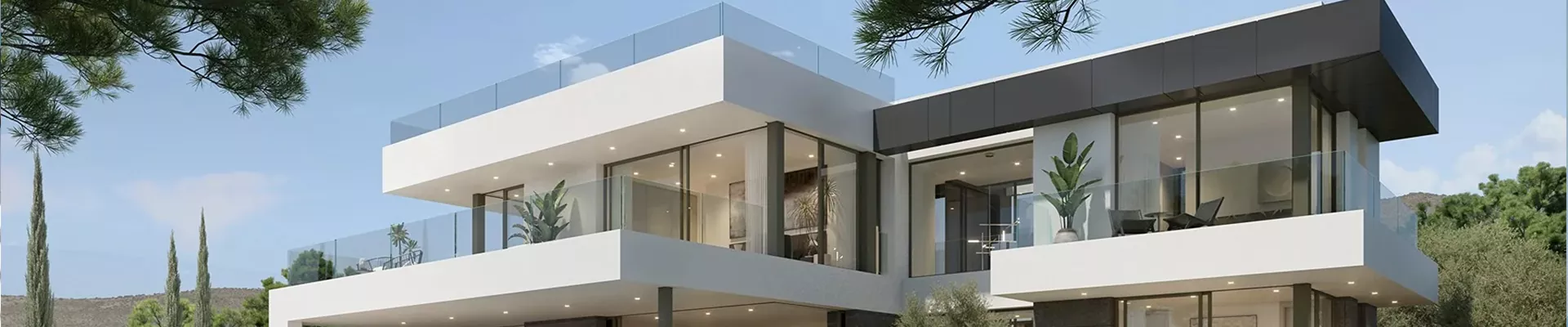
Architectural Grade Fluorocarbon Aluminum Windows
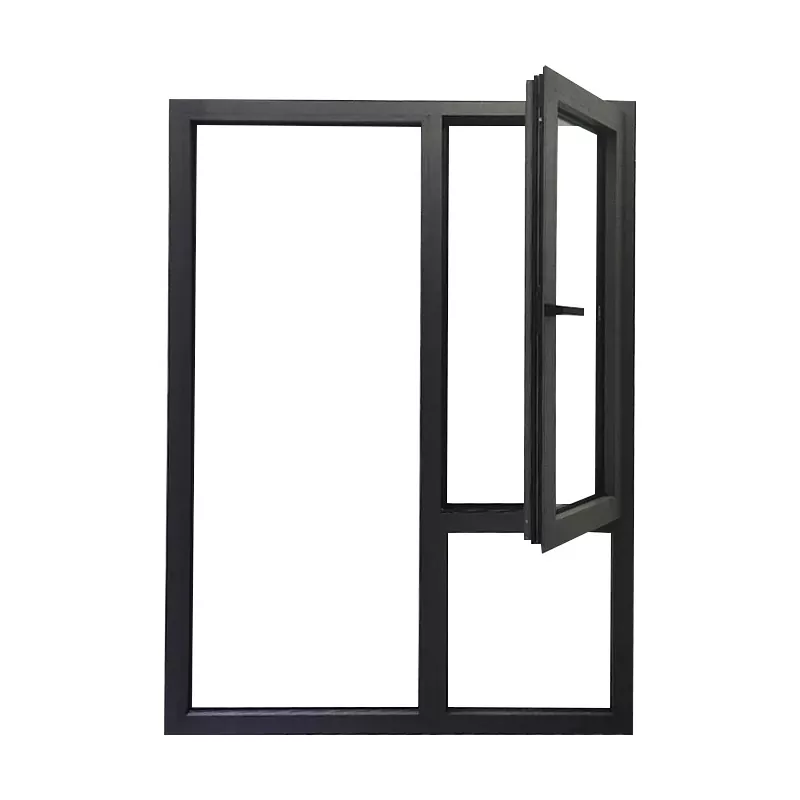
Architectural Grade Fluorocarbon Aluminum Windows represent a premier solution for modern building facades, blending cutting-edge material science with precise engineering. These window systems utilize a specialized fluorocarbon coating process, typically involving PVDF resin, to create a barrier that withstands relentless UV radiation, acid rain, salt spray, and industrial pollutants without degrading. The molecular structure of the fluorocarbon layer delivers exceptional color stability and gloss retention for decades, far exceeding the performance of conventional anodized or powder-coated aluminum. When you specify UV Resistant Fluorocarbon Coated Aluminum Windows, you are investing in a product engineered to maintain its visual appeal in harsh coastal or high-sunlight environments where lesser coatings would quickly fade or chalk. The advanced spray application method behind our Fluorocarbon Sprayed Aluminum Windows ensures a uniform, pinhole-free surface that bonds at a molecular level with the aluminum substrate, creating a monolithic shield that resists peeling, flaking, and cracking even under thermal cycling stress. For architects and developers focused on luxury residential towers, corporate headquarters, or boutique hospitality projects, our High-end Fluorocarbon Coated Aluminum Windows offer an unparalleled palette of custom colors and metallic finishes that meet the strictest aesthetic specifications while delivering building envelope performance that contributes to LEED certification. The operable configurations, particularly our Fluorocarbon Coated Aluminum Casement Windows, combine the corrosion-resistant properties of the fluorocarbon finish with multi-point locking hardware and heavy-duty friction stays, providing excellent natural ventilation without compromising the weathertight integrity of the exterior facade. Each frame and sash profile is precision-extruded from virgin aluminum alloy, then meticulously pretreated through a multi-stage chromate conversion process before the fluorocarbon topcoat is applied and oven-cured under strictly controlled conditions to achieve the specified dry film thickness.
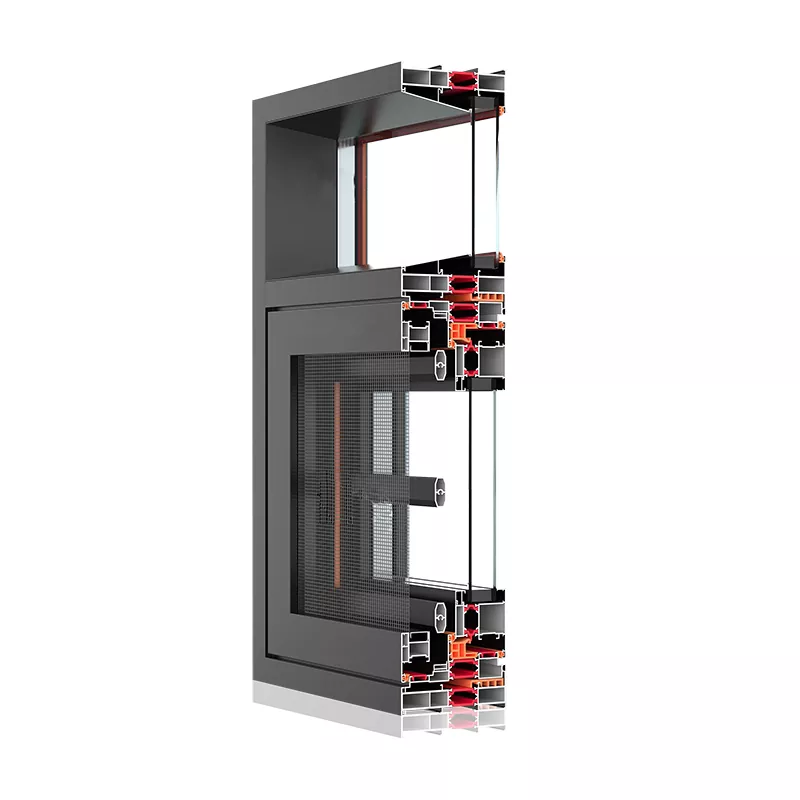
Architectural Grade Fluorocarbon Aluminum Windows are crafted to redefine the standard for thermal efficiency, structural integrity, and acoustic comfort in both new construction and retrofit applications. The core profiles feature a polyamide thermal break reinforced with glass fiber, typically available in widths from 20mm to 34mm depending on the required U-value target, which effectively disrupts the thermal bridging path through the metal, achieving overall system U-values as low as 1.8 W/m²K or better when paired with appropriate insulated glazing units. Glazing channels are engineered to accept triple-pane configurations up to 36mm thick, utilizing dual low-E coatings and argon or krypton gas fills to push thermal performance into passive house territory. The outer frame depth is standardized at 2.5 inches, with a sash depth of 2.875 inches, creating a robust cross-section that resists deflection under wind loads exceeding 60 PSF. Air infiltration rates are controlled to below 0.1 cfm/ft² at a static pressure differential of 1.57 PSF, while water penetration resistance is certified up to 15% of the design pressure, ensuring the interior remains dry even in driving rain conditions driven by hurricane-force winds. EPDM gaskets with a closed-cell foam core form a continuous dual-seal system around the entire perimeter, creating a compression-fit barrier that dampens vibration and reduces sound transmission with an STC rating ranging from 32 to 45 depending on glazing selection.
The five-chambered hollow extrusion design, with wall thicknesses meeting the 1.8mm nominal requirement for architectural applications, provides inherent stiffness while allowing for concealed drainage pathways that prevent standing water accumulation in the frame sill. The following table details the core performance parameters:
| Parameter | Specification |
|---|---|
| Frame Material | 6063-T5 Aluminum Alloy, Fluorocarbon (PVDF) Coated |
| Thermal Break | Polyamide 6.6 with 25% Glass Fiber Reinforcement, 24mm |
| Glazing Thickness Range | 24mm to 36mm |
| System U-Value | Down to 1.8 W/m²K |
| Air Permeability | Class 4 (EN 12207) / 0.02 cfm/ft² |
| Water Tightness | Class E900 (EN 12208) / 900 Pa |
| Wind Load Resistance | Class C5 (EN 12210) / 2000 Pa |
| Acoustic Performance | STC 32-45, OITC 28-38 |
Hardware integration follows a standardized European groove system with a 13mm channel that accommodates adjustable hinges, shootbolt locking rods, and concealed operators for awning configurations. Fasteners are constructed from 300-series stainless steel, and all friction points include nylon bushings to eliminate metal-on-metal contact that could compromise the fluorocarbon finish. The coating itself consists of a three-layer system: a corrosion-inhibiting primer, a pigmented fluorocarbon color coat with a minimum 70% PVDF resin content, and a clear topcoat that provides additional gloss control and scratch resistance, yielding a total dry film thickness between 30 and 40 microns. Available surface finishes span a spectrum from matte solids with a 20-30 gloss unit range to high-luster metallic and pearlescent effects, all formulated with inorganic pigments that resist ultraviolet degradation and maintain a color delta of less than 5 CIELAB units after 10 years of south-facing exposure.
Related Products
Hot Products
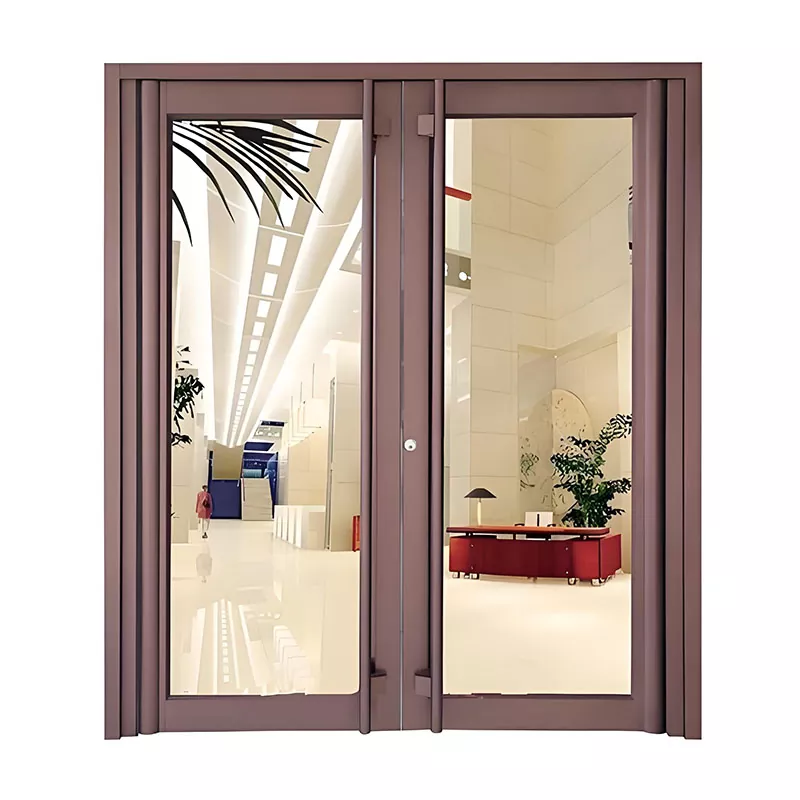
KFC Door
Shandong Duoping New Material Co., Ltd. is a professional R&D, production and supplier of high-end KFC doors. With years of deep cultivation in the door and window building materials industry, relying on core technologies of aluminum alloy precision processing and sealing craftsmanship, we create KFC door products featuring durability, permeability and anti-theft performance. Our products are widely applicable to shops, restaurants, convenience stores and other scenarios, and are sold nationwide and overseas. We sincerely look forward to working with you and becoming your reliable partner for door and window building materials in China.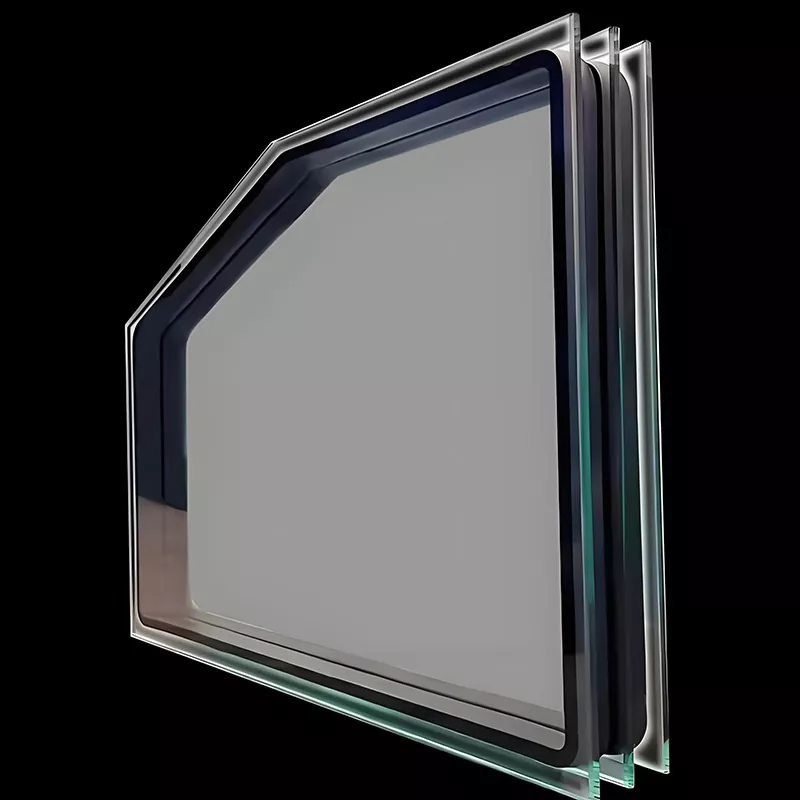
4SG Insulated Glass
Duoping is a professional R&D, production and supplier of 4SG insulated glass. Relying on the integrated warm-edge sealing tape process, combined with low-emissivity (Low-e) coating and high-purity argon gas filling core technologies, we produce high-end energy-saving glass featuring no thermal bridge, high airtightness and easy installation. As a core material for the renovation of old residential communities and general energy-saving buildings, our products are widely used in residential doors and windows, office building curtain walls, buildings in noise-sensitive areas and other scenarios. With high cost performance and stable performance, our products cover the national market. We sincerely look forward to working with you to provide customized glass solutions for various energy-saving building projects.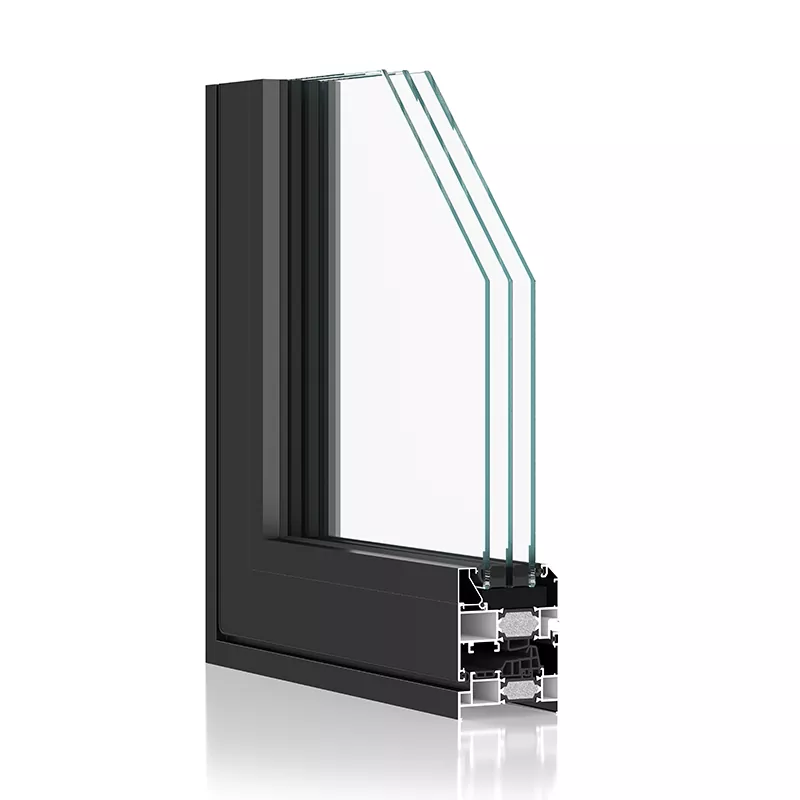
Energy-efficient Windows
Duoping is a leader in the research, development, and supply of high-performance energy-efficient windows. With years of experience in the window and building materials industry, we specialize in providing products that combine advanced insulated glass and thermal sealing technologies to ensure excellent insulation, low energy consumption, and durability. Our energy-efficient windows are designed for various applications, including residential homes, office buildings, hotels, and more. We have successfully established a market presence both domestically and internationally and look forward to becoming your trusted partner for high-quality energy-efficient windows in China.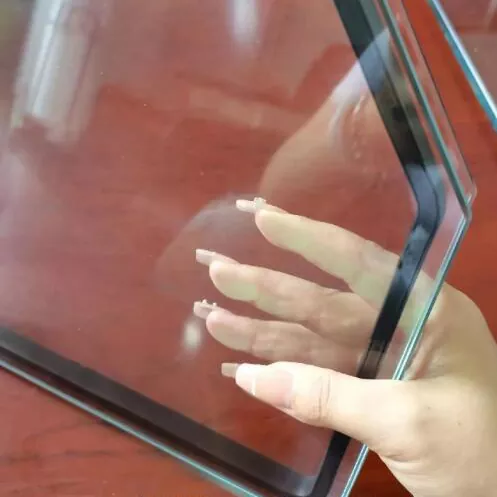
Flexible Warm edge Glass
Duoping stands as a professional manufacturer and supplier, delivering high-quality flexible warm edge glass with advanced polymer sealant technology. This product adapts to curved frames, eliminates cold bridges, and offers stable energy-saving performance for complex building projects. We provide customized solutions and welcome wholesale orders, serving retrofitting and cold-region construction needs with reliable quality.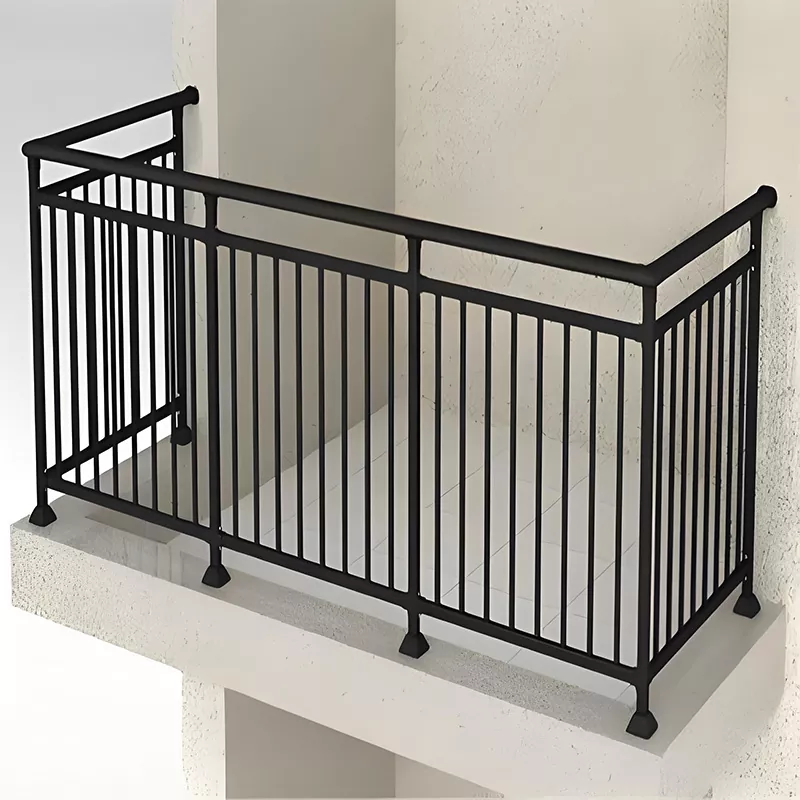
Aluminum Alloy Railings
Duoping is a professional manufacturer and supplier of aluminum alloy railings, with advanced surface treatment and strict quality control. These railings feature lightweight structure, corrosion resistance and long service life, suitable for balconies, stairs and municipal projects. We support customized designs and welcome wholesale orders, providing reliable protection solutions for various construction needs.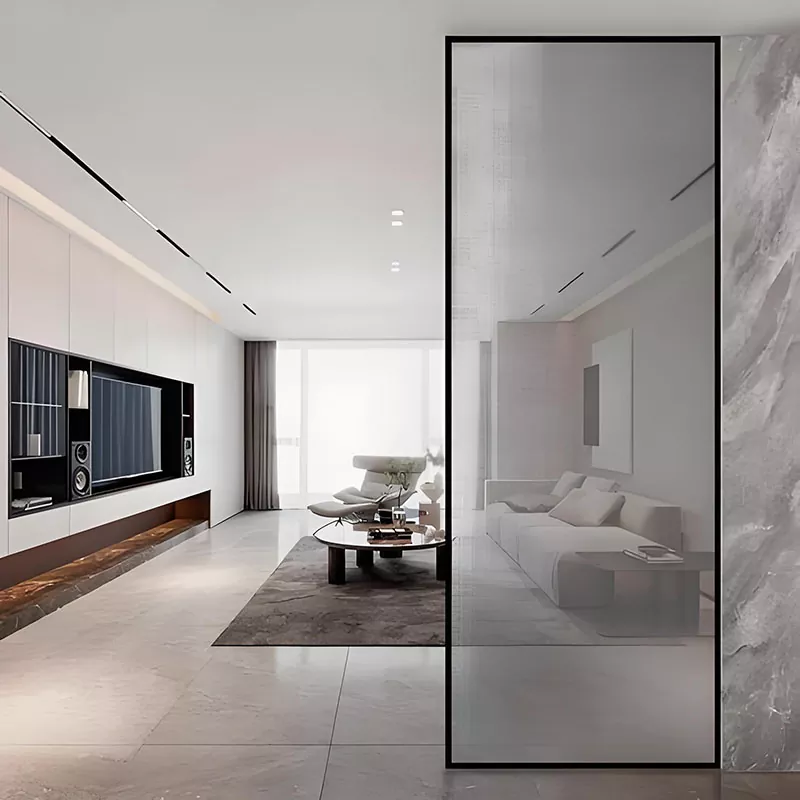
Art Glass
Duoping is a professional manufacturer and supplier of art glass, featuring advanced processing techniques and reliable quality control. This product integrates aesthetic design, privacy protection and safety performance, suitable for residential and commercial decoration scenarios. We support customized patterns and sizes, welcome wholesale orders, and provide high-quality art glass solutions for various personalized building projects.
- Related Blog
- Reviews

Send Inquiry
-
E-mail
X
We use cookies to offer you a better browsing experience, analyze site traffic and personalize content. By using this site, you agree to our use of cookies.
Privacy Policy
News
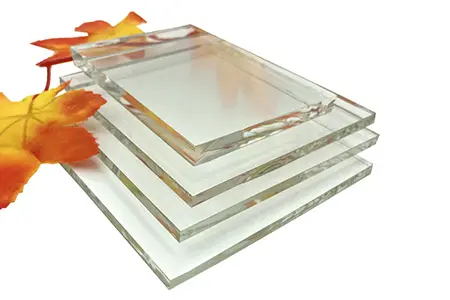 Explaining the key points and safety guidelines for installing white glass2026/01/28
During the installation process, precise operation and detailed handling are particularly crucial. For the installation of white glass in different scenarios, differentiated specifications must be followed. When installing white glass for doors and windows, the glass surface orientation must comply ......
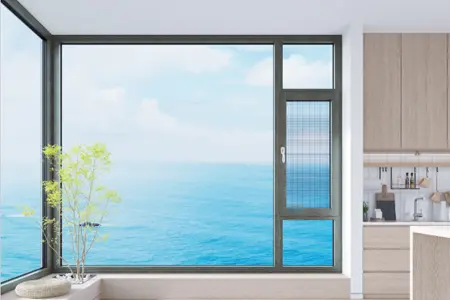 Know these 6 key indicators of aluminum alloy door and window materials!2026/01/28
The series number indicates the thickness of the door frame in millimeters. Aluminum alloy sliding doors are available in 70 and 90 series; the 70 series is sufficient for interior residential aluminum alloy sliding doors.