 English
 Español
  Português
  русский
  Français
  日本語
日本語  Deutsch
  tiếng Việt
  Italiano
  Nederlands
  ภาษาไทย
  Polski
  한국어
한국어  Svenska
  magyar
  Malay
Malay  বাংলা ভাষার
  Dansk
Dansk  Suomi
Suomi  हिन्दी
  Pilipino
  Türkçe
  Gaeilge
  العربية
  Indonesia
  Norsk
Norsk  تمل
تمل  český
český  ελληνικά
  український
  Javanese
  فارسی
فارسی  தமிழ்
தமிழ்  తెలుగు
  नेपाली
  Burmese
  български
  ລາວ
ລາວ  Latine
  Қазақша
  Euskal
  Azərbaycan
  Slovenský jazyk
  Македонски
  Lietuvos
  Eesti Keel
  Română
  Slovenski
  मराठी
मराठी  Srpski језик
Call Us
+86-15805363117
Email Us
dopinew@gmail.com
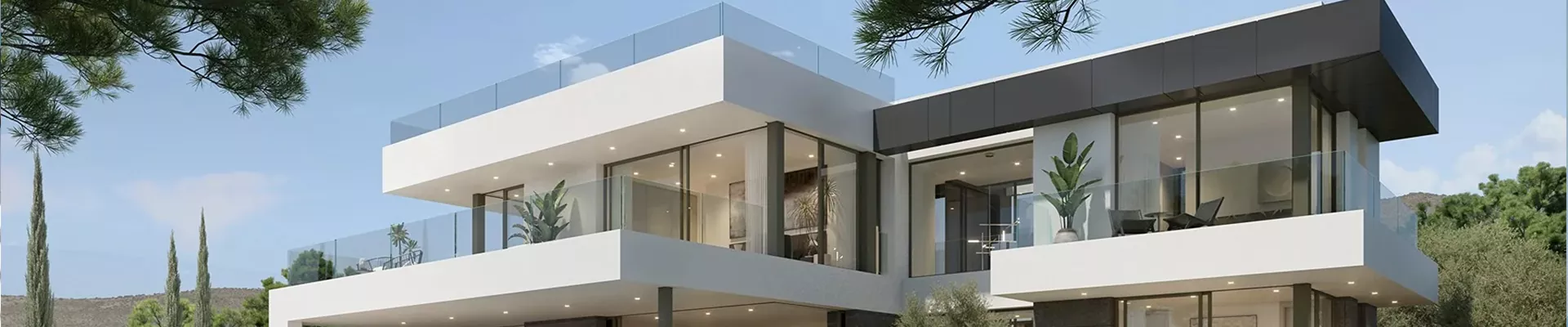
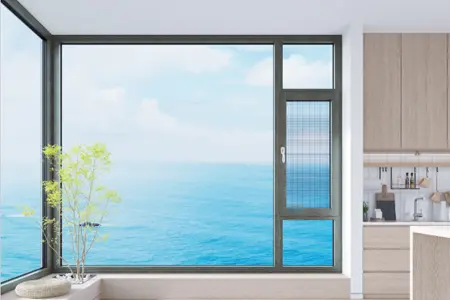
High-end Fluorocarbon Coated Aluminum Windows
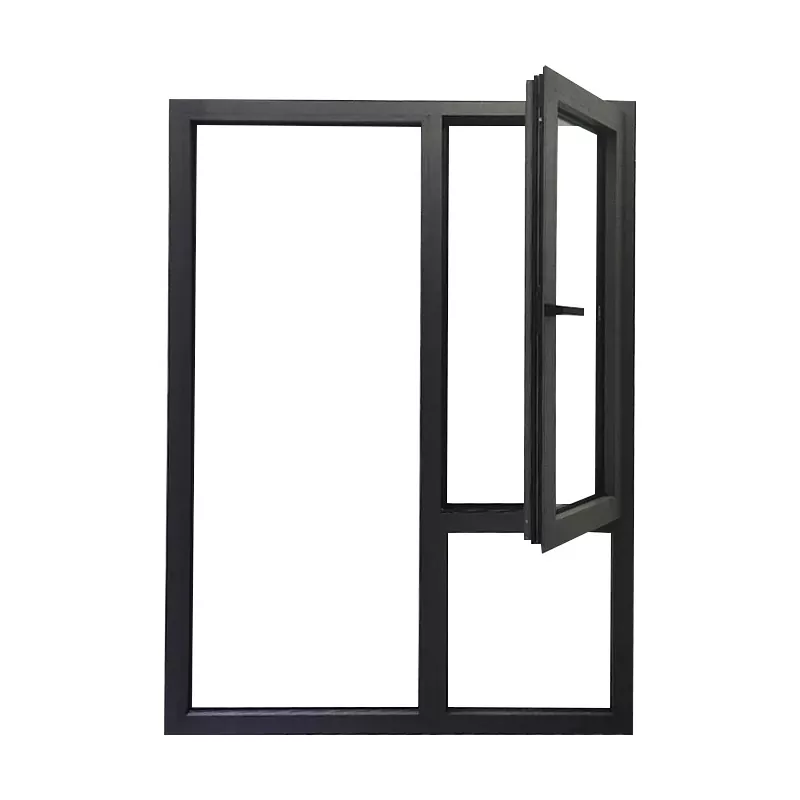
Modern architectural design demands window systems that achieve a delicate balance between aesthetic longevity and structural resilience. When specified for coastal high-rises, healthcare facilities, or luxury residences, high-end fluorocarbon coated aluminum windows consistently outperform conventional finishes. Our collection of UV Resistant Fluorocarbon Coated Aluminum Windows is engineered to combat intense solar radiation without chalking or color fade, utilizing advanced PVDF resin chemistry. For projects that require a flawless, factory-controlled metallic sheen, the Fluorocarbon Sprayed Aluminum Windows offer a precisely layered coating applied via electrostatic spray, eliminating orange-peel textures. Operation style remains equally critical; the Fluorocarbon Coated Aluminum Casement Windows provide superior compression seals for high-wind zones, while the Inward Tilt Fluorocarbon Coated Aluminum Windows deliver safe, bottom-hinged ventilation for upper floors. Each variant maintains unbroken thermal barriers and a surface that withstands acid rain, salt spray, and severe UV exposure.
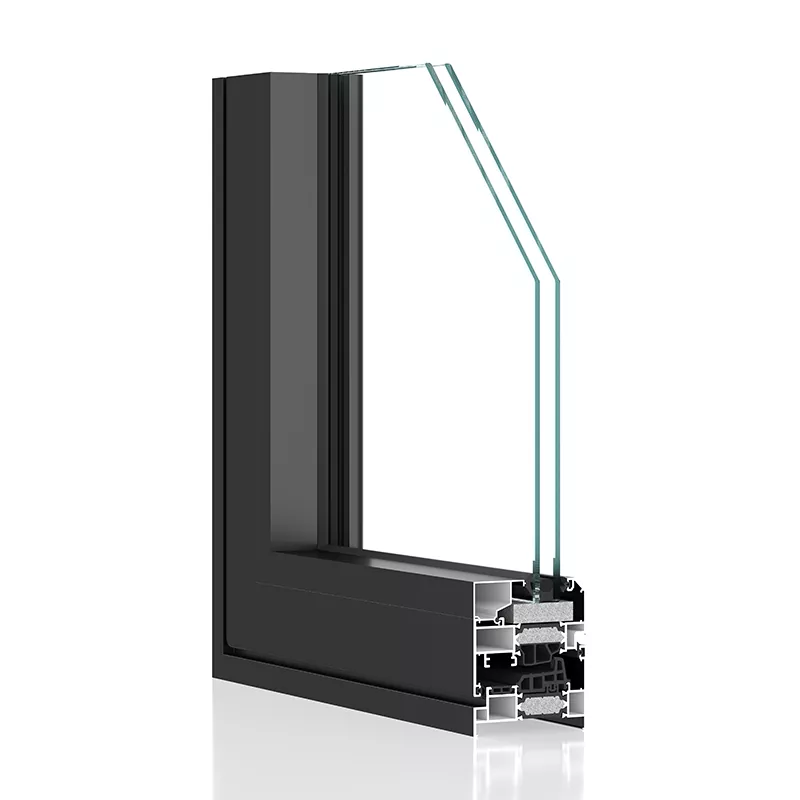
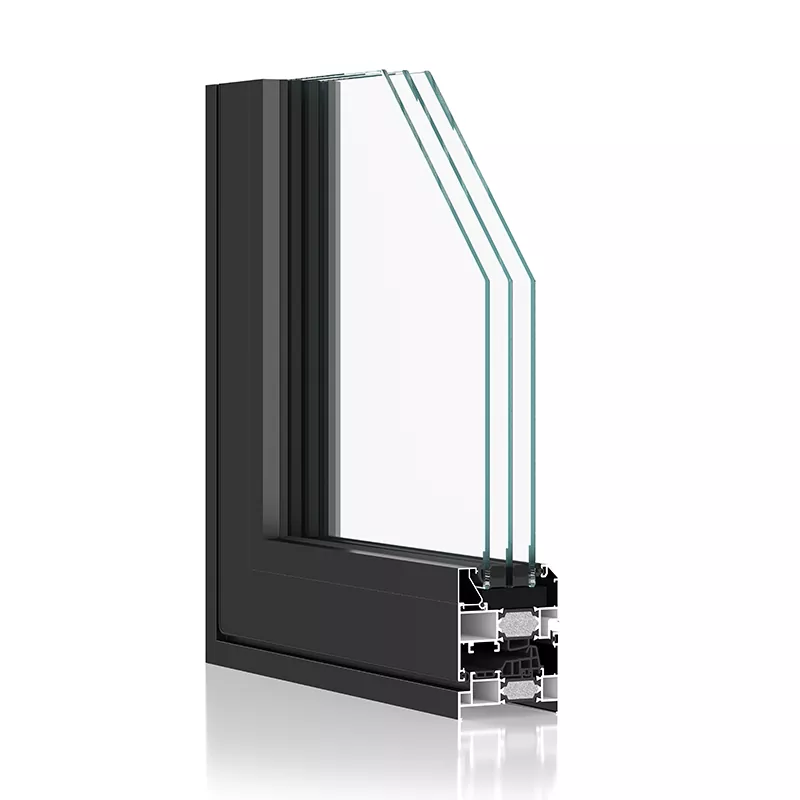
High-End Fluorocarbon Coated Aluminum Windows are constructed around a core philosophy of precision extrusion and premium surface chemistry. The base alloy is 6063-T6 aluminum, thermally improved by a reinforced 24 mm polyamide strip that interrupts conductivity between interior and exterior profiles. Applying a fluorocarbon topcoat means the window retains its original gloss and color intensity for decades, even in environments where standard powder coatings would delaminate. Beneath the visible surface lies a chrome-free conversion layer and a corrosion-resistant primer, forming a three-tier defense that meets AAMA 2605 requirements. The hardware track, drainage slots, and glazing beads are engineered simultaneously during die design, which eliminates post-fabrication compromise and ensures continuous gasket compression around the full perimeter.
Detailed technical parameters reveal why these systems are specified for landmark buildings across North America, Europe, and the Middle East:
- Coating Integrity: PVDF fluorocarbon resin containing no less than 70% Kynar 500® or Hylar 5000®, applied at a minimum dry film thickness of 30 microns.
- Thermal Performance: U-factor as low as 1.3 W/m²·K with triple-glazed low-E units, full warm-edge spacer technology, and polyamide strip reinforced by fiberglass.
- Structural Design Pressure: Tested to resist service-level wind loads up to 4,500 Pa, with larger reinforced profiles achieving DP60 ratings.
- Air Infiltration: Maximum leakage of 0.1 cfm/ft² at 1.57 psf, exceeding Class AW performance per EN 12207 or ASTM E283 standards.
- Glazing Range: Accepts insulating glass units from 24 mm up to 45 mm, covering double- and triple-pane configurations with optional low-iron glass and silk-screened ceramic frit.
- Acoustic Attenuation: Sound transmission loss of STC 42–48, dependent on glass makeup and frame depth, meeting WHO guidelines for urban residential zones.
- Hardware Integration: Multi-point locking with corrosion-resistant stainless steel keepers and adjustable compression hinges, all concealed within the profile sightline.
Below is a quick-reference technical table that architects and specifiers can use for early-phase facade studies:
| Property | Standard Value | Optional Upgrade |
|---|---|---|
| Frame Depth | 60 mm / 70 mm | 80 mm (for triple glazing or high-rise) |
| Thermal Break Width | 24 mm (standard) | 34 mm (enhanced) |
| Coating Type | PVDF fluorocarbon – solid | PVDF fluorocarbon – metallic/anodic look |
| Color Spectrum | 22 standard Kynar finishes | Custom-matched RAL/CMYK shades |
| Maximum Panel Weight | 160 kg (casement) | 220 kg (fixed/curtain-wall adapter) |
| Water Penetration | Uncontrolled pressure, 600 Pa | 1,200 Pa with enhanced drainage |
| Impact Resistance | Class 4 – large missile (Florida approval) | Laminated glass upgrade with additional TPS |
Manufacturing tolerances are held to ±0.2 mm on sightlines, and all cut faces are sealed with an end-cap coating before assembly. The gaskets are virgin EPDM with a Shore A hardness of 65±5, guaranteeing elastic recovery even after compression cycling between -30°C and 80°C. High-End Fluorocarbon Coated Aluminum Windows also integrate drainage-weep systems with stainless steel flaps that prevent reverse water ingress while allowing cavity pressure equalization. Continuous quality verification follows ISO 9001 and relevant AAMA/EN test protocols, ensuring each completed assembly reports consistent thermal, structural, and coating performance metrics on its job-specific installation schedule.
Related Products
Hot Products
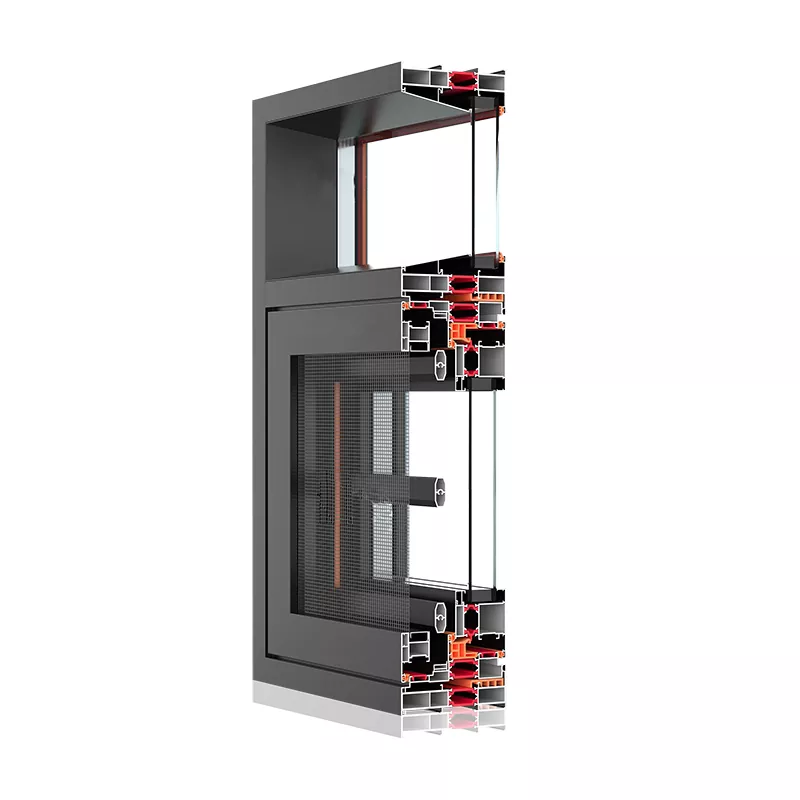
Insulated Super Energy-saving Glass
Duoping stands as a professional manufacturer and supplier, delivering high-quality Dopin insulated super energy-saving glass with advanced multi-cavity and dual-seal technologies. This product excels in thermal insulation and soundproofing, ideal for passive and ultra-low energy buildings. We offer customized designs and welcome wholesale orders, providing reliable glass solutions for high-standard construction projects worldwide.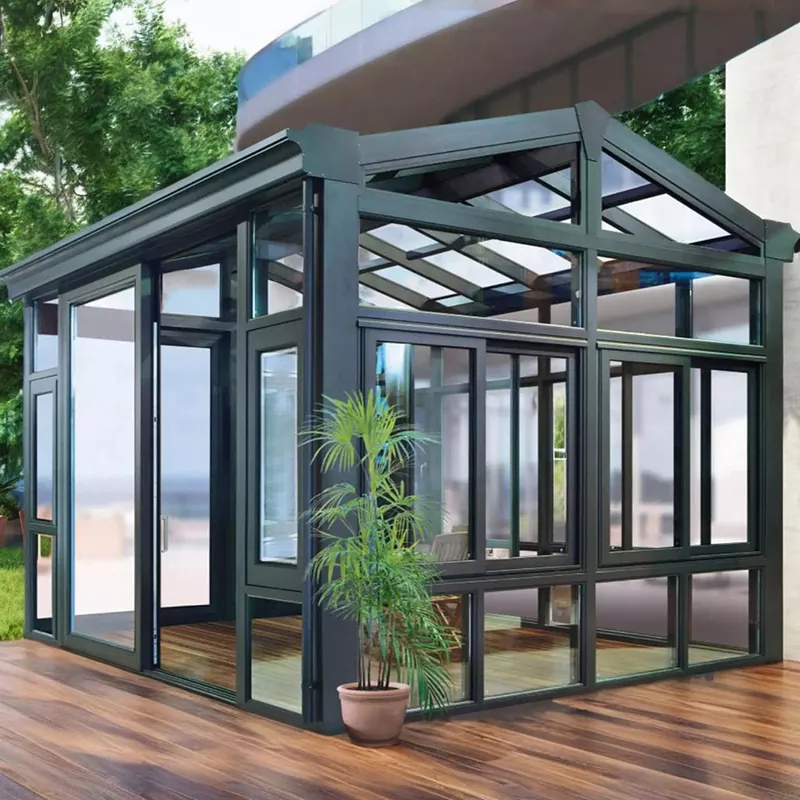
Aluminum Alloy Sunroom
Shandong Duoping New Materials Co., Ltd. is a professional R&D, production and supplier of aluminum alloy sunrooms. With years of deep cultivation in the industry, we rely on a large-scale production system and mature manufacturing technology to forge cost-effective products, which are exported to many regions in Europe and America. We sincerely look forward to working hand in hand with you to become your trustworthy long-term partner in China.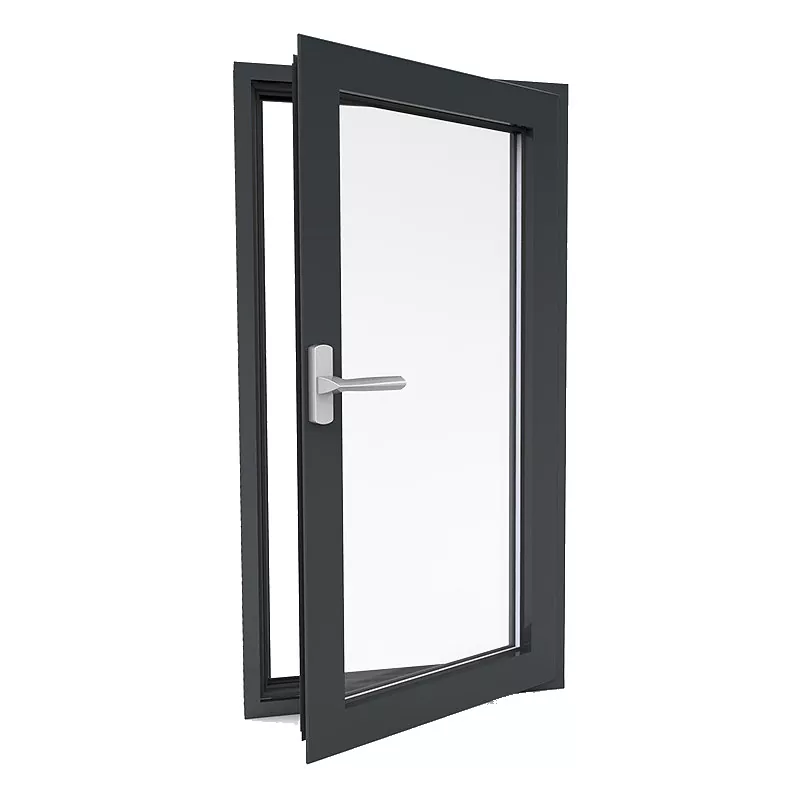
Aluminum Windows
Duoping is a professional manufacturer and supplier of aluminum windows, with advanced aluminum alloy processing and strict quality control. This product features sturdy frames, long service life and easy maintenance, suitable for home and commercial use. We support customized sizes and colors, welcome wholesale orders, and provide cost-effective window solutions for various construction projects.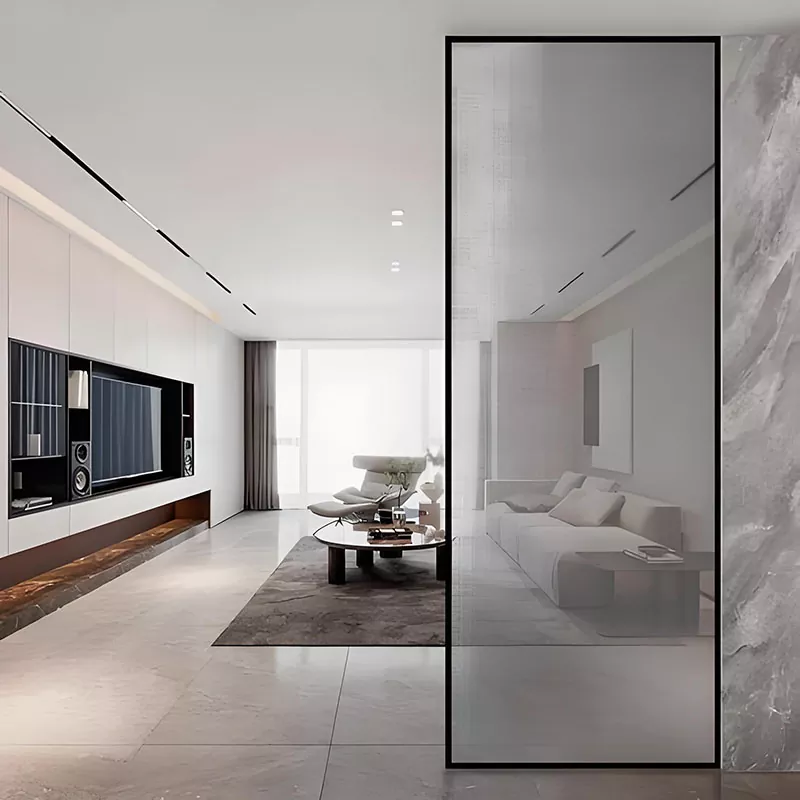
Art Glass
Duoping is a professional manufacturer and supplier of art glass, featuring advanced processing techniques and reliable quality control. This product integrates aesthetic design, privacy protection and safety performance, suitable for residential and commercial decoration scenarios. We support customized patterns and sizes, welcome wholesale orders, and provide high-quality art glass solutions for various personalized building projects.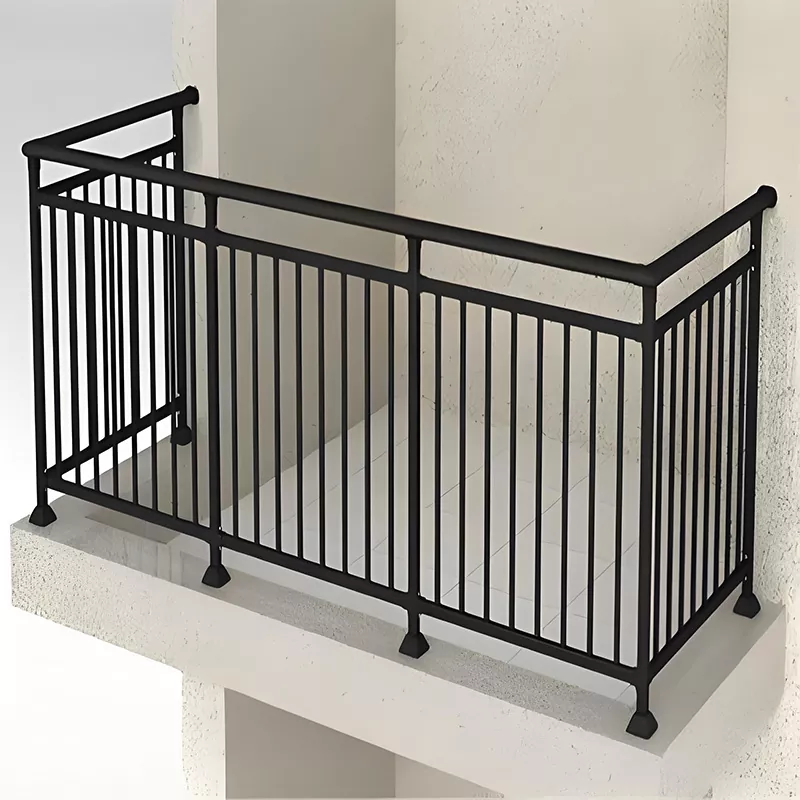
Aluminum Alloy Railings
Duoping is a professional manufacturer and supplier of aluminum alloy railings, with advanced surface treatment and strict quality control. These railings feature lightweight structure, corrosion resistance and long service life, suitable for balconies, stairs and municipal projects. We support customized designs and welcome wholesale orders, providing reliable protection solutions for various construction needs.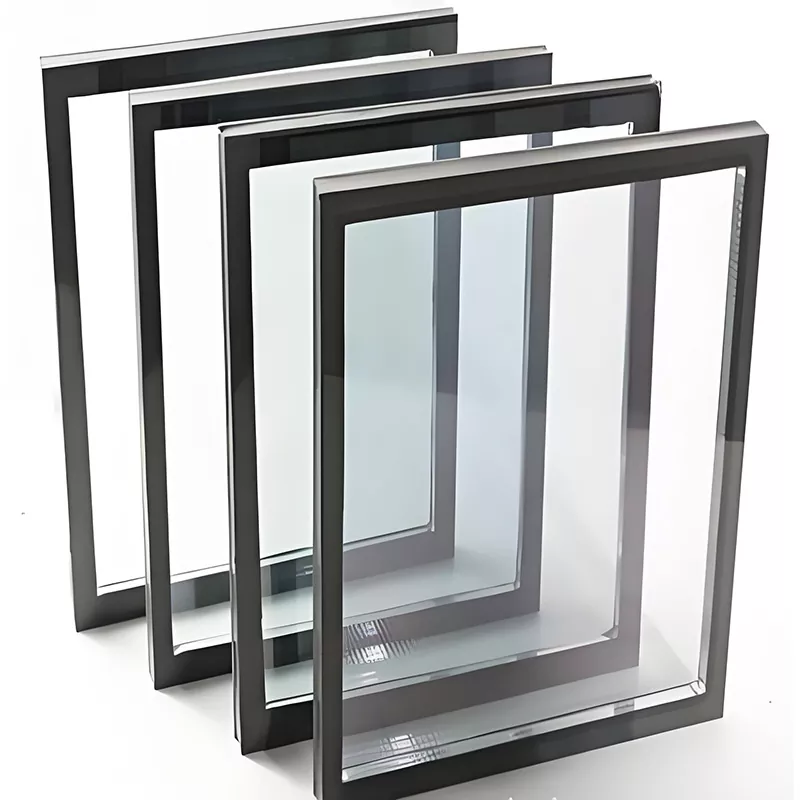
Low-E Glass
Duoping is a professional R&D, production and supplier of Low-E (low-emissivity) glass. Relying on core processes of vacuum sputtering and chemical vapor deposition, we develop Low-E glass products featuring dual-directional energy saving, low emissivity, thermal insulation and optical transparency. As a core material in the field of building energy efficiency, our products are widely used in high-end residences, office buildings, hotels, buildings in severe cold/hot regions and other scenarios. With excellent energy-saving effects and durability, our products cover the national market. We sincerely look forward to working with you to provide efficient and low-carbon energy-saving glass solutions for various building projects.
- Related Blog
- Reviews

Send Inquiry
-
E-mail
X
We use cookies to offer you a better browsing experience, analyze site traffic and personalize content. By using this site, you agree to our use of cookies.
Privacy Policy
News
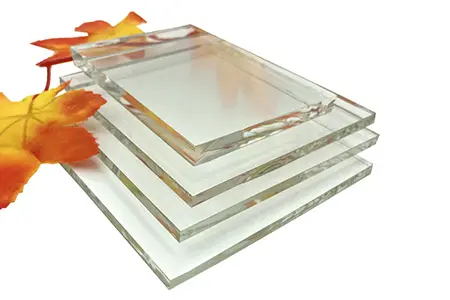 Explaining the key points and safety guidelines for installing white glass2026/01/28
During the installation process, precise operation and detailed handling are particularly crucial. For the installation of white glass in different scenarios, differentiated specifications must be followed. When installing white glass for doors and windows, the glass surface orientation must comply ......
 Know these 6 key indicators of aluminum alloy door and window materials!2026/01/28
The series number indicates the thickness of the door frame in millimeters. Aluminum alloy sliding doors are available in 70 and 90 series; the 70 series is sufficient for interior residential aluminum alloy sliding doors.