 English
 Español
  Português
  русский
  Français
  日本語
日本語  Deutsch
  tiếng Việt
  Italiano
  Nederlands
  ภาษาไทย
  Polski
  한국어
한국어  Svenska
  magyar
  Malay
Malay  বাংলা ভাষার
  Dansk
Dansk  Suomi
Suomi  हिन्दी
  Pilipino
  Türkçe
  Gaeilge
  العربية
  Indonesia
  Norsk
Norsk  تمل
تمل  český
český  ελληνικά
  український
  Javanese
  فارسی
فارسی  தமிழ்
தமிழ்  తెలుగు
  नेपाली
  Burmese
  български
  ລາວ
ລາວ  Latine
  Қазақша
  Euskal
  Azərbaycan
  Slovenský jazyk
  Македонски
  Lietuvos
  Eesti Keel
  Română
  Slovenski
  मराठी
मराठी  Srpski језик

Call Us
+86-15805363117
Email Us
dopinew@gmail.com
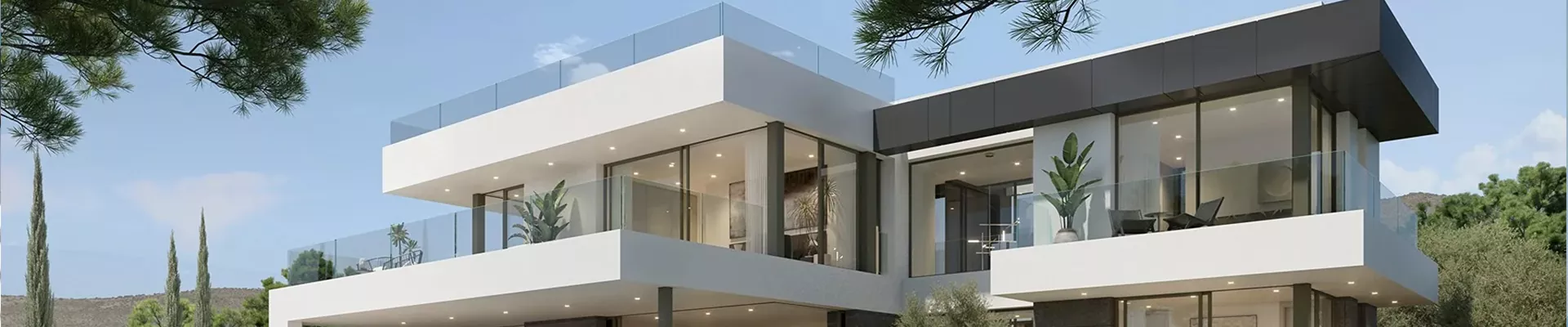
Fluorocarbon Sprayed Aluminum Windows
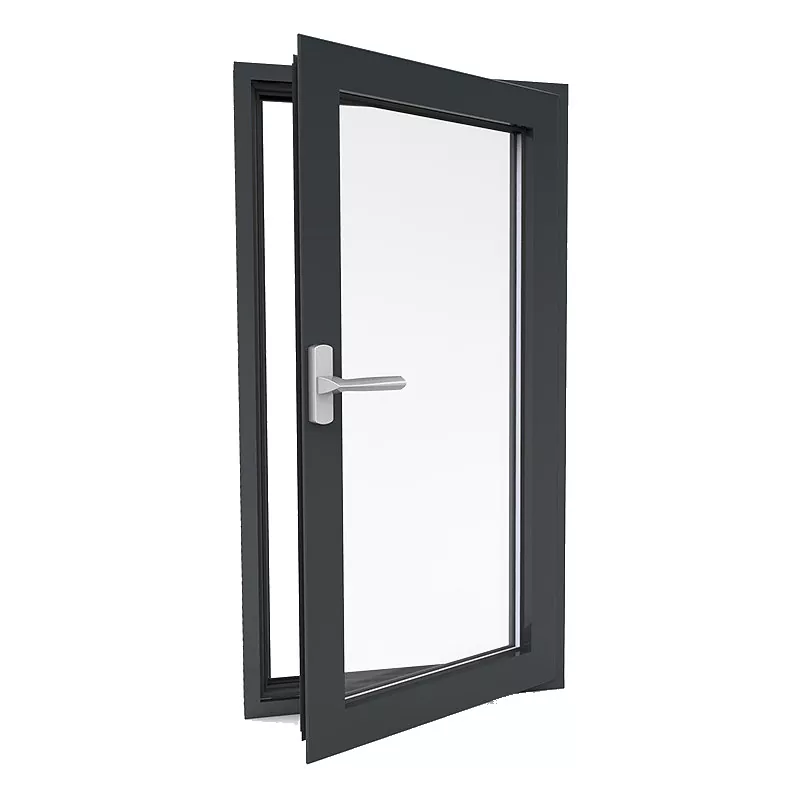
When selecting windows for residential or commercial projects, durability, aesthetics, and long-term performance are non‑negotiable factors. Our fluorocarbon sprayed aluminum windows deliver on all fronts, utilizing a high‑grade PVDF coating system that fuses exceptional weather resistance with a sleek, modern appearance. The fluorocarbon spray process applies multiple layers of primer, color coat, and clear topcoat onto precision‑engineered aluminum profiles, creating a surface that resists chalking, fading, and corrosion for decades. Among our specialized offerings, UV Resistant Fluorocarbon Coated Aluminum Windows are engineered to block harmful ultraviolet rays while maintaining color integrity under intense sunlight, making them ideal for coastal and high‑altitude environments. For architects and homeowners seeking luxury finishes and tailored design, our High-end Fluorocarbon Coated Aluminum Windows offer customizable colors, wood‑grain textures, and slim sightlines that elevate any facade. If you prefer a classic opening style with enhanced ventilation control, the Fluorocarbon Coated Aluminum Casement Windows provide a tight seal and easy operation combined with the same premium coating technology. For projects demanding maximum functionality and ease of cleaning, our Inward Tilt Fluorocarbon Coated Aluminum Windows allow the sash to tilt inward, simplifying maintenance while maintaining superior weatherproofing under all conditions. Every variant is built on thermally broken aluminum profiles, double or triple glazing options, and multi‑point locking hardware, ensuring energy efficiency, sound insulation, and security meet the strictest international standards.
Fluorocarbon Sprayed Aluminum Windows are the result of advanced material science and rigorous manufacturing precision. The core material is 6063‑T5 extruded aluminum alloy, known for its high strength‑to‑weight ratio and excellent formability. Before coating, each profile undergoes a comprehensive pretreatment sequence: degreasing, alkaline etching, acid neutralization, and chrome‑free conversion coating to guarantee maximum adhesion. The PVDF fluorocarbon paint, containing at least 70% polyvinylidene fluoride resin, is applied through an electrostatic spraying process under strictly controlled temperature and humidity. This is followed by controlled curing at 230–250°C, which cross‑links the polymer and creates an extremely dense, non‑porous film. The resulting coating thickness ranges from 30 to 45 microns for the color layer, with an additional 10–15 micron clear topcoat for enhanced gloss retention and scratch resistance. These windows achieve a specular gloss of 25–35 units at a 60° angle, offering a uniform, low‑glare appearance that resists dirt accumulation. Laboratory tests confirm no significant color change (ΔE < 5) after 4,000 hours of accelerated QUV‑B weathering, and no adhesion loss or blistering after 3,000 hours of salt spray exposure. Below, key technical specifications and performance values are listed for reference.
Key Product Parameters
- Alloy grade: 6063‑T5 aluminum (GB/T 5237, EN 755‑2)
- Coating type: 70% PVDF fluorocarbon (Kynar 500® or equivalent)
- Coating thickness: 40–60 μm total (primer + color + clear)
- Adhesion: Cross‑hatch rating 0 (ISO 2409)
- Pencil hardness: ≥ 2H
- Impact resistance: No cracking or peeling after 50 kg·cm reverse impact
- Chemical resistance: Unaffected by 10% HCl or 10% NaOH for 24 hours
- Thermal insulation: U‑value from 1.8 W/m²K (double glazing) to 1.1 W/m²K (triple glazing with argon)
- Sound reduction: Rw up to 40 dB
- Air permeability: Class 4 (EN 12207)
- Water tightness: Class E1200 (EN 12208)
- Wind load resistance: Class C5 (EN 12210)
Standard Profile Systems and Dimensions
| Profile Series | Frame Depth (mm) | Sash Depth (mm) | Glazing Thickness (mm) | Typical Max Panel (W×H mm) |
|---|---|---|---|---|
| 50 Series Casement | 50 | 55 | 5–24 | 800×1500 |
| 55 Series Inward Tilt | 55 | 60 | 5–28 | 1000×1600 |
| 60 Series Thermal Break | 60 | 68 | 20–38 | 1200×2000 |
| 70 Series High‑end | 70 | 78 | 24–42 | 1500×2200 |
All these configurations use EPDM weather seals and stainless steel hardware, ensuring consistent long‑term performance. The fluorocarbon coating not only preserves the facade’s appearance but also reduces cleaning frequency, making Fluorocarbon Sprayed Aluminum Windows a cost‑effective investment for projects where lifecycle costs and visual quality are equally critical.
Related Products
Hot Products
Chinese style Pavilions
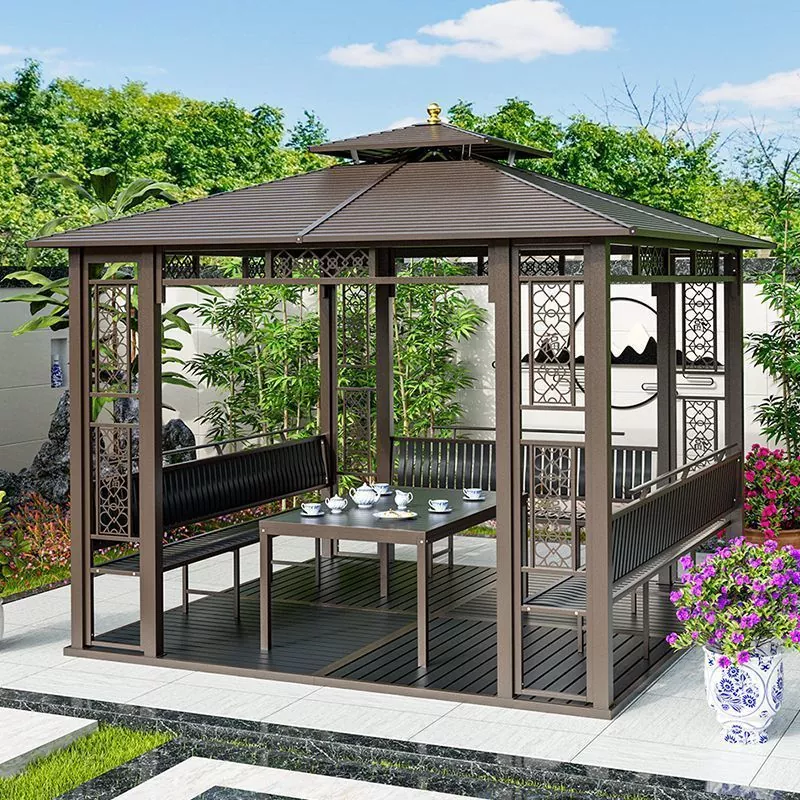
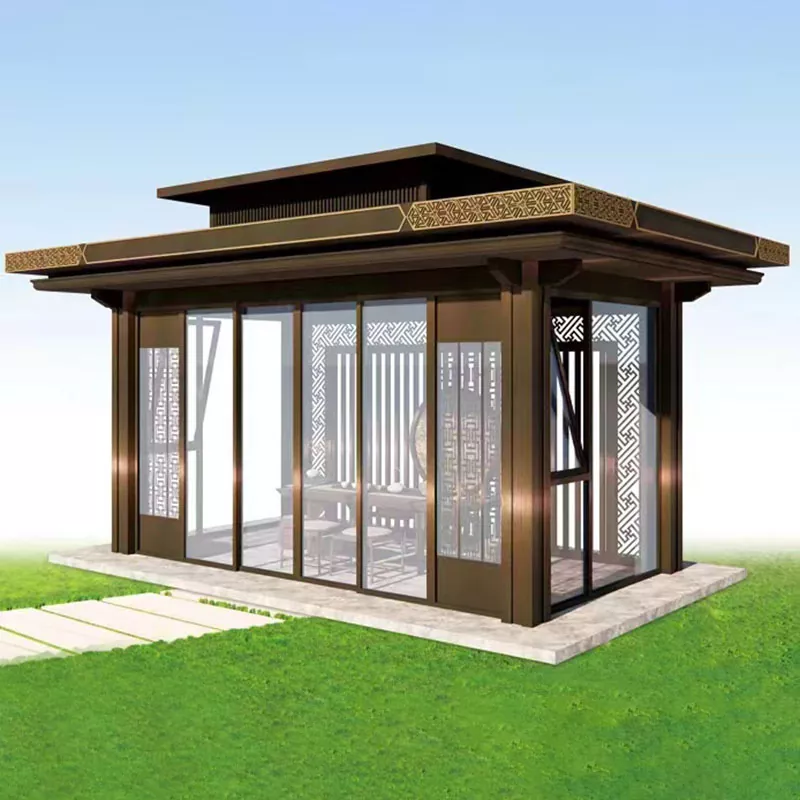
Duoping is a professional supplier and manufacturer of Chinese style pavilions, relying on traditional mortise and tenon craftsmanship and advanced anti-corrosion technology to ensure high quality. Its Chinese style pavilions feature stability, durability and classic aesthetics, widely used in various Chinese-style scenarios. The company provides customized solutions, wholesale services and strict quality control, with nationwide delivery and professional after-sales support for all landscape projects.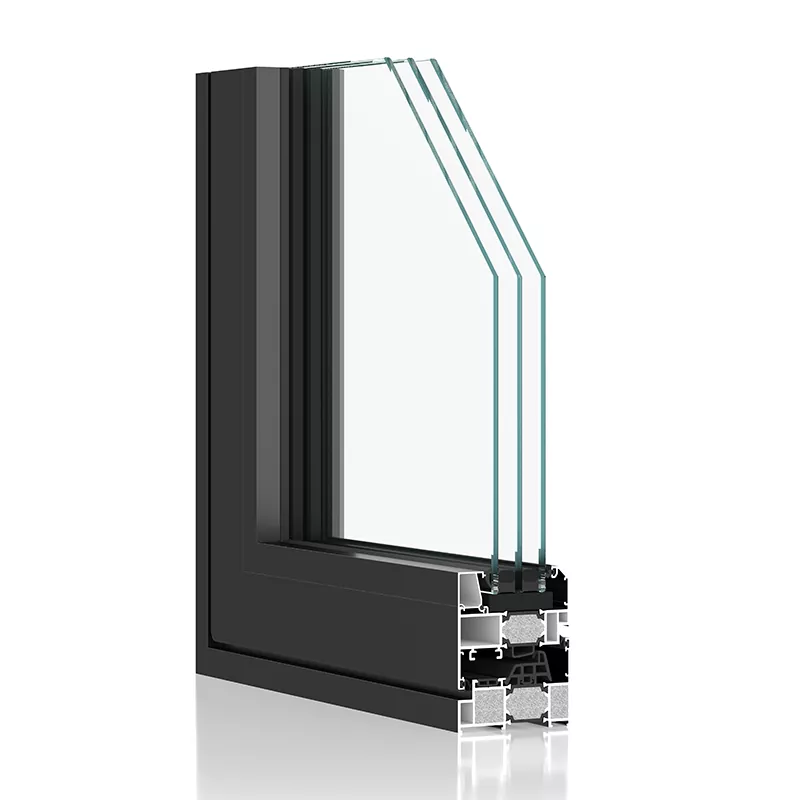
System Windows
Duoping is a professional manufacturer and supplier of high-end system windows, with advanced integrated system design and strict quality control. This product combines custom components for superior performance and durability, suitable for luxury buildings. We provide customized solutions, welcome wholesale orders, and deliver premium system window services for high-end construction projects.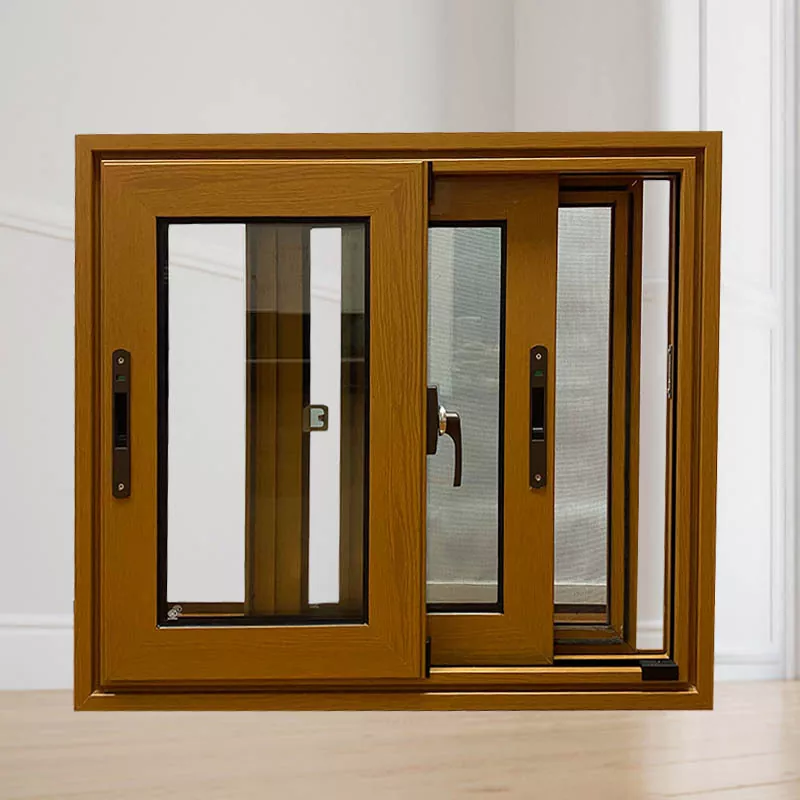
Aluminum-wood Windows
Duoping is a professional manufacturer and supplier of premium aluminum-wood windows, skillfully combining durable 6063-T5 aluminum exteriors with high-quality imported natural wood interiors. These windows blend luxurious aesthetics, excellent insulation and long-lasting durability, perfectly suited for villas, luxury residences and high-end hotels. We offer full customization of wood type, glass specs and styles, accept wholesale orders, and deliver top-tier high-end window solutions for global luxury construction projects.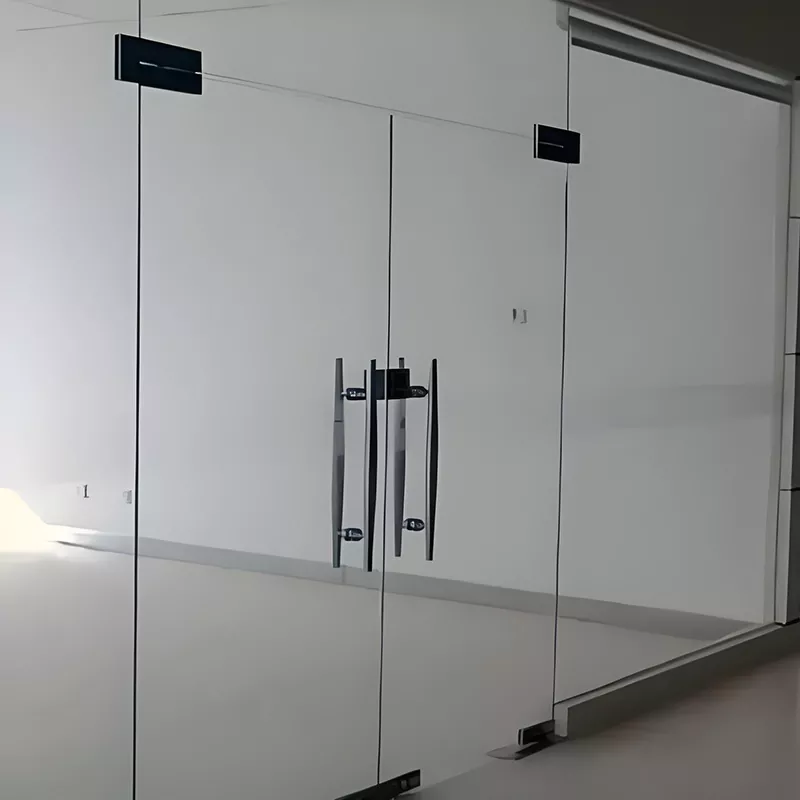
Glass Door
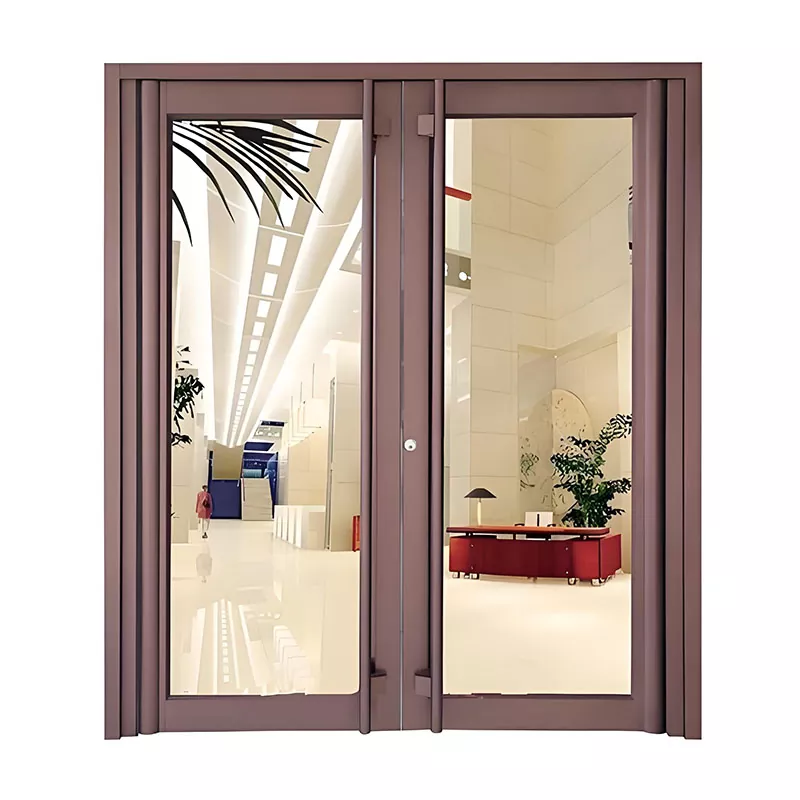
Duoping is a professional supplier and manufacturer of glass doors, with advanced tempered glass processing and precision frame design technologies to ensure high quality. Its glass doors are safe, sturdy and versatile, with excellent light transmission, widely used in commercial, residential and office scenarios. The company offers customized solutions, wholesale services and strict quality control, with nationwide delivery and comprehensive after-sales support.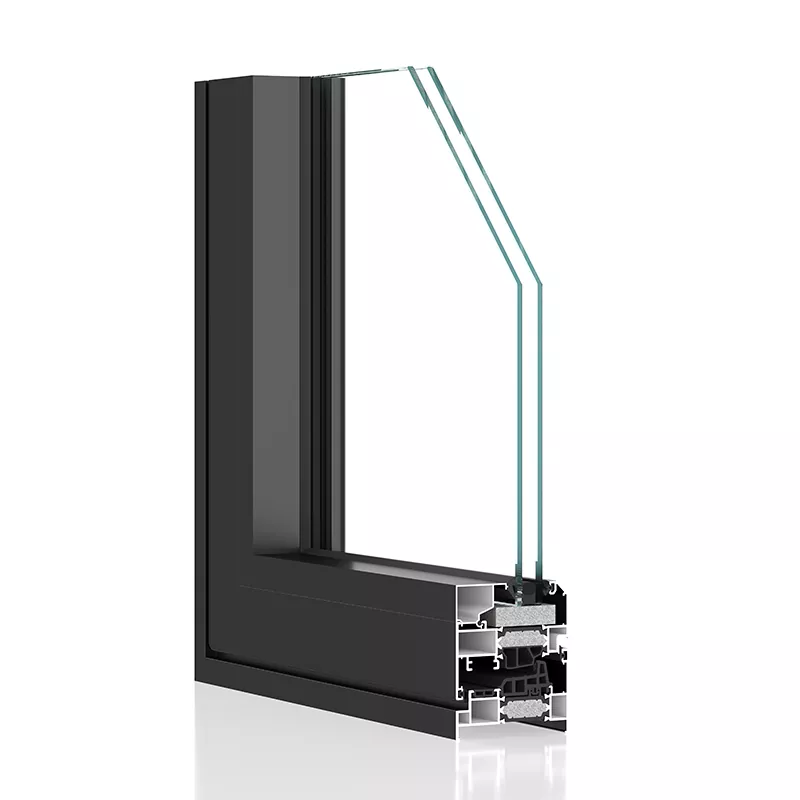
Super Energy-saving Glass
Duoping is a reliable manufacture and supplier of Dopin super energy-saving glass, boasting advanced multi-cavity design and strict quality control. It integrates Low-e coating and argon filling for excellent thermal insulation and soundproofing. We offer customized solutions and support wholesale orders, fitting high-energy-saving building procurement needs.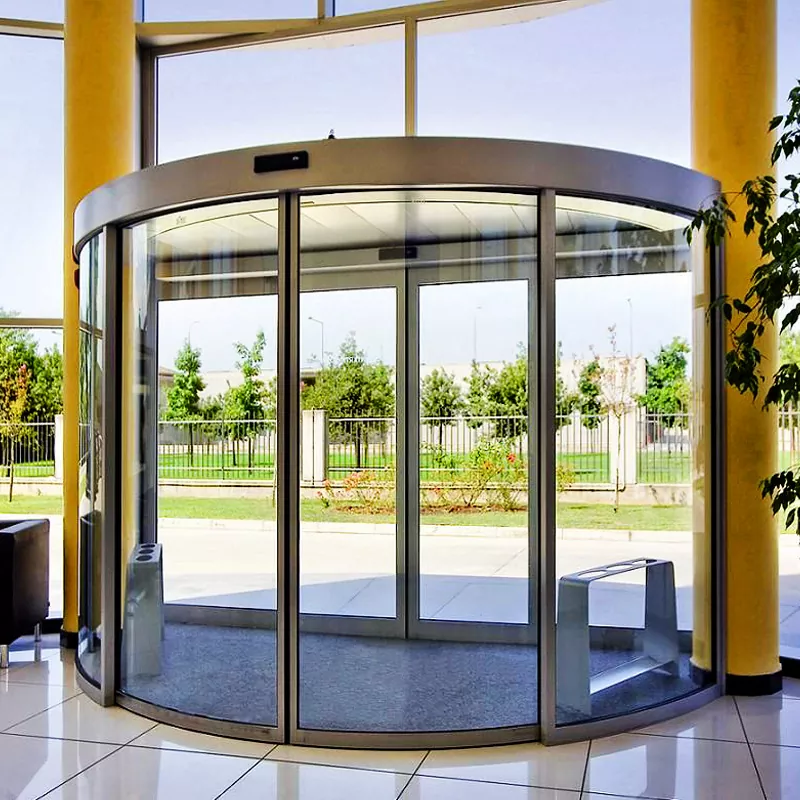
Automatic Sensor Door
Duoping is a professional manufacturer and supplier of high-end automatic sensor doors, equipped with advanced infrared sensing and automatic control technologies to ensure superior quality. Its products are intelligent, safe and durable, with rapid response and good sealing, widely applied in public scenarios like malls, hospitals and office buildings. The company provides customized solutions, wholesale services and strict quality control, along with nationwide delivery and comprehensive after-sales support.
- Related Blog
- Reviews

Send Inquiry
-
E-mail
X
We use cookies to offer you a better browsing experience, analyze site traffic and personalize content. By using this site, you agree to our use of cookies.
Privacy Policy
News
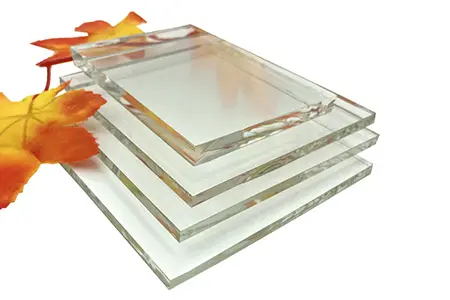 Explaining the key points and safety guidelines for installing white glass2026/01/28
During the installation process, precise operation and detailed handling are particularly crucial. For the installation of white glass in different scenarios, differentiated specifications must be followed. When installing white glass for doors and windows, the glass surface orientation must comply ......
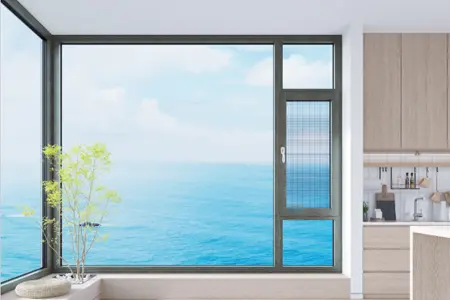 Know these 6 key indicators of aluminum alloy door and window materials!2026/01/28
The series number indicates the thickness of the door frame in millimeters. Aluminum alloy sliding doors are available in 70 and 90 series; the 70 series is sufficient for interior residential aluminum alloy sliding doors.