 English
 Español
  Português
  русский
  Français
  日本語
日本語  Deutsch
  tiếng Việt
  Italiano
  Nederlands
  ภาษาไทย
  Polski
  한국어
한국어  Svenska
  magyar
  Malay
Malay  বাংলা ভাষার
  Dansk
Dansk  Suomi
Suomi  हिन्दी
  Pilipino
  Türkçe
  Gaeilge
  العربية
  Indonesia
  Norsk
Norsk  تمل
تمل  český
český  ελληνικά
  український
  Javanese
  فارسی
فارسی  தமிழ்
தமிழ்  తెలుగు
  नेपाली
  Burmese
  български
  ລາວ
ລາວ  Latine
  Қазақша
  Euskal
  Azərbaycan
  Slovenský jazyk
  Македонски
  Lietuvos
  Eesti Keel
  Română
  Slovenski
  मराठी
मराठी  Srpski језик

Call Us
+86-15805363117
Email Us
dopinew@gmail.com
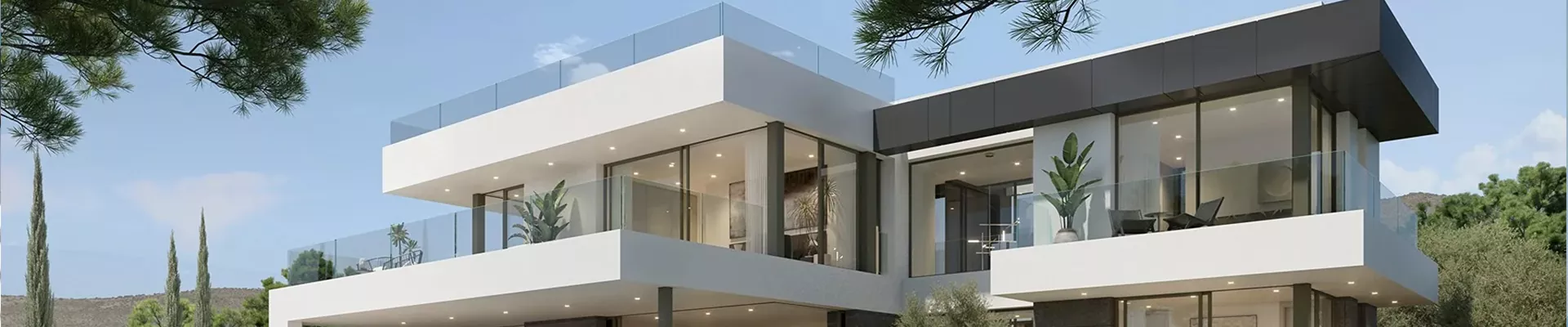
China Laminated Hollow Soundproof Windows Manufacturer, Supplier, Factory
When evaluating fenestration products for acoustic comfort, laminated hollow soundproof windows stand out as a holistic solution that merges advanced glazing technology with precision‑engineered frame geometry. The laminated hollow configuration is specifically designed to interrupt sound energy at multiple points: the dense PVB interlayer within the glass dampens high‑frequency vibrations, while the wide air‑ or gas‑filled cavity between panes acts as a decoupling buffer that significantly reduces low‑frequency noise transmission. This dual‑action mechanism makes them ideal Acoustic Windows for Home Use, where peace and quiet are not negotiable. For families living near busy roads or railway lines, our dedicated Residential Soundproof Windows for Traffic Noise product line is tuned to tackle the persistent rumble of engines and horns. Beyond the residential realm, the same high‑performance principles apply to office blocks, hotels, and healthcare facilities, as our portfolio of Commercial Acoustic Soundproof Windows demonstrates. Across all projects, we rely on rigorous testing to label each unit as true Noise Reduction Soundproof Windows that deliver measurable performance. Whether the goal is to muffle city din or create a focused work environment, these windows consistently outperform conventional double‑glazed alternatives. The system’s effectiveness is rooted in the synergy between laminated glass and the hollow frame structure, which together break the typical acoustic bridging paths. Key standard specifications include:
- Advanced acoustic laminated glass with a minimum 0.76‑mm PVB interlayer for exceptional damping
- Hollow multi‑chamber profiles in thermally broken aluminum, uPVC, or engineered timber
- Premium EPDM gaskets and continuous dual‑seal systems for air‑ and water‑tightness
- Argon‑ or krypton‑gas fill options to enhance both thermal and acoustic insulation
- Low‑E coatings on internal surfaces for energy efficiency without compromising noise control
- Factory‑applied desiccant‑filled warm‑edge spacer bars to maintain long‑term clarity and thermal performance
- Pressure‑equalized drainage cavities that prevent water ingress during severe weather
- Optional integrated blinds within the hollow chamber for light control and additional privacy
- Multi‑point locking hardware for enhanced security and uniform gasket compression
- Custom sizing and color matching to meet architectural specifications
The Laminated Hollow Soundproof Windows are manufactured to tolerances that ensure repeatable acoustic isolation, with each assembly subjected to an exhaustive in‑house quality protocol. The heart of the system is the laminated hollow insulated glass unit (IGU), which employs at least two sheets of fully tempered or heat‑strengthened float glass bonded by a specialized acoustic PVB interlayer. This interlayer uses a high‑vinyl‑content formulation that transforms sound energy into negligible heat, yielding a damping coefficient far higher than conventional laminated glass. The hollow cavity—typically 12 mm to 20 mm—can be filled with dry air or argon, and optional low‑E coatings further moderate solar heat gain while preserving visible light transmittance above 70%. The resulting laboratory‑measured weighted sound reduction index (Rw) starts at 42 dB for the standard build and climbs to 50 dB in high‑performance versions, effectively suppressing conversational noise, traffic, and even airborne rail noise. The table below presents the most commonly specified configurations:
| Parameter | Standard Configuration | High‑Performance Configuration |
|---|---|---|
| Glazing Makeup | 6 mm laminated + 12 mm air gap + 6 mm laminated | 8 mm laminated acoustic + 16 mm argon‑filled gap + 8 mm laminated acoustic |
| Overall IGU Thickness | 30 mm (1‑3/16") | 38 mm (1‑1/2") |
| Sound Transmission Class (STC) | 42 | 48 – 50 |
| Rw (Weighted Sound Reduction) | 43 dB | 49 dB |
| Thermal Transmittance (U‑value) | 1.8 W/m²K | 1.2 W/m²K |
| Air Infiltration at 75 Pa | < 0.1 cfm/ft² | < 0.05 cfm/ft² |
| Wind Load Resistance | Design pressure ±2400 Pa | Design pressure ±3600 Pa |
| Water Penetration Resistance | No leakage at 720 Pa | No leakage at 1050 Pa |
| Frame Material Options | Thermally broken aluminum, uPVC, solid wood | Thermally broken aluminum with foam‑core thermal break |
| Typical Application | Residential bedrooms, apartments, small offices | Recording studios, hospitals, premium hotel suites |
In addition to the core acoustic performance, these window systems achieve U‑values as low as 0.8 W/m²K when paired with warm‑edge spacers and triple‑pane designs, making them suitable for Passive House projects. The frame integrates multiple hollow pockets that further disrupt vibration pathways; each chamber is strategically sized to avoid resonance at critical frequencies. Stainless steel hardware and multi‑point locking mechanisms provide security and precise compression of the gaskets, contributing to the class‑leading air infiltration rating. The windows are available in custom sizes up to 2400 mm × 3000 mm and can be installed as casement, tilt‑and‑turn, fixed, or sliding configurations. All materials comply with ASTM E2190 and EN 1279 standards for insulated glass durability. Standard finishes include anodized aluminum, powder coating in RAL colors, and foil‑laminated uPVC in wood‑grain textures. Every unit is individually numbered and comes with a five‑year performance warranty. For projects requiring STC ratings beyond 54, laminated triple‑glazed configurations with secondary frame isolation can be engineered on request.
Related Products
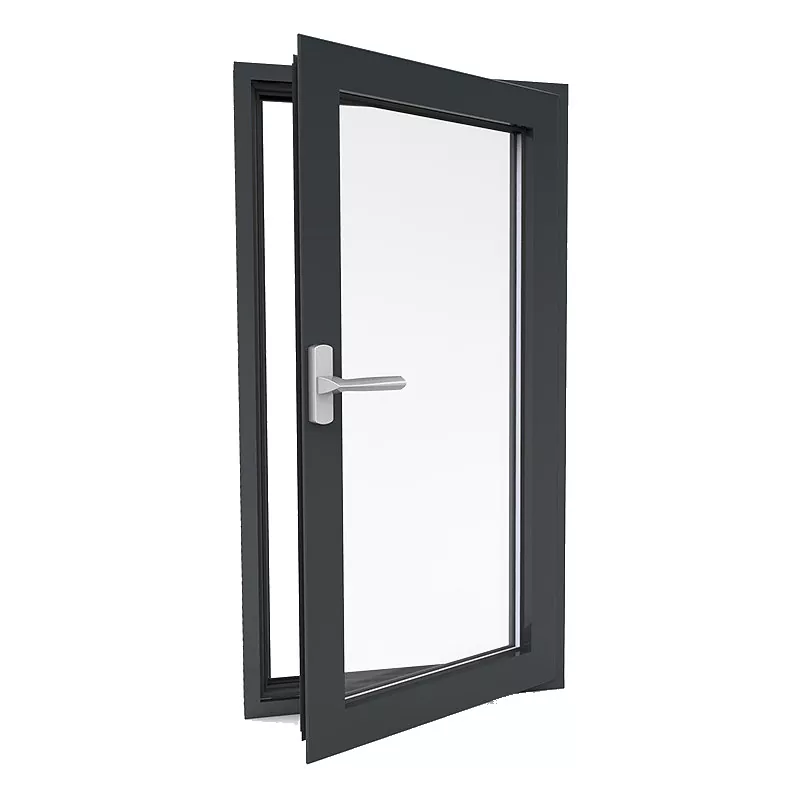
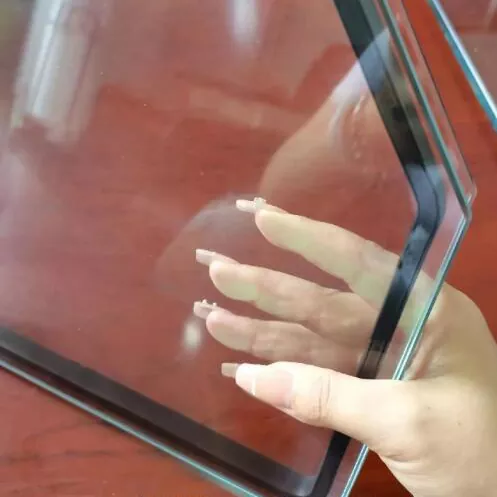
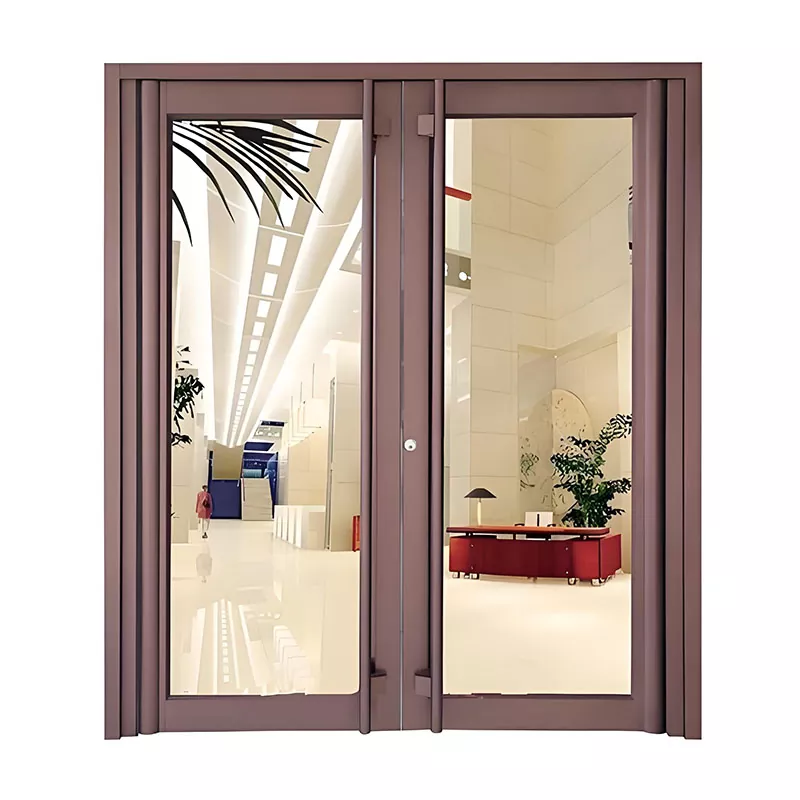
Hot Products
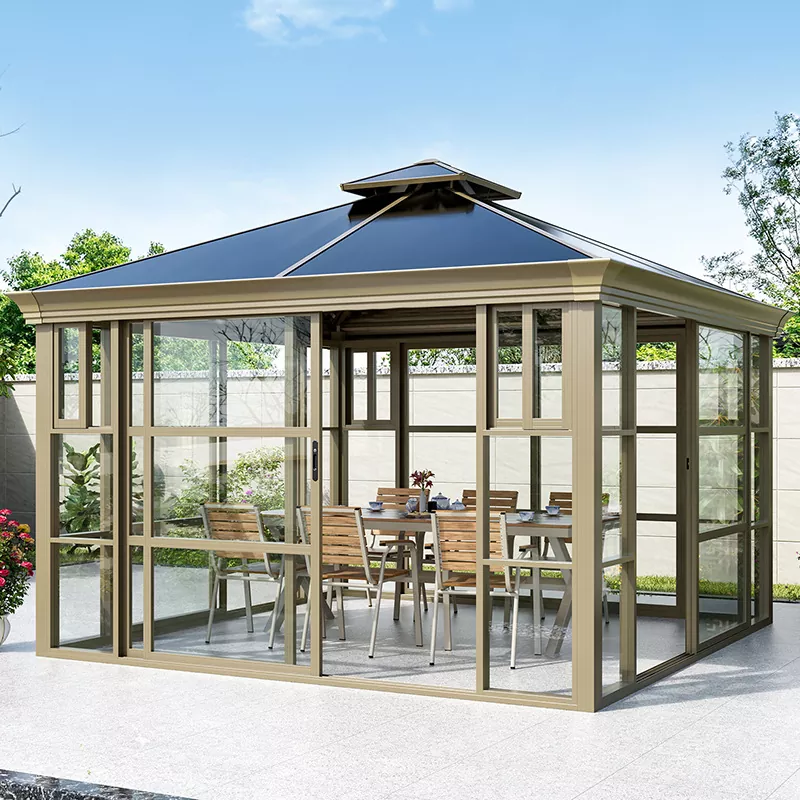
Wooden Sunroom
Duoping excels in manufacturing wooden sunrooms with advanced wood processing and anti-corrosion technologies. As a professional supplier, it provides customized solutions featuring natural aesthetics, eco-friendliness and durability, suitable for villas and high-end residences. Wholesale orders are supported, with reliable after-sales service and a service life of 12–15 years for outdoor use.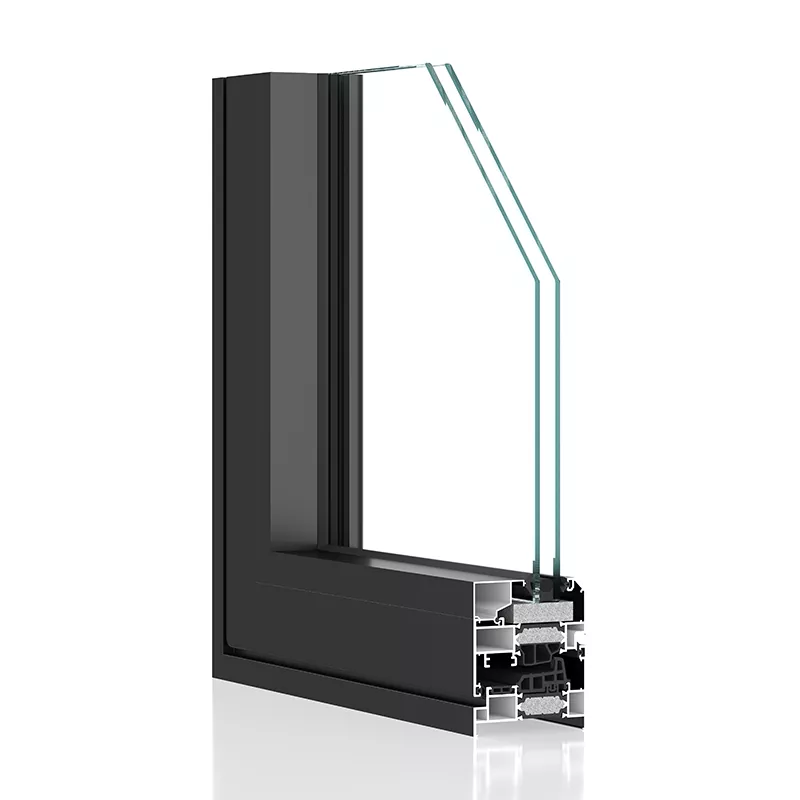
Soundproof Windows
Duoping is a professional manufacturer and supplier of soundproof windows, featuring advanced composite soundproof glass and multi-layer sealing technology. This product delivers ≥40dB sound insulation, ideal for noise-sensitive environments like streetside homes and laboratories. We support customized glass and frame designs, welcome wholesale orders, and provide reliable noise-reduction solutions for global construction projects.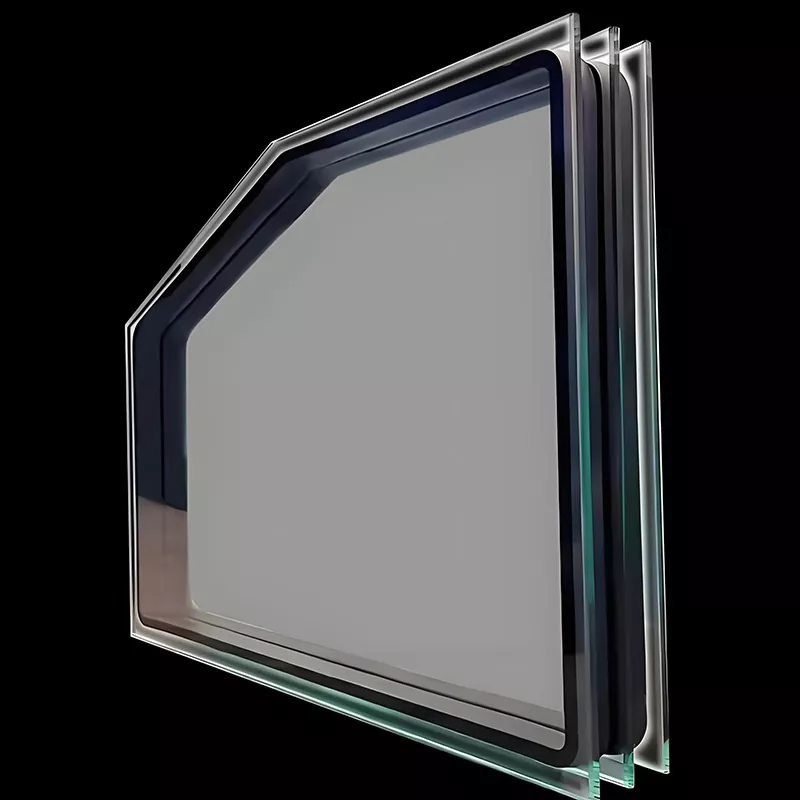
4SG Insulated Glass
Duoping is a professional R&D, production and supplier of 4SG insulated glass. Relying on the integrated warm-edge sealing tape process, combined with low-emissivity (Low-e) coating and high-purity argon gas filling core technologies, we produce high-end energy-saving glass featuring no thermal bridge, high airtightness and easy installation. As a core material for the renovation of old residential communities and general energy-saving buildings, our products are widely used in residential doors and windows, office building curtain walls, buildings in noise-sensitive areas and other scenarios. With high cost performance and stable performance, our products cover the national market. We sincerely look forward to working with you to provide customized glass solutions for various energy-saving building projects.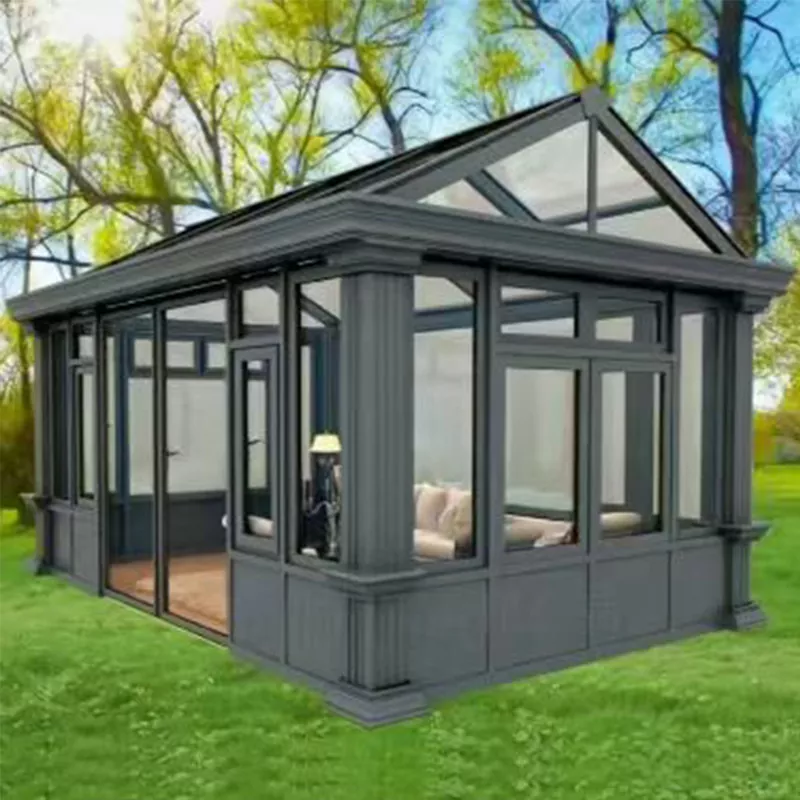
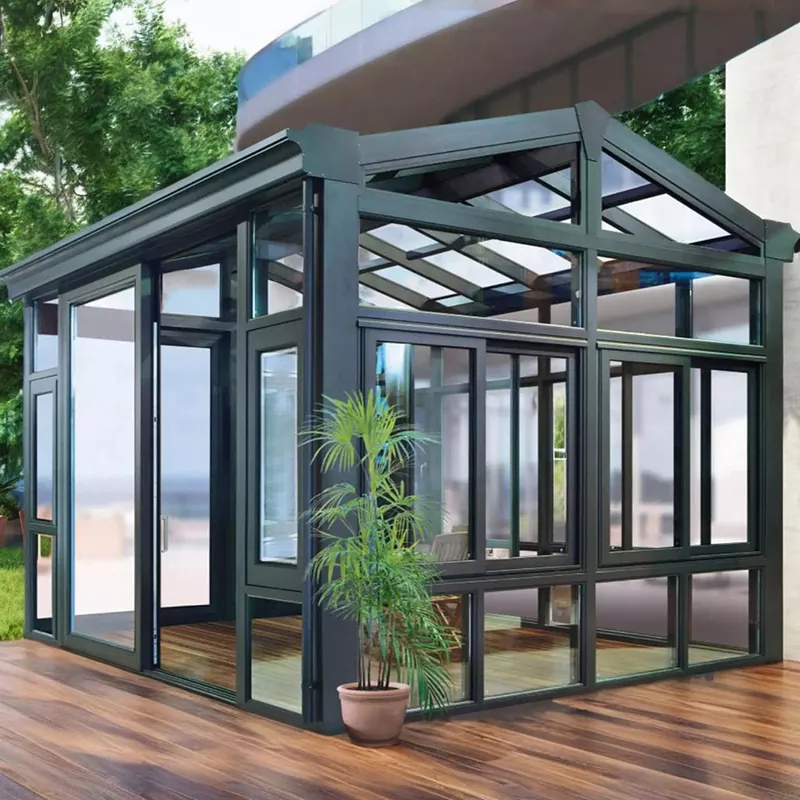
System Sunroom
Duoping stands out as a professional manufacturer and supplier of System Sunroom, with advanced integrated design and strict quality control. It provides customized modular solutions featuring high component compatibility, fast installation and excellent wind resistance, suitable for high-end residential outdoor spaces. Wholesale orders are supported, with reliable after-sales service and a service life of over 30 years.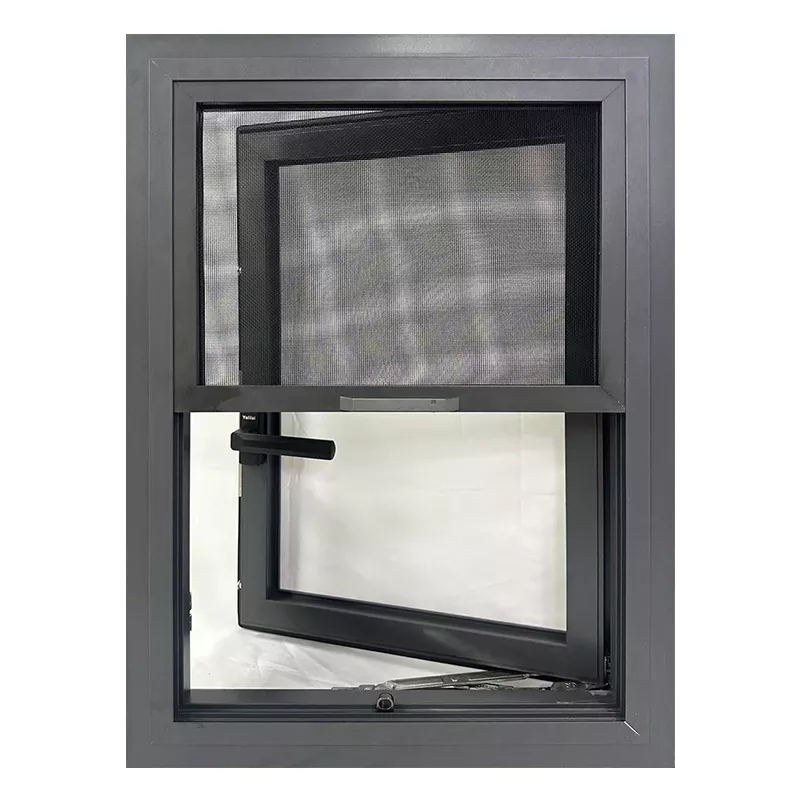
Powder coated Aluminum Alloy Windows
Duoping excels as a professional manufacturer and supplier of powder coated aluminum alloy windows, with advanced electrostatic powder coating technology and strict quality control. This product features customizable colors, strong wear and corrosion resistance, ideal for home and commercial use. We support customized designs and welcome wholesale orders, providing cost-effective window solutions for various construction projects.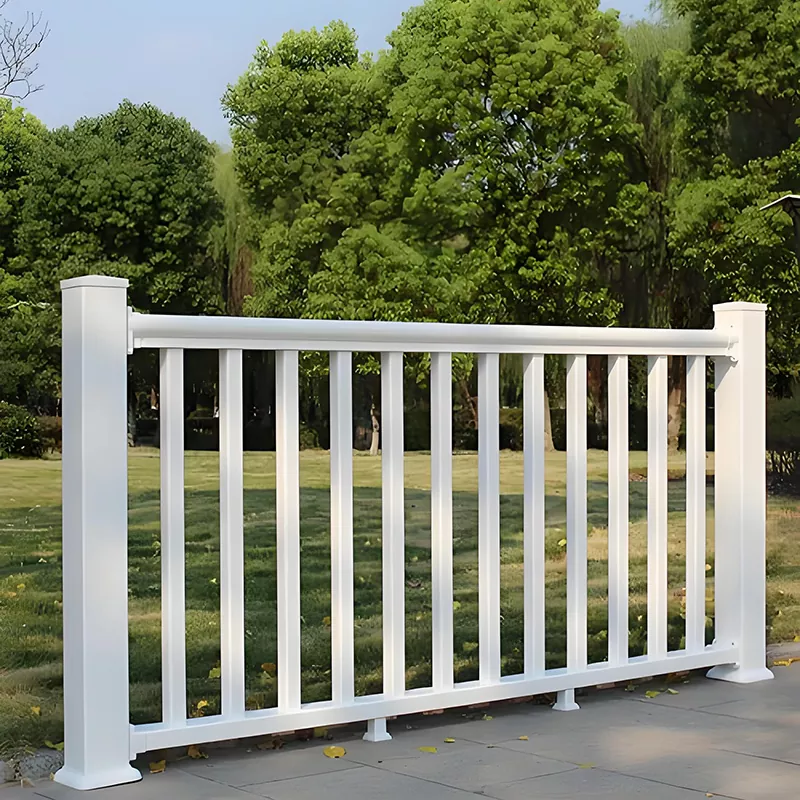
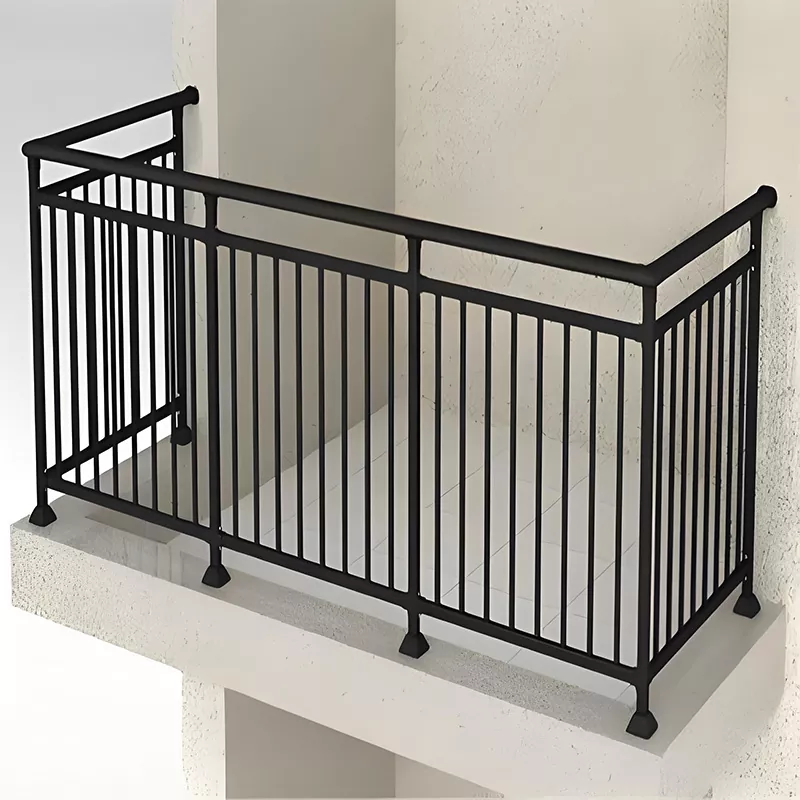
PVC Railings
Duoping stands as a professional manufacturer and supplier of PVC railings, featuring advanced extrusion and co-extrusion technologies. These railings deliver excellent corrosion resistance, easy installation and low maintenance, ideal for residential, municipal and commercial protection projects. We support customized sizes and colors, welcome wholesale orders, and provide cost-effective railing solutions for large-scale construction procurement.
- Related Blog
- Reviews

Send Inquiry
-
E-mail
X
We use cookies to offer you a better browsing experience, analyze site traffic and personalize content. By using this site, you agree to our use of cookies.
Privacy Policy
News
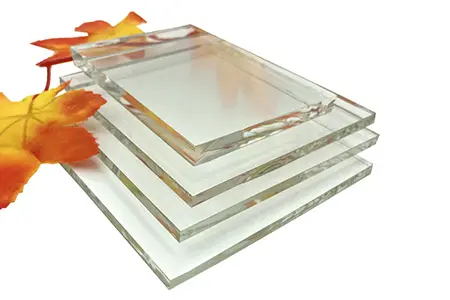 Explaining the key points and safety guidelines for installing white glass2026/01/28
During the installation process, precise operation and detailed handling are particularly crucial. For the installation of white glass in different scenarios, differentiated specifications must be followed. When installing white glass for doors and windows, the glass surface orientation must comply ......
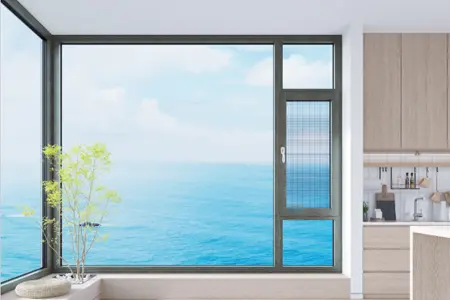 Know these 6 key indicators of aluminum alloy door and window materials!2026/01/28
The series number indicates the thickness of the door frame in millimeters. Aluminum alloy sliding doors are available in 70 and 90 series; the 70 series is sufficient for interior residential aluminum alloy sliding doors.