 English
 Español
  Português
  русский
  Français
  日本語
日本語  Deutsch
  tiếng Việt
  Italiano
  Nederlands
  ภาษาไทย
  Polski
  한국어
한국어  Svenska
  magyar
  Malay
Malay  বাংলা ভাষার
  Dansk
Dansk  Suomi
Suomi  हिन्दी
  Pilipino
  Türkçe
  Gaeilge
  العربية
  Indonesia
  Norsk
Norsk  تمل
تمل  český
český  ελληνικά
  український
  Javanese
  فارسی
فارسی  தமிழ்
தமிழ்  తెలుగు
  नेपाली
  Burmese
  български
  ລາວ
ລາວ  Latine
  Қазақша
  Euskal
  Azərbaycan
  Slovenský jazyk
  Македонски
  Lietuvos
  Eesti Keel
  Română
  Slovenski
  मराठी
मराठी  Srpski језик

Call Us
+86-15805363117
Email Us
dopinew@gmail.com
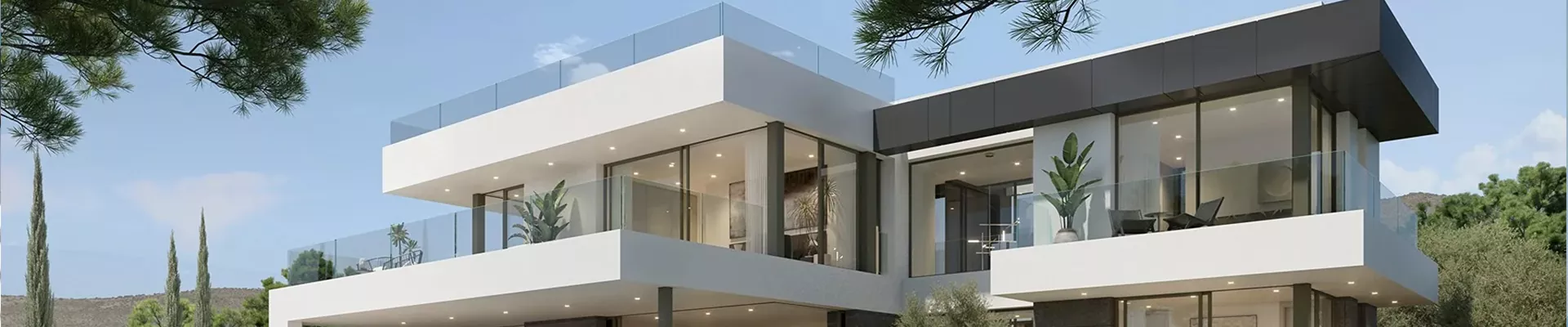
Low-E Coated Energy Efficient Windows
Engineered to transform building thermal dynamics, low-E coated windows represent a pinnacle of glazing innovation by reflecting infrared heat while allowing natural light transmission. Our product range delivers tailored solutions across project scales, integrating high-performance features seamlessly. For projects demanding maximum safety with thermal integrity, Insulated Tempered Glass Energy Saving Windows provide robust impact resistance alongside exceptional U-factors. Homeowners seeking to slash cooling and heating loads will find Residential Energy-efficient Windows engineered to balance comfort with remarkable yearly energy savings. In corporate and industrial sectors, Commercial Energy Saving Windows deliver scalable energy conservation without compromising facade aesthetics. The structural backbone often involves Aluminum Frame Energy-efficient Windows, where thermally broken profiles prevent conductive loss, ensuring the entire assembly meets rigorous efficiency benchmarks.
Low-E Coated Energy Efficient Windows incorporate advanced microscopically thin metallic oxide layers bonded to glass surfaces during manufacturing. This coating manages solar spectrum behavior—admitting short-wave visible light while rejecting long-wave radiant heat. The result is a year-round buffer: interiors stay cooler under summer sun and retain furnace warmth during winter, directly lowering HVAC demand. Key performance parameters define the selection criteria for architects and contractors. Below are core specifications that ensure optimal energy outcomes.
- Glass Configuration: Double-glazed units with one or two low-E surfaces; triple-glazed variants available for extreme climates.
- Gas Fill: Argon (90% concentration) or krypton blends in sealed cavities to suppress convective heat transfer.
- Warm-Edge Spacer: Stainless steel or polymer composite spacers reduce perimeter condensation and boost edge u-value by up to 15%.
- Coatings: Sputtered low-E type with emissivity values as low as 0.02, tuned for solar control or passive heating strategies.
- Frame Compatibility: Extruded aluminum with polyamide thermal breaks (1.2 W/m·K), also adaptable with vinyl or fiberglass profiles.
- Condensation Resistance: Rated above 65 on the AAMA scale, minimizing moisture buildup in humid regions.
The following table summarizes typical performance ranges for two common product tiers within the Low-E Coated Energy Efficient Windows lineup, illustrating how glass and gas combinations directly impact measurable energy metrics.
| Parameter | Standard Double-Glazed Unit | High-Performance Triple-Glazed Unit |
| U-Factor (Imperial) | 0.29 - 0.31 | 0.18 - 0.22 |
| Solar Heat Gain Coefficient | 0.35 - 0.42 | 0.20 - 0.28 |
| Visible Light Transmittance | 58% - 65% | 45% - 52% |
| Sound Reduction (OITC) | 28 - 30 | 32 - 36 |
| Typical Gas Fill | Argon | Krypton/Argon Mix |
| Overall Unit Thickness | 24 mm - 26 mm | 36 mm - 42 mm |
Beyond these tabulated values, customization options include variable gap widths from 12 mm to 20 mm, selective low-E positions (surface #2 or #3), and laminated outer panes for storm-prone zones. Each unit undergoes stringent quality checks for seal integrity and optical clarity, complying with EN 1279 or ASTM E2190 standards. The combination of low-e coating technology with insulated glazing results in a window system that actively manages energy flow, making it a cornerstone component for net-zero and passive house design benchmarks.
Related Products
Hot Products
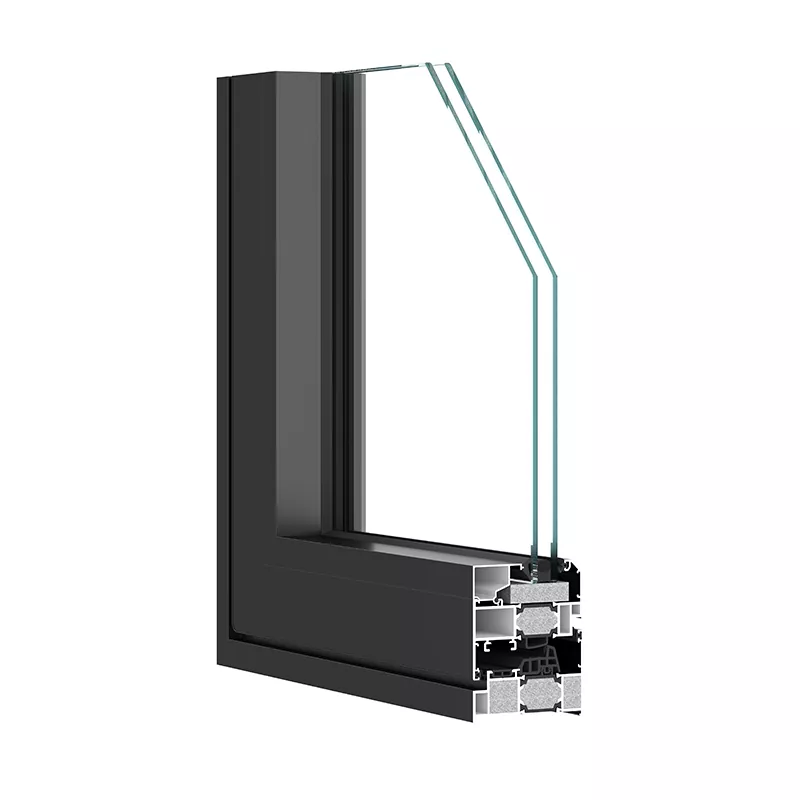
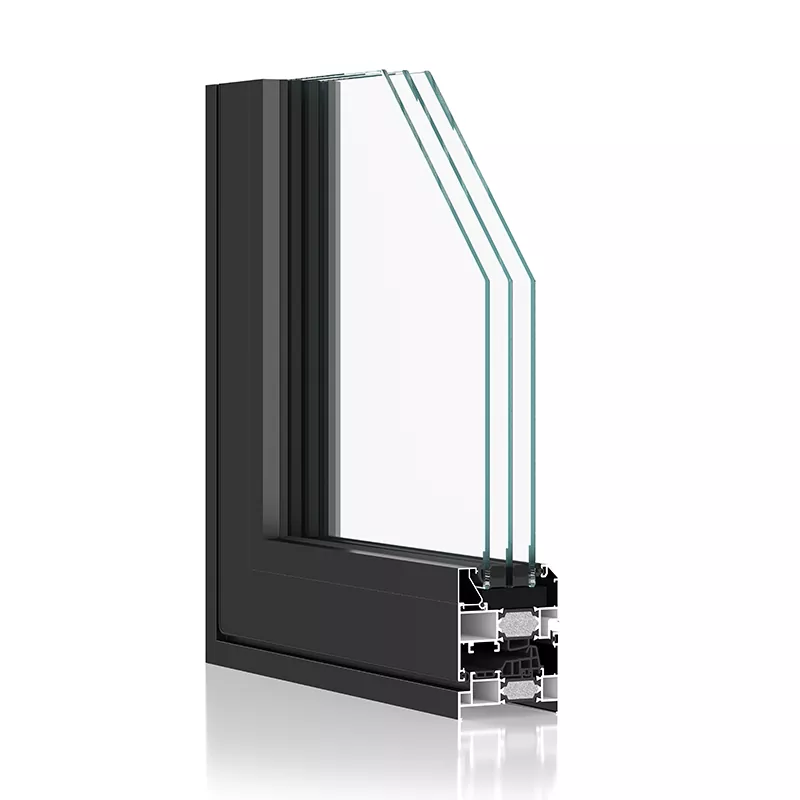
Thermal Break Windows
Duoping is a professional manufacturer and supplier of thermal break windows, featuring advanced thermal break technology and strict quality control. This product delivers excellent energy efficiency and sound insulation, suitable for all climate zones. We offer customized designs and welcome wholesale orders, providing reliable energy-saving window solutions for residential and commercial construction projects.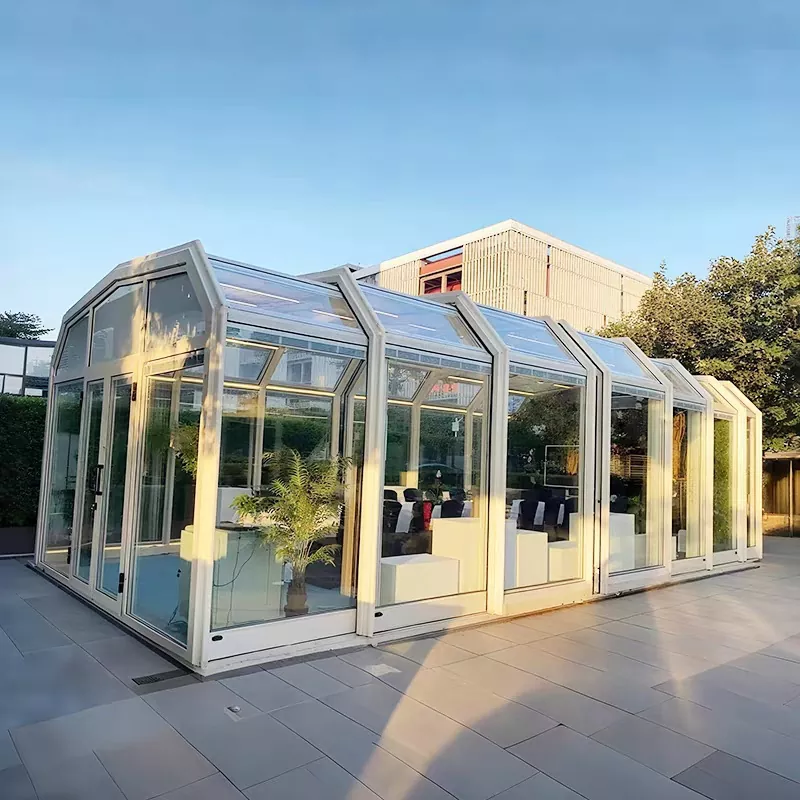
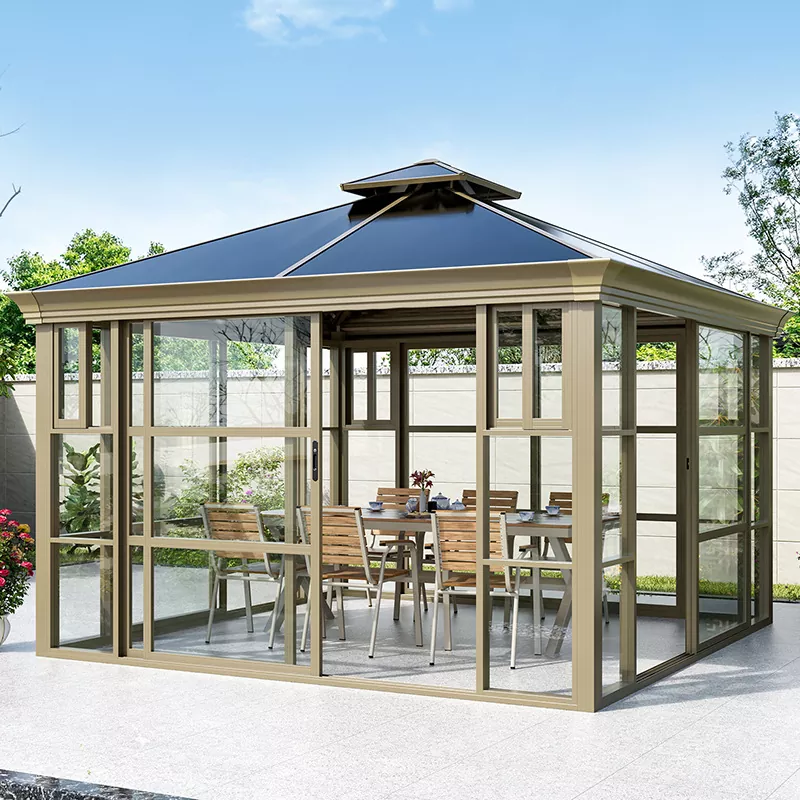
Aluminum-Wood Sunroom
Duoping is a professional manufacturer and supplier of Aluminum-Wood Sunroom, with advanced composite technology and strict quality control. It provides customized solutions featuring aluminum-wood fusion, long durability and excellent sealing, suitable for high-end residences. Wholesale orders are supported, with reliable after-sales service and a service life of over 25 years.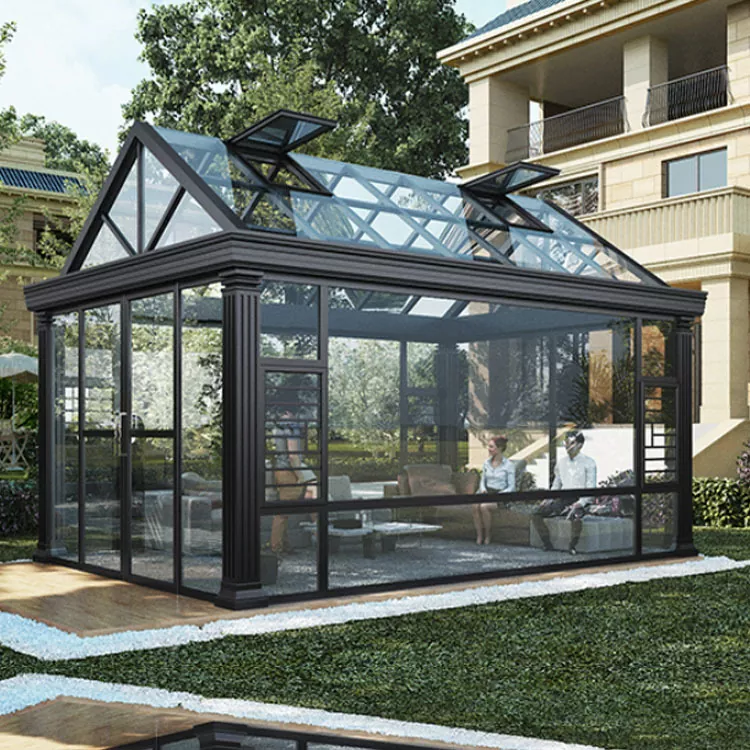
Thermal Break Aluminum Alloy Sunroom
Duoping is a professional manufacturer and supplier of Thermal Break Aluminum Alloy Sunroom, with advanced thermal break technology and strict quality control. Its customized solutions offer great thermal insulation, all-weather durability and sealing, suitable for villas and leisure spaces. Wholesale orders are supported, with reliable after-sales service and a long service life of over 30 years.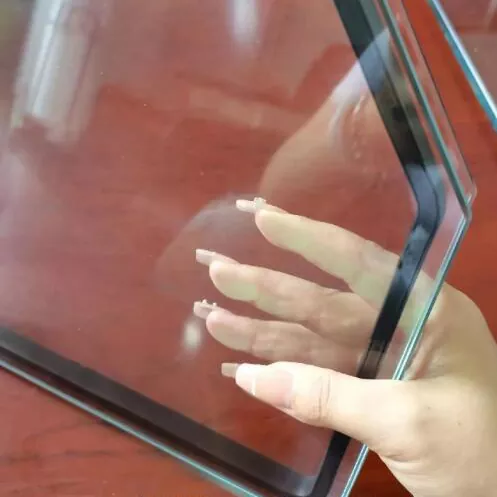
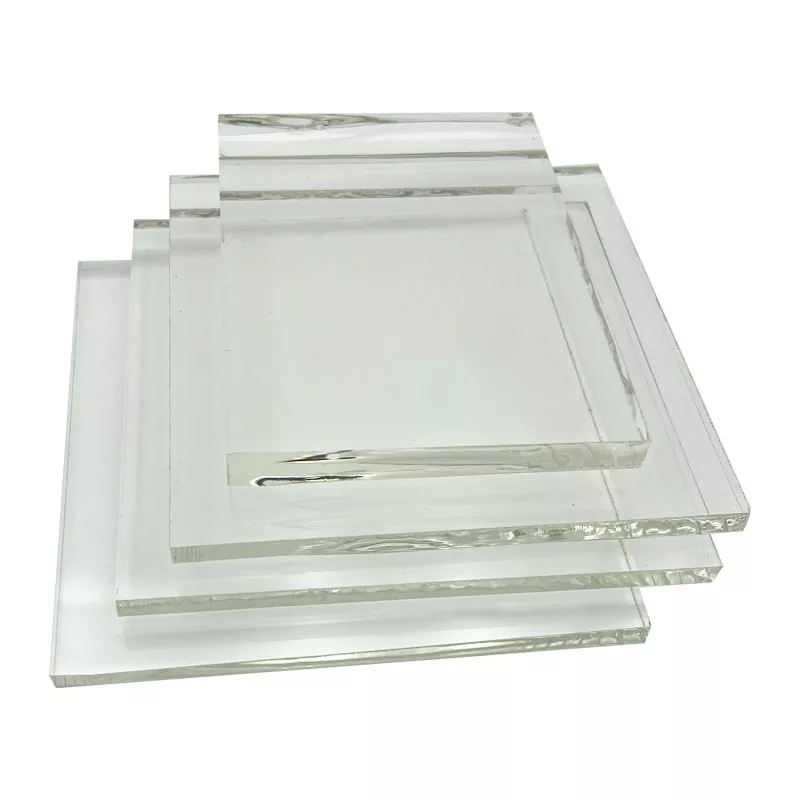
Flexible Warm edge Glass
Duoping stands as a professional manufacturer and supplier, delivering high-quality flexible warm edge glass with advanced polymer sealant technology. This product adapts to curved frames, eliminates cold bridges, and offers stable energy-saving performance for complex building projects. We provide customized solutions and welcome wholesale orders, serving retrofitting and cold-region construction needs with reliable quality.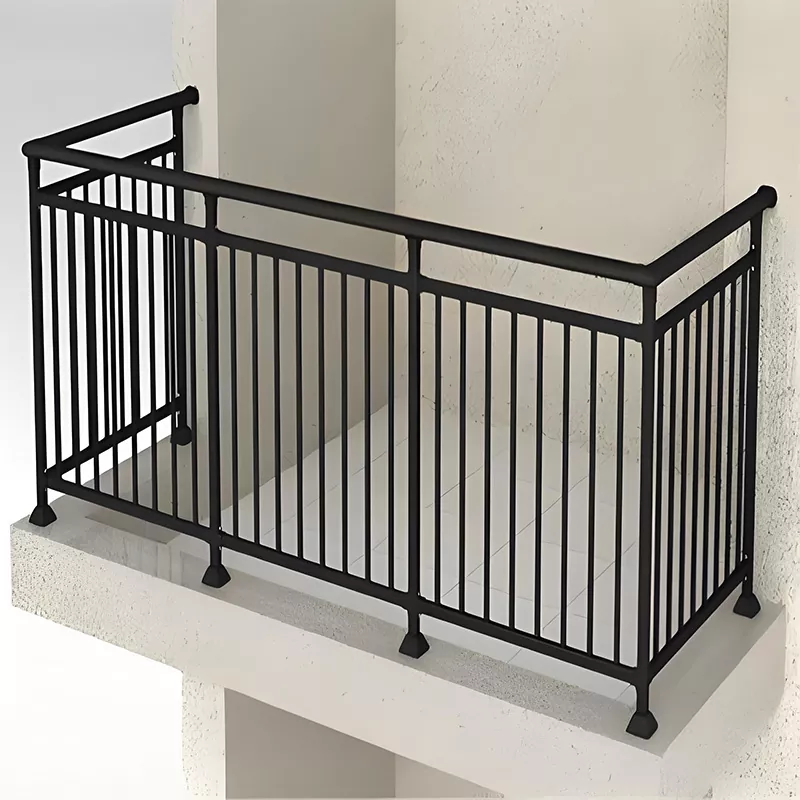
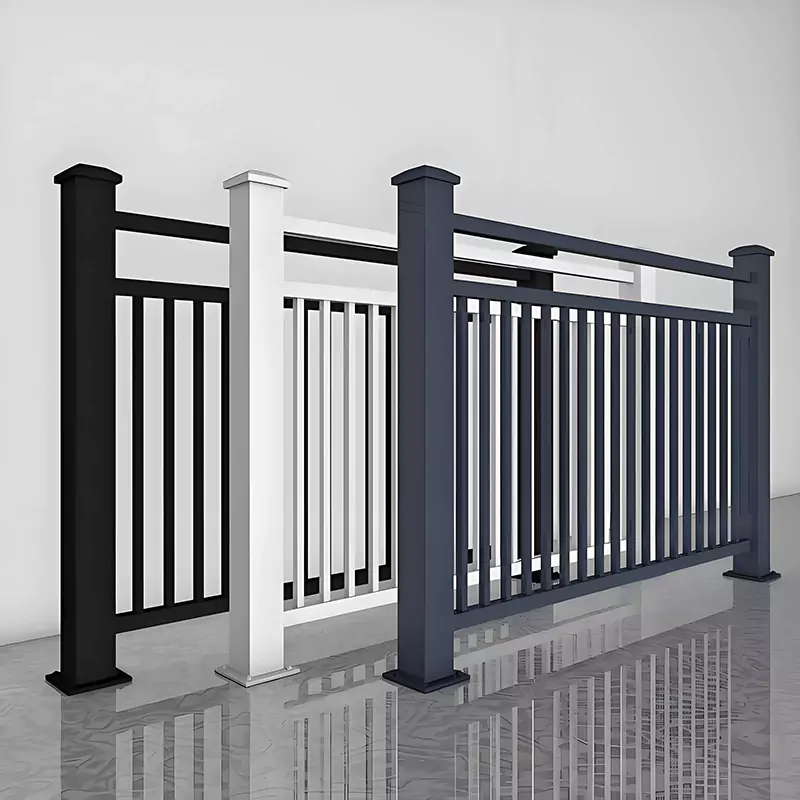
Aluminum Alloy Railings
Duoping is a professional manufacturer and supplier of aluminum alloy railings, with advanced surface treatment and strict quality control. These railings feature lightweight structure, corrosion resistance and long service life, suitable for balconies, stairs and municipal projects. We support customized designs and welcome wholesale orders, providing reliable protection solutions for various construction needs.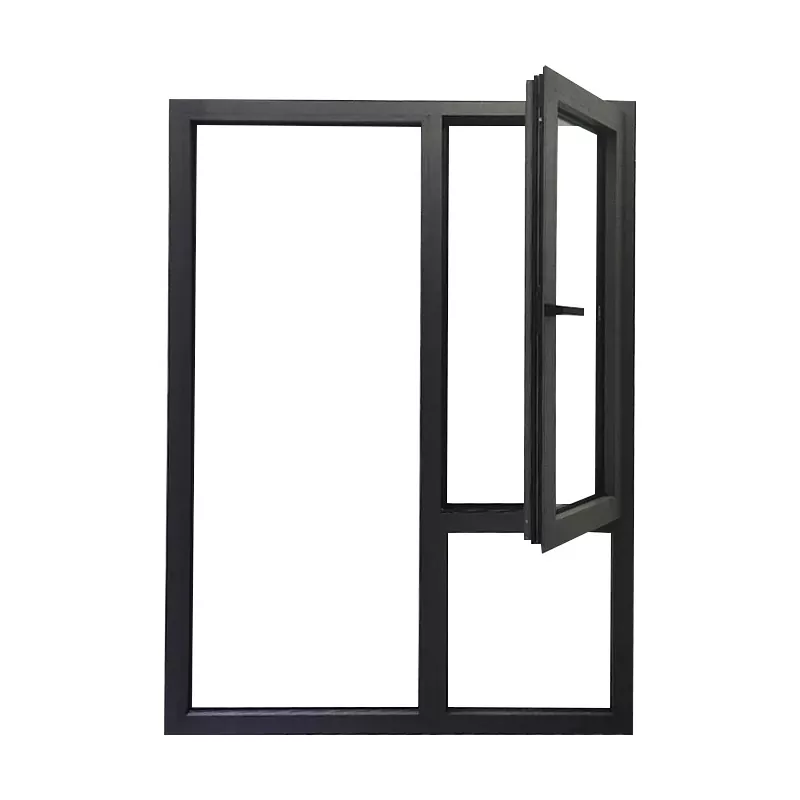
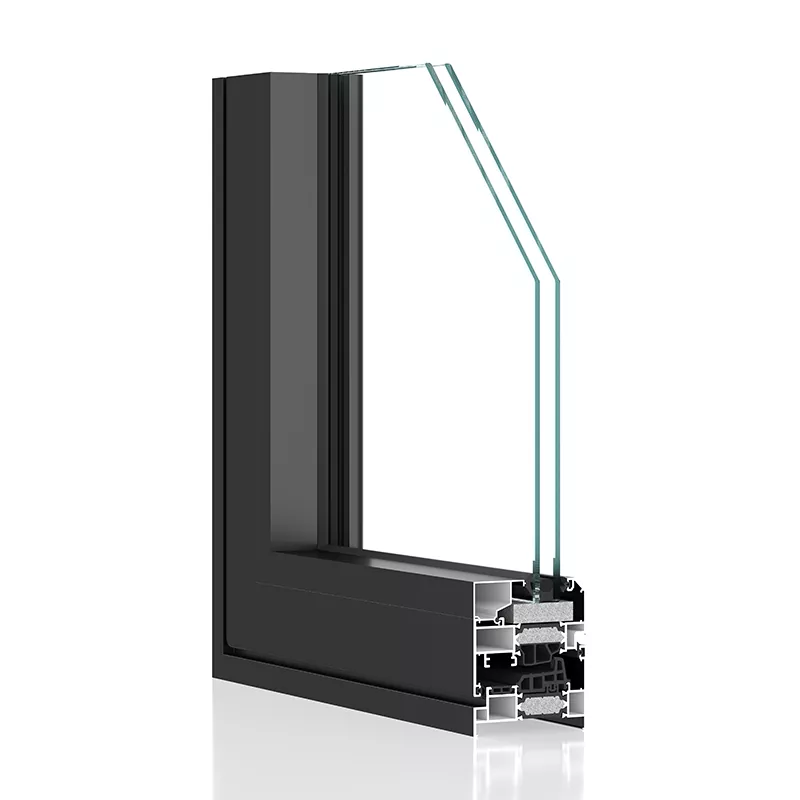
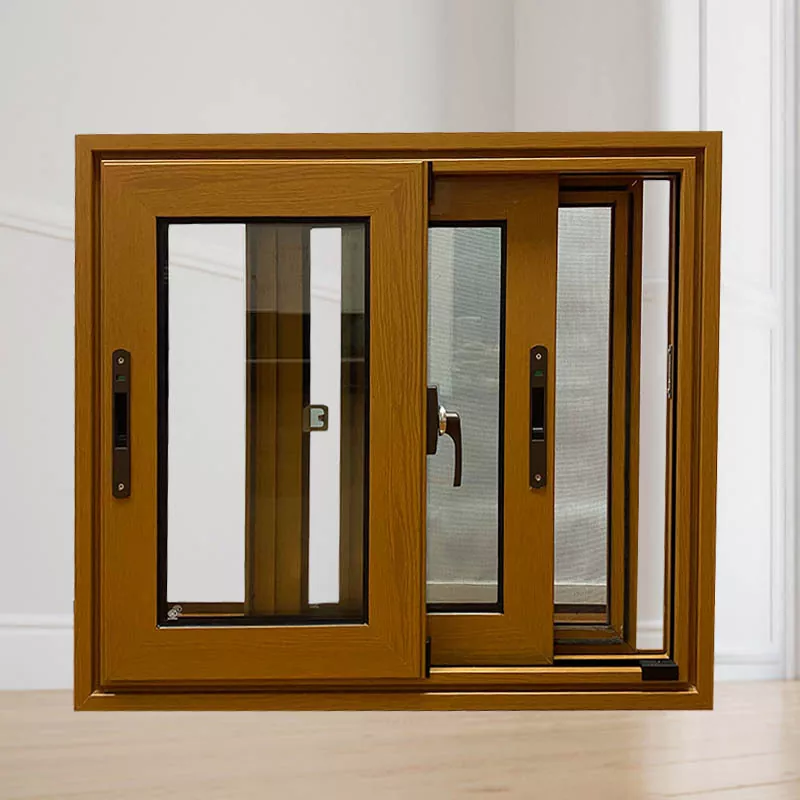
Fluorocarbon Coated Aluminum Alloy Windows
Duoping is a professional manufacturer and supplier, delivering high-quality fluorocarbon coated aluminum alloy windows with advanced three-coat two-bake technology. This product features exceptional weather resistance and long-lasting color, ideal for high-end villas and coastal projects. We support customized designs and welcome wholesale orders, providing premium window solutions for luxury construction procurement.
- Related Blog
- Reviews

Send Inquiry
-
E-mail
X
We use cookies to offer you a better browsing experience, analyze site traffic and personalize content. By using this site, you agree to our use of cookies.
Privacy Policy
News
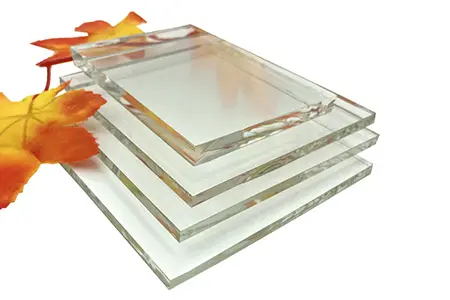 Explaining the key points and safety guidelines for installing white glass2026/01/28
During the installation process, precise operation and detailed handling are particularly crucial. For the installation of white glass in different scenarios, differentiated specifications must be followed. When installing white glass for doors and windows, the glass surface orientation must comply ......
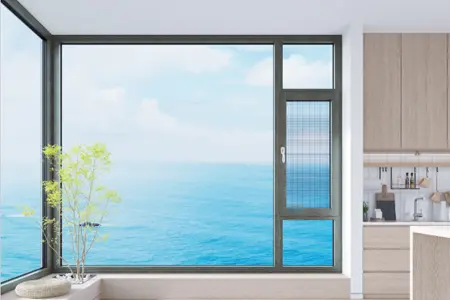 Know these 6 key indicators of aluminum alloy door and window materials!2026/01/28
The series number indicates the thickness of the door frame in millimeters. Aluminum alloy sliding doors are available in 70 and 90 series; the 70 series is sufficient for interior residential aluminum alloy sliding doors.