 English
 Español
  Português
  русский
  Français
  日本語
日本語  Deutsch
  tiếng Việt
  Italiano
  Nederlands
  ภาษาไทย
  Polski
  한국어
한국어  Svenska
  magyar
  Malay
Malay  বাংলা ভাষার
  Dansk
Dansk  Suomi
Suomi  हिन्दी
  Pilipino
  Türkçe
  Gaeilge
  العربية
  Indonesia
  Norsk
Norsk  تمل
تمل  český
český  ελληνικά
  український
  Javanese
  فارسی
فارسی  தமிழ்
தமிழ்  తెలుగు
  नेपाली
  Burmese
  български
  ລາວ
ລາວ  Latine
  Қазақша
  Euskal
  Azərbaycan
  Slovenský jazyk
  Македонски
  Lietuvos
  Eesti Keel
  Română
  Slovenski
  मराठी
मराठी  Srpski језик

Call Us
+86-15805363117
Email Us
dopinew@gmail.com
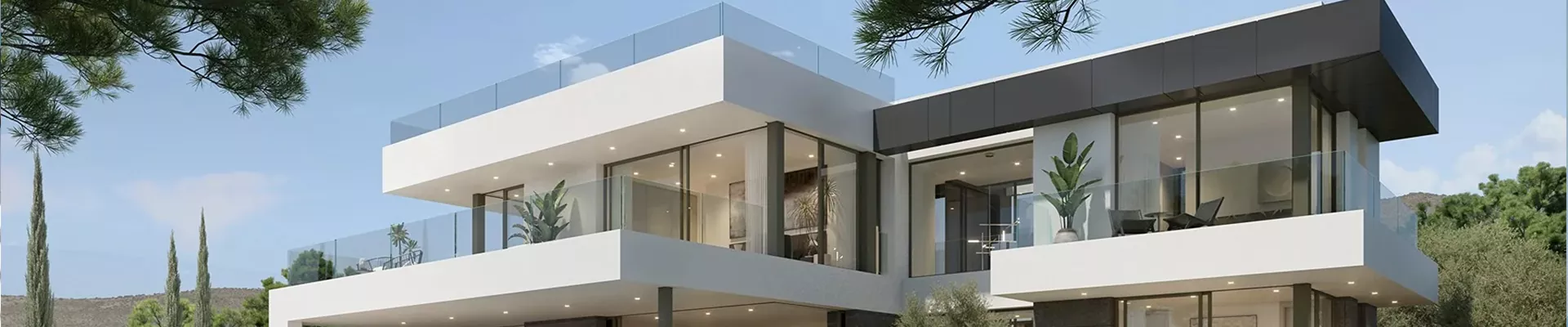
Aluminum Frame Energy-efficient Windows
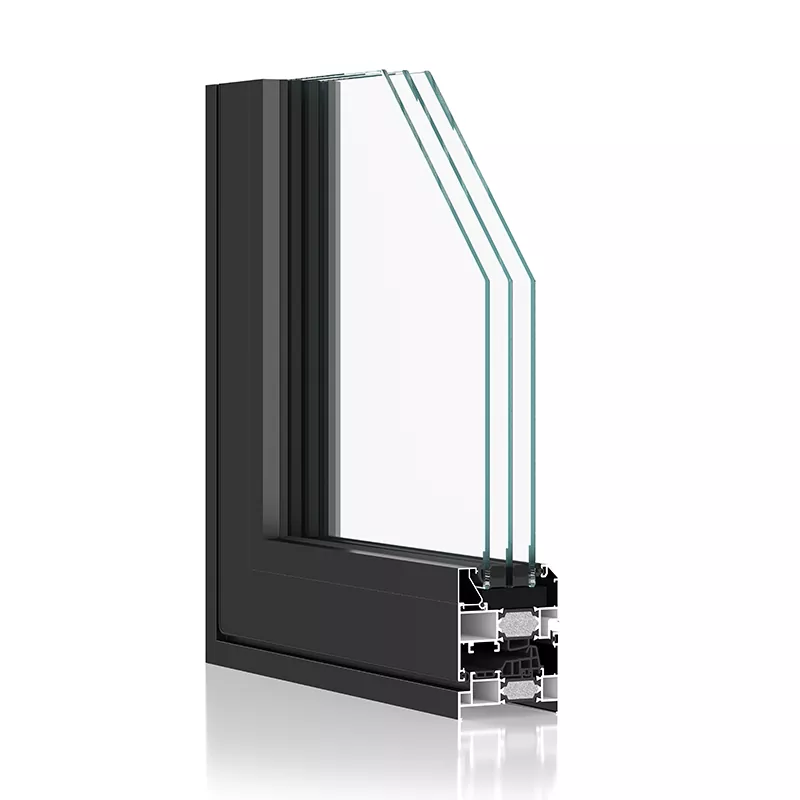
Modern construction demands solutions that balance durability, thermal performance, and sleek design. Our product range integrates cutting-edge glazing technologies, including Low-E Coated Energy Efficient Windows that minimize heat transfer while allowing abundant natural light. For projects requiring enhanced safety and insulation, Insulated Tempered Glass Energy Saving Windows deliver impressive impact resistance alongside thermal efficiency. Whether you’re upgrading a home or a large-scale property, Residential Energy-efficient Windows are engineered to reduce utility costs while complementing architectural aesthetics. Equally robust, Commercial Energy Saving Windows meet stringent energy codes and provide long-term reliability in high-traffic environments. Every aluminum frame we use is thermally broken, corrosion-resistant, and finished with precision coatings to ensure decades of low-maintenance operation. The combination of narrow sightlines and high-strength extrusions allows larger glass areas that maximize daylight harvesting and passive solar gain, key factors in lowering heating and cooling loads. Below are core features that set these systems apart:
- Thermally broken aluminum profiles with polyamide barriers to reduce conductive heat loss
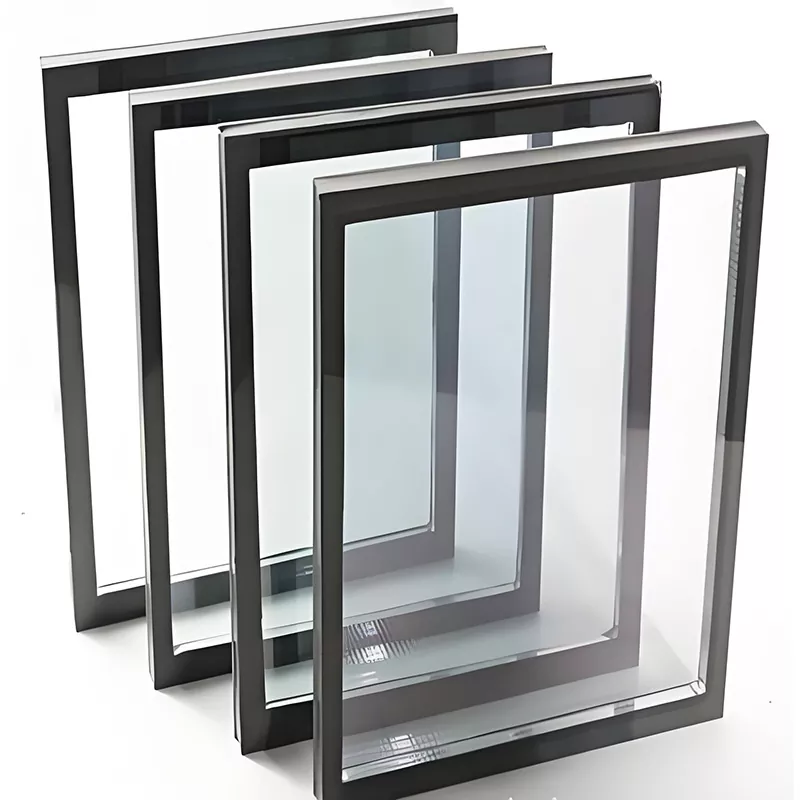
- Double or triple glazing with argon or krypton gas fill options
- Low-E coatings tuned for specific climate zones (solar control or passive heat gain)
- Warm-edge spacer systems that eliminate condensation risks at the glass edge
- Multi-point locking hardware integrated into the frame for enhanced security and airtightness
- Durable powder-coated or anodized finishes available in over 200 colors
- Recycled aluminum content exceeding 75%, supporting LEED and BREEAM certification goals
Aluminum Frame Energy-efficient Windows represent a forward-thinking investment in both comfort and energy savings. The frames are engineered with multi-chamber extrusions that interrupt thermal bridging, while the glazing units achieve U-values as low as 0.15 BTU/hr·ft²·°F in triple-pane configurations. A comprehensive drainage and ventilation system is built into the frame to manage moisture without compromising insulation performance. The following table details the technical parameters of our flagship product line, tested according to NFRC and EN standards. Each unit is assembled under certified quality control, ensuring consistent performance from one project to the next. The narrow profile design lets you maximize the glass-to-wall ratio, creating bright interiors without sacrificing energy efficiency. The aluminum frames also accept triple-seal weatherstripping, which not only blocks drafts but significantly reduces external noise — an advantage in urban or roadside locations. From single-family homes to high-rise office towers, these windows adapt to diverse structural requirements with custom sizing and a wide array of glazing combinations.
| Parameter | Specification | Standard |
|---|---|---|
| Frame material | 6063-T5 thermal break aluminum | EN 755-2 |
| Thermal transmittance (U-factor) | 0.18 – 0.28 BTU/hr·ft²·°F (0.10 – 0.16 W/m²·K) | NFRC 100 / EN 10077 |
| Solar Heat Gain Coefficient (SHGC) | 0.25 – 0.60 (adjustable with Low-E coatings) | NFRC 200 / EN 410 |
| Visible light transmittance | 45% – 72% | EN 410 |
| Air leakage rate | ≤ 0.1 cfm/ft² (≤ 0.5 m³/h·m² at 75 Pa) | ASTM E283 / EN 12207 Class 4 |
| Water penetration resistance | 15 psf (720 Pa) no leakage | ASTM E547 / EN 12208 Class 9A |
| Acoustic performance (Rw) | 35 – 48 dB (depending on glazing) | ISO 140-3 / EN 717-1 |
| Frame depth | 2.36 in (60 mm) profile, available up to 3.15 in (80 mm) | — |
| Glazing thickness range | 0.79 in (20 mm) to 2.36 in (60 mm) triple glazing | — |
| Design pressure rating | +/- 60 psf (2900 Pa) for standard systems | ASTM E330 |
Related Products
Hot Products
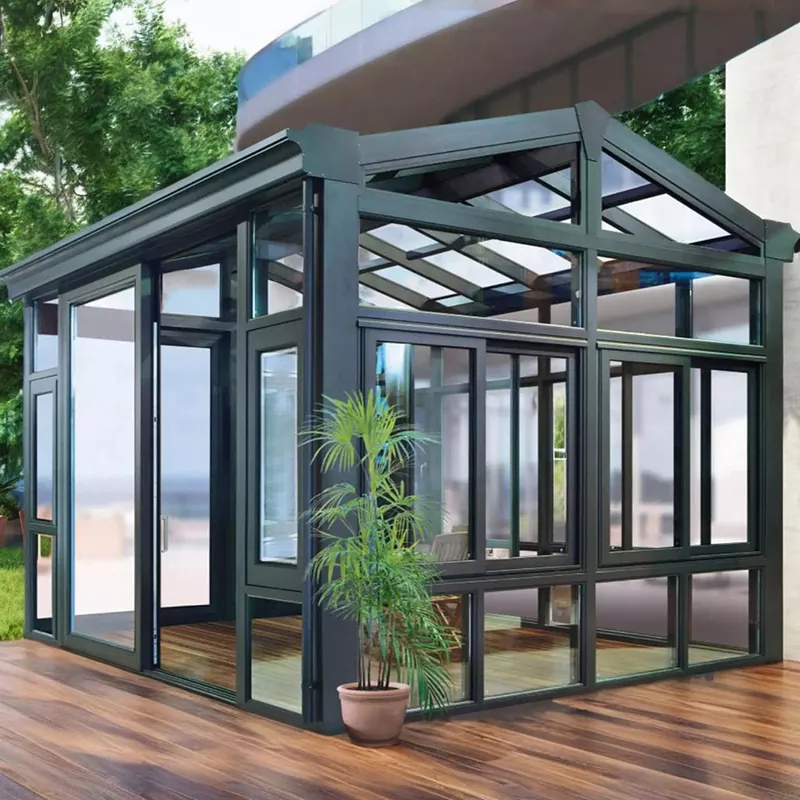
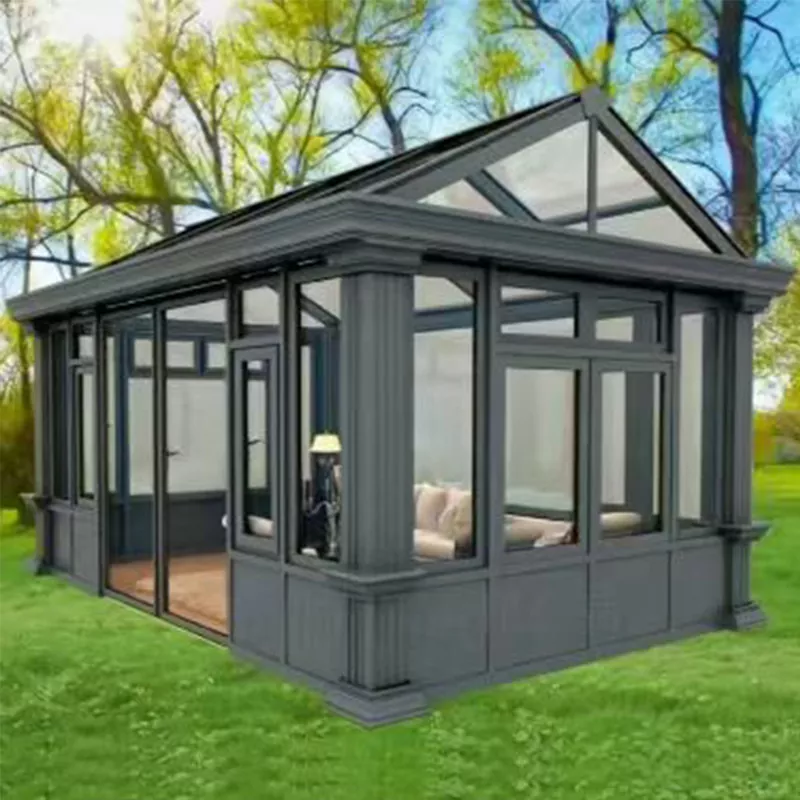
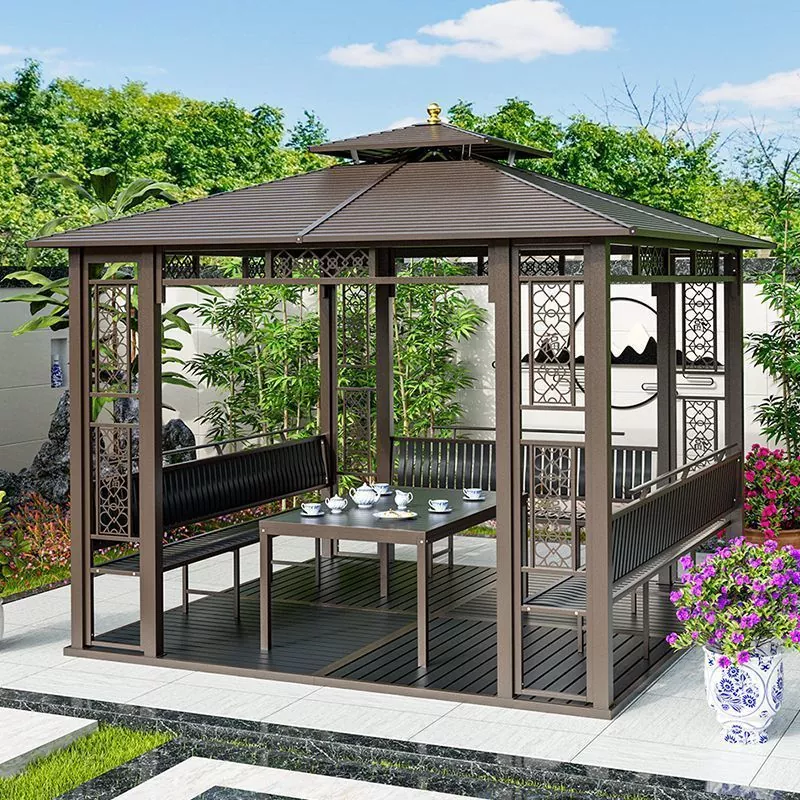
Aluminum Alloy Sunroom
Shandong Duoping New Materials Co., Ltd. is a professional R&D, production and supplier of aluminum alloy sunrooms. With years of deep cultivation in the industry, we rely on a large-scale production system and mature manufacturing technology to forge cost-effective products, which are exported to many regions in Europe and America. We sincerely look forward to working hand in hand with you to become your trustworthy long-term partner in China.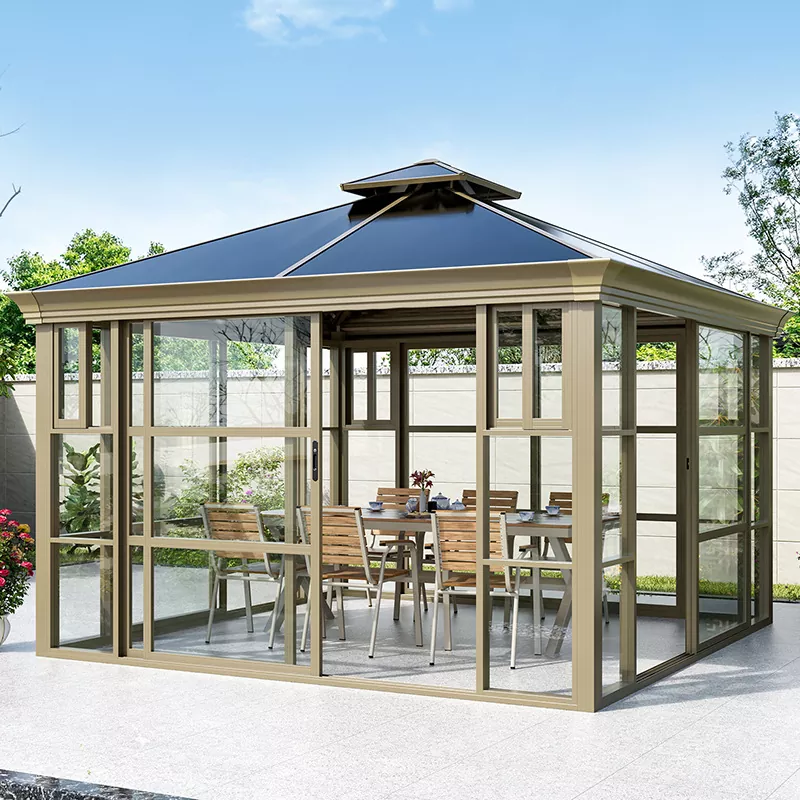
Wooden Sunroom
Duoping excels in manufacturing wooden sunrooms with advanced wood processing and anti-corrosion technologies. As a professional supplier, it provides customized solutions featuring natural aesthetics, eco-friendliness and durability, suitable for villas and high-end residences. Wholesale orders are supported, with reliable after-sales service and a service life of 12–15 years for outdoor use.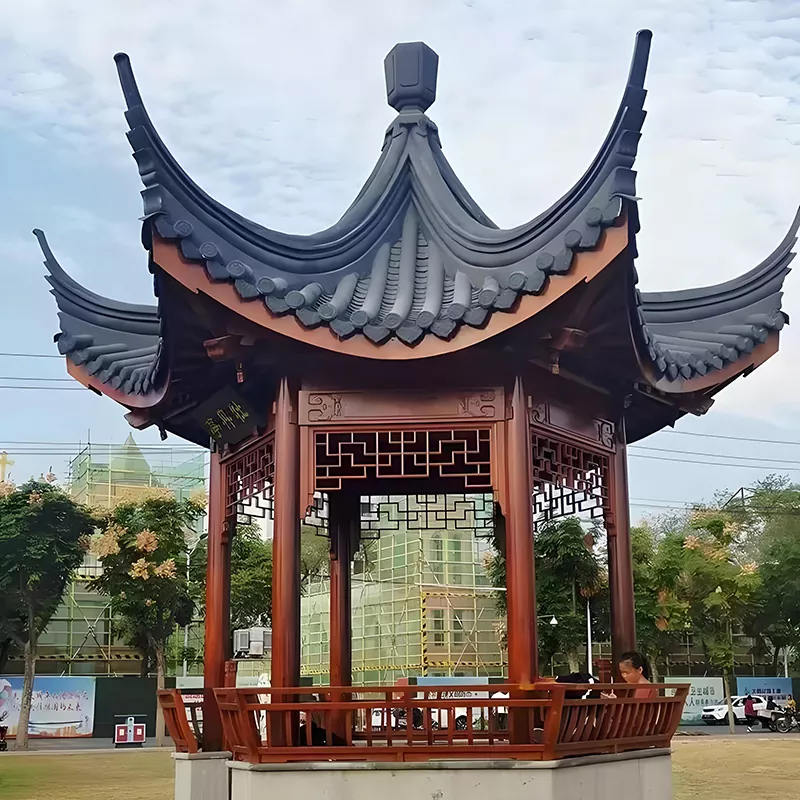
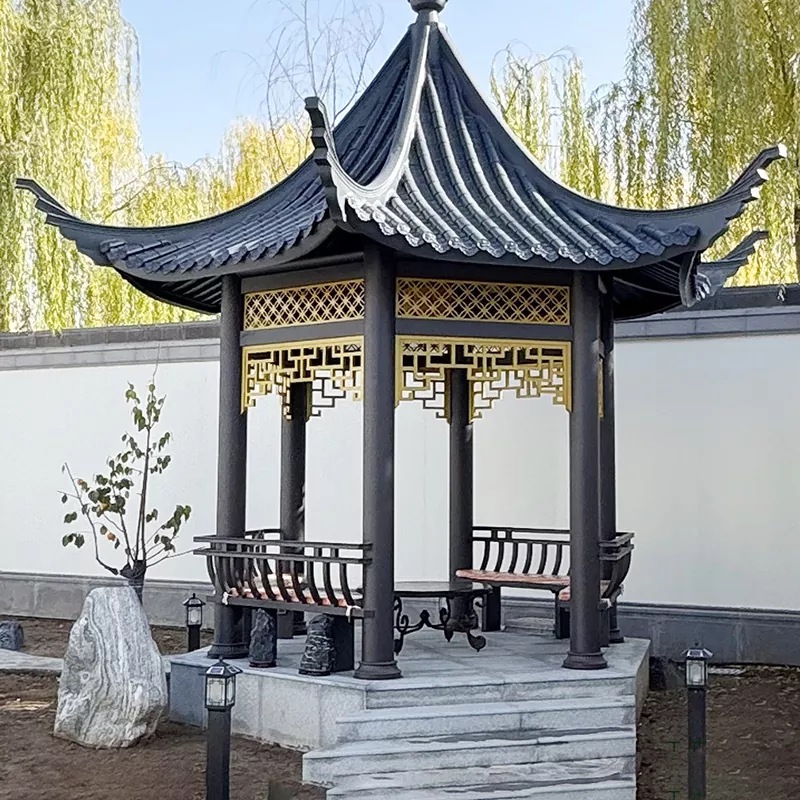
Huizhou-style Pavilions
Duoping is a professional supplier and manufacturer of Huizhou-style pavilions, relying on traditional mortise-and-tenon craftsmanship and hand-carving technologies to ensure high quality. Its products integrate Huizhou architectural charm, durability and cultural texture, widely used in ancient scenic spots and Chinese-style scenarios. The company provides customized solutions, wholesale services and strict quality control, with nationwide delivery and comprehensive after-sales support.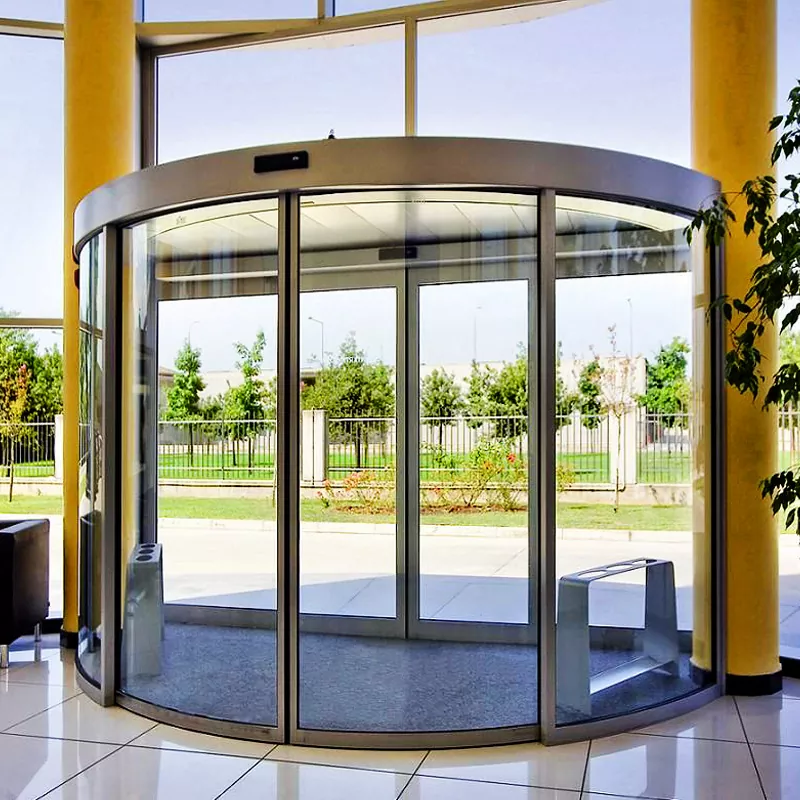
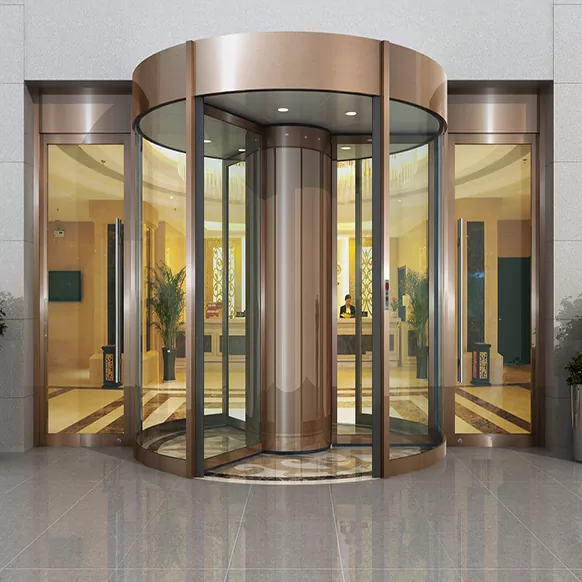
Automatic Sensor Door
Duoping is a professional manufacturer and supplier of high-end automatic sensor doors, equipped with advanced infrared sensing and automatic control technologies to ensure superior quality. Its products are intelligent, safe and durable, with rapid response and good sealing, widely applied in public scenarios like malls, hospitals and office buildings. The company provides customized solutions, wholesale services and strict quality control, along with nationwide delivery and comprehensive after-sales support.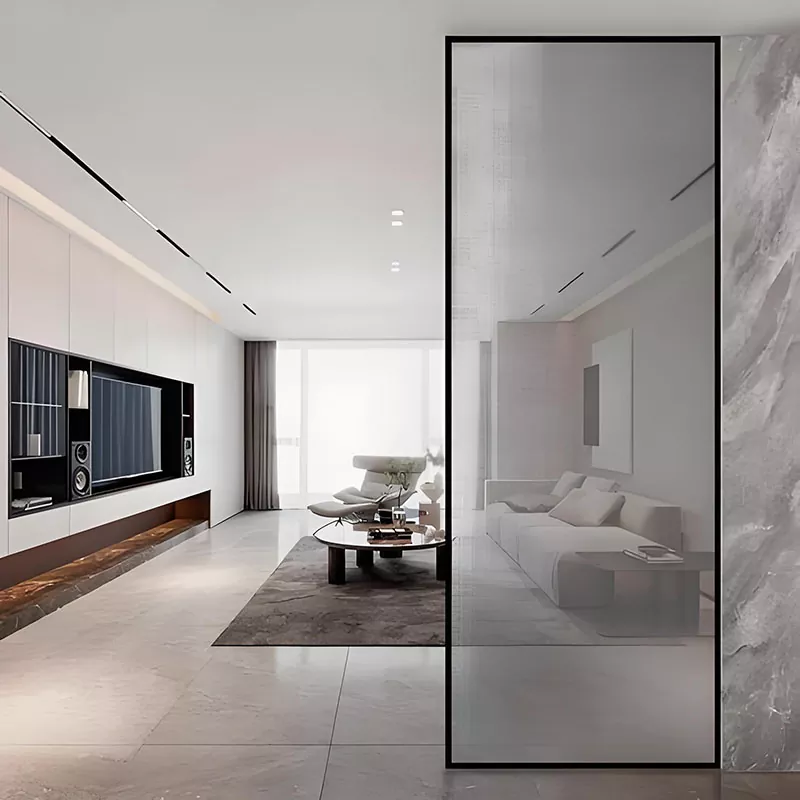
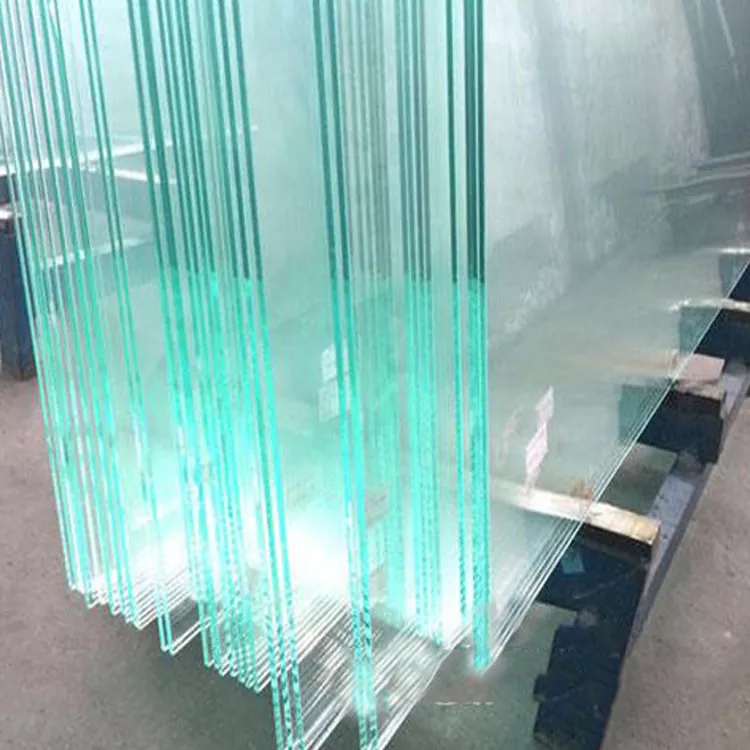
Art Glass
Duoping is a professional manufacturer and supplier of art glass, featuring advanced processing techniques and reliable quality control. This product integrates aesthetic design, privacy protection and safety performance, suitable for residential and commercial decoration scenarios. We support customized patterns and sizes, welcome wholesale orders, and provide high-quality art glass solutions for various personalized building projects.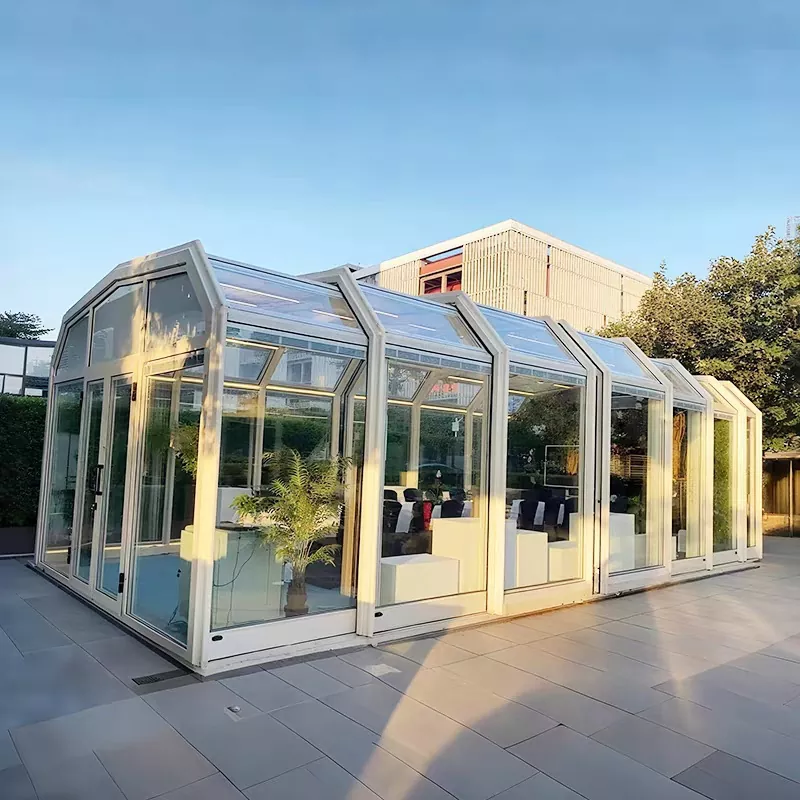
Aluminum-Wood Sunroom
Duoping is a professional manufacturer and supplier of Aluminum-Wood Sunroom, with advanced composite technology and strict quality control. It provides customized solutions featuring aluminum-wood fusion, long durability and excellent sealing, suitable for high-end residences. Wholesale orders are supported, with reliable after-sales service and a service life of over 25 years.
- Related Blog
- Reviews

Send Inquiry
-
E-mail
X
We use cookies to offer you a better browsing experience, analyze site traffic and personalize content. By using this site, you agree to our use of cookies.
Privacy Policy
News
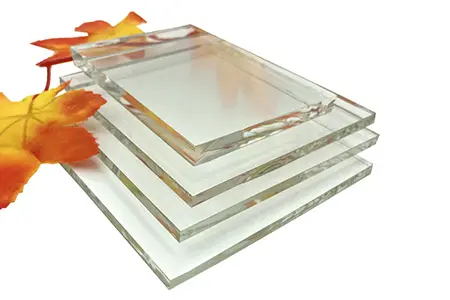 Explaining the key points and safety guidelines for installing white glass2026/01/28
During the installation process, precise operation and detailed handling are particularly crucial. For the installation of white glass in different scenarios, differentiated specifications must be followed. When installing white glass for doors and windows, the glass surface orientation must comply ......
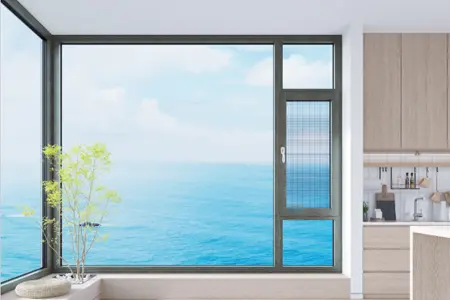 Know these 6 key indicators of aluminum alloy door and window materials!2026/01/28
The series number indicates the thickness of the door frame in millimeters. Aluminum alloy sliding doors are available in 70 and 90 series; the 70 series is sufficient for interior residential aluminum alloy sliding doors.