 English
 Español
  Português
  русский
  Français
  日本語
日本語  Deutsch
  tiếng Việt
  Italiano
  Nederlands
  ภาษาไทย
  Polski
  한국어
한국어  Svenska
  magyar
  Malay
Malay  বাংলা ভাষার
  Dansk
Dansk  Suomi
Suomi  हिन्दी
  Pilipino
  Türkçe
  Gaeilge
  العربية
  Indonesia
  Norsk
Norsk  تمل
تمل  český
český  ελληνικά
  український
  Javanese
  فارسی
فارسی  தமிழ்
தமிழ்  తెలుగు
  नेपाली
  Burmese
  български
  ລາວ
ລາວ  Latine
  Қазақша
  Euskal
  Azərbaycan
  Slovenský jazyk
  Македонски
  Lietuvos
  Eesti Keel
  Română
  Slovenski
  मराठी
मराठी  Srpski језик

Call Us
+86-15805363117
Email Us
dopinew@gmail.com
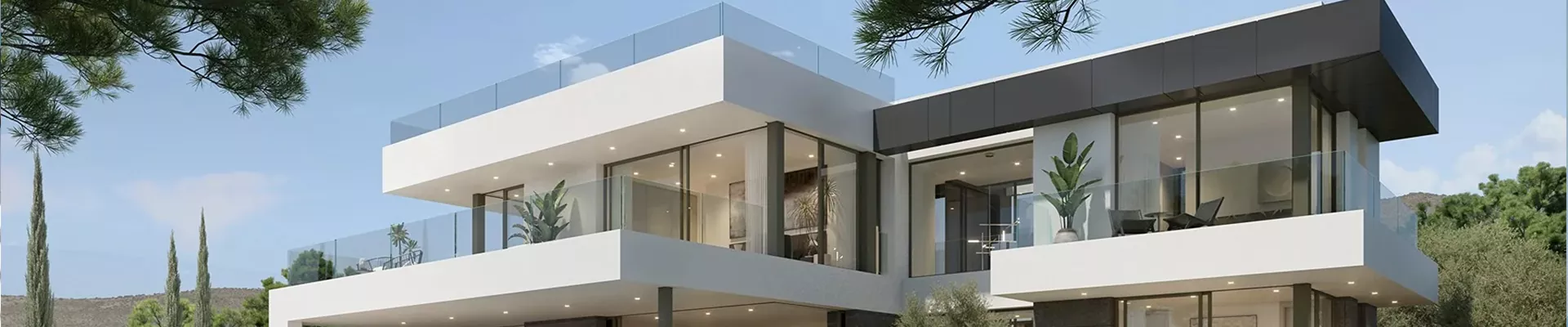
Insulated Tempered Glass Energy Saving Windows
Modern building design demands solutions that balance natural light with thermal performance, and insulated tempered glass energy saving windows deliver exactly that. These advanced glazing systems incorporate multiple layers of tempered glass separated by insulating spacers, creating a thermal barrier that dramatically reduces heat transfer. Unlike standard single-pane installations, this construction method addresses both conductive and convective energy loss, making them an essential component in sustainable architecture. For property owners seeking comprehensive efficiency upgrades, we also offer Low-E Coated Energy Efficient Windows that further enhance solar control by reflecting infrared radiation while maintaining visible light transmission. The versatility of these window systems extends across various applications; Residential Energy-efficient Windows benefit from reduced utility bills and enhanced indoor comfort throughout seasonal changes, while Commercial Energy Saving Windows contribute to lower operational costs and improved occupant productivity in office environments. Additionally, pairing insulated glass units with robust framing solutions such as Aluminum Frame Energy-efficient Windows ensures long-term structural integrity and minimizes air infiltration around the perimeter, completing the thermal envelope.
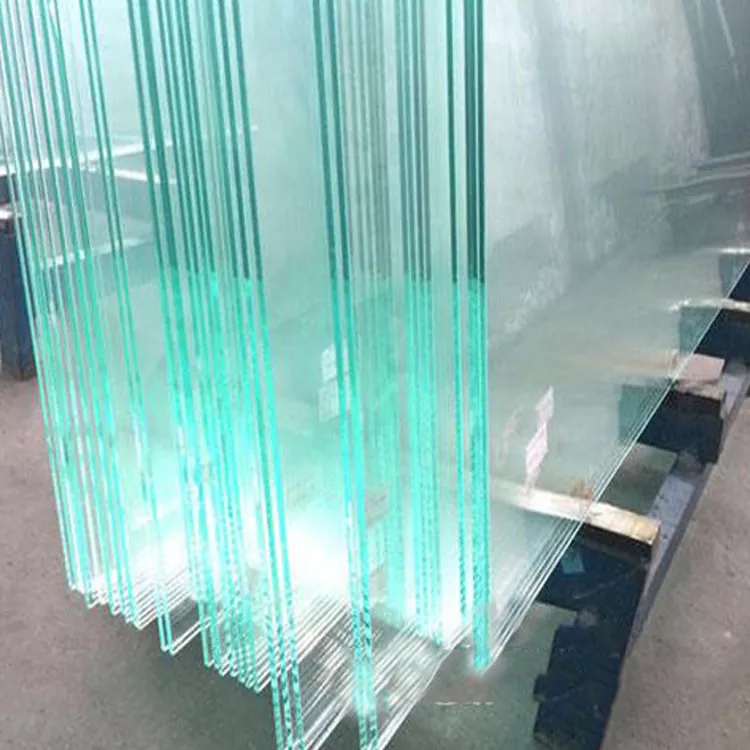
Insulated Tempered Glass Energy Saving Windows represent a significant advancement in fenestration technology, engineered to meet rigorous energy codes while providing superior safety characteristics. The tempering process subjects each glass pane to controlled thermal treatment, increasing surface compressive stress and making the material approximately four to five times stronger than annealed glass of equivalent thickness. When combined with an insulating airspace, this creates a window unit that resists impact, reduces sound transmission, and maintains consistent interior temperatures. The multi-chamber design, often filled with argon or krypton gas, slows thermal exchange between the interior and exterior environments, resulting in measurable reductions in heating and cooling loads. Homeowners and building managers appreciate the condensation resistance these windows provide, as the interior glass surface stays closer to room temperature even during cold weather conditions, preventing moisture buildup that can lead to mold growth and frame deterioration.
Technical Specifications and Performance Metrics
The following parameters define the outstanding performance of our insulated tempered glass configurations, providing transparent data for specification and comparison:
- Glass Composition: Dual or triple tempered glass panes, each 3mm to 6mm thickness, with polished edges for dimensional accuracy
- Cavity Spacing: 12mm to 20mm interstitial gap filled with 90% argon or krypton gas blend, sealed with dual-barrier thermoplastic spacers
- Thermal Transmittance (U-Value): Achieves values as low as 1.2 W/(m²·K) in triple-pane configurations, compliant with ENERGY STAR v7.0 criteria
- Solar Heat Gain Coefficient (SHGC): Range from 0.25 to 0.55 depending on coating selections, optimizing passive solar gain for specific climate zones
- Visible Light Transmittance (VLT): Maintains 50% to 70% daylight admission, reducing reliance on artificial lighting
- Sound Transmission Class (STC): Ratings from 34 to 42 dB, effectively attenuating external noise from traffic and urban environments
- Design Pressure Rating: Tested to DP50 and above, suitable for high-wind zones and coastal applications
| Parameter | Dual-Pane Unit | Triple-Pane Unit | Testing Standard |
|---|---|---|---|
| Overall Unit Thickness | 24mm – 28mm | 36mm – 44mm | IGCC |
| U-Value (W/m²·K) | 2.0 – 1.5 | 1.2 – 0.8 | NFRC 100 |
| SHGC | 0.40 – 0.55 | 0.25 – 0.40 | NFRC 200 |
| VLT (%) | 60 – 70 | 50 – 60 | NFRC 202 |
| Air Leakage (L/s/m²) | ≤ 0.3 | ≤ 0.2 | ASTM E283 |
| Tempering Standard | ANSI Z97.1 / CPSC 16 CFR 1201 | SGCC | |
The combination of tempered safety glass with advanced insulating technology makes these windows a practical choice for both new construction and retrofit projects. Installation compatibility extends to multiple frame materials, and the units can be fabricated in custom shapes including arches, trapezoids, and radius configurations. Spacer materials utilize warm-edge technology that eliminates metallic thermal bridges, further enhancing perimeter insulation values. All insulated tempered glass energy saving windows undergo stringent quality control checks, including argon concentration verification via spark emission spectroscopy and dew point testing to confirm seal integrity before shipment.
Related Products
Hot Products
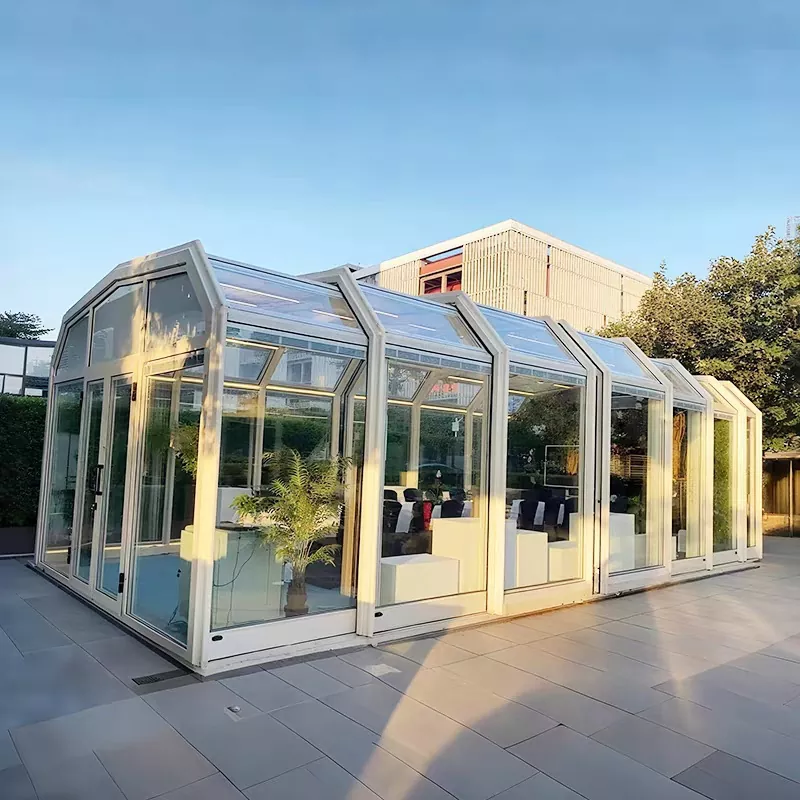
Aluminum-Wood Sunroom
Duoping is a professional manufacturer and supplier of Aluminum-Wood Sunroom, with advanced composite technology and strict quality control. It provides customized solutions featuring aluminum-wood fusion, long durability and excellent sealing, suitable for high-end residences. Wholesale orders are supported, with reliable after-sales service and a service life of over 25 years.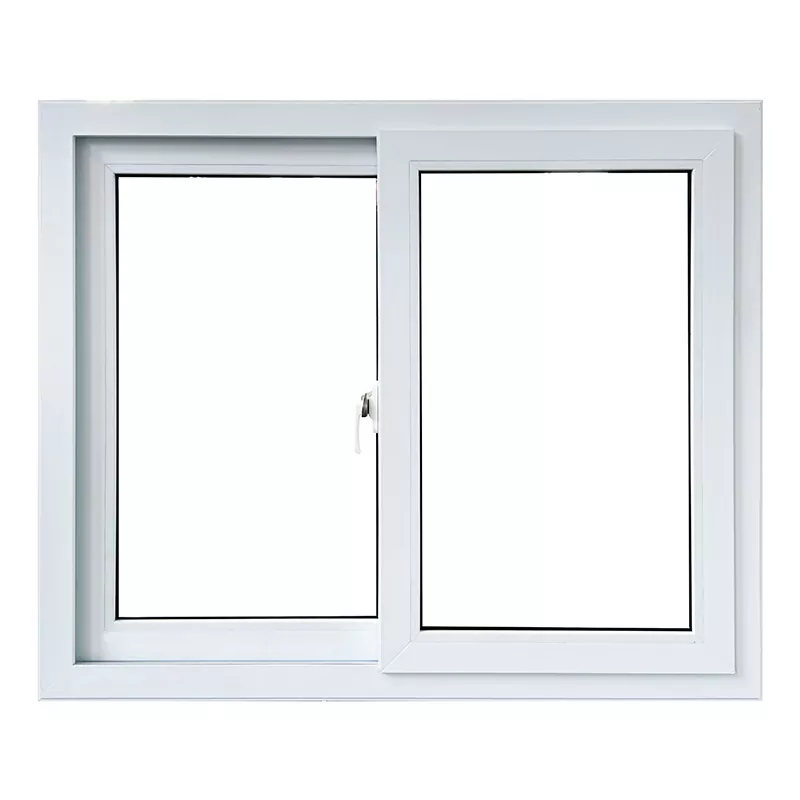
PVC Windows
Duoping is a professional developer, manufacturer, and supplier of high-quality PVC windows. By leveraging precision processing technology for PVC profiles, we have created PVC window products that are lightweight, eco-friendly, offer excellent sound and heat insulation, and provide exceptional cost performance. These windows are widely suitable for residential, apartment, and affordable housing projects, offering stable quality and competitive pricing across the national market. We sincerely look forward to collaborating with you and providing cost-effective door and window solutions.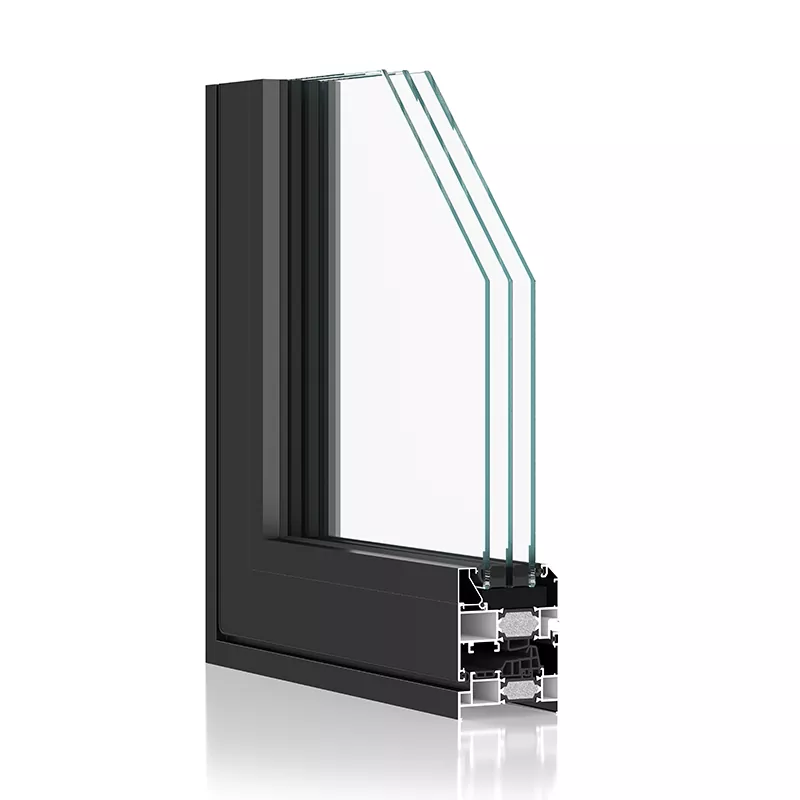
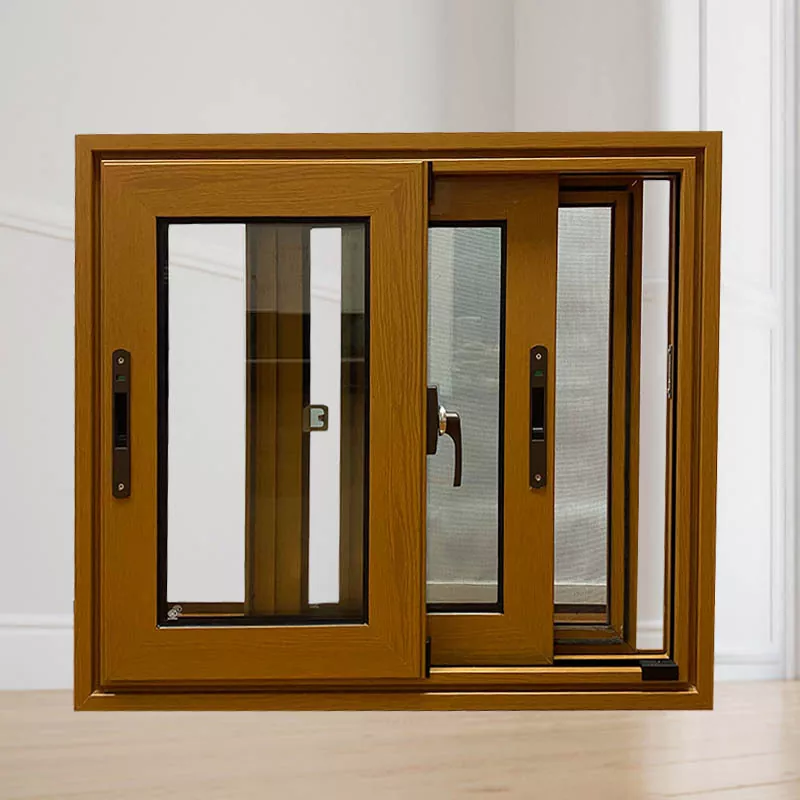
Energy-efficient Windows
Duoping is a leader in the research, development, and supply of high-performance energy-efficient windows. With years of experience in the window and building materials industry, we specialize in providing products that combine advanced insulated glass and thermal sealing technologies to ensure excellent insulation, low energy consumption, and durability. Our energy-efficient windows are designed for various applications, including residential homes, office buildings, hotels, and more. We have successfully established a market presence both domestically and internationally and look forward to becoming your trusted partner for high-quality energy-efficient windows in China.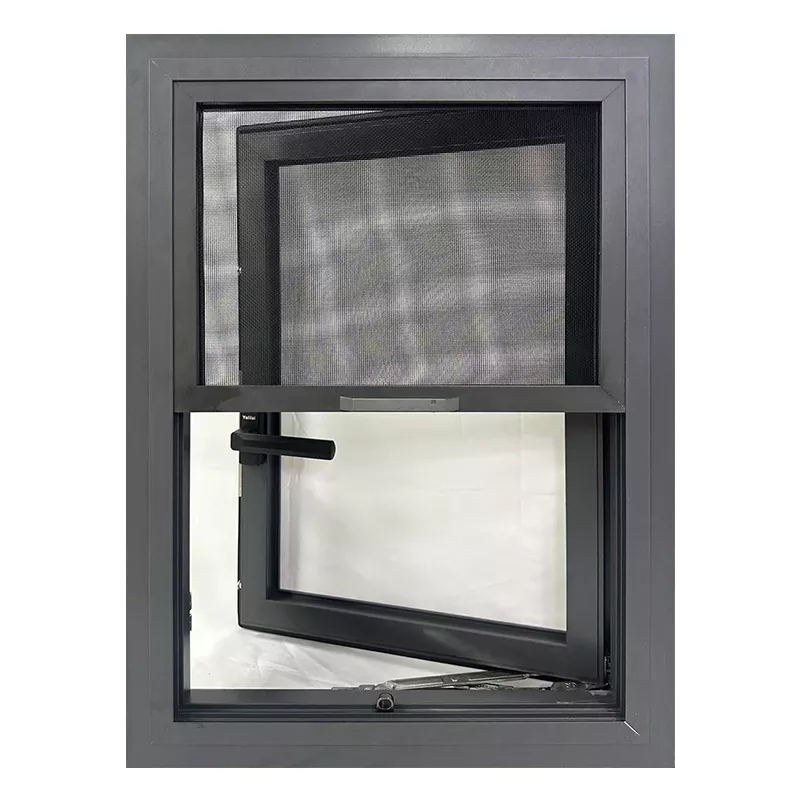
Powder coated Aluminum Alloy Windows
Duoping excels as a professional manufacturer and supplier of powder coated aluminum alloy windows, with advanced electrostatic powder coating technology and strict quality control. This product features customizable colors, strong wear and corrosion resistance, ideal for home and commercial use. We support customized designs and welcome wholesale orders, providing cost-effective window solutions for various construction projects.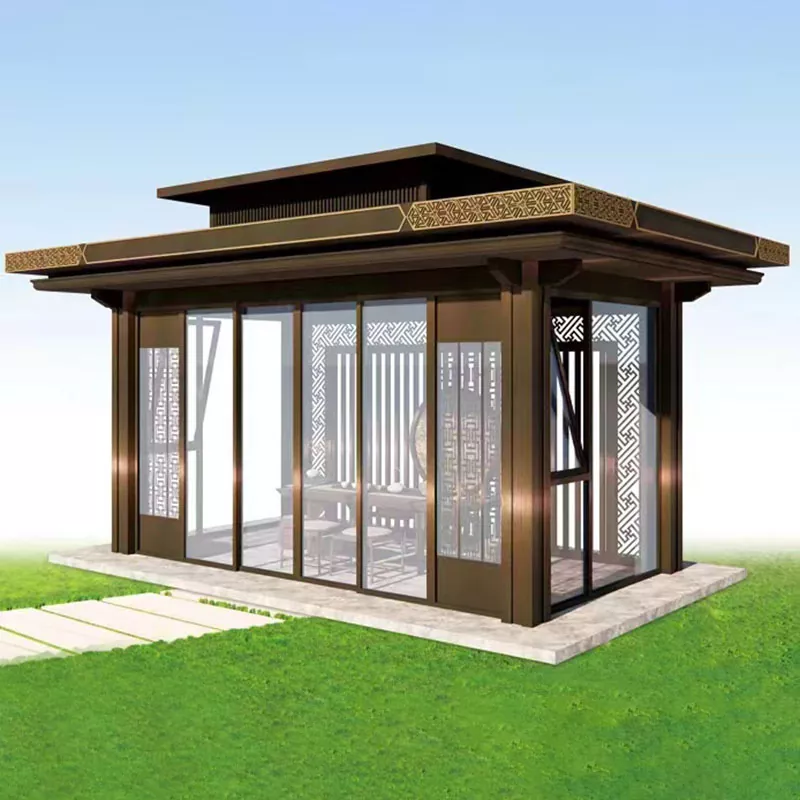
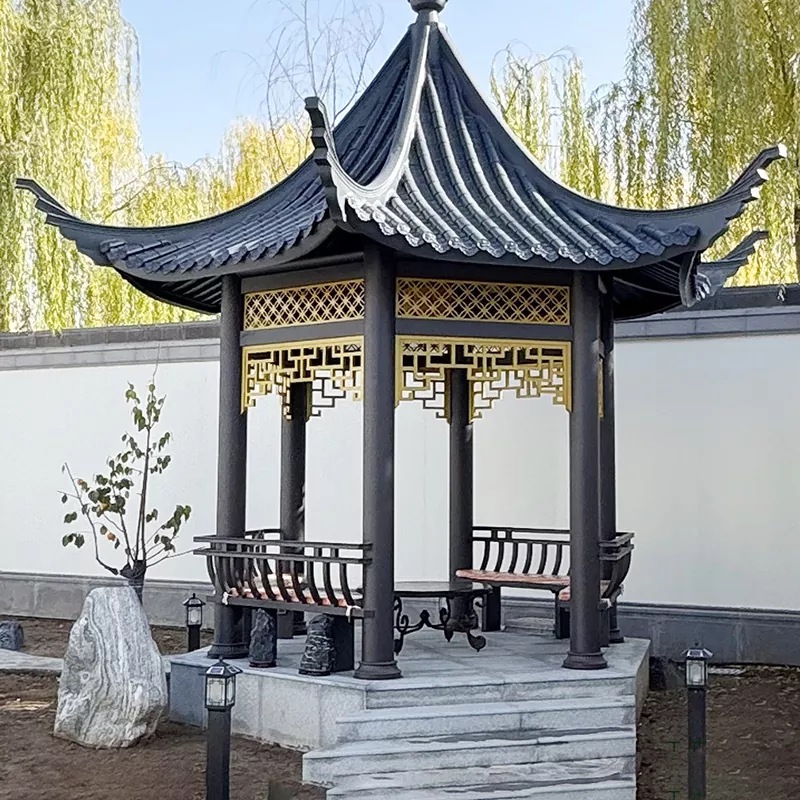
Chinese style Pavilions
Duoping is a professional supplier and manufacturer of Chinese style pavilions, relying on traditional mortise and tenon craftsmanship and advanced anti-corrosion technology to ensure high quality. Its Chinese style pavilions feature stability, durability and classic aesthetics, widely used in various Chinese-style scenarios. The company provides customized solutions, wholesale services and strict quality control, with nationwide delivery and professional after-sales support for all landscape projects.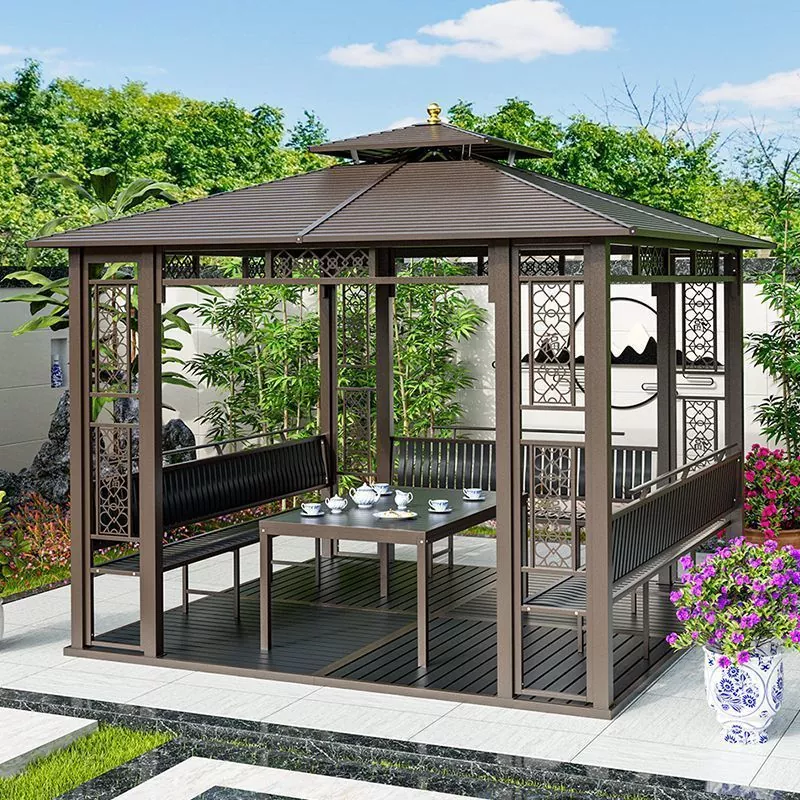
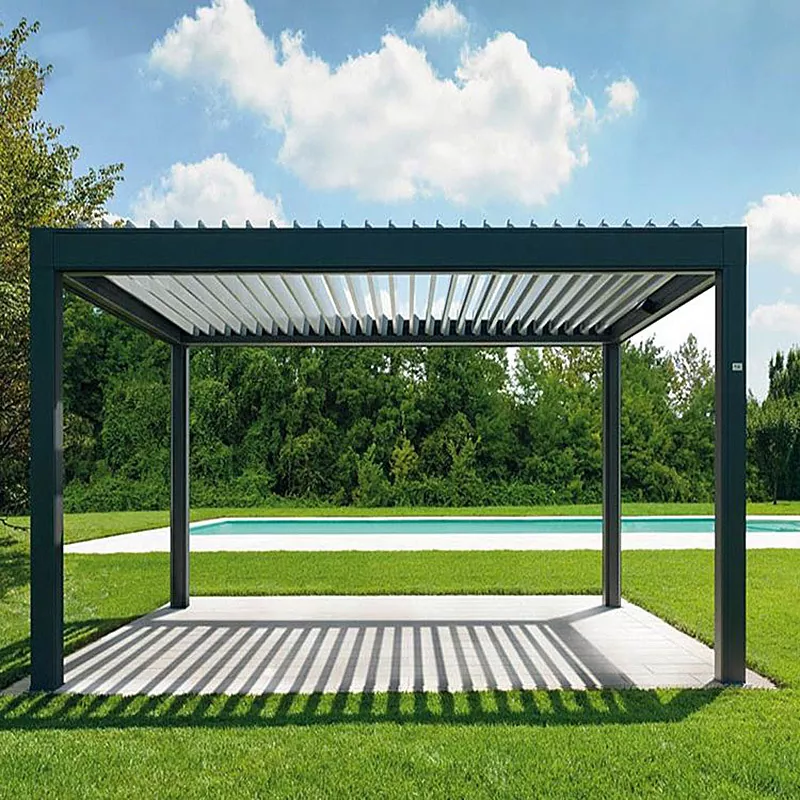
Pavilion with Sink
Shandong Duoping New Material Technology Co., Ltd., a professional manufacturer and supplier of Pavilion with Sink, owns core production processes and provides high-quality products with excellent Quality. Its Pavilion with Sink adopts advanced 6063-T5 aluminum alloy and integrated drainage system, featuring corrosion resistance and durability, suitable for wholesale and customized needs in various outdoor scenarios, with one-stop procurement services supported.
- Related Blog
- Reviews

Send Inquiry
-
E-mail
X
We use cookies to offer you a better browsing experience, analyze site traffic and personalize content. By using this site, you agree to our use of cookies.
Privacy Policy
News
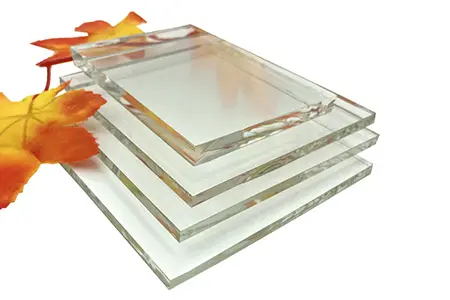 Explaining the key points and safety guidelines for installing white glass2026/01/28
During the installation process, precise operation and detailed handling are particularly crucial. For the installation of white glass in different scenarios, differentiated specifications must be followed. When installing white glass for doors and windows, the glass surface orientation must comply ......
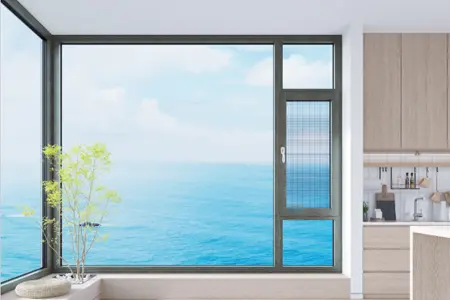 Know these 6 key indicators of aluminum alloy door and window materials!2026/01/28
The series number indicates the thickness of the door frame in millimeters. Aluminum alloy sliding doors are available in 70 and 90 series; the 70 series is sufficient for interior residential aluminum alloy sliding doors.