 English
 Español
  Português
  русский
  Français
  日本語
日本語  Deutsch
  tiếng Việt
  Italiano
  Nederlands
  ภาษาไทย
  Polski
  한국어
한국어  Svenska
  magyar
  Malay
Malay  বাংলা ভাষার
  Dansk
Dansk  Suomi
Suomi  हिन्दी
  Pilipino
  Türkçe
  Gaeilge
  العربية
  Indonesia
  Norsk
Norsk  تمل
تمل  český
český  ελληνικά
  український
  Javanese
  فارسی
فارسی  தமிழ்
தமிழ்  తెలుగు
  नेपाली
  Burmese
  български
  ລາວ
ລາວ  Latine
  Қазақша
  Euskal
  Azərbaycan
  Slovenský jazyk
  Македонски
  Lietuvos
  Eesti Keel
  Română
  Slovenski
  मराठी
मराठी  Srpski језик

Call Us
+86-15805363117
Email Us
dopinew@gmail.com
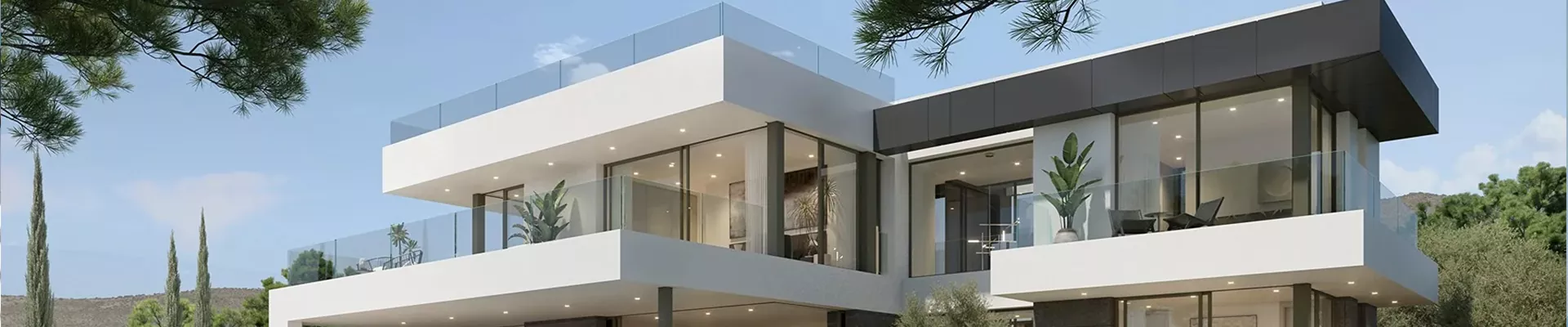
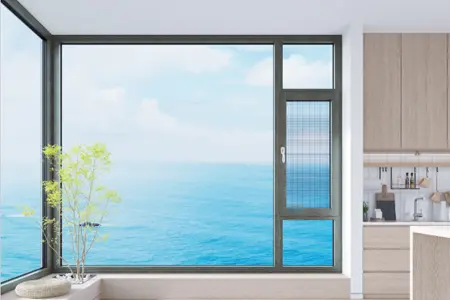
Low-E Insulated Glass Thermal Break Windows
Low-E insulated glass thermal break windows represent a significant leap forward in energy-conscious building design. By combining a polyamide thermal barrier with advanced glazing, these systems dramatically reduce heat flow across the window frame and glass. When planning a whole-house upgrade or a commercial facade retrofit, it's worth considering how different opening styles can complement each other. Our range extends beyond fixed units to include versatile configurations such as Thermal Break Aluminum Windows, which provide a clean, modern aesthetic with outstanding structural strength; Thermal Break Casement Windows that use multi-point locks and deep compression seals to eliminate drafts; space-efficient Thermal Break Sliding Windows that glide effortlessly on stainless steel tracks; and sophisticated Tilt and Turn Thermal Break Windows offering both secure night ventilation and full inward opening. Every system shares the same thermally broken aluminum profile technology paired with low-E insulated glass, ensuring a consistent thermal envelope regardless of the chosen functional style.
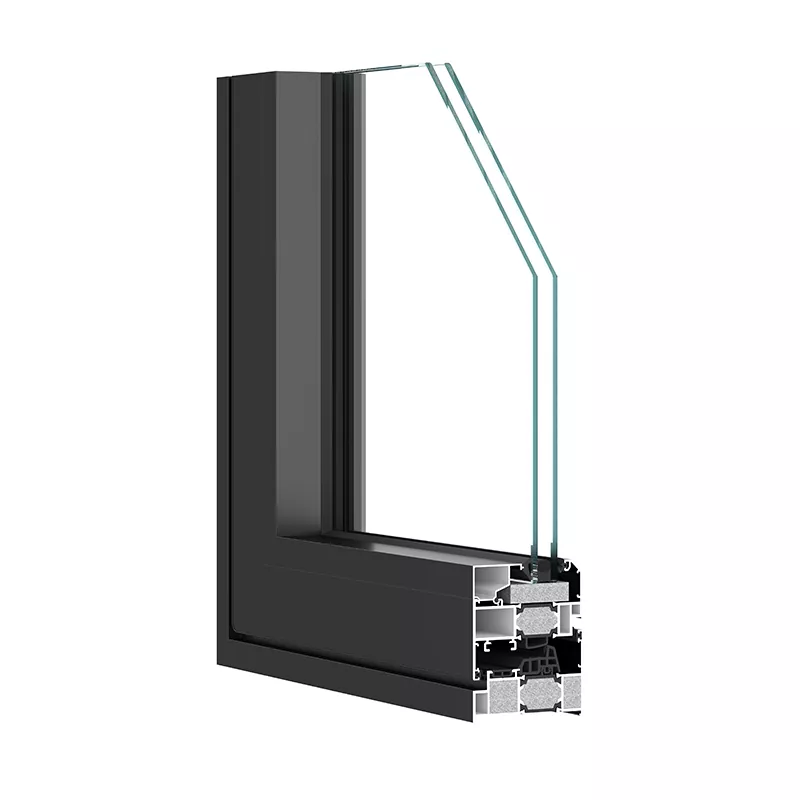
Low-E Insulated Glass Thermal Break Windows are engineered around a soft-coat low-emissivity layer deposited on the inner face of the exterior glass pane. This microscopically thin metallic oxide coating reflects long-wave radiant heat back into the room during winter, while allowing short-wave solar energy to pass through. In summer, it rejects solar infrared radiation, keeping interiors cooler without sacrificing daylight. The insulating glass unit (IGU) is constructed using two lites of 5 mm or 6 mm tempered float glass, separated by a 12 mm, 16 mm, or 20 mm cavity filled with at least 90% argon gas. The warm-edge spacer system—typically a stainless steel or structural foam hybrid—minimizes perimeter heat loss and eliminates the dew-point problems common in older aluminum windows. The frame itself incorporates a 24 mm to 34 mm polyamide strip reinforced with glass fiber, mechanically locked between the inner and outer aluminum extrusions. This thermal break interrupts the metal-to-metal path, dropping the frame U-factor to below 2.0 W/m²K. Multiple EPDM gaskets form continuous compression seals around the sash, holding air leakage to less than 0.3 cfm/ft² under a 25 mph wind load. Water management is handled by a drained and ventilated glazing rebate with integrated weeps, which passes ASTM E547 testing at 15 psf without ingress. For acoustic comfort, the combination of dissimilar glass thicknesses and wide argon cavities delivers weighted sound reduction indexes (Rw) between 35 and 40 decibels, effectively muting busy street noise. The windows are finished in architectural-grade polyester powder coatings meeting AAMA 2604 or 2605 standards, available in over 200 colors, or in Class I anodic coatings for a metallic sheen that resists fading and corrosion for decades.
Standard Product Specifications
- Profile alloy: 6063-T5 extruded aluminum with polyamide thermal break
- Thermal break width: 24 mm / 34 mm PA66 GF25 (glass fiber reinforced)
- Glass composition: 5 mm toughened Low-E (#2 surface) + argon gap + 5 mm toughened clear
- Argon fill concentration: ≥ 90%, verified by spark testing
- Warm-edge spacer: Stainless steel box or TPS (Thermoplastic Spacer) option
- Gaskets: Co-extruded EPDM, dual durometer for sash and frame
- Hardware: Roto or Siegenia multi-point locks, stainless steel friction stays
- Maximum sash weight: 130 kg (casement), 200 kg (tilt-and-turn)
- Glazing bead: Square or tapered snap-fit, with security clip option
- Drainage: Concealed front and rear weep slots with insect mesh
Certified Performance Data
| Test Parameter | Value | Applicable Standard |
|---|---|---|
| Whole-window U-factor | 1.2 – 1.5 W/m²K | NFRC 100 / EN ISO 10077-2 |
| Center-of-glass U-factor | 1.0 – 1.2 W/m²K | EN 673 |
| Solar Heat Gain Coefficient | 0.25 – 0.35 | NFRC 200 |
| Visible Light Transmittance | 62% – 72% | EN 410 |
| Air infiltration rate | ≤ 0.3 cfm/ft² (1.5 L/s·m²) | ASTM E283 / EN 12207 Class 4 |
| Water penetration resistance | No leakage at 15 psf (720 Pa) | ASTM E547 / EN 12208 Class 9A |
| Design wind load | ± 60 psf (2.9 kPa) | ASTM E330 |
| Acoustic insulation Rw | 37 dB (glass dependent) | ISO 10140-2 |
Custom configurations are readily available, including triple glazing for passive house projects, laminated security glass, and obscured patterns for bathrooms. The thermally broken frame is fully compatible with standard NAAMS mounting accessories and can be integrated into curtain-wall stick systems or punched openings. Optional tilt-latch limiters, concealed restrictor hinges, and electric strike integration further tailor the windows to specific project requirements. The polyamide thermal break is protected by a UV-stabilized polypropylene foil during fabrication, and the assembled units are individually tested for argon retention before shipment, ensuring performance in the field matches laboratory ratings. From cold northern climates to mixed-humid coastal zones, these windows maintain interior surface temperatures well above the dew point at -18°C exterior conditions, effectively eliminating frame condensation.
Related Products
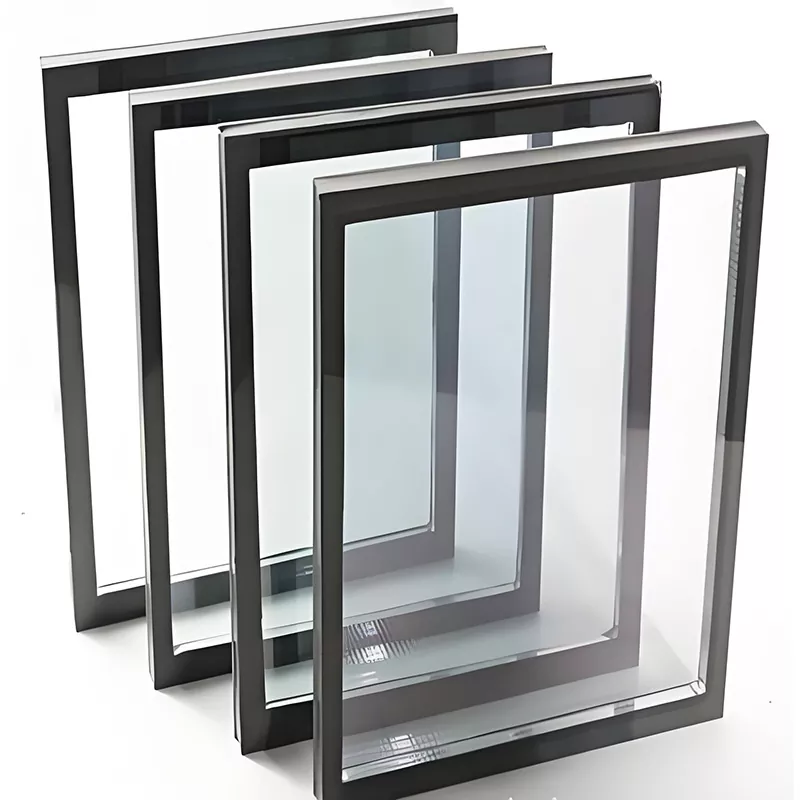
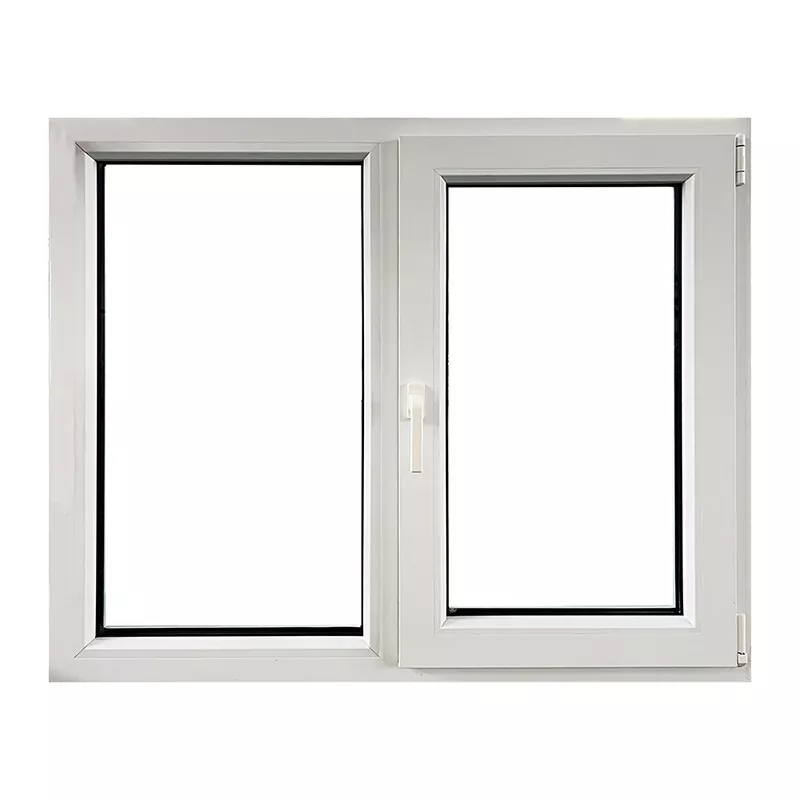
Hot Products
Ultra-clear Glass
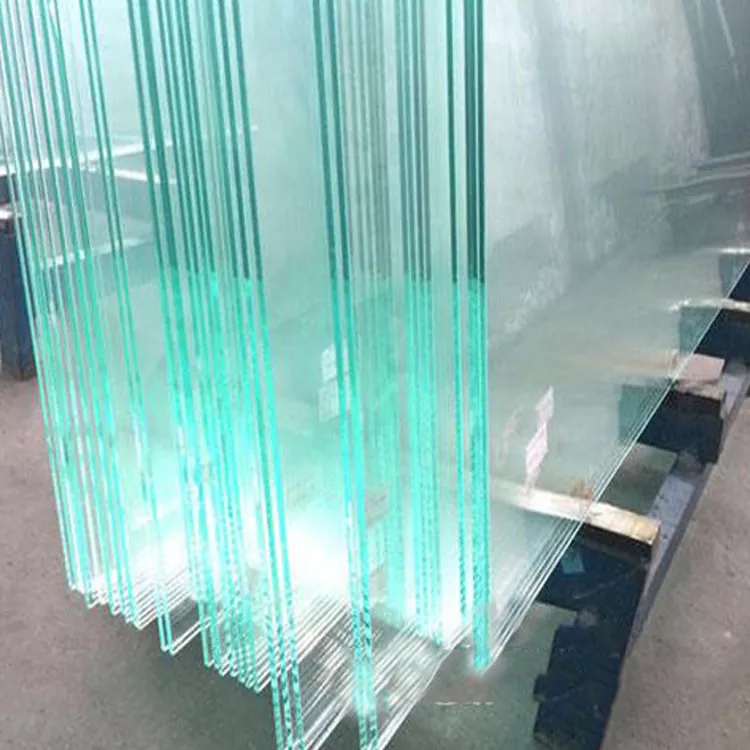
Duoping stands as a professional manufacturer and supplier of ultra-clear glass, equipped with advanced low-iron control and high-precision processing technologies. This high-quality product features 91.5%-93% light transmittance and no greenish tint, perfect for high-end construction projects like villas and star-rated hotels. We provide customized sizes and processes, with strict quality checks ensuring stable performance. Wholesale orders are supported, delivering premium glass solutions for global high-end building procurement.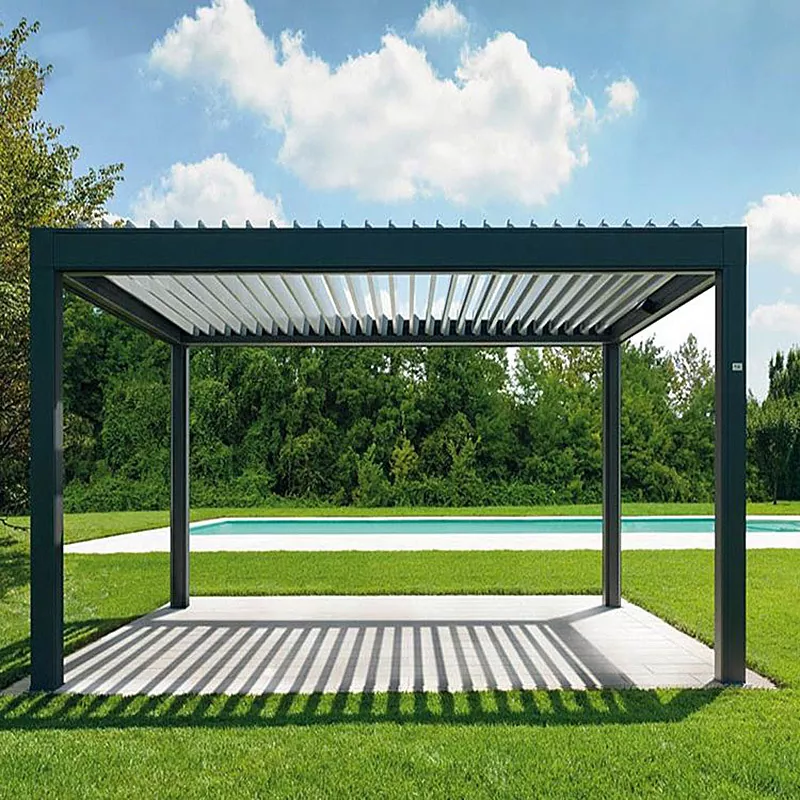
Minimalist Pavilions
Duoping is a professional supplier and manufacturer of minimalist pavilions, with advanced precision processing, seamless splicing and matte spraying technologies to ensure high quality. Made of 6063-T5 aluminum alloy, its minimalist pavilions are durable, elegant and versatile, widely used in modern outdoor scenarios. The company provides customized solutions, wholesale services and strict quality control, with nationwide delivery and comprehensive after-sales support.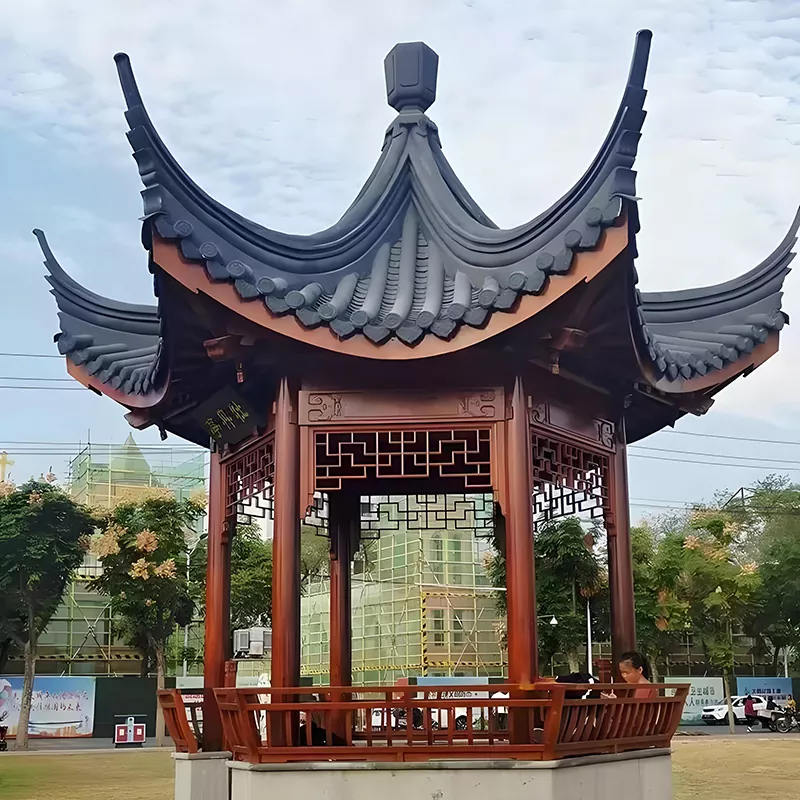
Huizhou-style Pavilions
Duoping is a professional supplier and manufacturer of Huizhou-style pavilions, relying on traditional mortise-and-tenon craftsmanship and hand-carving technologies to ensure high quality. Its products integrate Huizhou architectural charm, durability and cultural texture, widely used in ancient scenic spots and Chinese-style scenarios. The company provides customized solutions, wholesale services and strict quality control, with nationwide delivery and comprehensive after-sales support.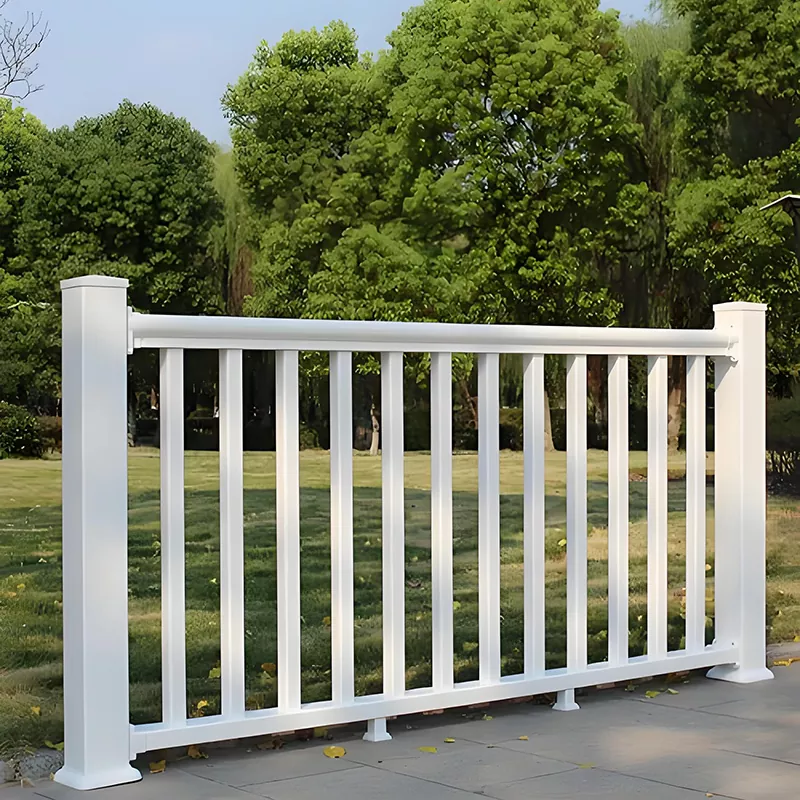
PVC Railings
Duoping stands as a professional manufacturer and supplier of PVC railings, featuring advanced extrusion and co-extrusion technologies. These railings deliver excellent corrosion resistance, easy installation and low maintenance, ideal for residential, municipal and commercial protection projects. We support customized sizes and colors, welcome wholesale orders, and provide cost-effective railing solutions for large-scale construction procurement.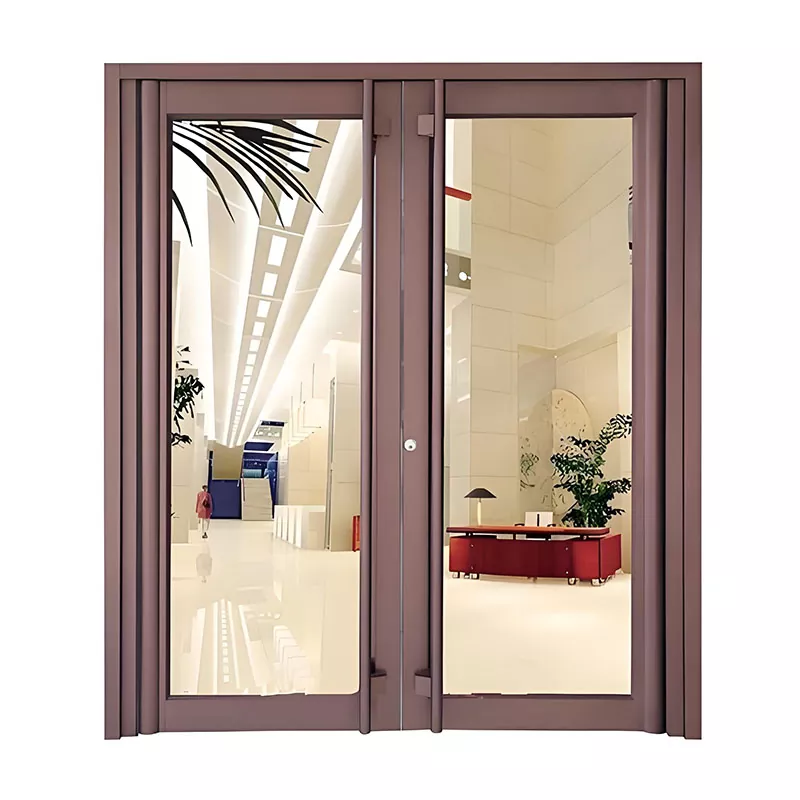
KFC Door
Shandong Duoping New Material Co., Ltd. is a professional R&D, production and supplier of high-end KFC doors. With years of deep cultivation in the door and window building materials industry, relying on core technologies of aluminum alloy precision processing and sealing craftsmanship, we create KFC door products featuring durability, permeability and anti-theft performance. Our products are widely applicable to shops, restaurants, convenience stores and other scenarios, and are sold nationwide and overseas. We sincerely look forward to working with you and becoming your reliable partner for door and window building materials in China.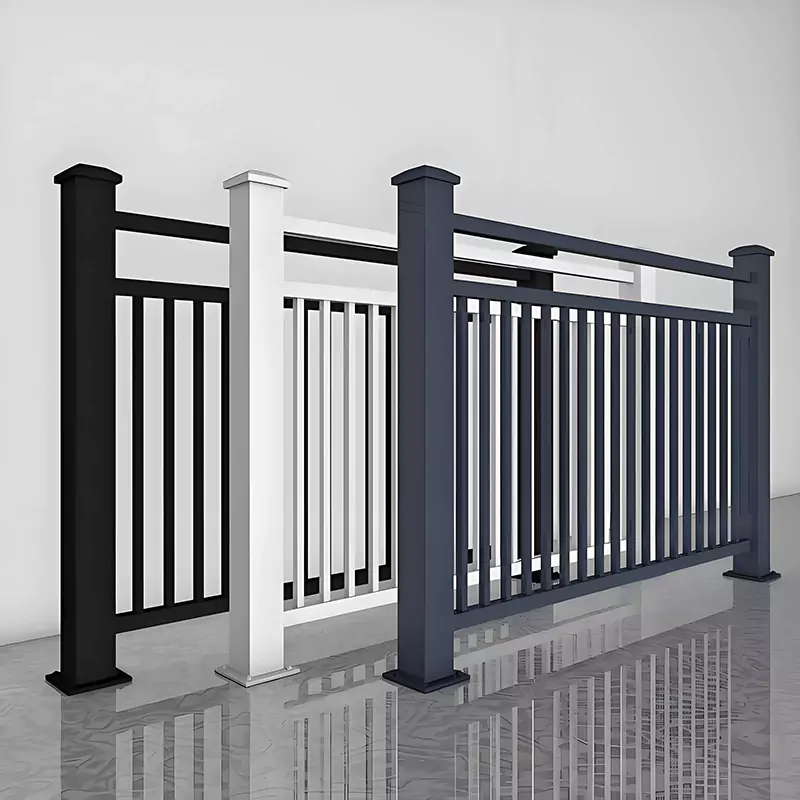
Aluminum Railings
As a trusted manufacturer and supplier, Duoping specializes in producing high-quality aluminum railings with advanced electrostatic spraying and anodizing technologies. Our railings are lightweight yet sturdy, corrosion-resistant, and long-lasting, fitting well for balconies, stairs, municipal and commercial projects. We offer customized options, accept wholesale orders, and deliver reliable, cost-effective protection solutions for all types of construction procurement.
- Related Blog
- Reviews

Send Inquiry
-
E-mail
X
We use cookies to offer you a better browsing experience, analyze site traffic and personalize content. By using this site, you agree to our use of cookies.
Privacy Policy
News
 Explaining the key points and safety guidelines for installing white glass2026/01/28
During the installation process, precise operation and detailed handling are particularly crucial. For the installation of white glass in different scenarios, differentiated specifications must be followed. When installing white glass for doors and windows, the glass surface orientation must comply ......
 Know these 6 key indicators of aluminum alloy door and window materials!2026/01/28
The series number indicates the thickness of the door frame in millimeters. Aluminum alloy sliding doors are available in 70 and 90 series; the 70 series is sufficient for interior residential aluminum alloy sliding doors.