 English
 Español
  Português
  русский
  Français
  日本語
日本語  Deutsch
  tiếng Việt
  Italiano
  Nederlands
  ภาษาไทย
  Polski
  한국어
한국어  Svenska
  magyar
  Malay
Malay  বাংলা ভাষার
  Dansk
Dansk  Suomi
Suomi  हिन्दी
  Pilipino
  Türkçe
  Gaeilge
  العربية
  Indonesia
  Norsk
Norsk  تمل
تمل  český
český  ελληνικά
  український
  Javanese
  فارسی
فارسی  தமிழ்
தமிழ்  తెలుగు
  नेपाली
  Burmese
  български
  ລາວ
ລາວ  Latine
  Қазақша
  Euskal
  Azərbaycan
  Slovenský jazyk
  Македонски
  Lietuvos
  Eesti Keel
  Română
  Slovenski
  मराठी
मराठी  Srpski језик

Call Us
+86-15805363117
Email Us
dopinew@gmail.com
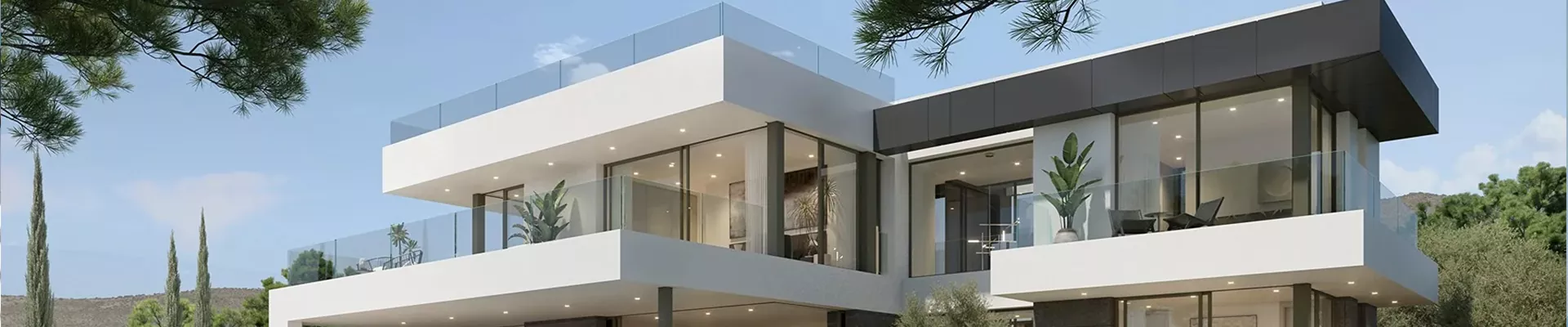
China Thermal Break Sliding Windows Manufacturer, Supplier, Factory
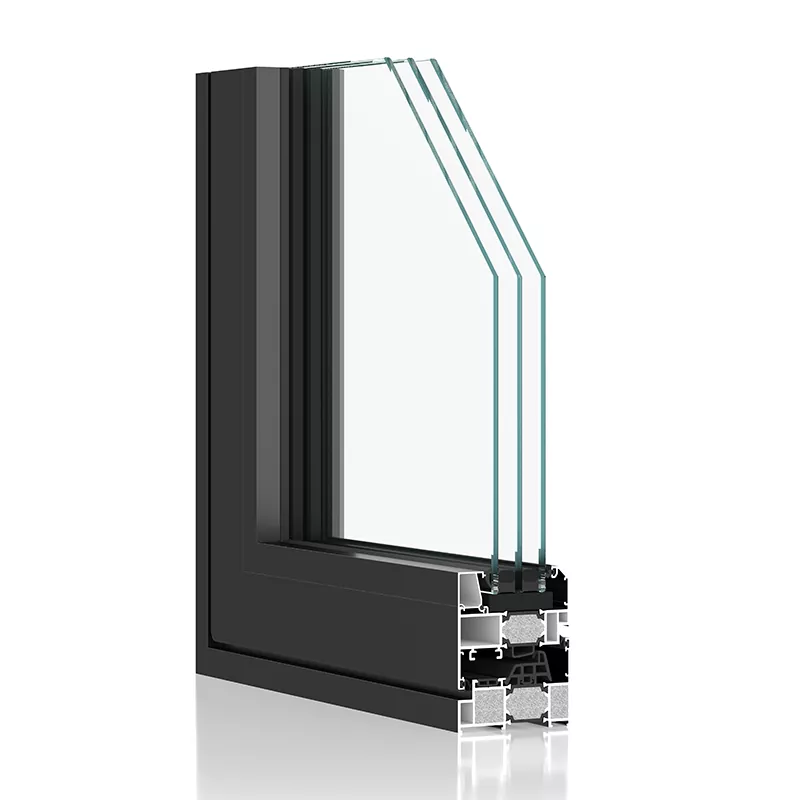
Modern architectural design demands solutions that balance panoramic views with uncompromising thermal performance. Our Thermal Break Aluminum Windows integrate precision-engineered polyamide barriers between interior and exterior profiles, dramatically reducing heat transfer and condensation formation. The sliding configuration exemplifies spatial efficiency, making it an ideal choice for patios, balconies, and expansive openings. Unlike traditional frames, our advanced Thermal Break Casement Windows share the same core insulation philosophy while offering alternative functionality. We push thermal separation further by combining multi-chambered extrusions with airtight gaskets, achieving U-values as low as 1.6 W/m²K. Homeowners exploring flexible ventilation often consider our Tilt and Turn Thermal Break Windows for their dual-mode operation, yet the sliding system remains unmatched for conserving floor space. The technology behind our range across all configurations is unified by a singular goal, reflected in our Energy Saving Thermal Break Windows. The thermally broken sliding track incorporates a low-friction stainless steel rail and a reinforced sill with a thermal barrier, ensuring smooth movement without sacrificing insulation continuity.
Thermal Break Sliding Windows deliver exceptional thermal insulation through a meticulously engineered profile system. The frame utilizes 6063-T6 aluminum alloy with a minimum yield strength of 160 MPa, combined with a 34 mm wide high-density polyamide strip containing 25% glass fiber reinforcement. This configuration effectively decouples the external and internal chassis. The sliding mechanism supports panel weights up to 400 kg, making these units suited for oversized glazing without deflection. High-performance double or triple glazing, with argon gas fill and warm-edge spacers, pushes the center-of-glass U-value down to 0.5 W/m²K, while the overall frame achieves a Uf value of 2.1 W/m²K. Acoustic insulation reaches up to 42 dB Rw, effectively dampening urban noise. The drainage system is fully concealed within the bottom track, featuring a pressure-equalized chamber that prevents water ingress even under driving rain conditions, rated at Class E1200 for water tightness. Air permeability does not exceed 0.5 m³/h per meter of joint length under 600 Pa pressure differential, classified as Class 4 per EN 12207. Operating force remains below 5 kg to initiate movement, with adjustable stainless steel tandem rollers encapsulated in self-lubricating nylon bearings. The interlocking stiles employ dual EPDM compression seals with a service temperature range spanning -40°F to 248°F, maintaining resilience over decades.
Essential hardware components include a zinc alloy die-cast locking mechanism with a multi-point latch engaging the full height of the meeting stiles. The lock cylinder is accessible from the interior and meets Grade 1 security standards, resisting over 200,000 operating cycles without failure. The following table outlines the core thermal and mechanical specifications:
| Parameter | Specification |
|---|---|
| Frame Material | 6063-T6 Aluminum with 34mm Polyamide Strip |
| Overall U-value (Double Glazing) | 1.9 W/m²K |
| Overall U-value (Triple Glazing) | 1.4 W/m²K |
| Air Tightness Classification | Class 4 (EN 12207) |
| Water Tightness Rating | E1200 (EN 12208) |
| Wind Load Resistance | Class C5 (EN 12210) |
| Acoustic Reduction (Rw) | 42 dB (with 6mm/16Ar/6mm glass) |
| Maximum Sash Weight | 400 kg |
| Glazing Thickness Range | 24 mm to 42 mm |
| Thermal Break Strip Shear Strength | ≥ 120 MPa |
A range of advanced features is systematically integrated into the sliding system to ensure long-term performance. Key functional highlights include:
- Interchangeable track options: a low profile flush track for interior continuity or a raised track with integrated weather bar for exposed installations.
- Safety glazing compliant with tempered or laminated configurations, meeting CPSC Cat II impact resistance standards.
- Fully rebated sill drainage with 15 mm x 8 mm slots and stainless steel mesh covers to prevent insect ingress.
- Anodic coating thickness exceeding 20 microns per AAMA 611 Class I standards, with powder coat finishes available in over 200 RAL colors.
- Compression-sealed interlocking stiles featuring a dual-wall construction that eliminates visible fasteners from the exterior.
- Ball bearing rollers tested under continuous 50 km travel cycles without degradation in smoothness or load-bearing capacity.
The aluminum sections undergo a closed-loop chromate-free pre-treatment, enhancing coating adhesion and corrosion resistance beyond the 3,000-hour salt spray test benchmark. For extreme climate zones, optional low-emissivity triple silver coatings reflect 68% of ambient heat while transmitting 65% of visible light, maintaining a clear outdoor view. The sliding panels can be configured in two-, three-, or four-track arrangements, supporting up to 50% of the total wall area to be operable for natural ventilation without structural compromise. Thermal Break Sliding Windows represent a fusion of structural integrity and energy-conscious design, where every elastomer, insulator, and alloy is selected to reduce thermal bridging while enabling effortless operation across decades of use.
Related Products
Hot Products
System Sunroom
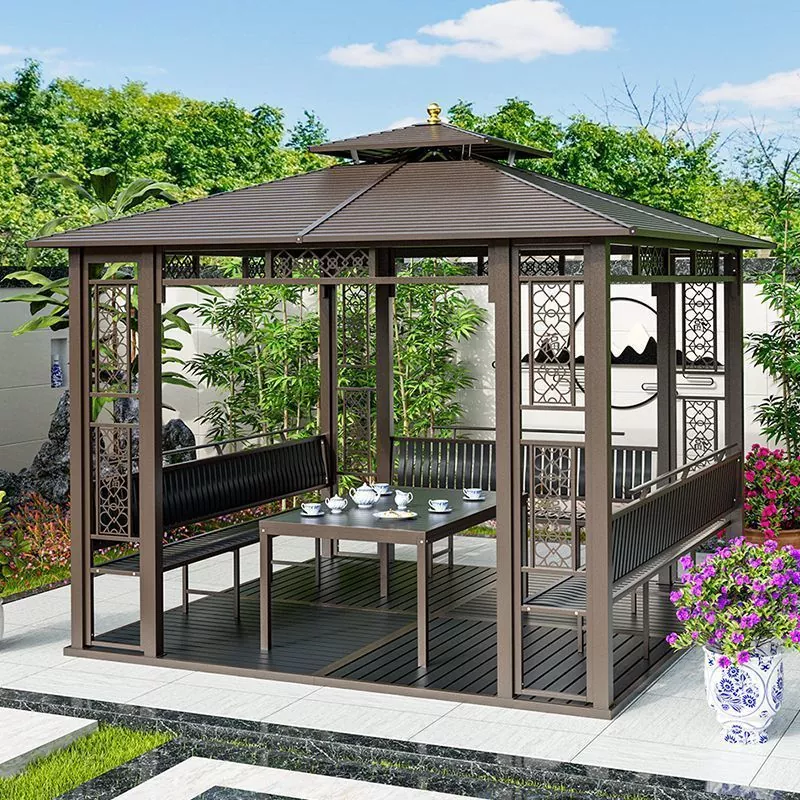
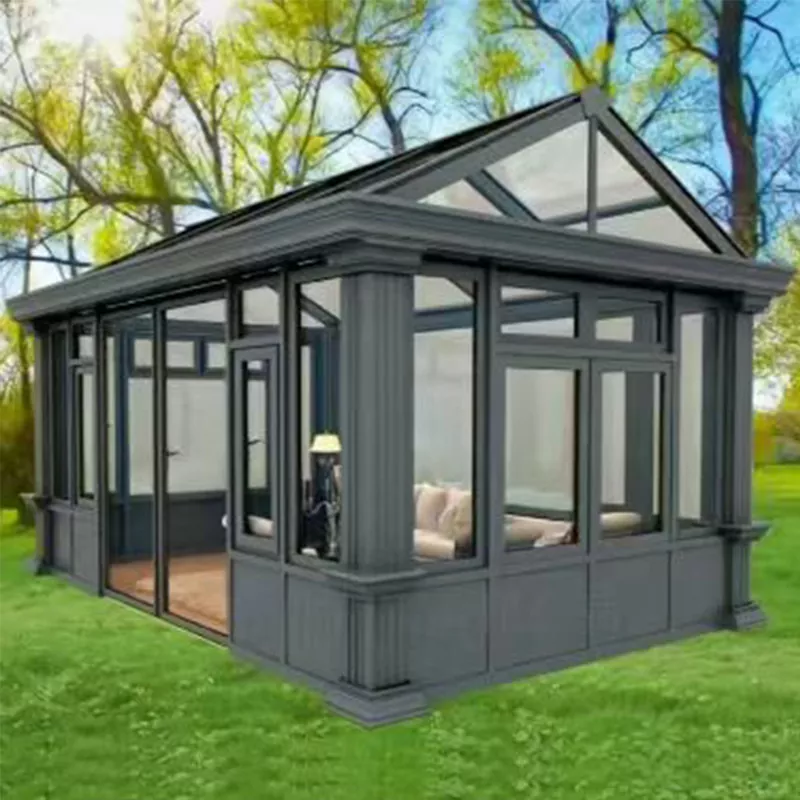
Duoping stands out as a professional manufacturer and supplier of System Sunroom, with advanced integrated design and strict quality control. It provides customized modular solutions featuring high component compatibility, fast installation and excellent wind resistance, suitable for high-end residential outdoor spaces. Wholesale orders are supported, with reliable after-sales service and a service life of over 30 years.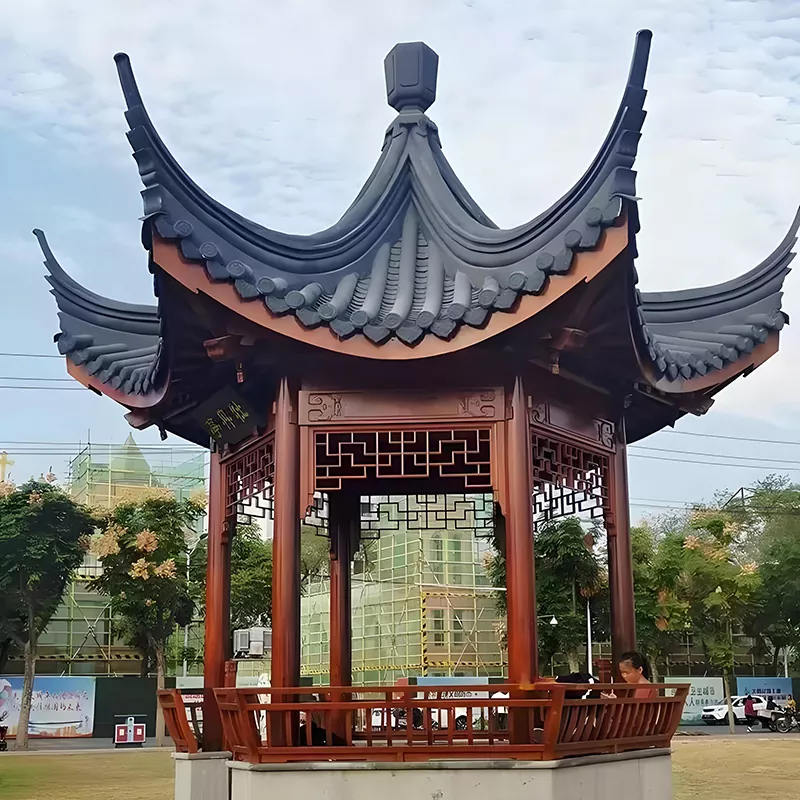
Huizhou-style Pavilions
Duoping is a professional supplier and manufacturer of Huizhou-style pavilions, relying on traditional mortise-and-tenon craftsmanship and hand-carving technologies to ensure high quality. Its products integrate Huizhou architectural charm, durability and cultural texture, widely used in ancient scenic spots and Chinese-style scenarios. The company provides customized solutions, wholesale services and strict quality control, with nationwide delivery and comprehensive after-sales support.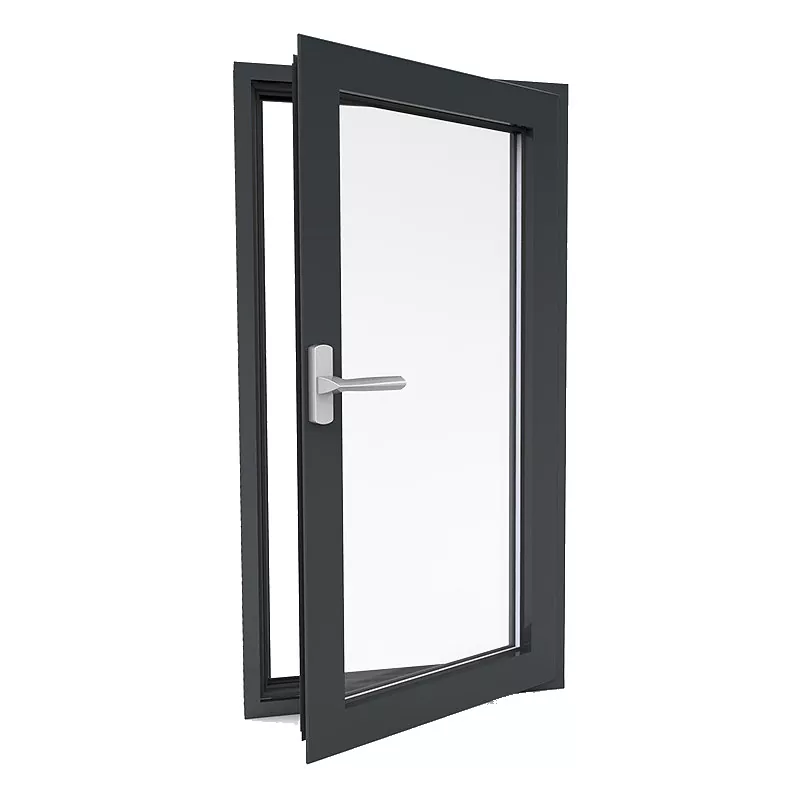
Aluminum Windows
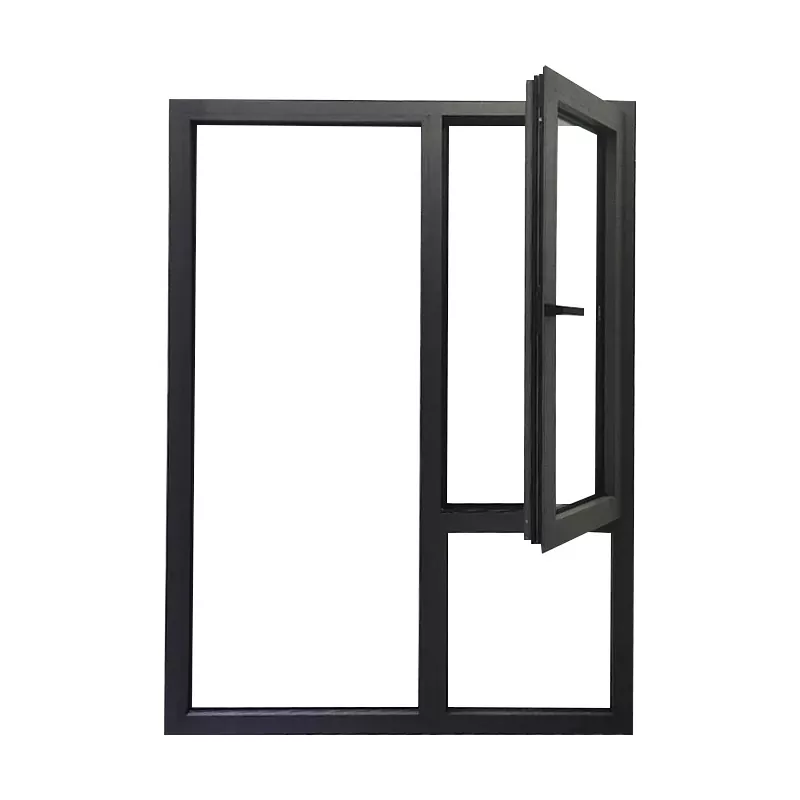
Duoping is a professional manufacturer and supplier of aluminum windows, with advanced aluminum alloy processing and strict quality control. This product features sturdy frames, long service life and easy maintenance, suitable for home and commercial use. We support customized sizes and colors, welcome wholesale orders, and provide cost-effective window solutions for various construction projects.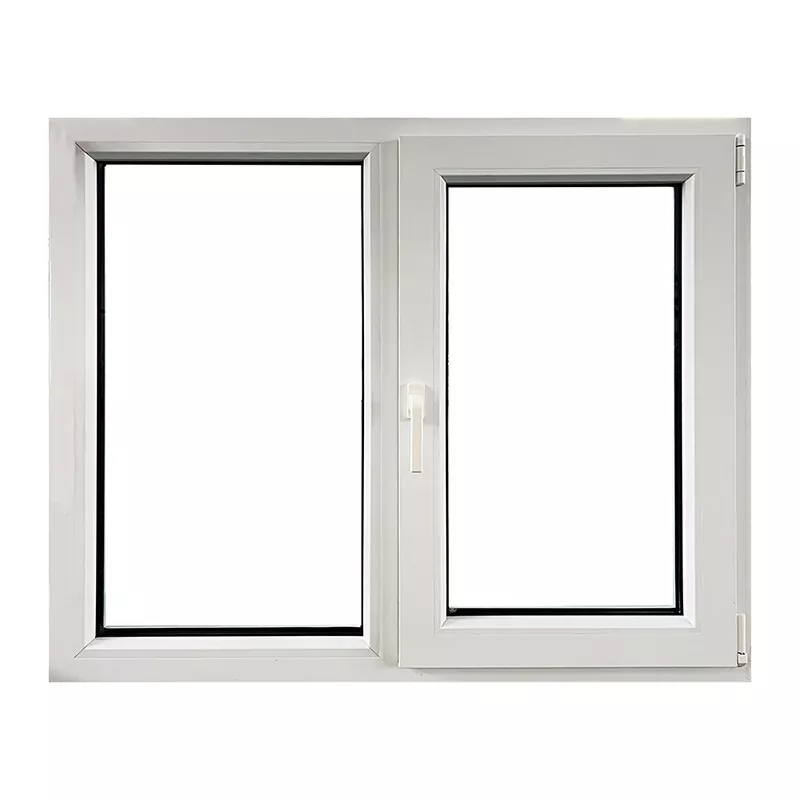
PVC-steel Composite Windows
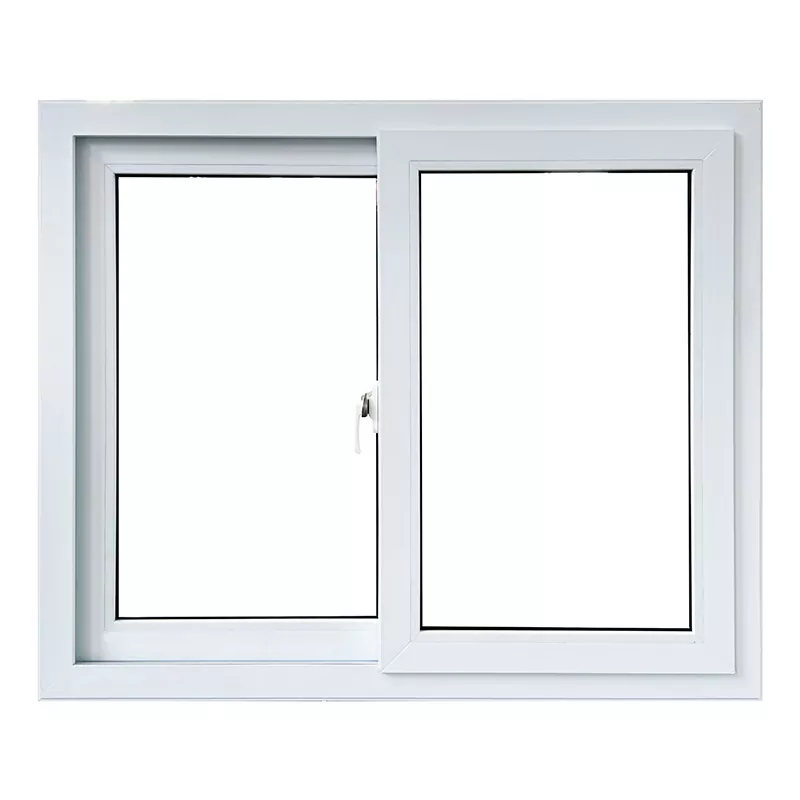
Shandong Duoping New Materials Co., Ltd. specializes in the research, development, production, and supply of high-end PVC-steel composite windows. With years of experience in the door and window industry, the company combines the thermal insulation and environmental benefits of PVC with the robust structural properties of steel, offering windows that balance performance and cost-effectiveness. These windows are widely used in residential, villa annexes, office spaces, and other environments, gaining market recognition for their balanced performance and value. We sincerely look forward to partnering with you to provide window solutions that combine both performance and cost-efficiency.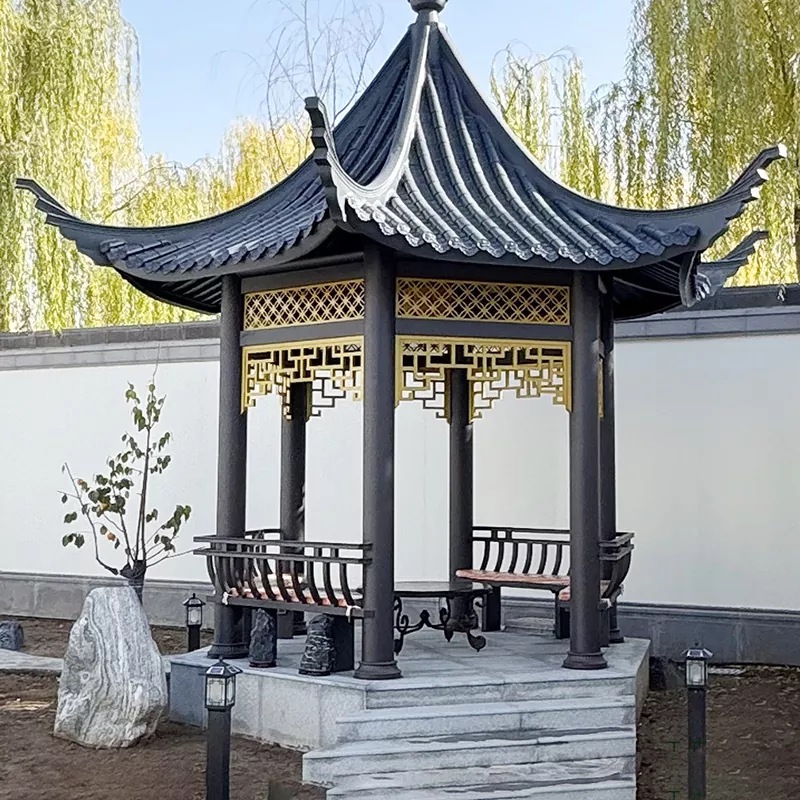
Traditional Architectural Pavilions
Shandong Duoping New Material Technology Co., Ltd., a professional manufacturer and supplier of Traditional Architectural Pavilions, boasts senior ancient architecture craftsmen and advanced production capacity. Its Traditional Architectural Pavilions combine traditional mortise and tenon craftsmanship with modern anti-corrosion technology, ensuring excellent Quality, and supporting wholesale and customized services for various ancient-style landscape procurement needs.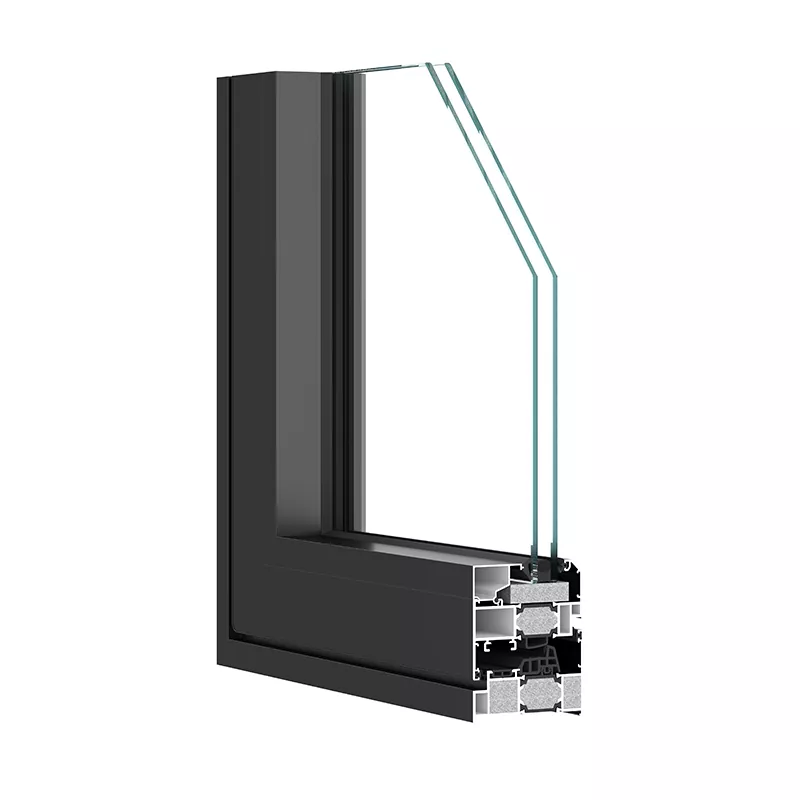
Thermal Break Windows
Duoping is a professional manufacturer and supplier of thermal break windows, featuring advanced thermal break technology and strict quality control. This product delivers excellent energy efficiency and sound insulation, suitable for all climate zones. We offer customized designs and welcome wholesale orders, providing reliable energy-saving window solutions for residential and commercial construction projects.
- Related Blog
- Reviews

Send Inquiry
-
E-mail
X
We use cookies to offer you a better browsing experience, analyze site traffic and personalize content. By using this site, you agree to our use of cookies.
Privacy Policy
News
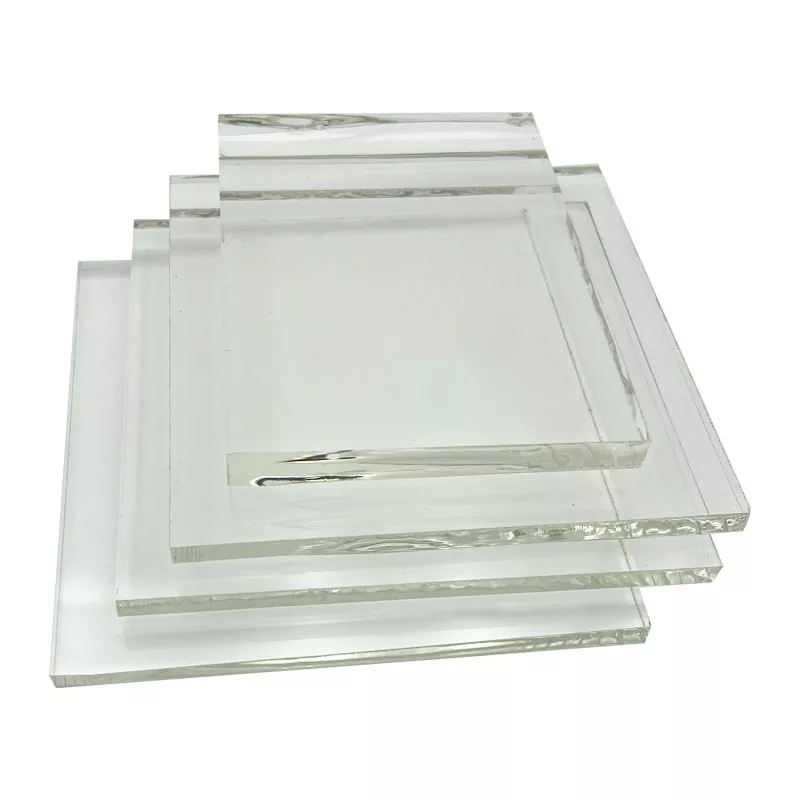
 Explaining the key points and safety guidelines for installing white glass2026/01/28
During the installation process, precise operation and detailed handling are particularly crucial. For the installation of white glass in different scenarios, differentiated specifications must be followed. When installing white glass for doors and windows, the glass surface orientation must comply ......
 Know these 6 key indicators of aluminum alloy door and window materials!2026/01/28
The series number indicates the thickness of the door frame in millimeters. Aluminum alloy sliding doors are available in 70 and 90 series; the 70 series is sufficient for interior residential aluminum alloy sliding doors.