 English
 Español
  Português
  русский
  Français
  日本語
日本語  Deutsch
  tiếng Việt
  Italiano
  Nederlands
  ภาษาไทย
  Polski
  한국어
한국어  Svenska
  magyar
  Malay
Malay  বাংলা ভাষার
  Dansk
Dansk  Suomi
Suomi  हिन्दी
  Pilipino
  Türkçe
  Gaeilge
  العربية
  Indonesia
  Norsk
Norsk  تمل
تمل  český
český  ελληνικά
  український
  Javanese
  فارسی
فارسی  தமிழ்
தமிழ்  తెలుగు
  नेपाली
  Burmese
  български
  ລາວ
ລາວ  Latine
  Қазақша
  Euskal
  Azərbaycan
  Slovenský jazyk
  Македонски
  Lietuvos
  Eesti Keel
  Română
  Slovenski
  मराठी
मराठी  Srpski језик

Call Us
+86-15805363117
Email Us
dopinew@gmail.com

Sealed Insulation Sensor Door
Our extensive portfolio of automatic entrance solutions addresses the most demanding architectural and operational requirements, integrating advanced sensing technology with durable construction. The Infrared Automatic Sensor Door relies on precision passive infrared detection to deliver fully touchless activation, making it ideal for hospitals, laboratories, and clean manufacturing spaces. For high-volume commercial entrances, the Commercial Automatic Sensor Door employs dual microwave and PIR sensors to distinguish pedestrian traffic patterns even in crowded lobbies. The Tempered Glass Sensor Door combines 12mm safety-rated tempered glass with concealed sensor modules, offering full transparency and a contemporary aesthetic for retail fronts and corporate offices. When structural efficiency is paramount, the Aluminum Alloy Sensor Door provides a lightweight yet robust frame finished with anodized or powder-coated surfaces that resist corrosion in outdoor and humid environments. All these models share a common 24V DC brushless motor platform with soft-start and soft-stop programming, adjustable opening speeds from 0.4 to 1.8 m/s, and selectable hold-open intervals ranging from 2 to 60 seconds. Integrated safety light curtains and obstacle detection reverse the door upon encountering resistance below 50 N, fully complying with EN 16005 and ANSI 156.10 standards. Each door can be controlled via wireless remote, push plate, or building management system integration, and their IP54-rated control boxes ensure reliable operation across temperatures from -20°C to 50°C. A side-by-side comparison of their core specifications is provided below.
| Specification | Infrared Automatic Sensor Door | Commercial Automatic Sensor Door | Tempered Glass Sensor Door | Aluminum Alloy Sensor Door |
|---|---|---|---|---|
| Primary Sensor | Passive Infrared (PIR) | Microwave + PIR | Infrared Beam | Active Infrared |
| Detection Range | Up to 3.5 m | Up to 4.0 m (adjustable) | 2.5 m (narrow beam) | Up to 3.0 m |
| Opening Speed | 0.4 – 1.5 m/s | 0.6 – 1.8 m/s | 0.5 – 1.6 m/s | 0.4 – 1.4 m/s |
| Max. Leaf Weight | 120 kg | 200 kg | 100 kg | 130 kg |
| Door Material Options | Solid wood, glass, composite | Aluminum frame with insert | 12 mm tempered glass | Aluminum alloy (6063-T5) |
| Common Clear Opening Width | 700 – 1200 mm | 900 – 1600 mm | 800 – 1100 mm | 800 – 1300 mm |
| Operating Temperature | -20°C to 50°C | -25°C to 55°C | -15°C to 45°C | -20°C to 50°C |
| Typical Applications | Healthcare, cleanrooms | Airports, malls, offices | Retail stores, showrooms | Exterior entrances, factories |
The Sealed Insulation Sensor Door redefines thermal performance and hermetic sealing for environments where temperature stability and air quality are critical. Engineered with a multi-layer insulation core, this door system eliminates thermal bridges and prevents condensation, making it the preferred choice for cold storage warehouses, pharmaceutical cleanrooms, food processing lines, and metrology laboratories. The Sealed Insulation Sensor Door incorporates a galvanized steel skin bonded to high-density polyurethane foam injected at 40 kg/m³ density, achieving an ultra-low U-value of 0.22 W/m²K for a 75 mm panel. When specified with 100 mm thickness, the U-value drops to 0.17 W/m²K, significantly reducing energy consumption in freezer rooms operating at -30°C. Perimeter sealing relies on quadruple EPDM magnetic gaskets that engage fully into a thermally broken frame, while a sturdy aluminium drop seal automatically deploys upon closing to create a class 4 airtight joint rated at 600 Pa according to EN 12207. The integrated sensor module can be configured with radar motion detectors, infrared presence sensors, or no-touch wave switches, all connected to a microprocessor controller that allows separate adjustment of opening and closing forces, speed profiles, and hold-open timers. Below is a summary of the Sealed Insulation Sensor Door’s key structural features.
- Heavy-duty stainless steel hinge assemblies with ball-bearing pivot points for maintenance-free cycles exceeding 1,000,000 operations
- Vision panel insert available with argon-filled double or triple glazing, further reducing thermal transmittance and eliminating fogging
- Adjustable closing force from 3 to 7 daN to maintain constant gasket compression without compromising accessibility compliance
- Panel thickness options: 50 mm, 75 mm, 100 mm, and 120 mm, accommodating wall insulation levels from EPS to VIP panels
- Tested operating range from -40°C to +60°C, with optional anti-freeze heating tape for the frame in sub-zero installations
- Hygienic stainless steel 304 or 316L cladding available for cleanroom protocols, with flush glazing and crevice-free silicone seals
The comprehensive technical parameters of the Sealed Insulation Sensor Door are tabulated below to assist with specification and integration into BIM models.
| Parameter | Value / Description |
|---|---|
| Door Leaf Construction | 1.2 mm galvanized steel skin + 40 kg/m³ PU foam core |
| Insulation U-value (75 mm panel) | 0.22 W/m²K |
| Insulation U-value (100 mm panel) | 0.17 W/m²K |
| Air Permeability Class | Class 4 (EN 12207, 600 Pa) |
| Gasket System | 4-sided EPDM magnetic + retractable bottom seal |
| Maximum Panel Size (W × H) | 1500 mm × 2700 mm (larger on request) |
| Motor Operating Voltage | 24 V DC, with 100-240 V AC power supply unit |
| Sensor Options | PIR, microwave, active infrared, wave-to-open switch |
| Safety Functions | Safety beam, obstacle detection with reverser, emergency push bar |
| Fire Resistance (optional) | EI60 or EI90 certified panel assembly |
| Frame Profile | Thermally broken aluminium or stainless steel, with optional heated frame |
| Average Cycle Weight | Approx. 95 kg (1000 × 2100 mm, 100 mm panel) |
| Control Interface | LCD digital programmer, Modbus RTU for BMS integration |
Installation flexibility is another hallmark of the Sealed Insulation Sensor Door: it can be mounted as a surface-applied unit, pocket sliding door, or telescopic opening to maximize clearance without sacrificing insulation continuity. The door operator is housed in a sealed overhead profile that matches the frame finish, and all wiring channels include grommeted entry points to preserve the vapour barrier. For facilities governed by GMP or ISO 14644 standards, optional flush-mounted door sills and electropolished stainless steel cover plates ensure a crevice-free, easy-to-sanitise surface. The Sealed Insulation Sensor Door seamlessly links with building management systems, transmitting status and alarm data via Modbus RTU, and can be integrated into interlock sequences to maintain pressure differentials between clean zones.
Related Products
Hot Products
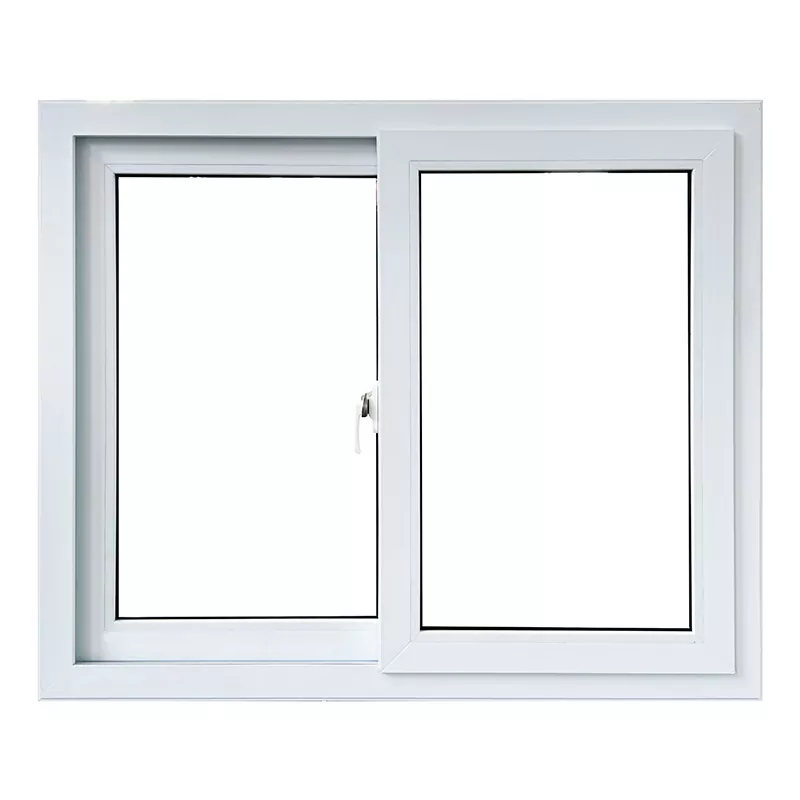
PVC Windows
Duoping is a professional developer, manufacturer, and supplier of high-quality PVC windows. By leveraging precision processing technology for PVC profiles, we have created PVC window products that are lightweight, eco-friendly, offer excellent sound and heat insulation, and provide exceptional cost performance. These windows are widely suitable for residential, apartment, and affordable housing projects, offering stable quality and competitive pricing across the national market. We sincerely look forward to collaborating with you and providing cost-effective door and window solutions.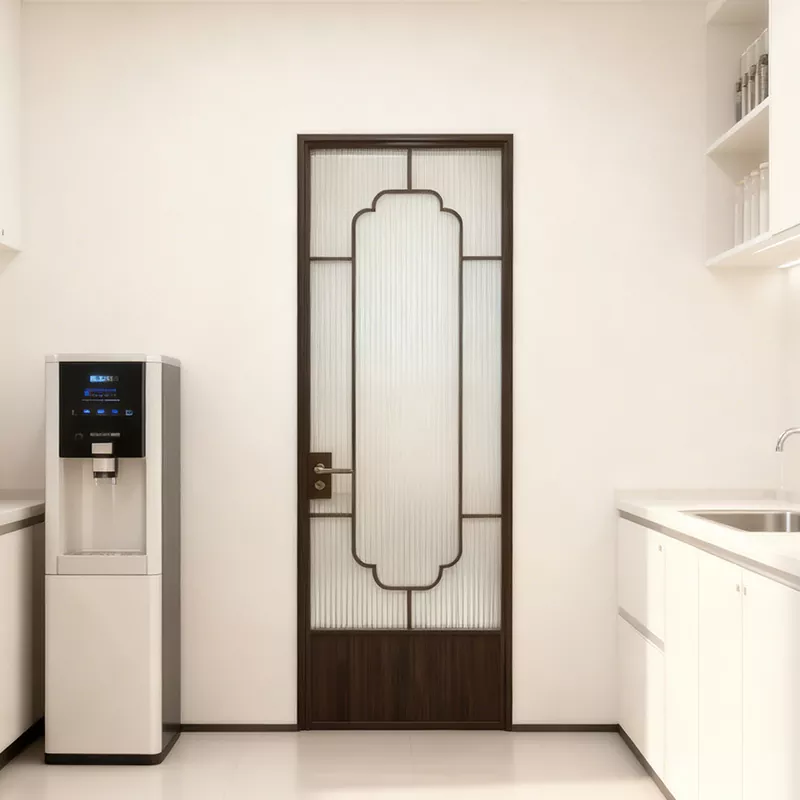
Bathroom Doors
Widely used in homes, hotels and office buildings, Duoping’s bathroom doors are manufactured by a professional supplier with advanced waterproof technology and eco-friendly material processing to ensure high quality. They feature IP54 waterproof, privacy protection, sound insulation and easy cleaning, with customizable styles. The company provides wholesale services, strict quality control, customized solutions, nationwide delivery and comprehensive after-sales support.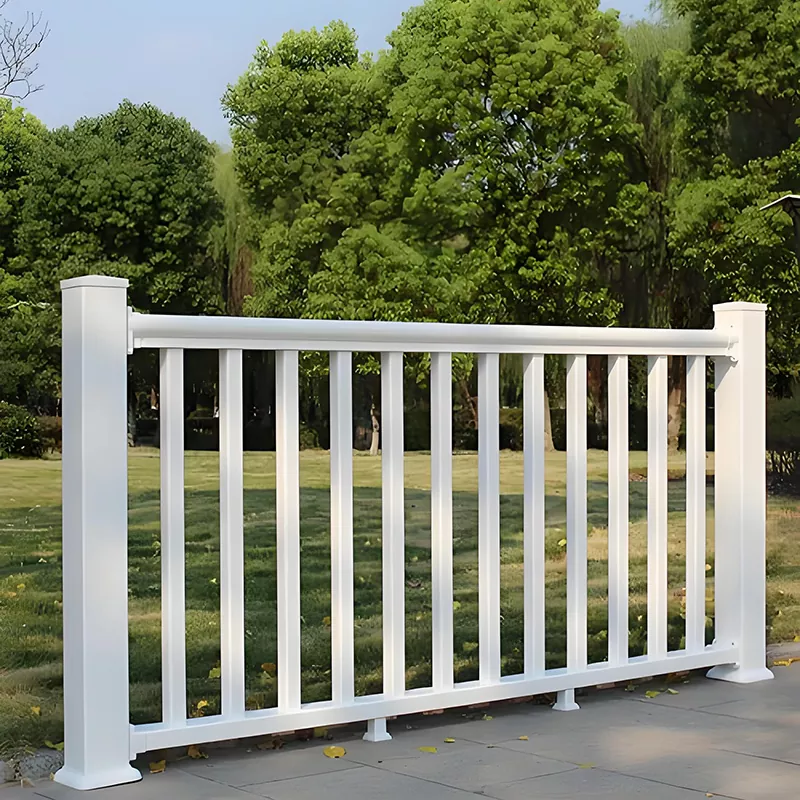
PVC Railings
Duoping stands as a professional manufacturer and supplier of PVC railings, featuring advanced extrusion and co-extrusion technologies. These railings deliver excellent corrosion resistance, easy installation and low maintenance, ideal for residential, municipal and commercial protection projects. We support customized sizes and colors, welcome wholesale orders, and provide cost-effective railing solutions for large-scale construction procurement.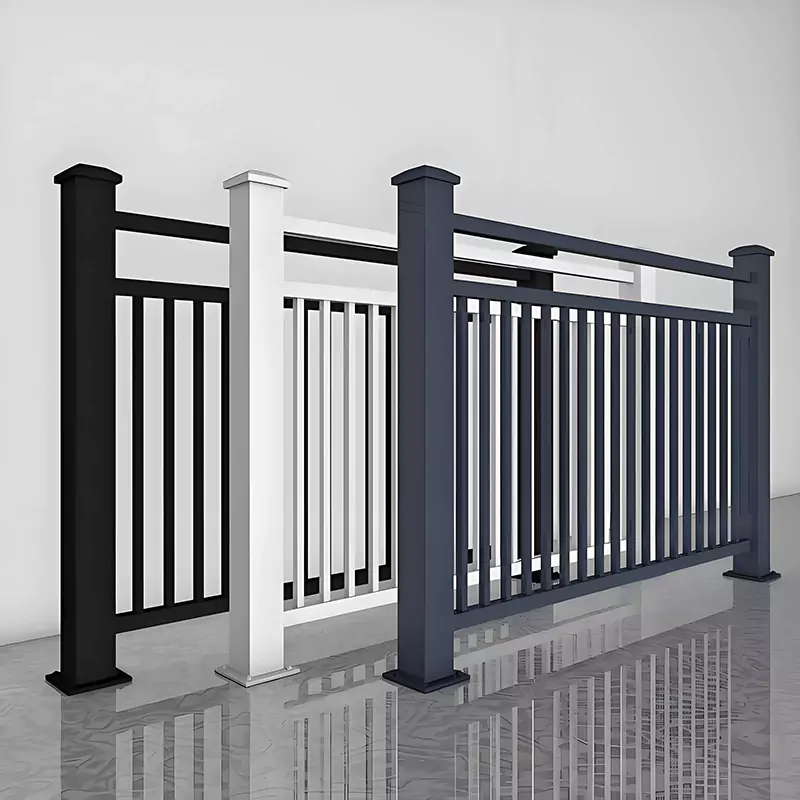
Aluminum Railings
As a trusted manufacturer and supplier, Duoping specializes in producing high-quality aluminum railings with advanced electrostatic spraying and anodizing technologies. Our railings are lightweight yet sturdy, corrosion-resistant, and long-lasting, fitting well for balconies, stairs, municipal and commercial projects. We offer customized options, accept wholesale orders, and deliver reliable, cost-effective protection solutions for all types of construction procurement.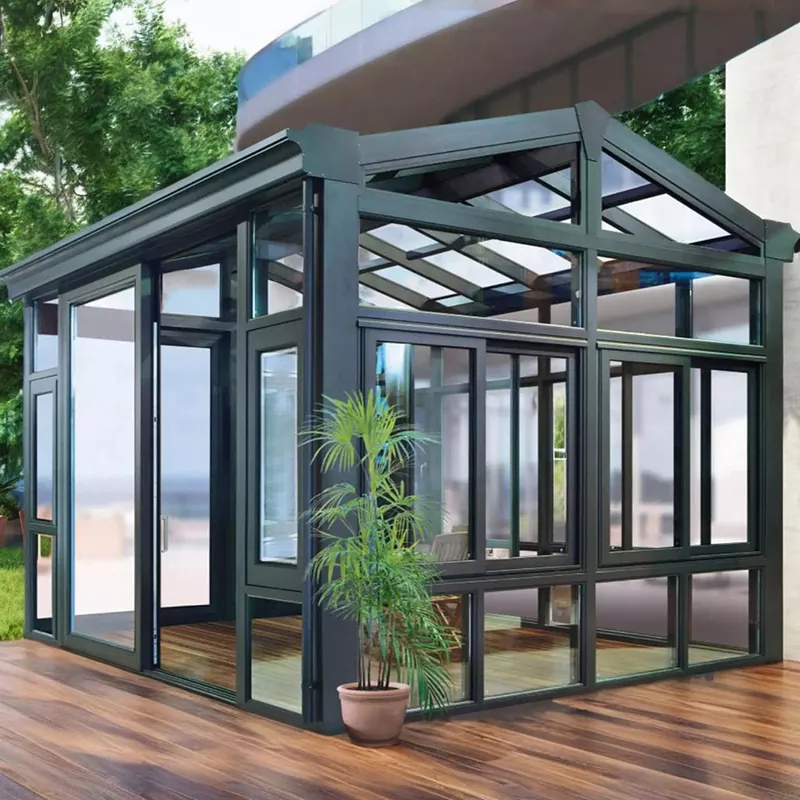
Aluminum Alloy Sunroom
Shandong Duoping New Materials Co., Ltd. is a professional R&D, production and supplier of aluminum alloy sunrooms. With years of deep cultivation in the industry, we rely on a large-scale production system and mature manufacturing technology to forge cost-effective products, which are exported to many regions in Europe and America. We sincerely look forward to working hand in hand with you to become your trustworthy long-term partner in China.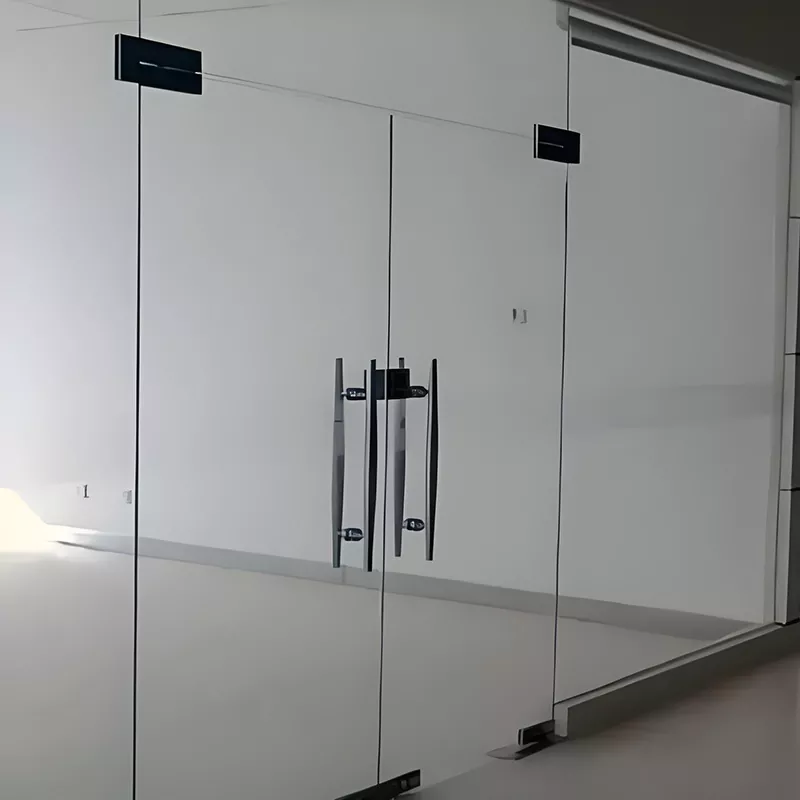
Glass Door
Duoping is a professional supplier and manufacturer of glass doors, with advanced tempered glass processing and precision frame design technologies to ensure high quality. Its glass doors are safe, sturdy and versatile, with excellent light transmission, widely used in commercial, residential and office scenarios. The company offers customized solutions, wholesale services and strict quality control, with nationwide delivery and comprehensive after-sales support.
- Related Blog
- Reviews

Send Inquiry
-
E-mail
X
We use cookies to offer you a better browsing experience, analyze site traffic and personalize content. By using this site, you agree to our use of cookies.
Privacy Policy
News
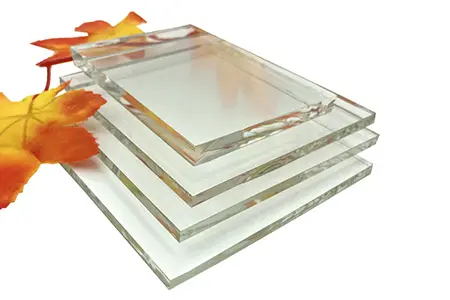 Explaining the key points and safety guidelines for installing white glass2026/01/28
During the installation process, precise operation and detailed handling are particularly crucial. For the installation of white glass in different scenarios, differentiated specifications must be followed. When installing white glass for doors and windows, the glass surface orientation must comply ......
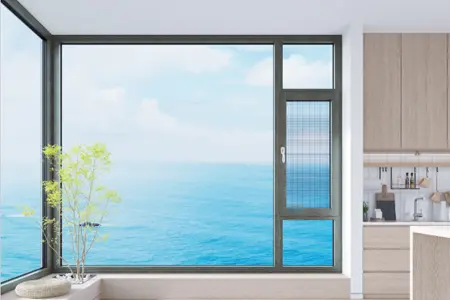 Know these 6 key indicators of aluminum alloy door and window materials!2026/01/28
The series number indicates the thickness of the door frame in millimeters. Aluminum alloy sliding doors are available in 70 and 90 series; the 70 series is sufficient for interior residential aluminum alloy sliding doors.