 English
 Español
  Português
  русский
  Français
  日本語
日本語  Deutsch
  tiếng Việt
  Italiano
  Nederlands
  ภาษาไทย
  Polski
  한국어
한국어  Svenska
  magyar
  Malay
Malay  বাংলা ভাষার
  Dansk
Dansk  Suomi
Suomi  हिन्दी
  Pilipino
  Türkçe
  Gaeilge
  العربية
  Indonesia
  Norsk
Norsk  تمل
تمل  český
český  ελληνικά
  український
  Javanese
  فارسی
فارسی  தமிழ்
தமிழ்  తెలుగు
  नेपाली
  Burmese
  български
  ລາວ
ລາວ  Latine
  Қазақша
  Euskal
  Azərbaycan
  Slovenský jazyk
  Македонски
  Lietuvos
  Eesti Keel
  Română
  Slovenski
  मराठी
मराठी  Srpski језик

Call Us
+86-15805363117
Email Us
dopinew@gmail.com
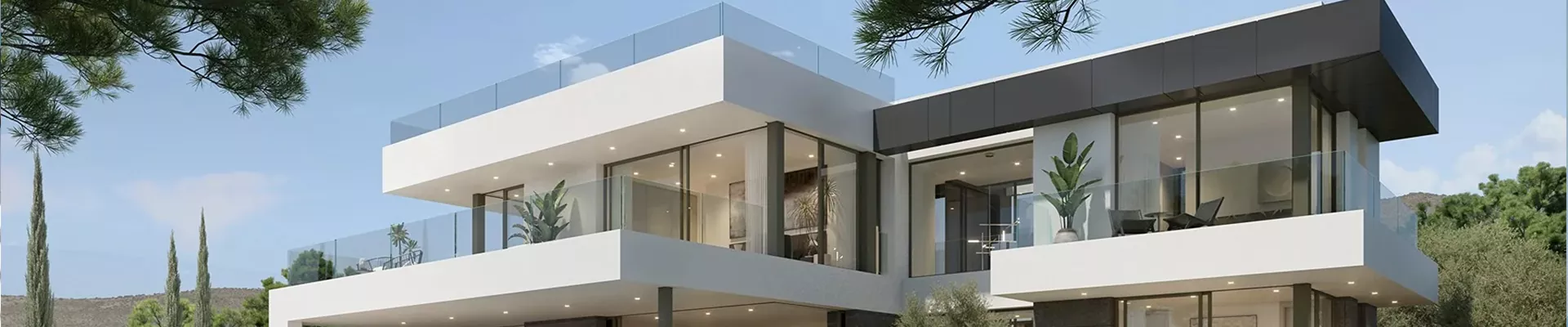
Commercial Thermal Break Windows
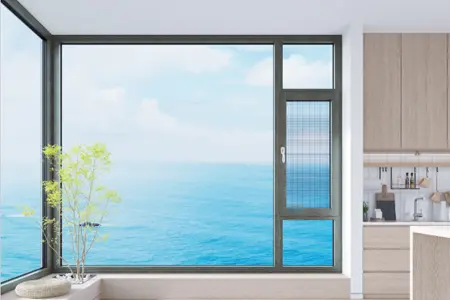
In commercial construction, the building envelope demands components that deliver consistent thermal performance, structural resilience, and long-term operational cost savings. Our engineered fenestration solutions embed advanced polyamide thermal break technology to decouple interior and exterior aluminum profiles, effectively interrupting conductive heat flow. For architects and contractors balancing design intent with energy code compliance, we offer distinct typologies suited to every facade condition. Thermal Break Aluminum Windows provide the clean sightlines and narrow frame dimensions ideal for curtain wall integration and punched openings in high-rise office towers. Projects that demand traditional outward ventilation and robust compression seals benefit from Thermal Break Casement Windows, which can be fabricated in large sash sizes while maintaining air leakage rates below 0.1 cfm/ft². Where interior floor space is at a premium and horizontal sliding operation is preferred, Thermal Break Sliding Windows present a tested solution with tandem rollers and interlocking meeting stiles that sustain design pressures up to 70 psf. For mixed-use developments and institutional buildings requiring dual-mode ventilation and easy interior cleaning, Tilt and Turn Thermal Break Windows furnish a single-frame answer that tilts inward for secure airflow and swings fully open for egress. Every system in this portfolio undergoes independent testing to AAMA/WDMA/CSA 101/I.S.2/A440 standards, and supporting NFRC thermal simulation reports are available to streamline whole-building energy modeling and LEED documentation.
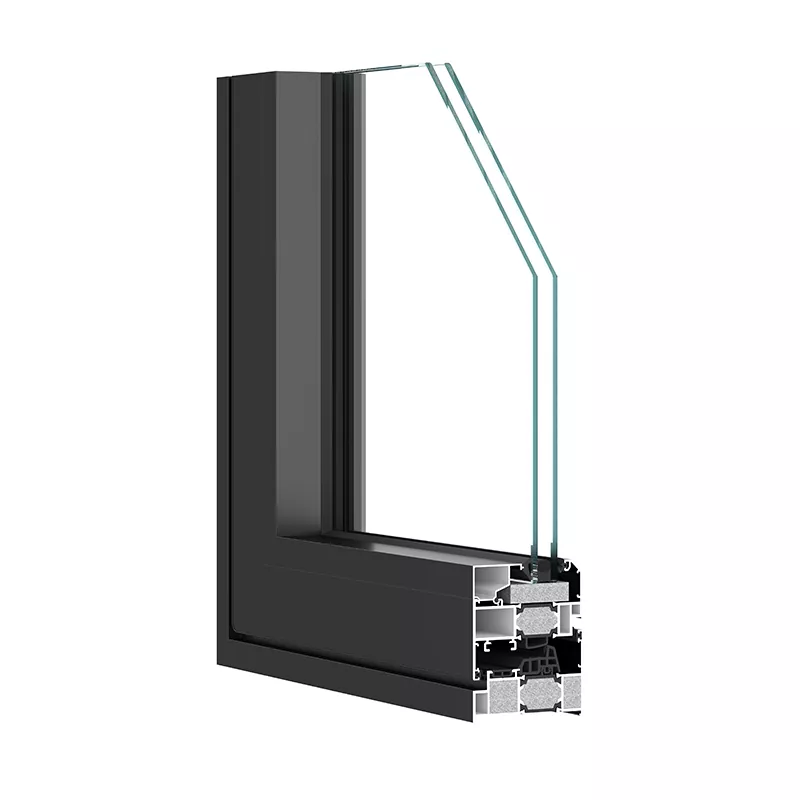
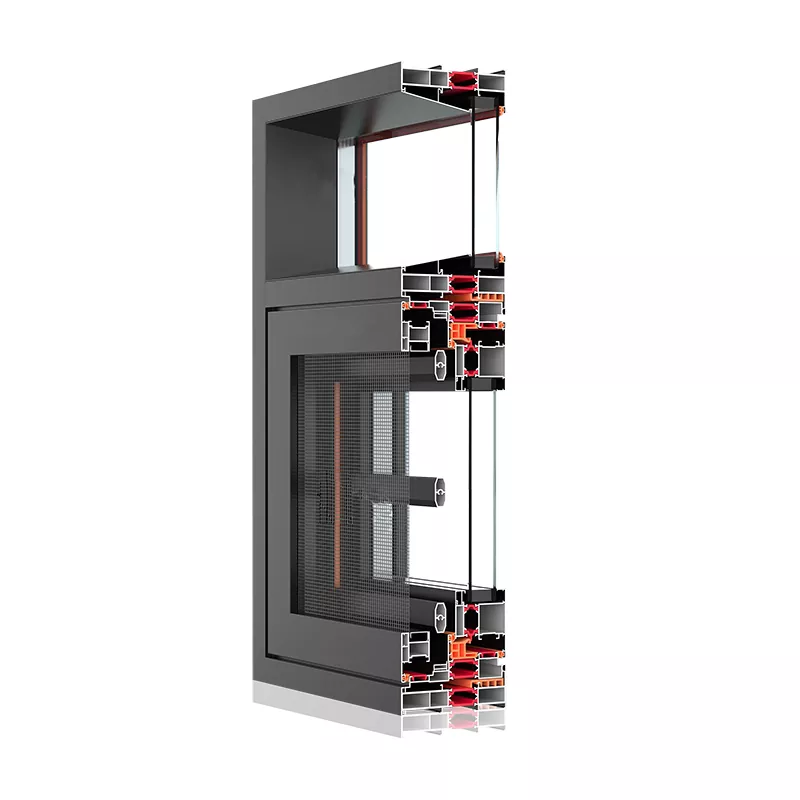
Commercial Thermal Break Windows deploy a multi-chambered primary frame profile reinforced internally with glass-fiber-strengthened polyamide strips ranging from 24 mm to 40 mm in depth. This configuration creates a continuous insulating plane that pushes frame U-factors as low as 0.25 W/m²K in fixed configurations while virtually eliminating interior condensation at outdoor temperatures down to -20°F when paired with appropriate warm-edge glazing. The product platform accommodates three frame depths—65 mm, 75 mm, and 90 mm—allowing selection matched to wind load zones and spans. Heavy-wall aluminum extrusions with 6063-T6 alloy ensure span capabilities up to 3.0 meters wide and 3.5 meters high without steel reinforcement, and structural brackets facilitate mullion joining for ribbon window assemblies and stacked combinations. Condensation resistance ratings sit between 55 and 75 depending on the operable sash choice, while acoustic performance spans STC 35 to 45 using laminated interlayers. For visibility, triple-silver low-E coatings achieve visible light transmittance of 40% to 70% at solar heat gain coefficients between 0.20 and 0.60, optimizing daylight autonomy without thermal penalty. The table below summarizes key performance parameters across four operative styles of Commercial Thermal Break Windows tested with standard 1-inch triple-glazed units and argon fill.
| Performance Parameter | Fixed Window | Casement Window | Tilt & Turn Window | Sliding Window |
|---|---|---|---|---|
| Overall U-Factor (W/m²K) | 0.25 – 0.32 | 0.28 – 0.35 | 0.28 – 0.35 | 0.30 – 0.38 |
| Solar Heat Gain Coefficient | 0.20 – 0.60 | 0.20 – 0.60 | 0.20 – 0.60 | 0.20 – 0.55 |
| Visible Light Transmittance | 40% – 70% | 40% – 70% | 40% – 70% | 40% – 65% |
| Condensation Resistance | 65 – 75 | 60 – 70 | 60 – 70 | 55 – 65 |
| Air Infiltration at 6.24 psf (cfm/ft²) | ≤ 0.05 | ≤ 0.1 | ≤ 0.1 | ≤ 0.15 |
| Water Penetration Resistance (psf) | 15 | 12 | 12 | 10 |
| Design Pressure (psf) | ± 60 – 100 | ± 50 – 80 | ± 50 – 80 | ± 40 – 70 |
Further detailing of Commercial Thermal Break Windows reveals a drainage methodology that uses concealed internal weeps and pressure-equalized sill chambers, preventing water intrusion during wind-driven rain events without exposed slots that degrade sightlines. All operable units employ multi-point locking hardware made of grade 304 stainless steel, with adjustable compression cams on casement and tilt-and-turn sashes that pull the sash uniformly against dual EPDM gaskets. Sliding variants ride on tandem adjustable roller assemblies with sealed ball bearings, tested to 50,000 open-close cycles without deviation in operating force. The anodized and powder-coated finishes comply with AAMA 2604 and 2605 specifications, available in over 200 standard RAL tones plus custom matched colors, while Class 1 clear anodize and copper-free variants support coastal applications. Hardware integration options allow concealed actuators for automated smoke ventilation and tie-in to building management systems via 24V DC motor connections. For specifiers targeting energy performance benchmarks, these windows contribute directly to EA Credit Optimize Energy Performance under LEED v4 and BREEAM Ene 01, backed by ISO 14025 Type III environmental product declarations that document the global warming potential of the aluminum framing system across its lifecycle.
Related Products
Hot Products
Huizhou-style Pavilions
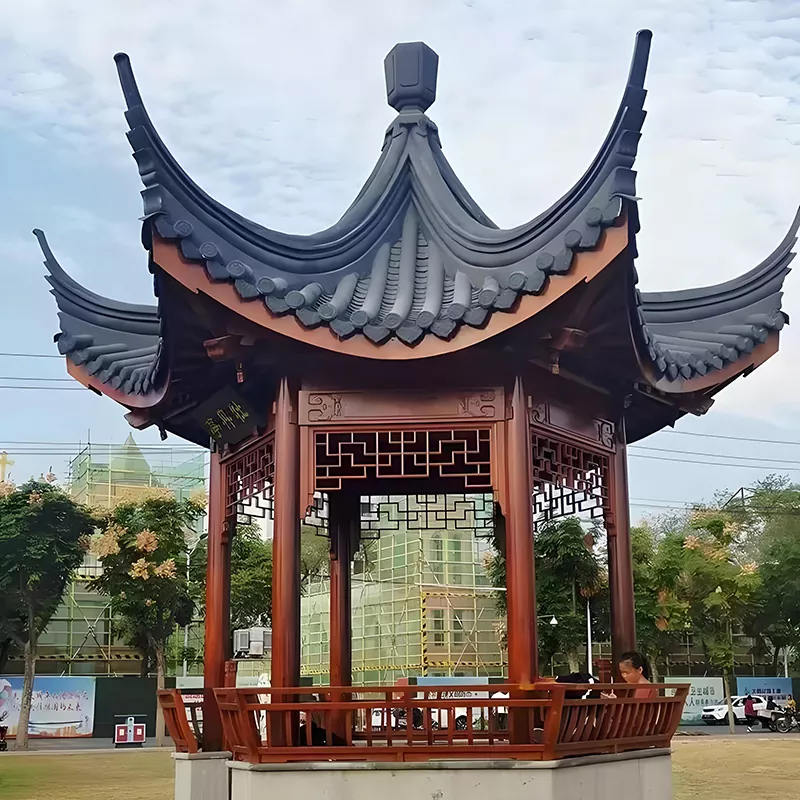
Duoping is a professional supplier and manufacturer of Huizhou-style pavilions, relying on traditional mortise-and-tenon craftsmanship and hand-carving technologies to ensure high quality. Its products integrate Huizhou architectural charm, durability and cultural texture, widely used in ancient scenic spots and Chinese-style scenarios. The company provides customized solutions, wholesale services and strict quality control, with nationwide delivery and comprehensive after-sales support.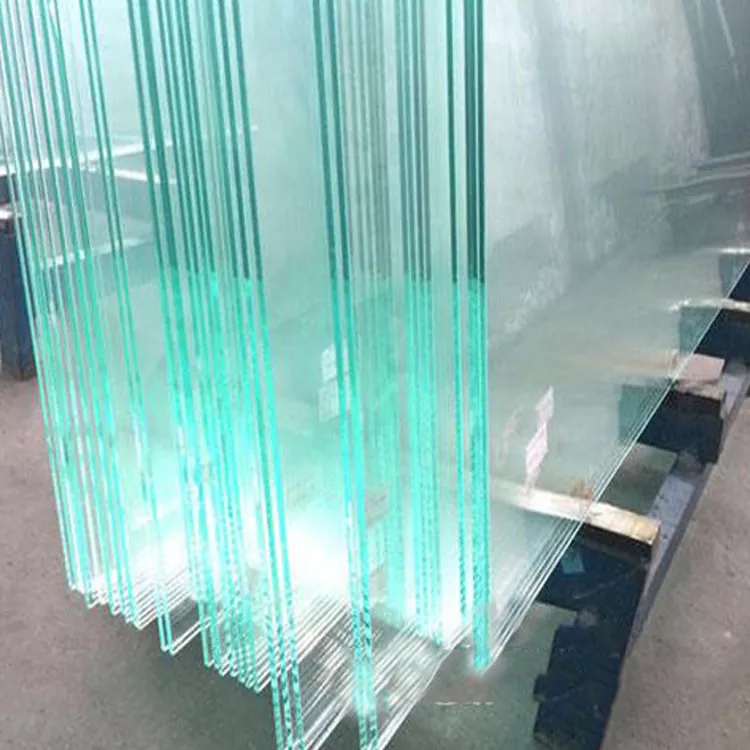
Ultra-clear Glass
Duoping stands as a professional manufacturer and supplier of ultra-clear glass, equipped with advanced low-iron control and high-precision processing technologies. This high-quality product features 91.5%-93% light transmittance and no greenish tint, perfect for high-end construction projects like villas and star-rated hotels. We provide customized sizes and processes, with strict quality checks ensuring stable performance. Wholesale orders are supported, delivering premium glass solutions for global high-end building procurement.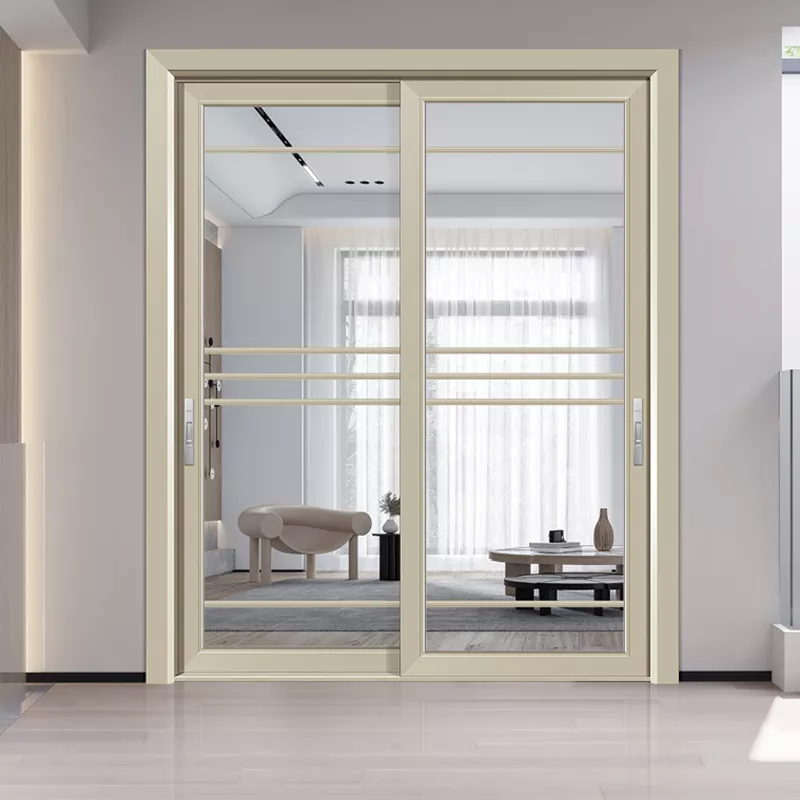
Interior Aluminum Alloy Door
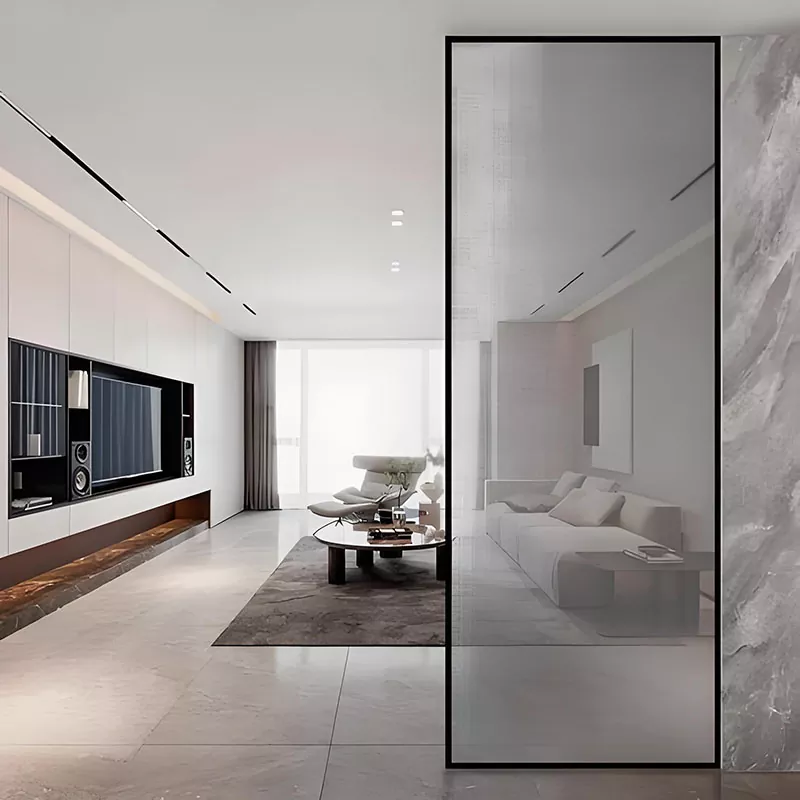
Duoping is a professional manufacturer and supplier of interior aluminum alloy doors, with advanced processing technology and strict quality control. It provides customized solutions featuring sound insulation, durability and modern looks, suitable for residential and commercial spaces. Wholesale orders are available, along with reliable after-sales service to meet diverse user needs.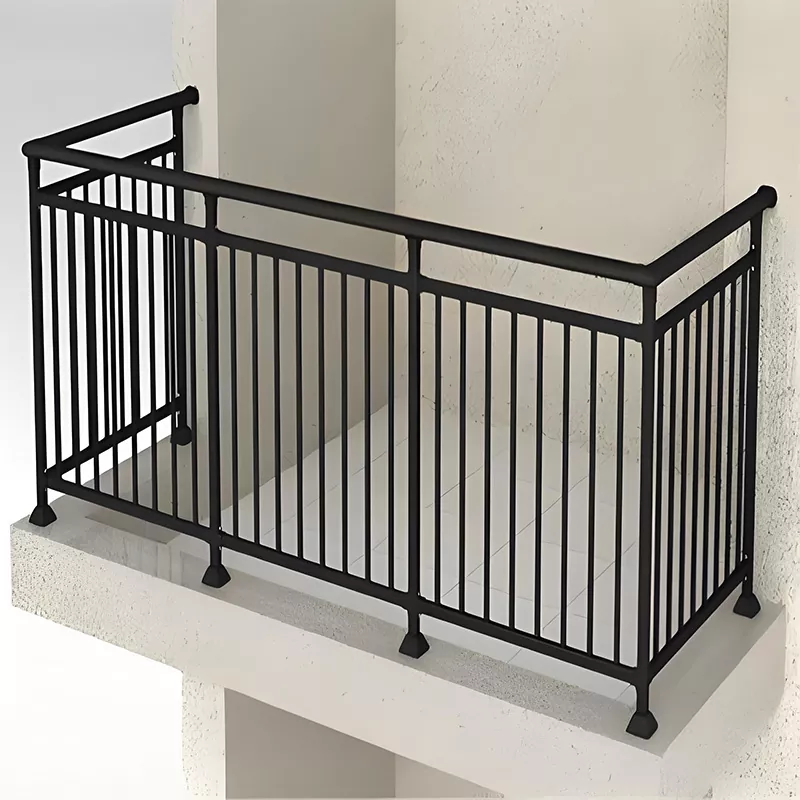
Aluminum Alloy Railings
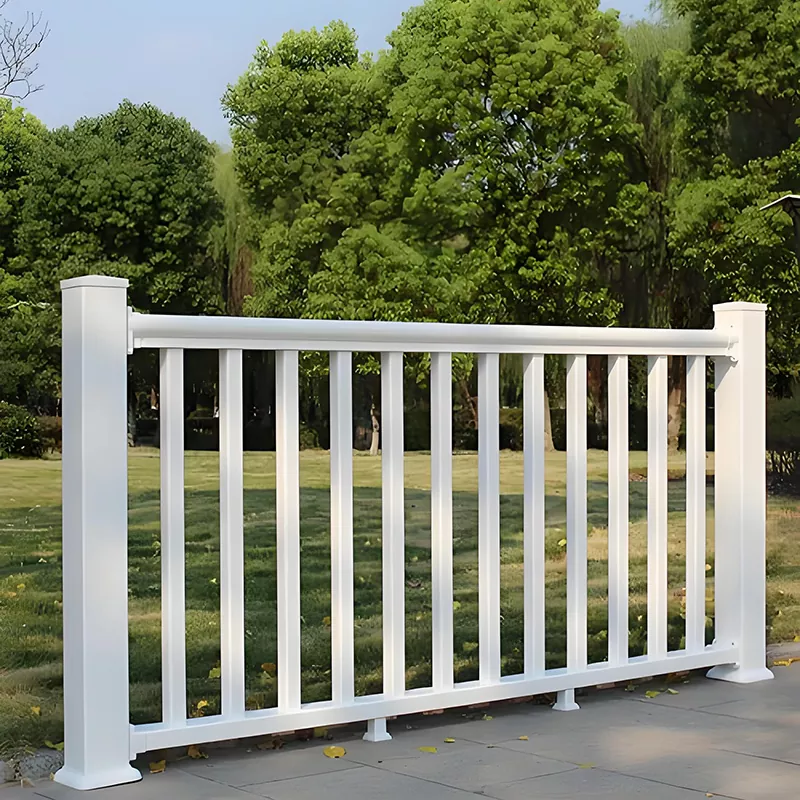
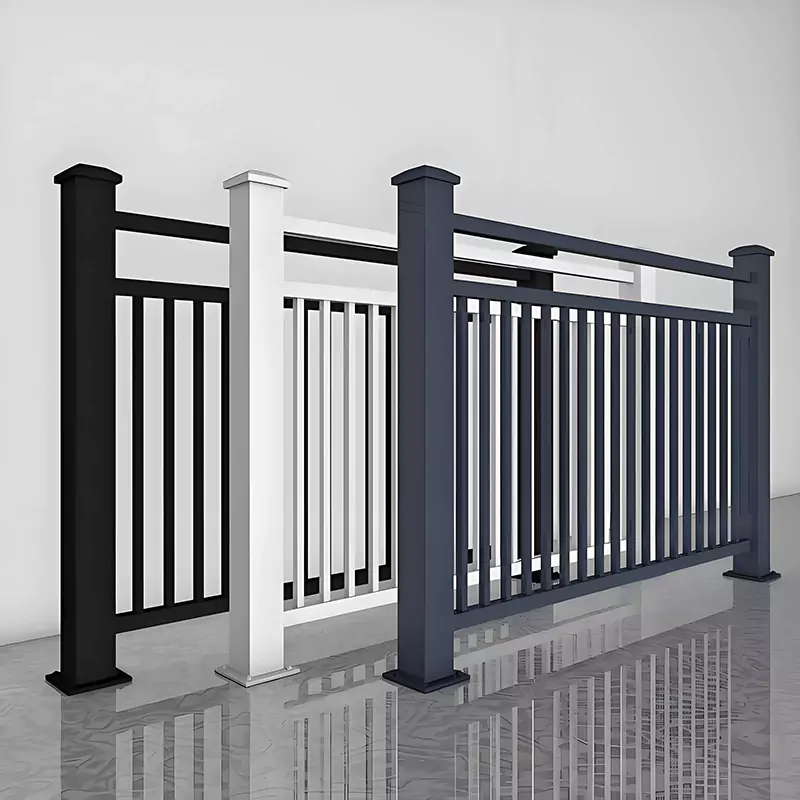
Duoping is a professional manufacturer and supplier of aluminum alloy railings, with advanced surface treatment and strict quality control. These railings feature lightweight structure, corrosion resistance and long service life, suitable for balconies, stairs and municipal projects. We support customized designs and welcome wholesale orders, providing reliable protection solutions for various construction needs.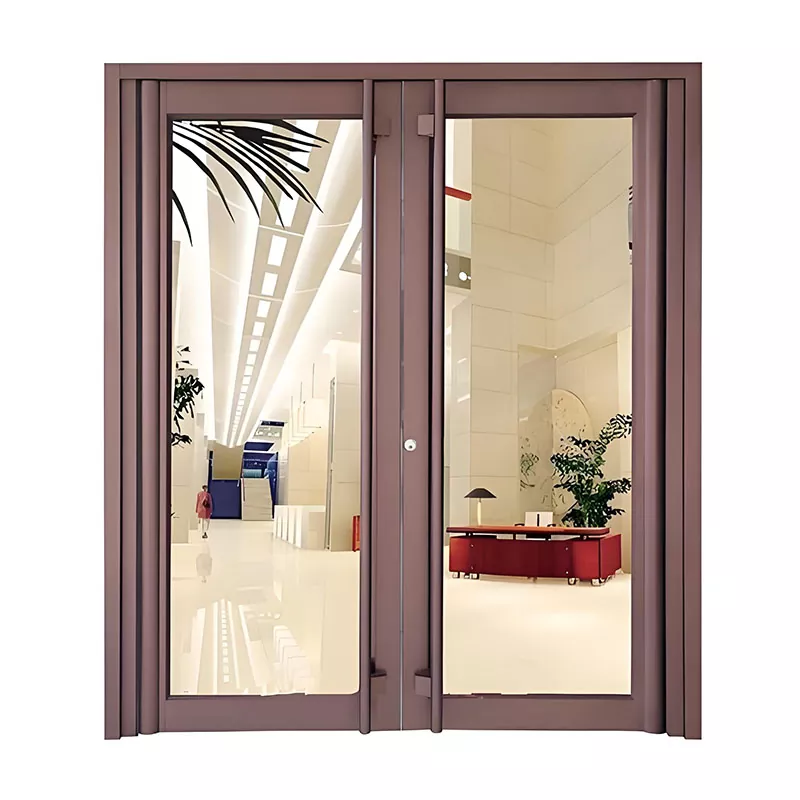
KFC Door
Shandong Duoping New Material Co., Ltd. is a professional R&D, production and supplier of high-end KFC doors. With years of deep cultivation in the door and window building materials industry, relying on core technologies of aluminum alloy precision processing and sealing craftsmanship, we create KFC door products featuring durability, permeability and anti-theft performance. Our products are widely applicable to shops, restaurants, convenience stores and other scenarios, and are sold nationwide and overseas. We sincerely look forward to working with you and becoming your reliable partner for door and window building materials in China.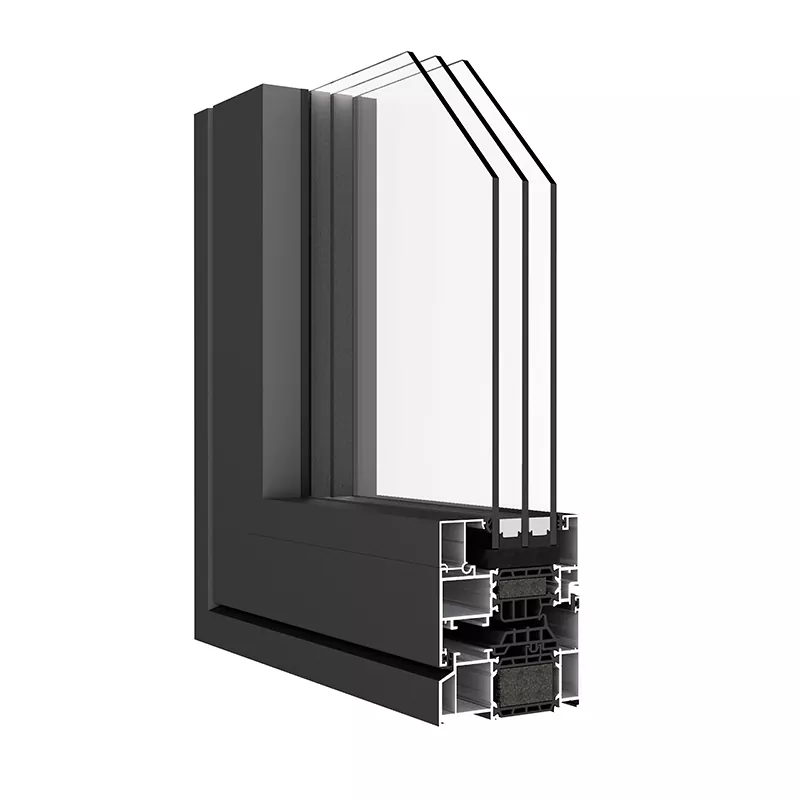
Energy-saving Windows
As a professional manufacturer and supplier, Duoping specializes in energy-saving windows, integrating advanced Low-E insulated glass and multi-layer thermal insulation sealing technology. With excellent thermal insulation performance and low energy consumption, these windows are widely used in residential, office and hotel projects. We offer customized services for glass, frames and opening methods, accept wholesale orders, and deliver high-quality, energy-efficient window solutions for various construction needs.
- Related Blog
- Reviews

Send Inquiry
-
E-mail
X
We use cookies to offer you a better browsing experience, analyze site traffic and personalize content. By using this site, you agree to our use of cookies.
Privacy Policy
News
 Explaining the key points and safety guidelines for installing white glass2026/01/28
During the installation process, precise operation and detailed handling are particularly crucial. For the installation of white glass in different scenarios, differentiated specifications must be followed. When installing white glass for doors and windows, the glass surface orientation must comply ......
 Know these 6 key indicators of aluminum alloy door and window materials!2026/01/28
The series number indicates the thickness of the door frame in millimeters. Aluminum alloy sliding doors are available in 70 and 90 series; the 70 series is sufficient for interior residential aluminum alloy sliding doors.