 English
 Español
  Português
  русский
  Français
  日本語
日本語  Deutsch
  tiếng Việt
  Italiano
  Nederlands
  ภาษาไทย
  Polski
  한국어
한국어  Svenska
  magyar
  Malay
Malay  বাংলা ভাষার
  Dansk
Dansk  Suomi
Suomi  हिन्दी
  Pilipino
  Türkçe
  Gaeilge
  العربية
  Indonesia
  Norsk
Norsk  تمل
تمل  český
český  ελληνικά
  український
  Javanese
  فارسی
فارسی  தமிழ்
தமிழ்  తెలుగు
  नेपाली
  Burmese
  български
  ລາວ
ລາວ  Latine
  Қазақша
  Euskal
  Azərbaycan
  Slovenský jazyk
  Македонски
  Lietuvos
  Eesti Keel
  Română
  Slovenski
  मराठी
मराठी  Srpski језик

Call Us
+86-15805363117
Email Us
dopinew@gmail.com
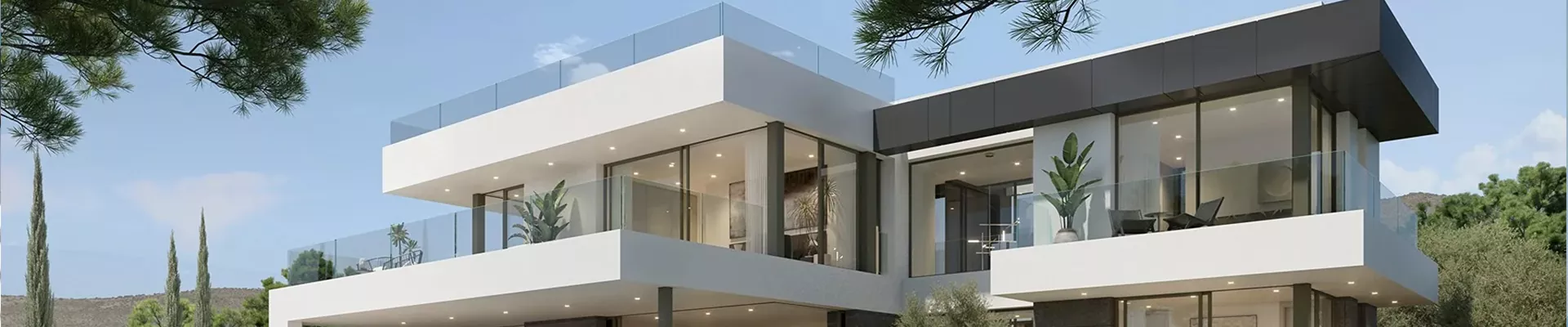
Corrosion Resistant Glass Door
In environments where moisture, chemicals, or salt spray are daily challenges, selecting the right entrance solution is crucial. Our range of corrosion-resistant glass doors combines durability with clean aesthetics, ensuring long-term performance in laboratories, coastal properties, food processing plants, and industrial facilities. Among the most popular options is the Tempered Glass Door, which offers enhanced strength and safety through a controlled thermal treatment process. For projects requiring lightweight yet sturdy framing, the Aluminum Frame Glass Door delivers natural resistance to rust along with sleek modern profiles. When maximum resistance to harsh chemicals and high salinity is required, the Stainless Steel Frame Glass Door stands out with its 304 or 316 grade frames, designed to withstand the most demanding corrosive conditions. For applications where safety regulations are paramount, such as in public buildings or schools, the Safety Tempered Glass Door provides impact resistance and fracture into small granular pieces instead of sharp shards. Each variant integrates advanced sealing systems and premium hardware components specifically chosen to resist pitting, discoloration, and degradation over time.
Our Corrosion Resistant Glass Door is engineered with a multi-layer protective approach that extends from the glass panel to every component. The glazing uses special low-iron tempered glass with an optional anti-corrosion coating that repels water, oils, and mild acids. Frames are available in powder-coated aluminum with marine-grade finishes or in solid stainless steel with electropolished surfaces to eliminate micro-crevices where corrosion can begin. Gaskets and sweeps are manufactured from EPDM or silicone compounds that resist hardening and chemical attack, while fasteners and hinges are crafted from 316 stainless steel. This attention to detail ensures that the door maintains its structural integrity and visual clarity even after years of exposure to salt fog tests exceeding 1,000 hours according to ASTM B117 standards. The design includes thermal breaks that prevent condensation buildup, a common factor in corrosion acceleration. Below, you will find detailed specifications that illustrate how these doors perform across multiple criteria.
- Glass type: 8mm, 10mm, or 12mm fully tempered low-iron glass with optional anti-reflective coating
- Frame material: 6063-T6 aluminum with anodized or powder-coated finish (60–80 microns), or AISI 304/316 stainless steel
- Gasket system: EPDM and silicone dual-seal, tested for chemical resistance per ISO 1817
- Hardware: 316 stainless steel ball-bearing hinges, adjustable lock strike with ceramic coating
- Corrosion resistance rating: C5-M (ISO 12944) for stainless steel models, C4 for aluminum
- Maximum size: 1200mm x 2400mm single leaf, 2400mm x 3000mm double leaf
- Certifications: CE EN 12150, ASTM E283 for air leakage, ASTM E331 for water penetration
| Model | Glass Thickness (mm) | Frame Type | Salt Spray Resistance (Hours) | Weight Capacity (kg) | Typical Application |
|---|---|---|---|---|---|
| RC-AS8 | 8 | Aluminum (Marine Grade) | 800 | 90 | Coastal residential entrance |
| RC-SS10 | 10 | Stainless Steel 304 | 1,200 | 120 | Pharmaceutical cleanroom |
| RC-SS12 | 12 | Stainless Steel 316 | 2,000+ | 150 | Chemical plant access |
| RC-AT10 | 10 | Aluminum (Thermal Break) | 1,000 | 110 | Seaside commercial storefront |
| RC-SST8 | 8 | Stainless Steel 304 (Electropolished) | 1,500 | 130 | Food processing washdown area |
Related Products
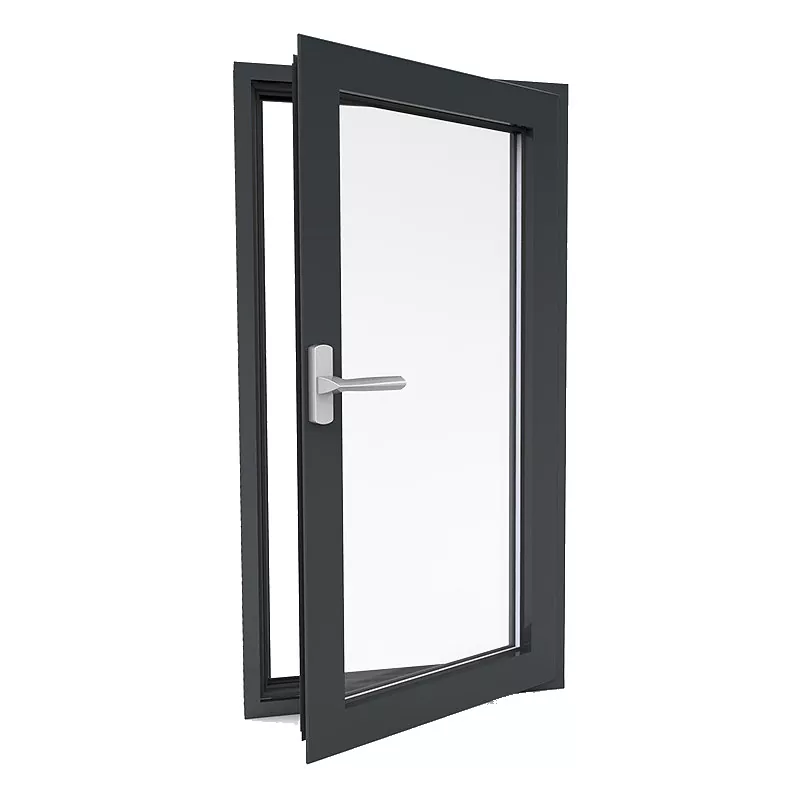
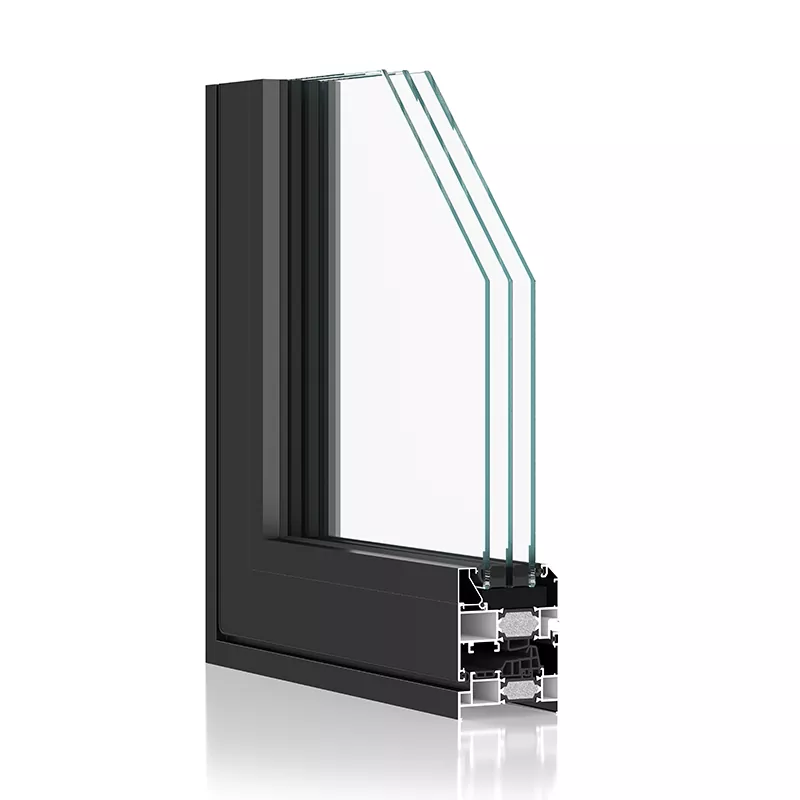
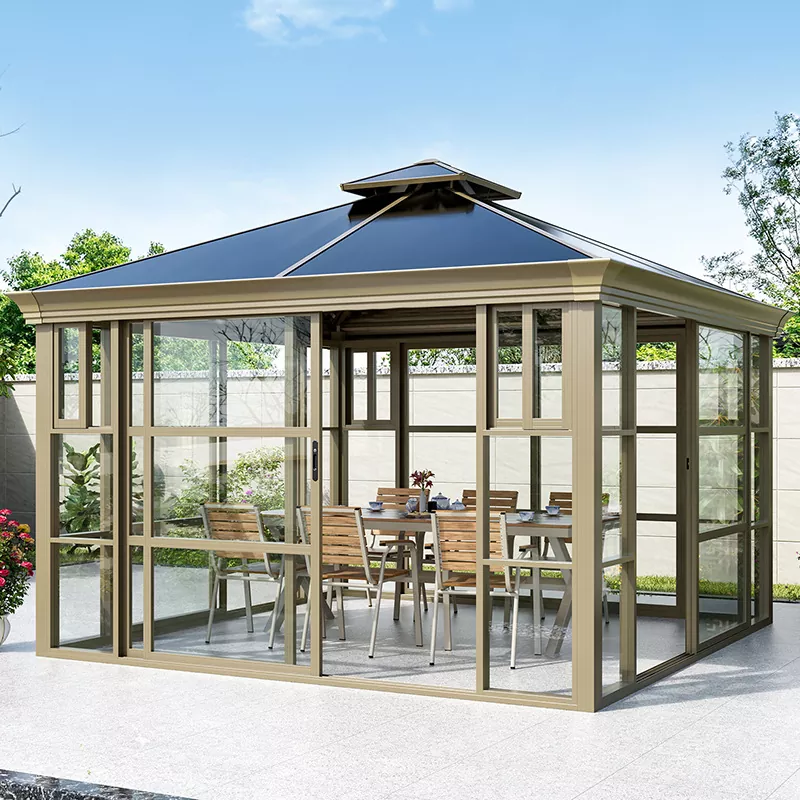
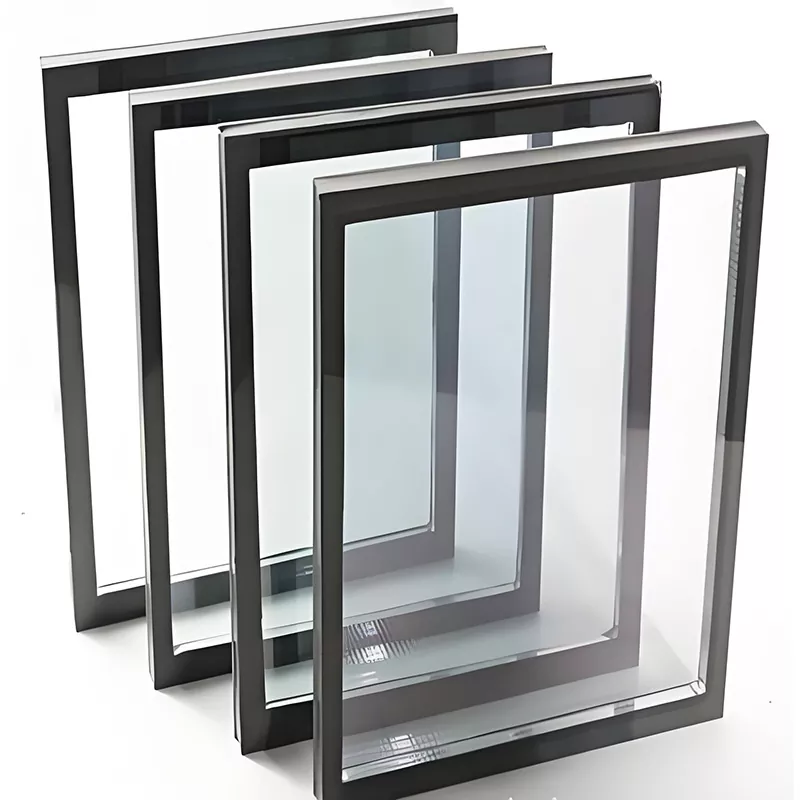
Hot Products
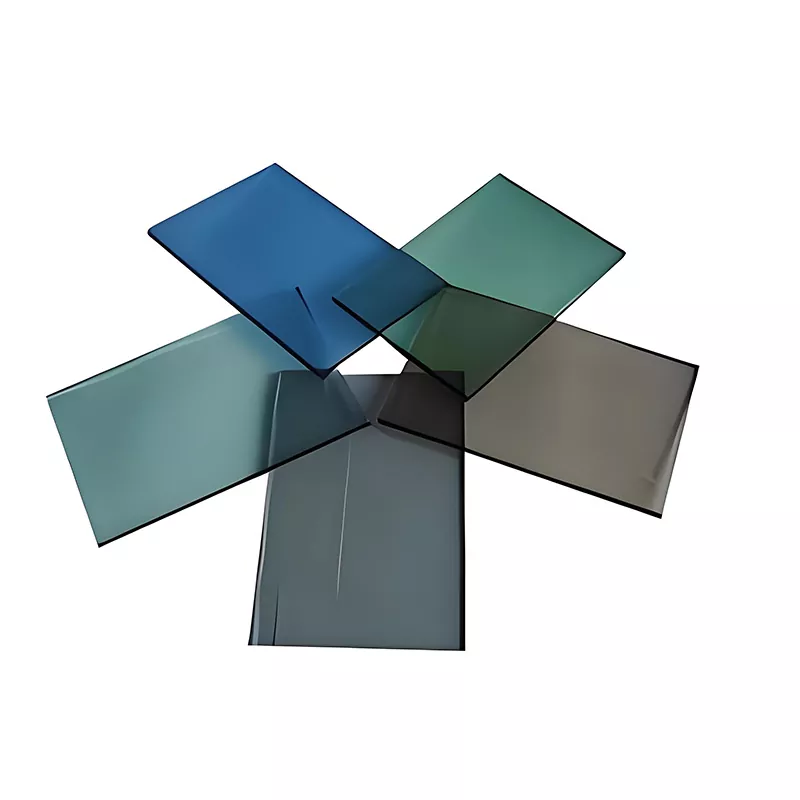
Coated Glass
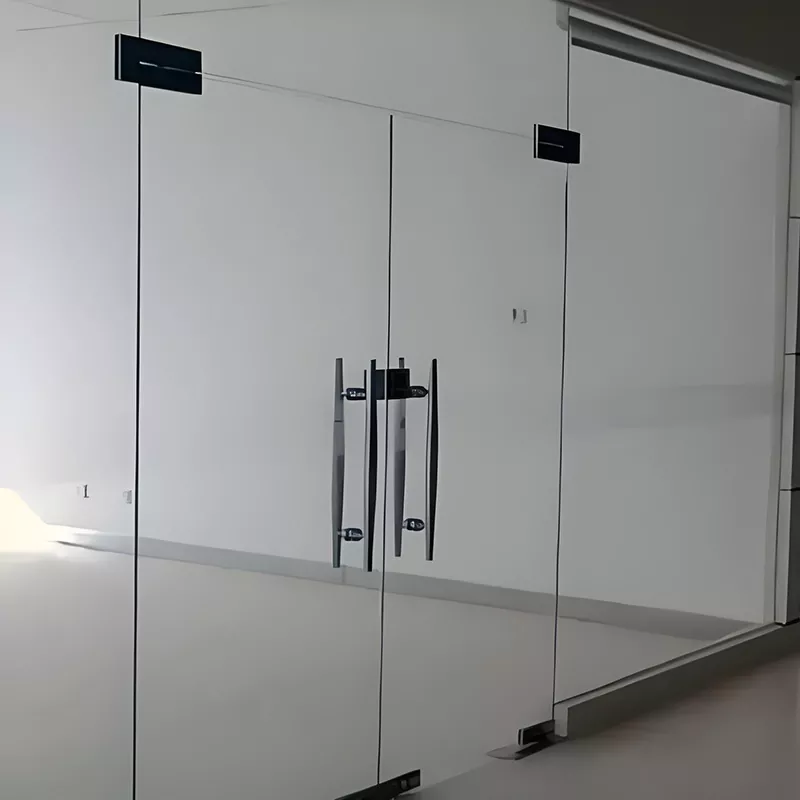
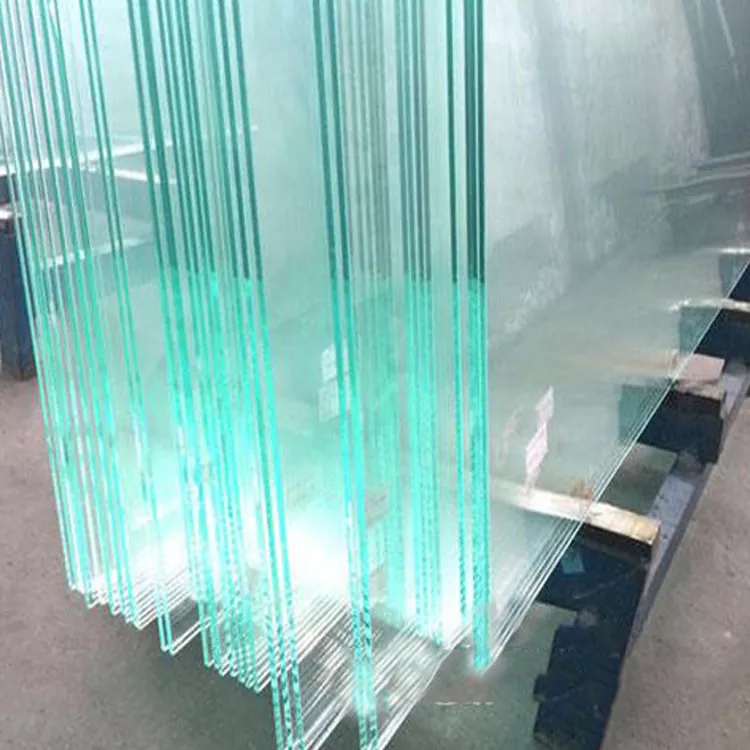
Duoping, a professional manufacturer and supplier, guarantees high quality of its coated glass with strict production control. It adopts advanced processes like vacuum sputtering and chemical deposition, plus secondary tempering to enhance performance. We offer customized services and strict quality checks, ensuring it resists harsh environments for long-term use.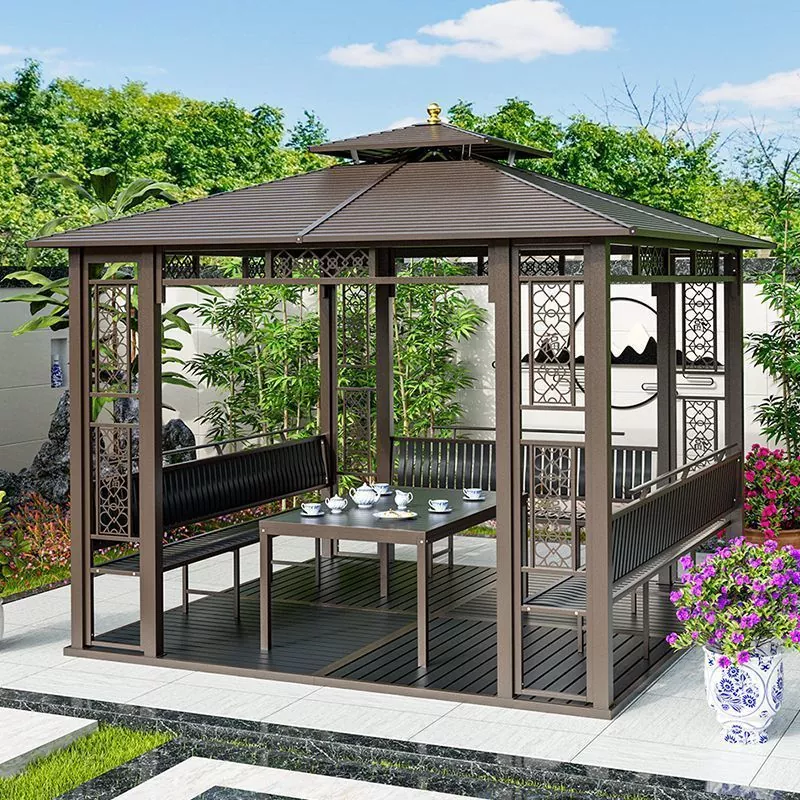
Pavilion with Sink
Shandong Duoping New Material Technology Co., Ltd., a professional manufacturer and supplier of Pavilion with Sink, owns core production processes and provides high-quality products with excellent Quality. Its Pavilion with Sink adopts advanced 6063-T5 aluminum alloy and integrated drainage system, featuring corrosion resistance and durability, suitable for wholesale and customized needs in various outdoor scenarios, with one-stop procurement services supported.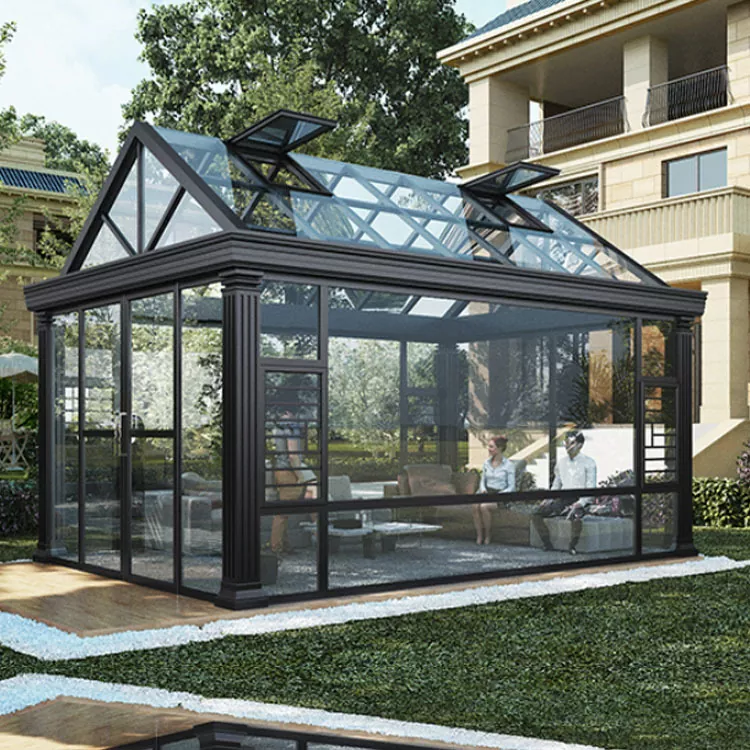
Thermal Break Aluminum Alloy Sunroom
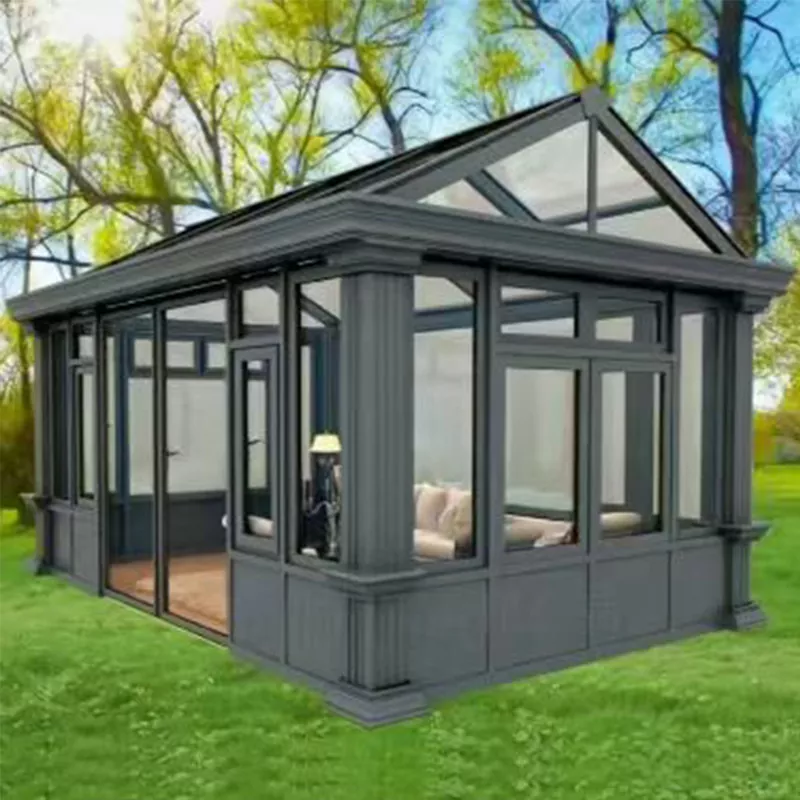
Duoping is a professional manufacturer and supplier of Thermal Break Aluminum Alloy Sunroom, with advanced thermal break technology and strict quality control. Its customized solutions offer great thermal insulation, all-weather durability and sealing, suitable for villas and leisure spaces. Wholesale orders are supported, with reliable after-sales service and a long service life of over 30 years.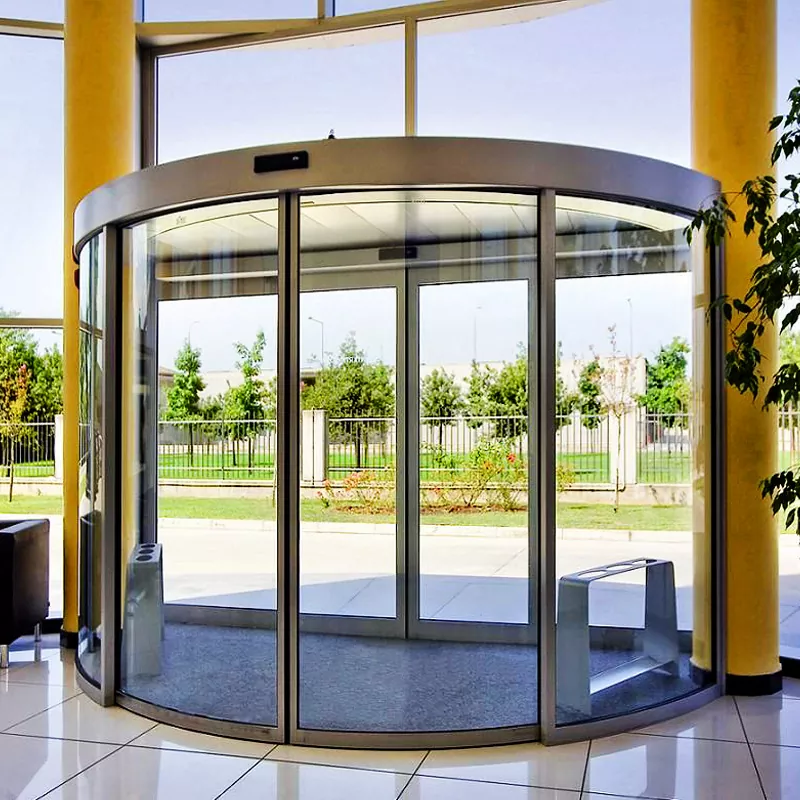
Automatic Sensor Door
Duoping is a professional manufacturer and supplier of high-end automatic sensor doors, equipped with advanced infrared sensing and automatic control technologies to ensure superior quality. Its products are intelligent, safe and durable, with rapid response and good sealing, widely applied in public scenarios like malls, hospitals and office buildings. The company provides customized solutions, wholesale services and strict quality control, along with nationwide delivery and comprehensive after-sales support.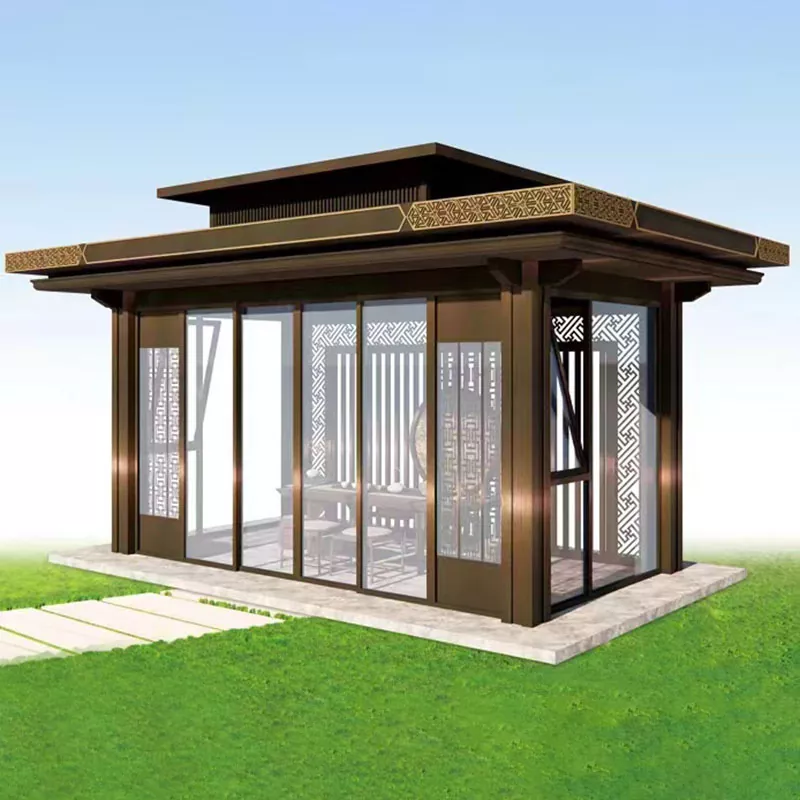
Chinese style Pavilions
Duoping is a professional supplier and manufacturer of Chinese style pavilions, relying on traditional mortise and tenon craftsmanship and advanced anti-corrosion technology to ensure high quality. Its Chinese style pavilions feature stability, durability and classic aesthetics, widely used in various Chinese-style scenarios. The company provides customized solutions, wholesale services and strict quality control, with nationwide delivery and professional after-sales support for all landscape projects.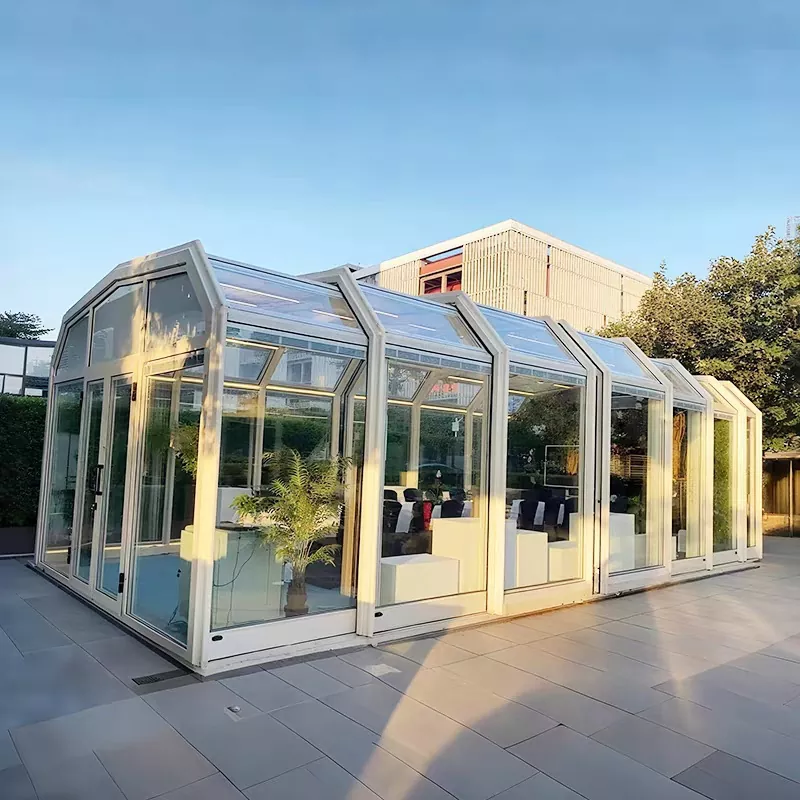
Aluminum-Wood Sunroom
Duoping is a professional manufacturer and supplier of Aluminum-Wood Sunroom, with advanced composite technology and strict quality control. It provides customized solutions featuring aluminum-wood fusion, long durability and excellent sealing, suitable for high-end residences. Wholesale orders are supported, with reliable after-sales service and a service life of over 25 years.
- Related Blog
- Reviews

Send Inquiry
-
E-mail
X
We use cookies to offer you a better browsing experience, analyze site traffic and personalize content. By using this site, you agree to our use of cookies.
Privacy Policy
News
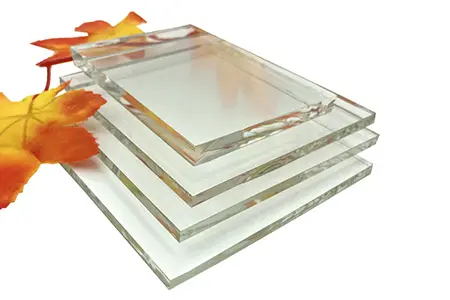 Explaining the key points and safety guidelines for installing white glass2026/01/28
During the installation process, precise operation and detailed handling are particularly crucial. For the installation of white glass in different scenarios, differentiated specifications must be followed. When installing white glass for doors and windows, the glass surface orientation must comply ......
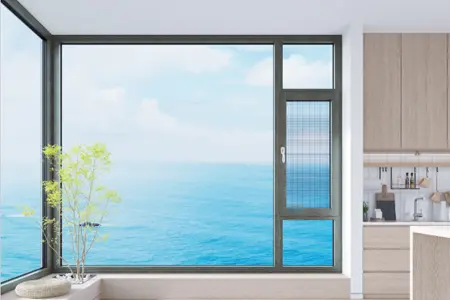 Know these 6 key indicators of aluminum alloy door and window materials!2026/01/28
The series number indicates the thickness of the door frame in millimeters. Aluminum alloy sliding doors are available in 70 and 90 series; the 70 series is sufficient for interior residential aluminum alloy sliding doors.