 English
 Español
  Português
  русский
  Français
  日本語
日本語  Deutsch
  tiếng Việt
  Italiano
  Nederlands
  ภาษาไทย
  Polski
  한국어
한국어  Svenska
  magyar
  Malay
Malay  বাংলা ভাষার
  Dansk
Dansk  Suomi
Suomi  हिन्दी
  Pilipino
  Türkçe
  Gaeilge
  العربية
  Indonesia
  Norsk
Norsk  تمل
تمل  český
český  ελληνικά
  український
  Javanese
  فارسی
فارسی  தமிழ்
தமிழ்  తెలుగు
  नेपाली
  Burmese
  български
  ລາວ
ລາວ  Latine
  Қазақша
  Euskal
  Azərbaycan
  Slovenský jazyk
  Македонски
  Lietuvos
  Eesti Keel
  Română
  Slovenski
  मराठी
मराठी  Srpski језик

Call Us
+86-15805363117
Email Us
dopinew@gmail.com
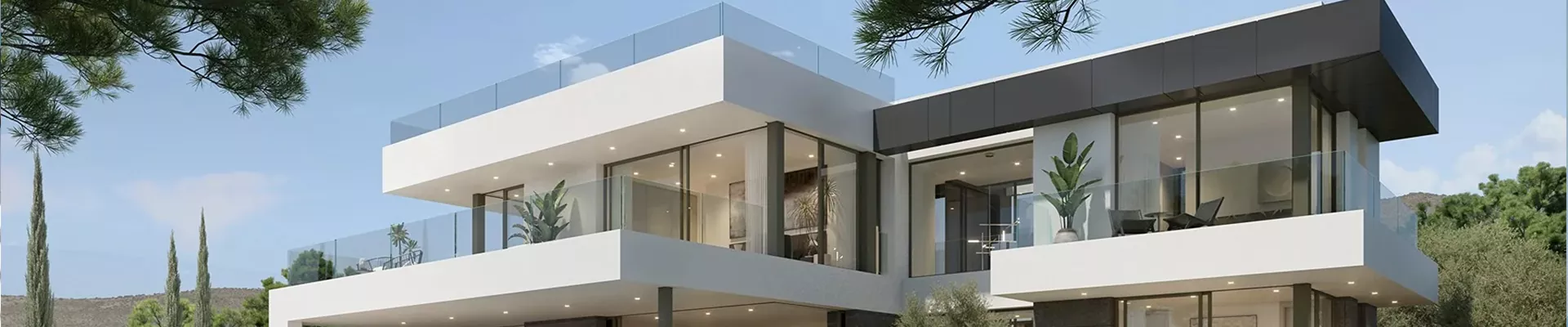
Energy Saving Thermal Break Windows
Energy Saving Thermal Break Windows
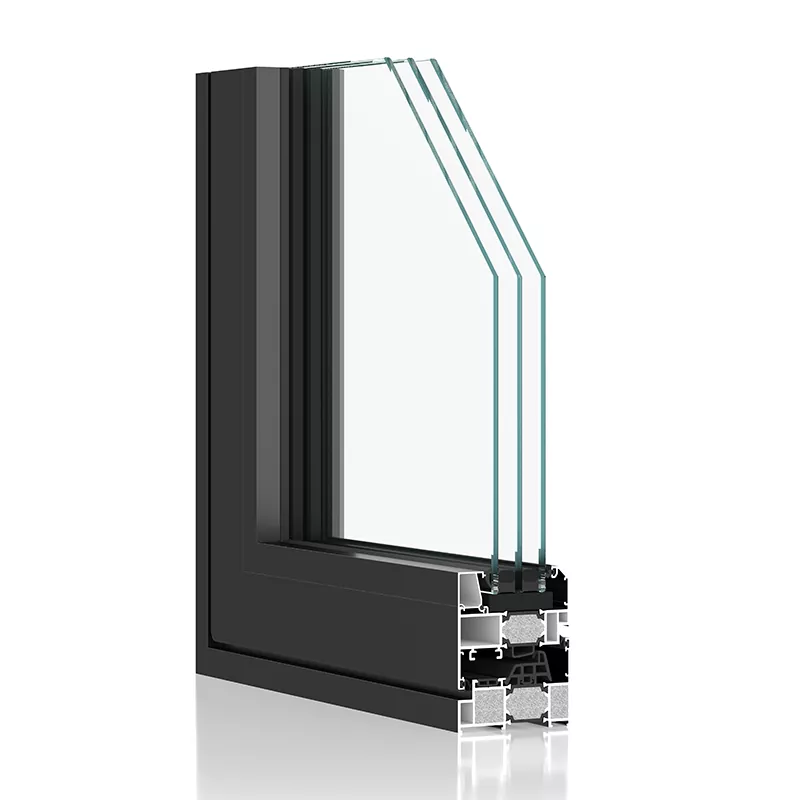
Modern architecture demands solutions that balance visual appeal with uncompromising thermal performance, and our advanced thermal break window systems deliver precisely that. The core innovation lies in the reinforced polyamide barrier strategically placed between interior and exterior aluminum profiles, effectively halting heat transfer and eliminating cold spots. Within our catalog, you will find solutions tailored to every design preference: the sleek Thermal Break Aluminum Windows offer slim sightlines and robust durability for large glazed facades, while the traditional styling of Thermal Break Casement Windows ensures exceptionally tight compression seals and ease of operation. For projects where floor space is at a premium, the smooth glide of Thermal Break Sliding Windows maximizes natural light without compromising insulation. Where versatility is paramount, our Tilt and Turn Thermal Break Windows provide dual functionality—tilt for secure ventilation or fully inswing for effortless cleaning and egress. Every configuration integrates multi-chamber thermal breaks, low‑E coated glazing, and continuous gasket systems to achieve Passive House-level U‑values, making them a strategic asset for net‑zero energy buildings. With powder‑coated or anodized finishes tested to withstand decades of UV exposure and coastal corrosion, these windows maintain their performance and aesthetics in the most demanding climates.
The Energy Saving Thermal Break Windows represent a meticulous engineering refinement focused on minimizing whole‑window U‑factors while maximizing daylight admission. From the outset, the 6063‑T6 aluminum alloy extrusions are designed with a 34‑mm wide polyamide strip reinforced by fiberglass, creating a true thermal barrier that eliminates the conductivity path of conventional aluminum frames. This construction, combined with warm‑edge spacer bars and argon‑filled triple glazing, reduces center‑of‑glass U‑values to as low as 0.6 W/m²K and consistently delivers overall window U‑values between 0.8 and 1.2 W/m²K depending on the chosen glass specification. Beyond the raw numbers, the system incorporates a dual‑seal drainage and ventilation concept that prevents moisture ingress while allowing the frame to breathe, effectively nullifying the risk of interstitial condensation even in high‑humidity interiors.
Technical Highlights
- Frame depth: 75 mm or 85 mm, thermally broken with 34‑mm glass fiber reinforced polyamide strips
- Glazing rebate: up to 52 mm, accommodating double‑ or triple‑glazed units with low‑E coatings and argon/krypton gas fill
- Thermal transmittance (Uw): 0.8 – 1.2 W/m²K (triple glazing), 1.4 – 1.8 W/m²K (double glazing, depending on size and configuration)
- Sound insulation: Rw up to 47 dB, suitable for urban infill and roadside applications
- Air permeability: Class 4 per EN 12207 (600 Pa), water tightness: E1950 (1950 Pa), wind load resistance: Class C5/B5
- Hardware: concealed multi‑point locking with mushroom cams, limit hinges or parallel stays, tilt‑and‑turn mechanisms with 130 kg sash capacity
- Finishes: Qualicoat‑certified powder coating (50+ colors), Qualanod anodizing, wood‑texture foil laminates
- Gaskets: EPDM co‑extruded with closed‑cell foam inserts for continuous three‑plane compression sealing
- Glass options: triple silver low‑E, solar control, laminated safety, acoustic PVB, self‑cleaning, heated glass
Performance Data by Configuration
| Window Type | Glazing | Uw (W/m²K) | Rw (dB) | VT (%) | G‑Value |
|---|---|---|---|---|---|
| Fixed Picture | Triple 4/18/4/18/4 low‑E | 0.80 | 42 | 57 | 0.42 |
| Tilt & Turn | Triple 4/18/4/18/4 low‑E | 0.96 | 45 | 55 | 0.40 |
| Casement Outswing | Triple 4/18/4/18/4 low‑E | 1.02 | 44 | 55 | 0.40 |
| Sliding (2 panels) | Double 6/16/6 low‑E | 1.57 | 38 | 62 | 0.48 |
| Sliding (3 panels) | Triple 4/18/4/18/4 low‑E | 1.20 | 40 | 52 | 0.38 |
Dimensions and Customization
The profile system supports maximum sash widths of 1,200 mm and heights up to 2,400 mm for tilt‑and‑turn units, while sliding panels can span 3,000 mm in width and 2,700 mm in height without compromising structural integrity. Custom shapes—including arches, trapezoids, and circular geometries—are fabricated using CNC‑driven bending and welding processes. Glazing beads are designed for swift exchange, allowing future upgrades to advanced glass technologies without removing the frame. All components, from the EPDM gaskets to the stainless steel friction hinges, are tested for 25,000 opening cycles to guarantee maintenance‑free longevity. The Energy Saving Thermal Break Windows interface seamlessly with monitored ventilation systems and automated shading, contributing to an integrated building envelope strategy that reduces heating and cooling loads by up to 40% compared to traditional aluminum solutions.
Related Products
Hot Products
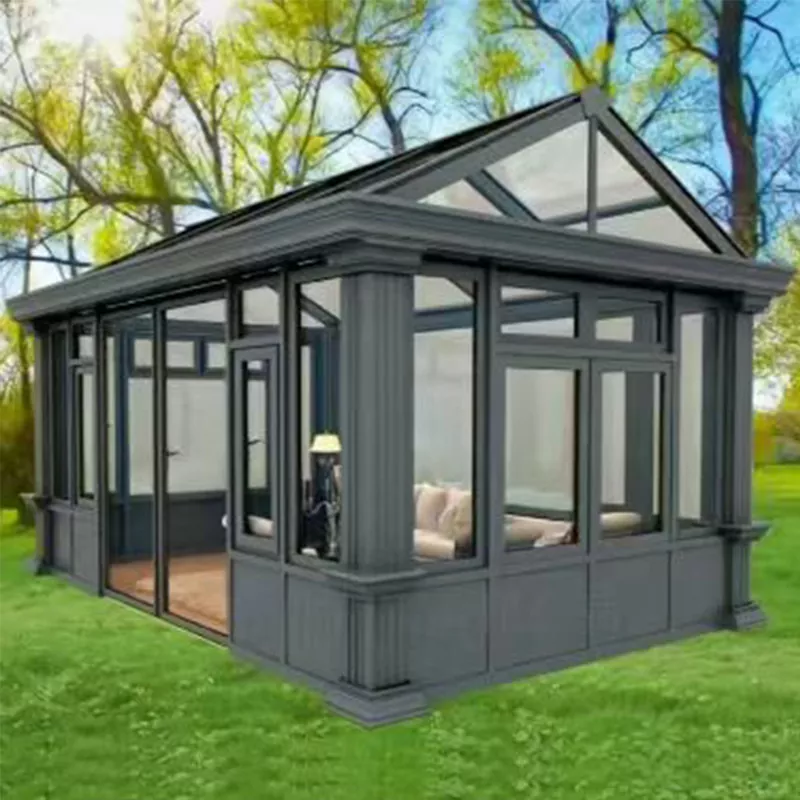
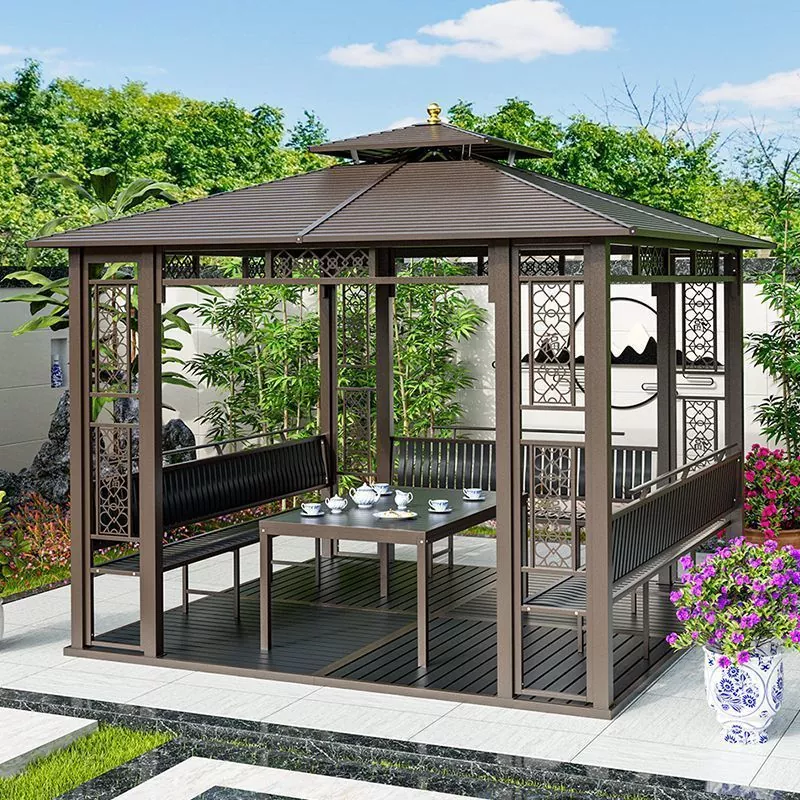
System Sunroom
Duoping stands out as a professional manufacturer and supplier of System Sunroom, with advanced integrated design and strict quality control. It provides customized modular solutions featuring high component compatibility, fast installation and excellent wind resistance, suitable for high-end residential outdoor spaces. Wholesale orders are supported, with reliable after-sales service and a service life of over 30 years.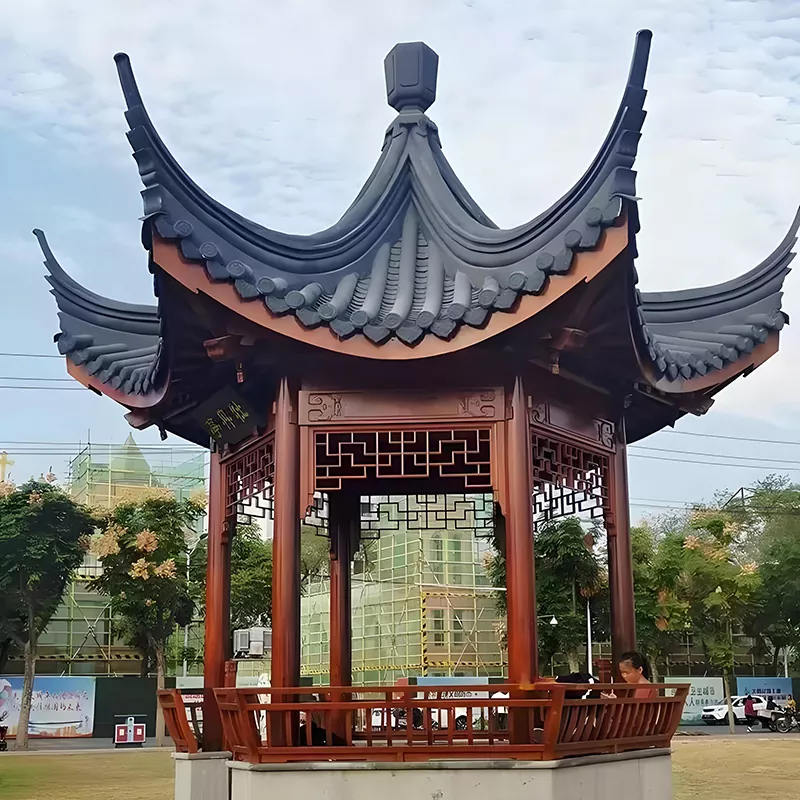
Huizhou-style Pavilions
Duoping is a professional supplier and manufacturer of Huizhou-style pavilions, relying on traditional mortise-and-tenon craftsmanship and hand-carving technologies to ensure high quality. Its products integrate Huizhou architectural charm, durability and cultural texture, widely used in ancient scenic spots and Chinese-style scenarios. The company provides customized solutions, wholesale services and strict quality control, with nationwide delivery and comprehensive after-sales support.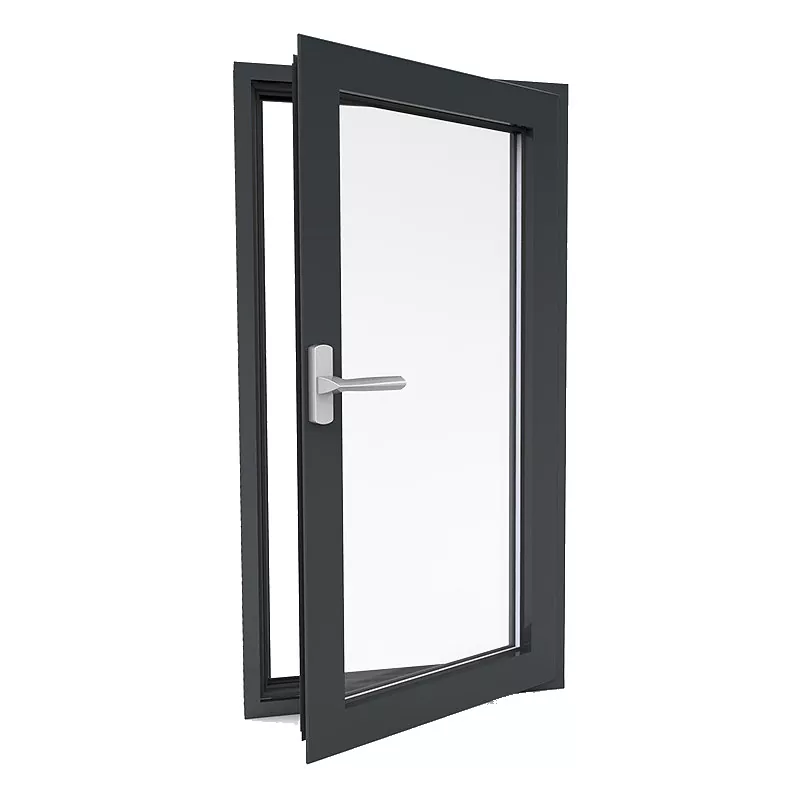
Aluminum Windows
Duoping is a professional manufacturer and supplier of aluminum windows, with advanced aluminum alloy processing and strict quality control. This product features sturdy frames, long service life and easy maintenance, suitable for home and commercial use. We support customized sizes and colors, welcome wholesale orders, and provide cost-effective window solutions for various construction projects.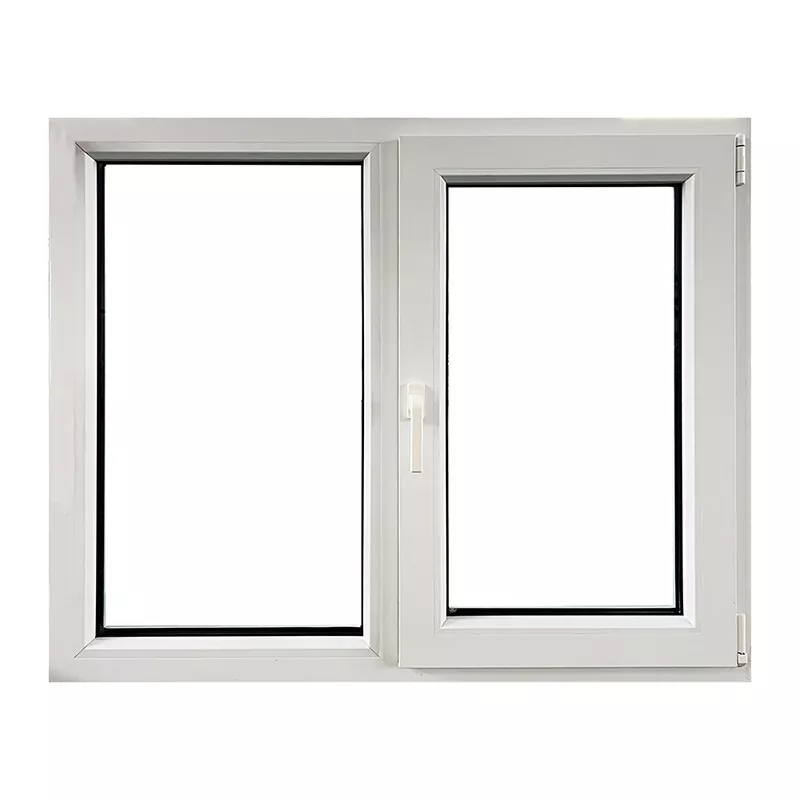
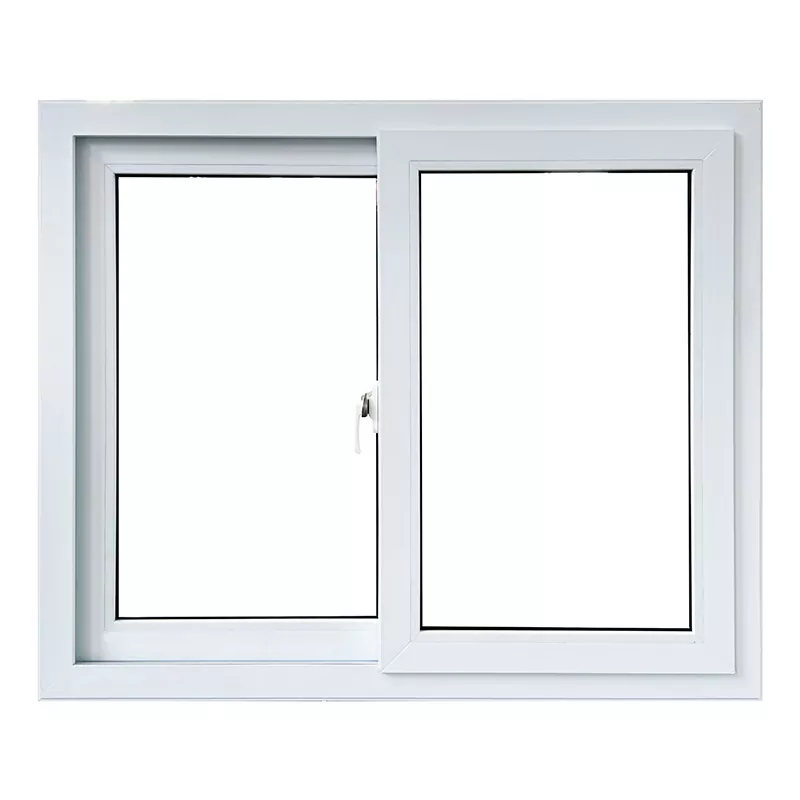
PVC-steel Composite Windows
Shandong Duoping New Materials Co., Ltd. specializes in the research, development, production, and supply of high-end PVC-steel composite windows. With years of experience in the door and window industry, the company combines the thermal insulation and environmental benefits of PVC with the robust structural properties of steel, offering windows that balance performance and cost-effectiveness. These windows are widely used in residential, villa annexes, office spaces, and other environments, gaining market recognition for their balanced performance and value. We sincerely look forward to partnering with you to provide window solutions that combine both performance and cost-efficiency.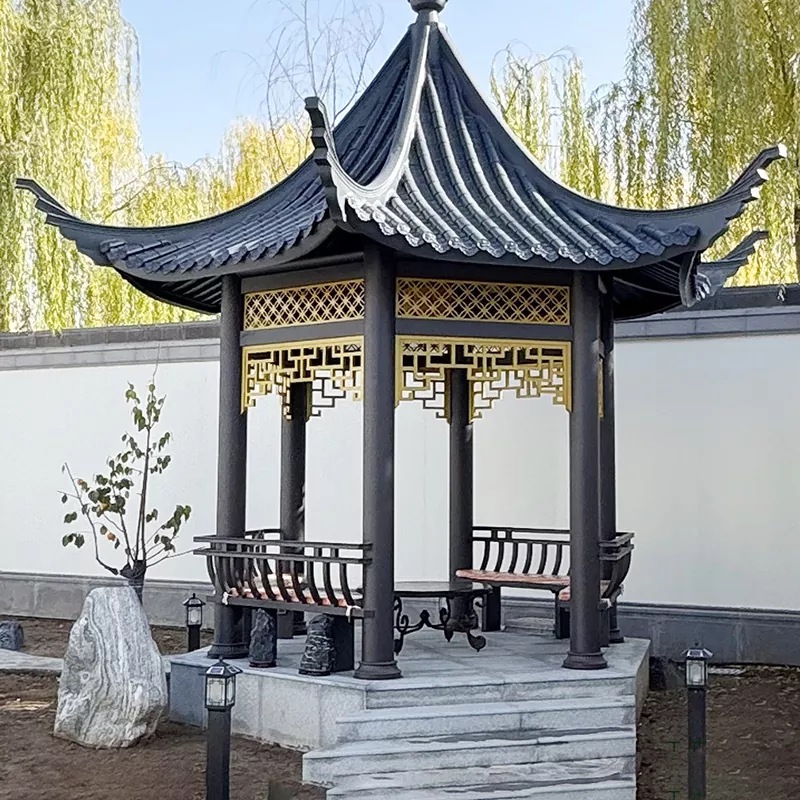
Traditional Architectural Pavilions
Shandong Duoping New Material Technology Co., Ltd., a professional manufacturer and supplier of Traditional Architectural Pavilions, boasts senior ancient architecture craftsmen and advanced production capacity. Its Traditional Architectural Pavilions combine traditional mortise and tenon craftsmanship with modern anti-corrosion technology, ensuring excellent Quality, and supporting wholesale and customized services for various ancient-style landscape procurement needs.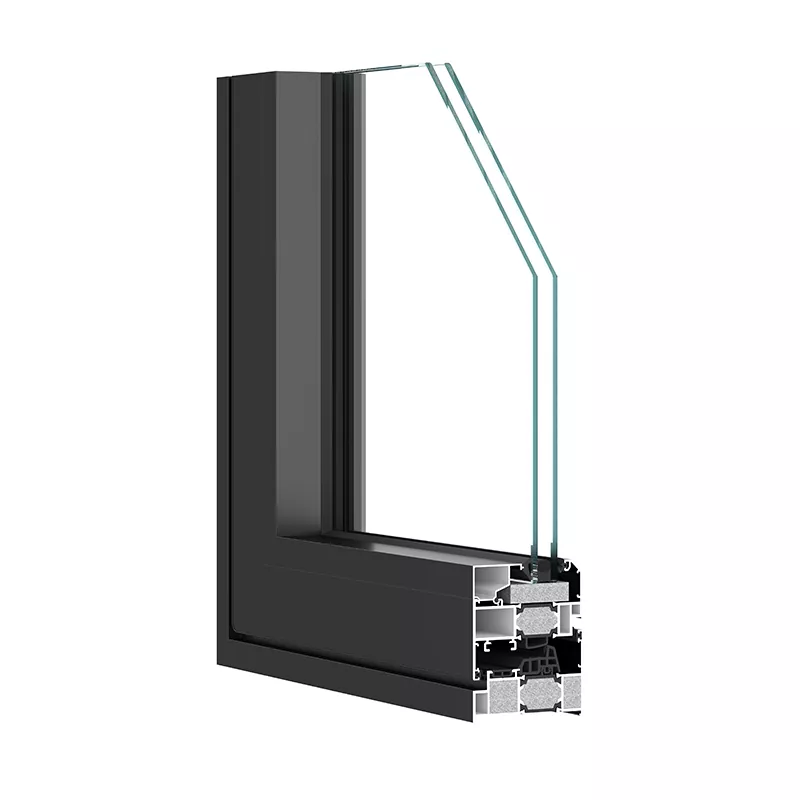
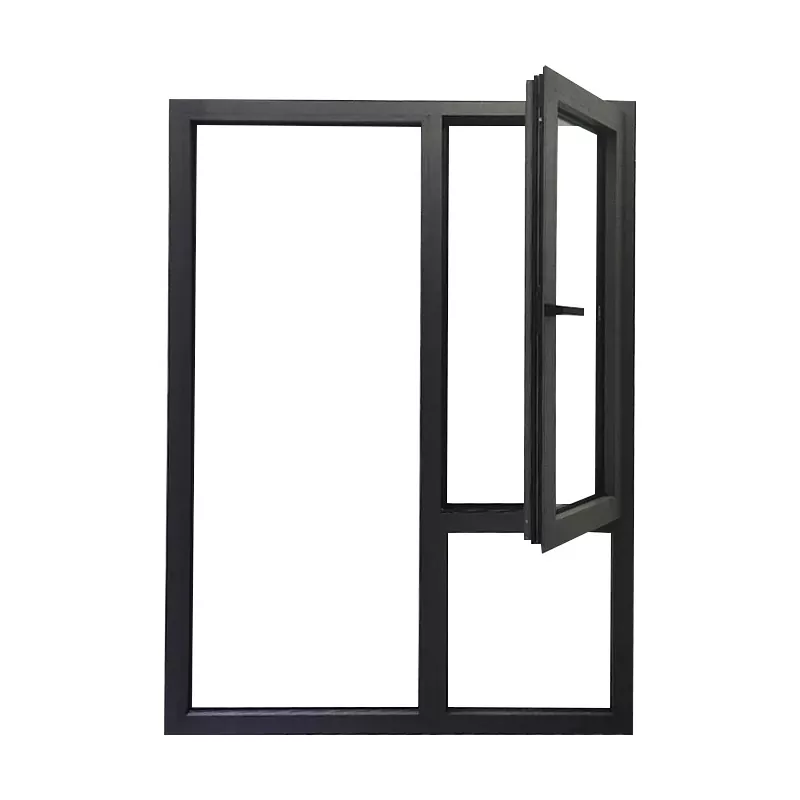
Thermal Break Windows
Duoping is a professional manufacturer and supplier of thermal break windows, featuring advanced thermal break technology and strict quality control. This product delivers excellent energy efficiency and sound insulation, suitable for all climate zones. We offer customized designs and welcome wholesale orders, providing reliable energy-saving window solutions for residential and commercial construction projects.
- Related Blog
- Reviews

Send Inquiry
-
E-mail
X
We use cookies to offer you a better browsing experience, analyze site traffic and personalize content. By using this site, you agree to our use of cookies.
Privacy Policy
News
 Explaining the key points and safety guidelines for installing white glass2026/01/28
During the installation process, precise operation and detailed handling are particularly crucial. For the installation of white glass in different scenarios, differentiated specifications must be followed. When installing white glass for doors and windows, the glass surface orientation must comply ......
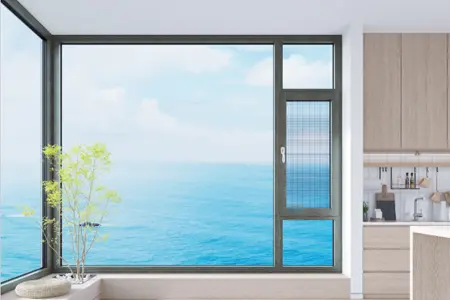 Know these 6 key indicators of aluminum alloy door and window materials!2026/01/28
The series number indicates the thickness of the door frame in millimeters. Aluminum alloy sliding doors are available in 70 and 90 series; the 70 series is sufficient for interior residential aluminum alloy sliding doors.