 English
 Español
  Português
  русский
  Français
  日本語
日本語  Deutsch
  tiếng Việt
  Italiano
  Nederlands
  ภาษาไทย
  Polski
  한국어
한국어  Svenska
  magyar
  Malay
Malay  বাংলা ভাষার
  Dansk
Dansk  Suomi
Suomi  हिन्दी
  Pilipino
  Türkçe
  Gaeilge
  العربية
  Indonesia
  Norsk
Norsk  تمل
تمل  český
český  ελληνικά
  український
  Javanese
  فارسی
فارسی  தமிழ்
தமிழ்  తెలుగు
  नेपाली
  Burmese
  български
  ລາວ
ລາວ  Latine
  Қазақша
  Euskal
  Azərbaycan
  Slovenský jazyk
  Македонски
  Lietuvos
  Eesti Keel
  Română
  Slovenski
  मराठी
मराठी  Srpski језик

Call Us
+86-15805363117
Email Us
dopinew@gmail.com
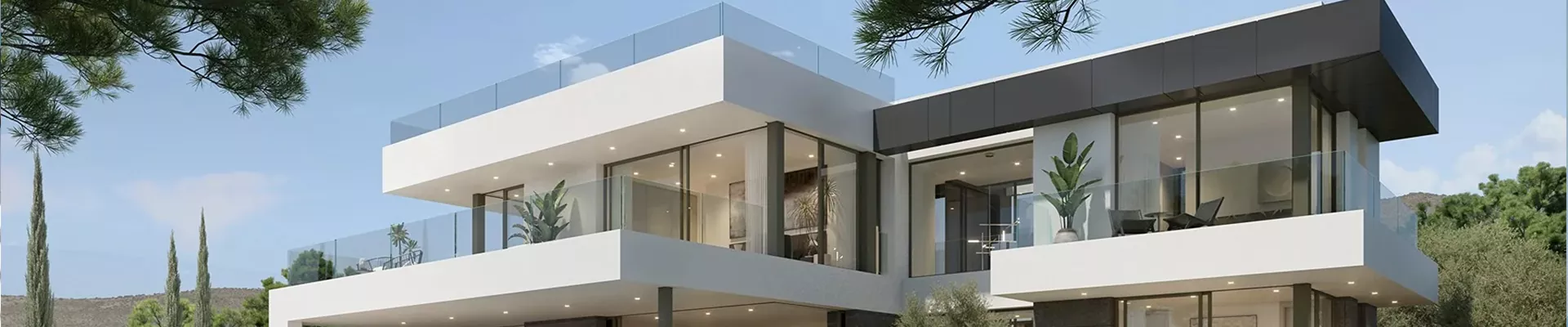
Energy Saving Windows for Home Use
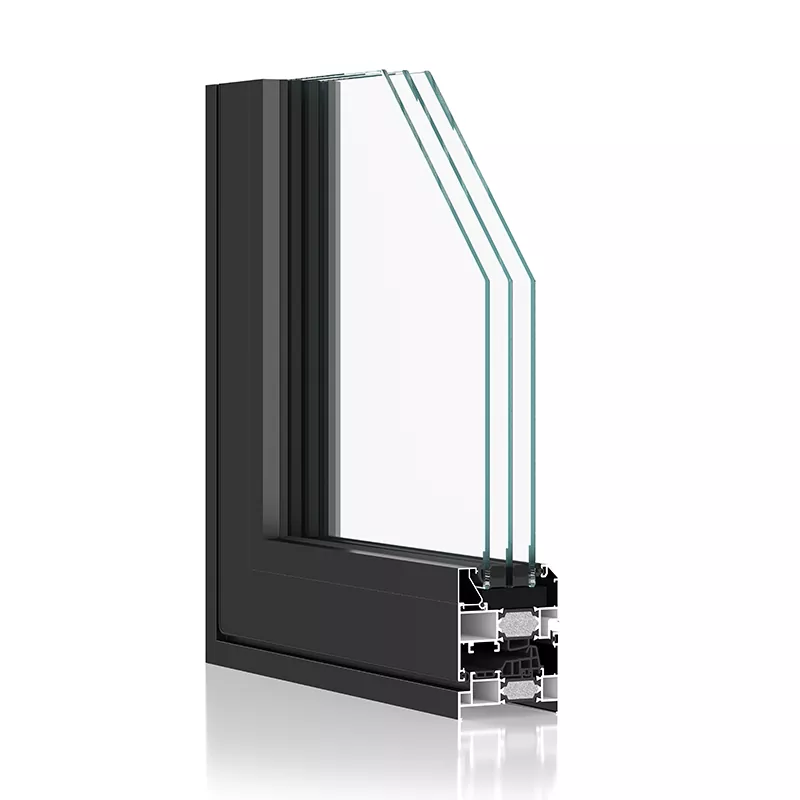
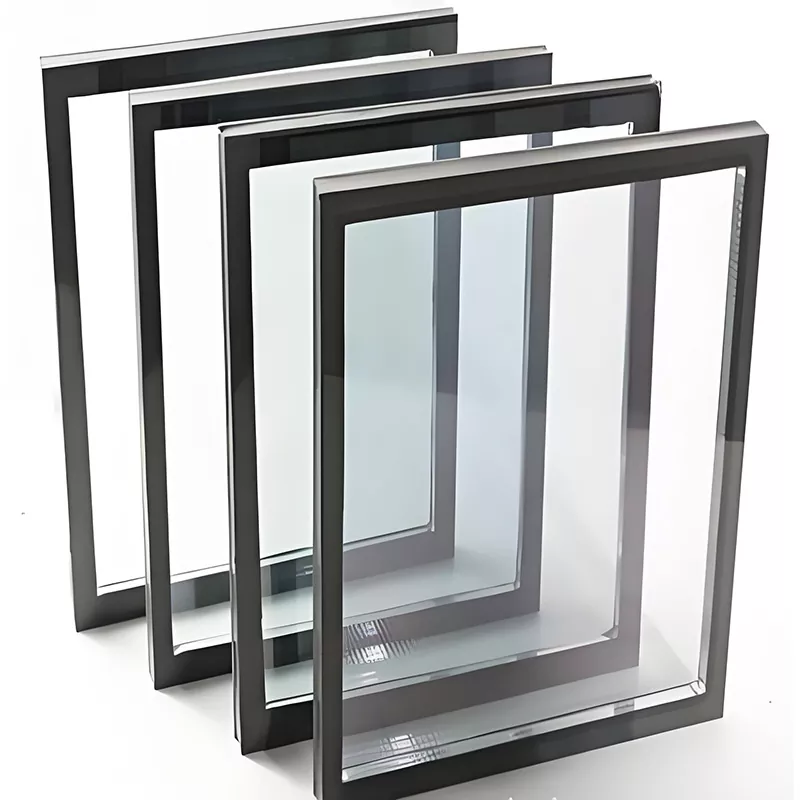
Homeowners across the country are embracing high-performance fenestration to slash energy costs and elevate living spaces. At the forefront of this movement, Low-E Coated Energy Efficient Windows employ virtually invisible metallic layers that reflect interior heat back into rooms during winter while deflecting solar radiation in summer. For unmatched thermal isolation, Insulated Tempered Glass Energy Saving Windows sandwich a gas-filled cavity between two or more panes of strengthened glass, delivering safety and sound dampening alongside impeccable U-values. Purpose-built for houses, condos, and multi-family units, Residential Energy-efficient Windows integrate warm-edge spacers and low-conductivity frames to eliminate drafts and hot spots. For large-scale apartment blocks or mixed-use developments, Commercial Energy Saving Windows translate the same rigorous engineering into sizes and ratings that meet commercial building codes. Every unit comes standard with dual or triple glazing, argon or krypton gas infills, and a choice of uPVC, fiberglass, or thermally broken aluminum cladding—each designed to withstand decades of weather while maintaining a sleek, modern aesthetic that suits any architectural style. From single-hung to casement and sliding configurations, the lineup ensures compatibility with new construction and retrofit projects alike, backed by independent NFRC certification and ENERGY STAR® qualification across all climate zones.
ThermaShield Energy Saving Windows redefine what homeowners can expect from a window. The core philosophy revolves around passive heat management: low-emissivity coatings on multiple surfaces, inert gas chambers that minimize conduction, and multi-chambered frame profiles that break thermal bridges. This combination routinely achieves center-of-glass U-factors as low as 0.15, which transforms a house’s thermal envelope. Beyond temperature control, the design prioritizes natural daylight without sacrificing privacy, thanks to high visible light transmittance and optional obscure or laminated glass. Noise reduction is another hallmark—standard configurations reduce outside clamor by up to 35 decibels. Below is a detailed breakdown of the primary specification tiers available for home use:
- Glass Packages: Double-glazed (4mm-16mm-4mm) with argon fill; triple-glazed (4mm-12mm-4mm-12mm-4mm) with krypton fill; laminated or tempered options for impact zones.
- Low-E Coatings: Soft-coat (sputtered) with emissivity ≤ 0.05; hard-coat (pyrolytic) for passive solar gain in colder regions.
- Spacer Systems: Warm-edge stainless steel or silicone foam, eliminating perimeter condensation and improving edge-of-glass temperatures.
- Frame Materials: Multi-chambered uPVC (U-value 1.2-1.8 W/m²K), pultruded fiberglass (0.9-1.4), or thermally broken aluminum (1.5-2.0) with powder-coated finishes.
- Gas Retention: Dual-seal construction with siliconized primary seal and polysulfide/polyurethane secondary seal, guaranteeing 95% gas fill after 20 years.
- Warranty: 20 years on glass seal failure, 10 years on frames and hardware.
| Model | Glazing | U-Factor (IP) | SHGC | Visible Transmittance | Condensation Resistance |
|---|---|---|---|---|---|
| ThermaShield 2000 | Double, Low-E + argon | 0.26 | 0.55 | 0.70 | 56 |
| ThermaShield 3000 | Triple, dual Low-E + krypton | 0.15 | 0.40 | 0.62 | 72 |
| ThermaShield 4000 | Triple, solar control Low-E + krypton | 0.17 | 0.27 | 0.54 | 74 |
| ThermaShield 5000T | Triple, tempered outboard + laminate inboard + krypton | 0.18 | 0.35 | 0.58 | 70 |
Each ThermaShield unit undergoes ASTM E2190 testing for argon permeation and thermal cycling, plus AAMA/WDMA/CSA 101/I.S.2/A440 for structural integrity. Hardware options include multi-point locking systems and tilt-in sashes for effortless cleaning. Whether replacing a drafty bay window or outfitting a passive house, ThermaShield Energy Saving Windows deliver measurable year-round savings and a noticeable comfort upgrade from the first installation day.
Related Products
Hot Products
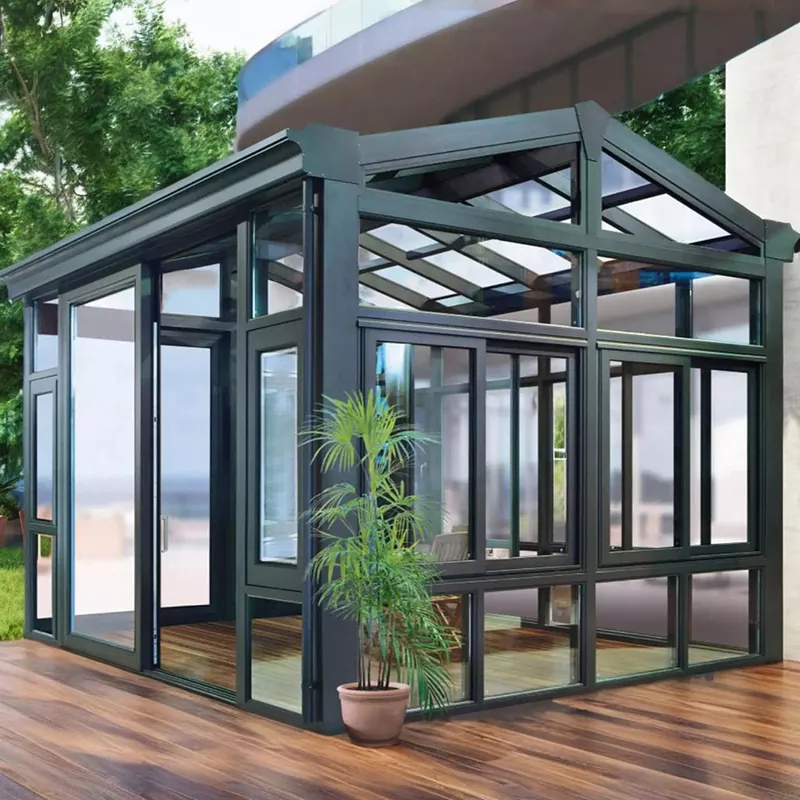
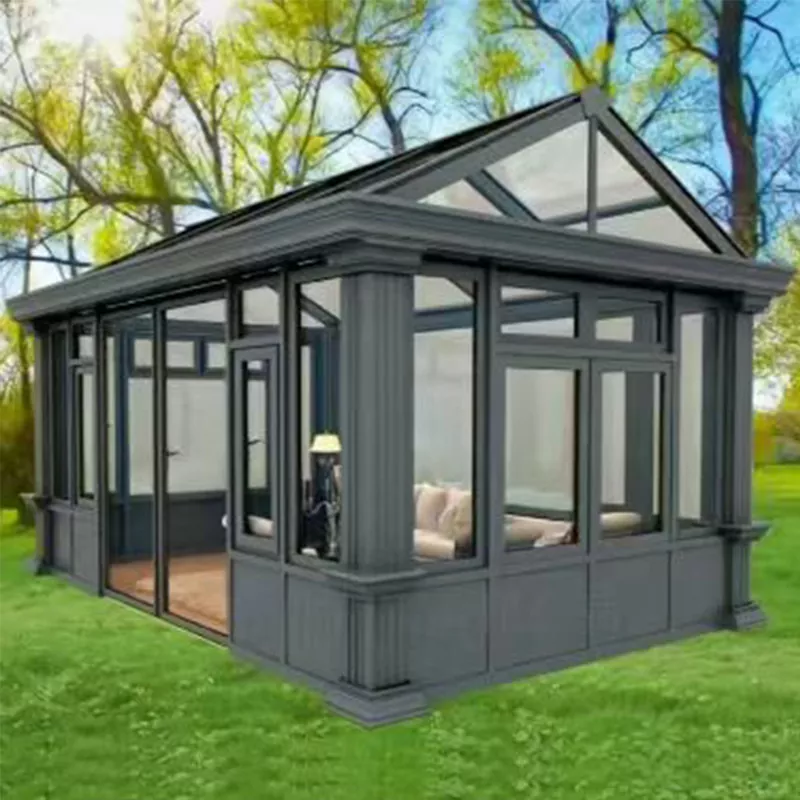
Aluminum Alloy Sunroom
Shandong Duoping New Materials Co., Ltd. is a professional R&D, production and supplier of aluminum alloy sunrooms. With years of deep cultivation in the industry, we rely on a large-scale production system and mature manufacturing technology to forge cost-effective products, which are exported to many regions in Europe and America. We sincerely look forward to working hand in hand with you to become your trustworthy long-term partner in China.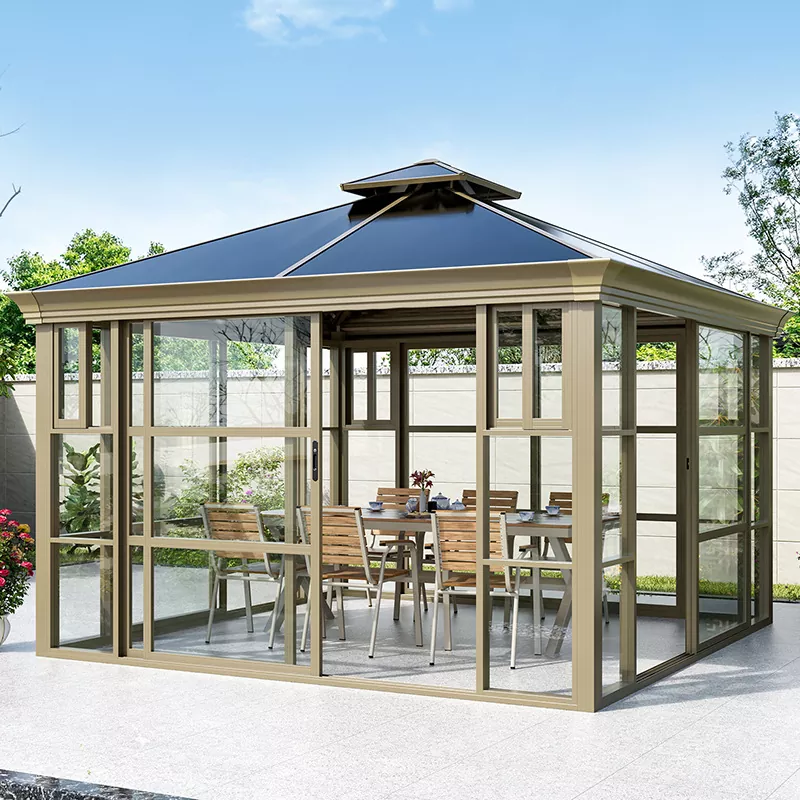
Wooden Sunroom
Duoping excels in manufacturing wooden sunrooms with advanced wood processing and anti-corrosion technologies. As a professional supplier, it provides customized solutions featuring natural aesthetics, eco-friendliness and durability, suitable for villas and high-end residences. Wholesale orders are supported, with reliable after-sales service and a service life of 12–15 years for outdoor use.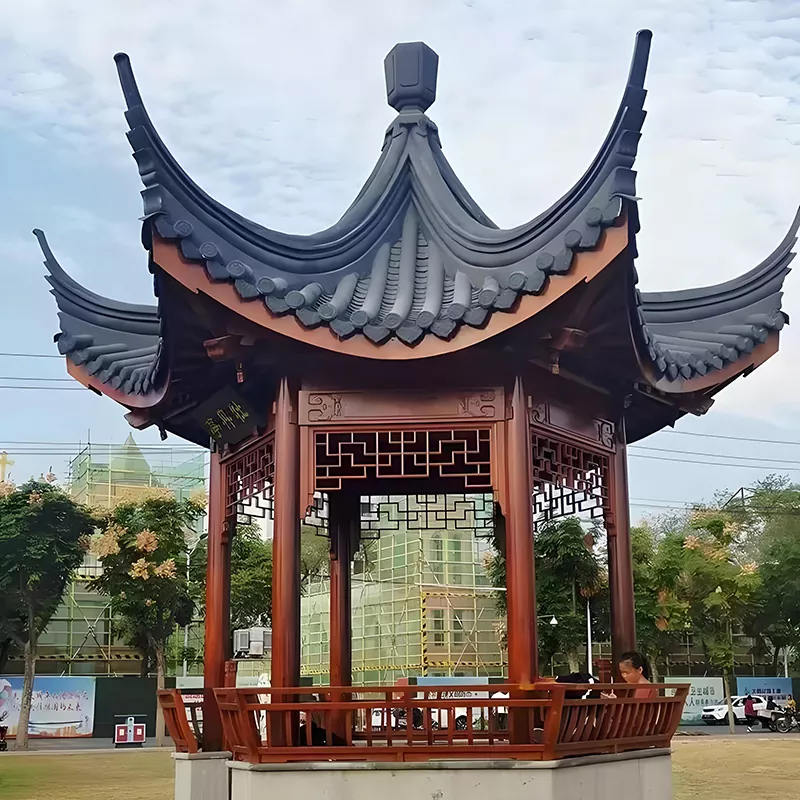
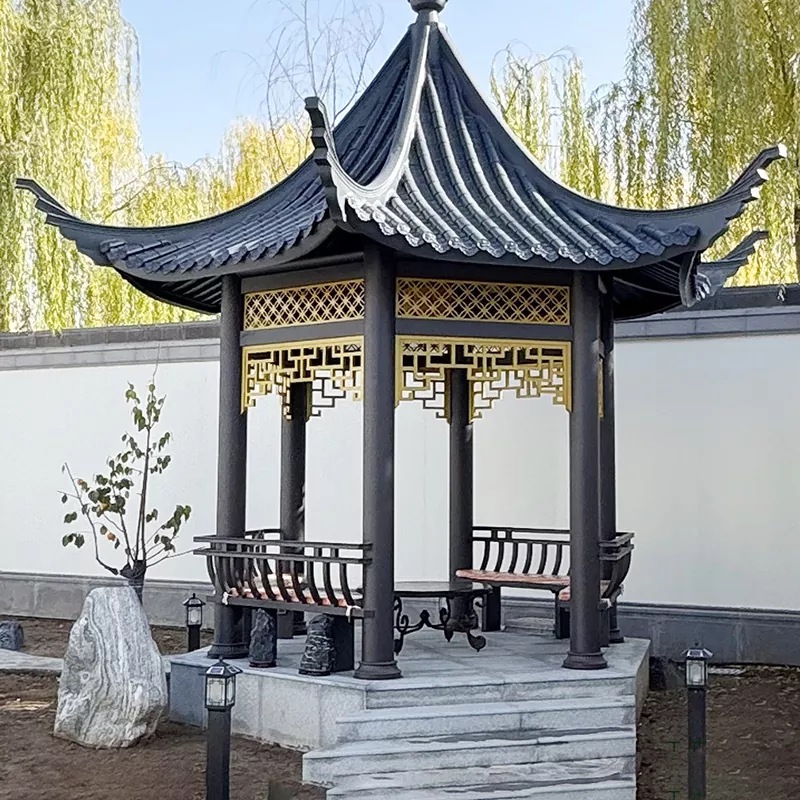
Huizhou-style Pavilions
Duoping is a professional supplier and manufacturer of Huizhou-style pavilions, relying on traditional mortise-and-tenon craftsmanship and hand-carving technologies to ensure high quality. Its products integrate Huizhou architectural charm, durability and cultural texture, widely used in ancient scenic spots and Chinese-style scenarios. The company provides customized solutions, wholesale services and strict quality control, with nationwide delivery and comprehensive after-sales support.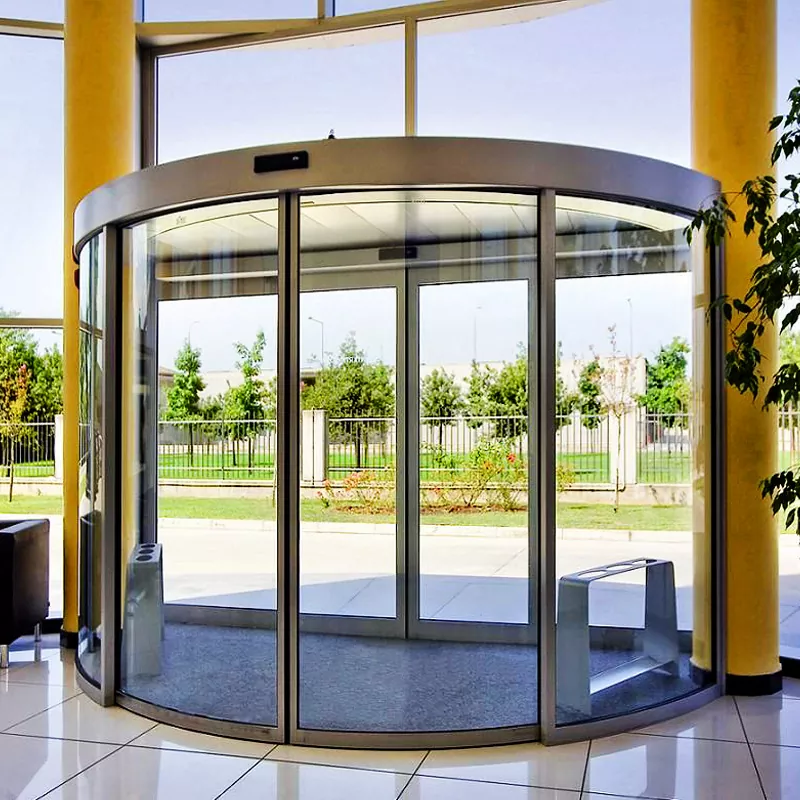
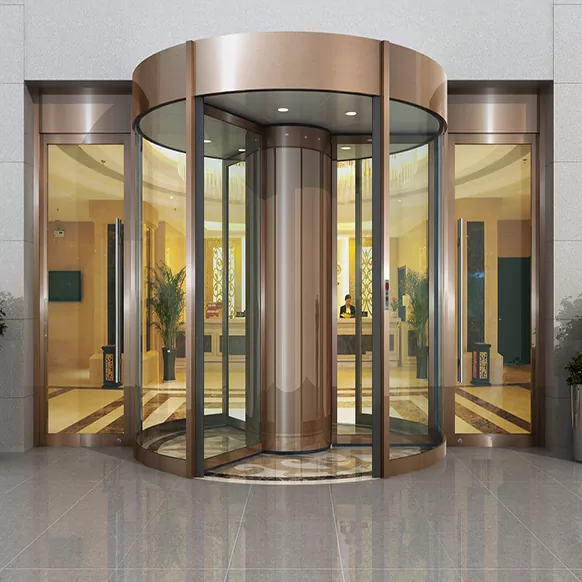
Automatic Sensor Door
Duoping is a professional manufacturer and supplier of high-end automatic sensor doors, equipped with advanced infrared sensing and automatic control technologies to ensure superior quality. Its products are intelligent, safe and durable, with rapid response and good sealing, widely applied in public scenarios like malls, hospitals and office buildings. The company provides customized solutions, wholesale services and strict quality control, along with nationwide delivery and comprehensive after-sales support.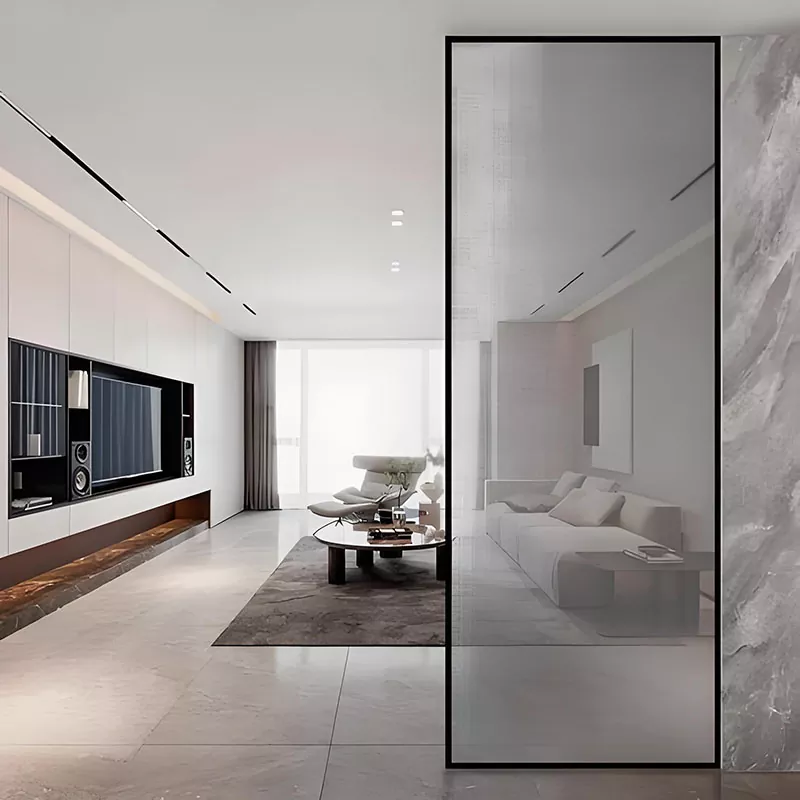
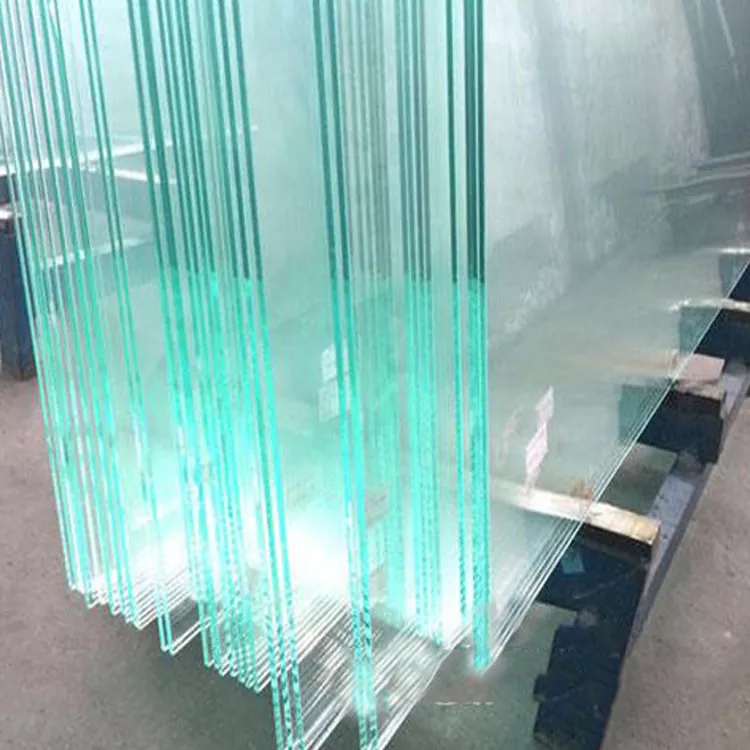
Art Glass
Duoping is a professional manufacturer and supplier of art glass, featuring advanced processing techniques and reliable quality control. This product integrates aesthetic design, privacy protection and safety performance, suitable for residential and commercial decoration scenarios. We support customized patterns and sizes, welcome wholesale orders, and provide high-quality art glass solutions for various personalized building projects.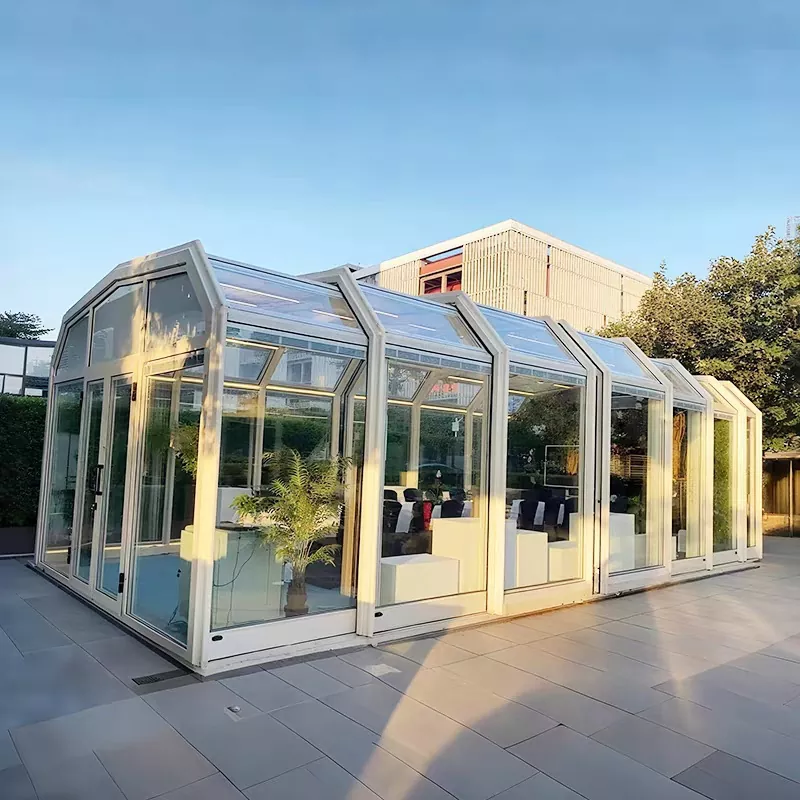
Aluminum-Wood Sunroom
Duoping is a professional manufacturer and supplier of Aluminum-Wood Sunroom, with advanced composite technology and strict quality control. It provides customized solutions featuring aluminum-wood fusion, long durability and excellent sealing, suitable for high-end residences. Wholesale orders are supported, with reliable after-sales service and a service life of over 25 years.
- Related Blog
- Reviews

Send Inquiry
-
E-mail
X
We use cookies to offer you a better browsing experience, analyze site traffic and personalize content. By using this site, you agree to our use of cookies.
Privacy Policy
News
 Explaining the key points and safety guidelines for installing white glass2026/01/28
During the installation process, precise operation and detailed handling are particularly crucial. For the installation of white glass in different scenarios, differentiated specifications must be followed. When installing white glass for doors and windows, the glass surface orientation must comply ......
 Know these 6 key indicators of aluminum alloy door and window materials!2026/01/28
The series number indicates the thickness of the door frame in millimeters. Aluminum alloy sliding doors are available in 70 and 90 series; the 70 series is sufficient for interior residential aluminum alloy sliding doors.