 English
 Español
  Português
  русский
  Français
  日本語
日本語  Deutsch
  tiếng Việt
  Italiano
  Nederlands
  ภาษาไทย
  Polski
  한국어
한국어  Svenska
  magyar
  Malay
Malay  বাংলা ভাষার
  Dansk
Dansk  Suomi
Suomi  हिन्दी
  Pilipino
  Türkçe
  Gaeilge
  العربية
  Indonesia
  Norsk
Norsk  تمل
تمل  český
český  ελληνικά
  український
  Javanese
  فارسی
فارسی  தமிழ்
தமிழ்  తెలుగు
  नेपाली
  Burmese
  български
  ລາວ
ລາວ  Latine
  Қазақша
  Euskal
  Azərbaycan
  Slovenský jazyk
  Македонски
  Lietuvos
  Eesti Keel
  Română
  Slovenski
  मराठी
मराठी  Srpski језик
Call Us
+86-15805363117
Email Us
dopinew@gmail.com
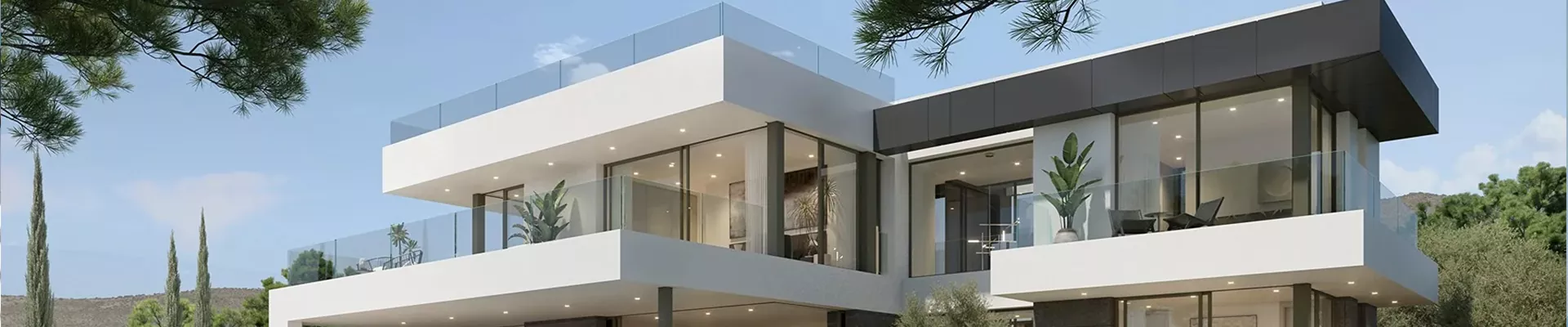
China Green Building Standard Energy-saving Windows Manufacturer, Supplier, Factory
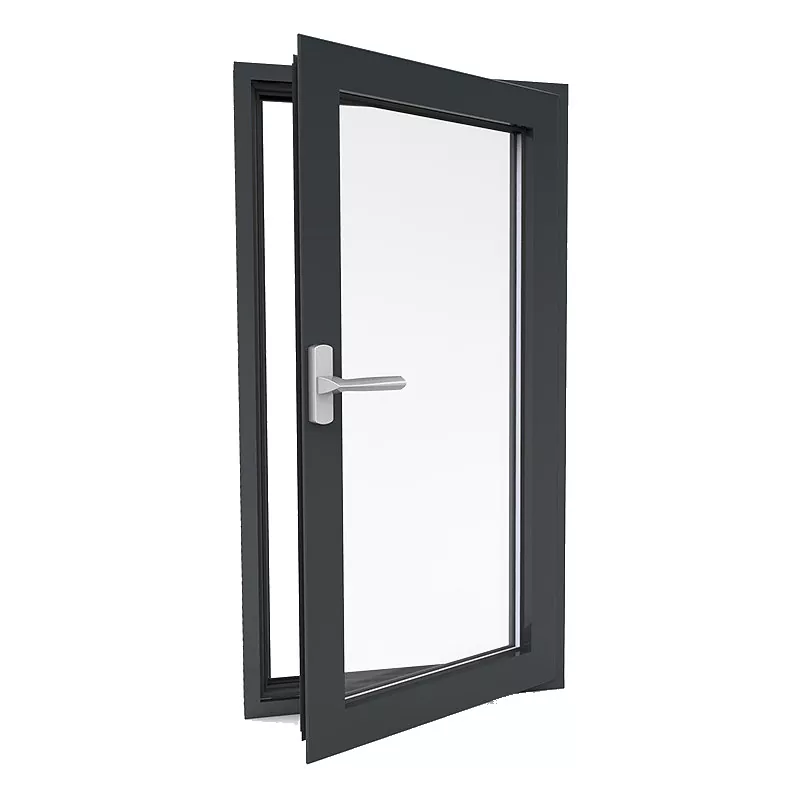
Achieving green building certification demands components that perform beyond code minimums. Our windows are tested to meet the strictest criteria, delivering measurable energy savings and environmental benefits. Within our range, Energy Efficient Windows for Home Use provide homeowners with year-round comfort, while Low-E Coated Energy Saving Windows rely on advanced coatings to reflect heat without compromising daylight. For single-family and multi-family projects, Residential Energy-saving Windows offer versatile styles and high insulation values. In larger-scale developments, Commercial Energy Efficient Windows combine structural integrity with slim sightlines. These models share a foundation of precision engineering, which we detail below.
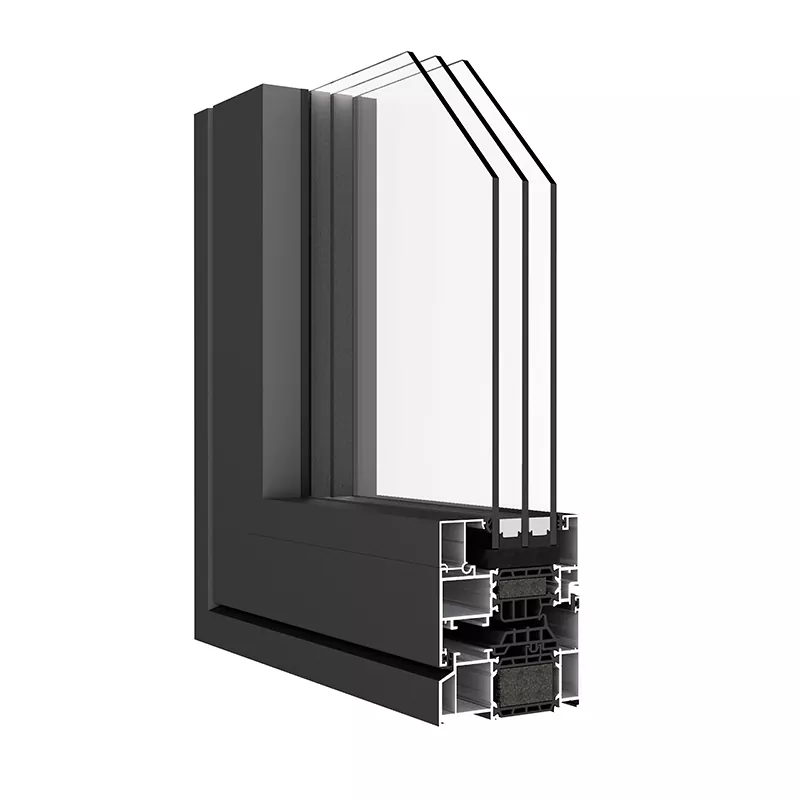
The glazing unit forms the heart of each window. We use double or triple silver Low‑E coatings embedded in a pyrolytic layer for lasting performance. Argon or krypton gas fills deliver inert insulation between panes, and warm‑edge spacers eliminate condensation risk at the perimeter. Frame profiles are extruded from multi‑chambered uPVC, fiberglass composite, or thermally broken aluminum, achieving U‑values that rival solid walls. Every window is fabricated with fusion‑welded corners and continuous gaskets, ensuring air leakage rates as low as 0.1 L/s·m² at 75 Pa. A broad selection of hardware enables tilt‑and‑turn, casement, fixed, and sliding configurations, all compatible with automated shading and smart‑home systems. The rigorous factory quality checks include thermal imaging scans and pressurization audits for every batch.
- Triple‑silver Low‑E coating, permanent bond via pyrolytic process
- Argon or krypton gas fill, 90%+ concentration sustained for 25 years
- Warm‑edge SuperSpacer or TPS technology, psi‑value below 0.035 W/mK
- Multi‑chamber frame design with integrated steel reinforcement for large sizes
- EPDM continuous gaskets, co‑extruded for weather resistance
- Multi‑point locking with mushroom cams for compression seal
- Recycled content up to 40% in uPVC profiles, fully recyclable at end of life
- Contributes to LEED v4.1 credits in Energy & Atmosphere, Materials & Resources, and Indoor Environmental Quality
Comparative performance data across our series is shown in the table below. Values represent whole‑window performance for a 1200×1500 mm unit.
| Parameter | Standard Series | Premium Series | Commercial Series |
|---|---|---|---|
| Uw (W/m²K) | 0.85 | 0.60 | 0.72 |
| SHGC | 0.52 | 0.45 | 0.38 |
| Visible Transmittance (τv) | 0.62 | 0.56 | 0.50 |
| Air Tightness (L/s·m² @75Pa) | ≤ 0.3 | ≤ 0.1 | ≤ 0.2 |
| Sound Reduction Rw (dB) | 32 | 38 | 36 |
| Outdoor‑Indoor Transmission Class | OITC 26 | OITC 31 | OITC 29 |
| Frame Material | Multi‑chamber uPVC | uPVC / fiberglass hybrid | Thermally broken aluminum |
| Glazing Makeup | 4/16Ar/4 Low‑E | 4/14Ar/4/14Ar/4 Low‑E | 6/12Ar/6 Low‑E tempered |
| Design Wind Load (Pa) | 1800 | 2400 | 3000 |
Green Building Standard Energy-saving Windows are engineered as complete fenestration solutions, where every component works in concert to form a high‑performance thermal barrier. The low‑emissivity coating is permanently fused to the glass surface during the pyrolytic process, delivering stable emissivity below 0.03 over the window’s lifetime. Argon‑filled cavities combined with thermally optimized spacers permit center‑of‑glass U‑values as low as 0.5 W/m²K. Advanced weatherstripping, coupled with multi‑point compression locks, pushes whole‑window air leakage below the Passivhaus threshold of 0.6 L/s·m² at 50 Pa. The frames incorporate integral drainage chambers and stainless‑steel or galvanized steel reinforcement, making them suitable for low‑rise to mid‑rise construction. A broad palette of profiles, colors, and foil laminates supports aesthetic demands without sacrificing thermal integrity. Acoustic ratings reach Rw 42 dB with laminated glass options, providing peaceful indoor spaces in urban settings. Installation is simplified by factory‑fitted mounting brackets and pre‑compressed expanding foam tapes that maintain a continuous air seal. Moreover, these windows are certified by major international bodies—ENERGY STAR Most Efficient in multiple US climate zones, Passivhaus Institute Component Award for cool temperate climates, and SIC Mark product certification for environmental declarations. Builders and specifiers can confidently use Green Building Standard Energy-saving Windows to earn up to 15 LEED points, reduce HVAC capital costs, and deliver occupants lower utility expenses and lasting comfort.
Related Products
Hot Products
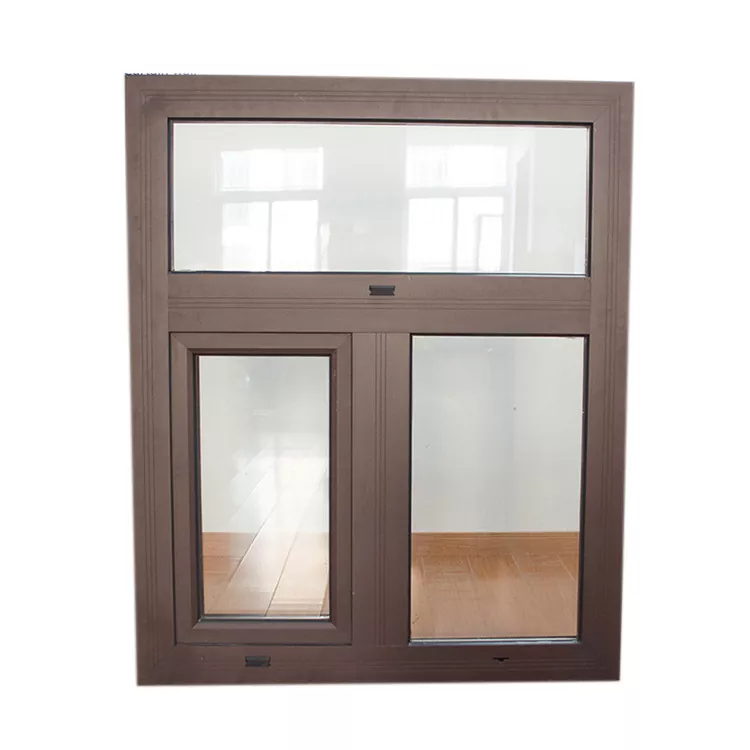
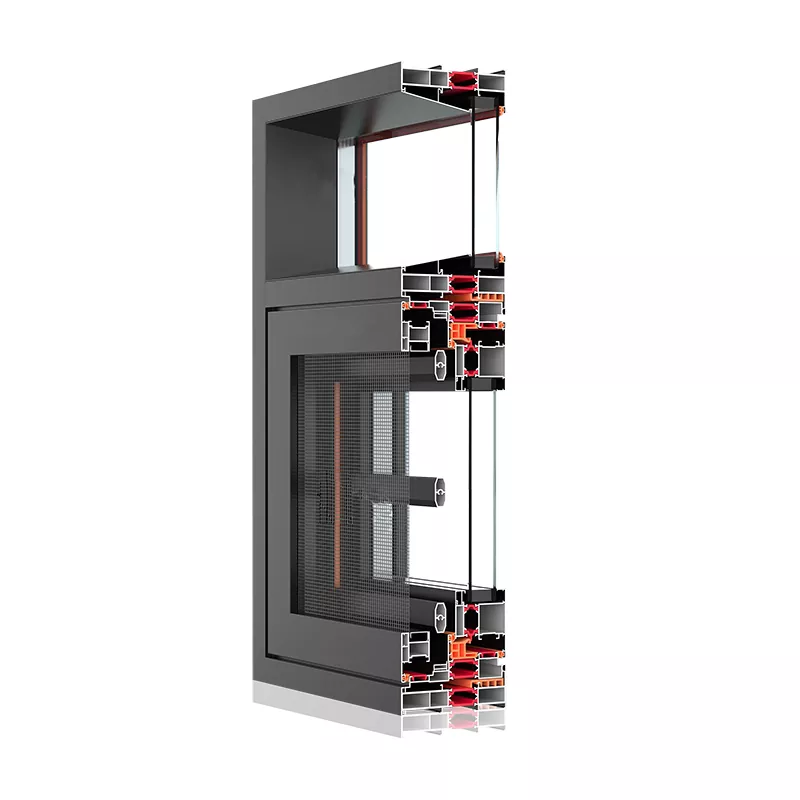
Anodized Aluminum Alloy Windows
As a reliable manufacturer and supplier, Duoping focuses on producing high-quality anodized aluminum alloy windows with advanced anodizing technology. Our windows feature strong corrosion resistance, scratch-proof surfaces and long durability, requiring little maintenance. We offer customized options and wholesale services, delivering practical, cost-effective window products for various residential and commercial procurement needs.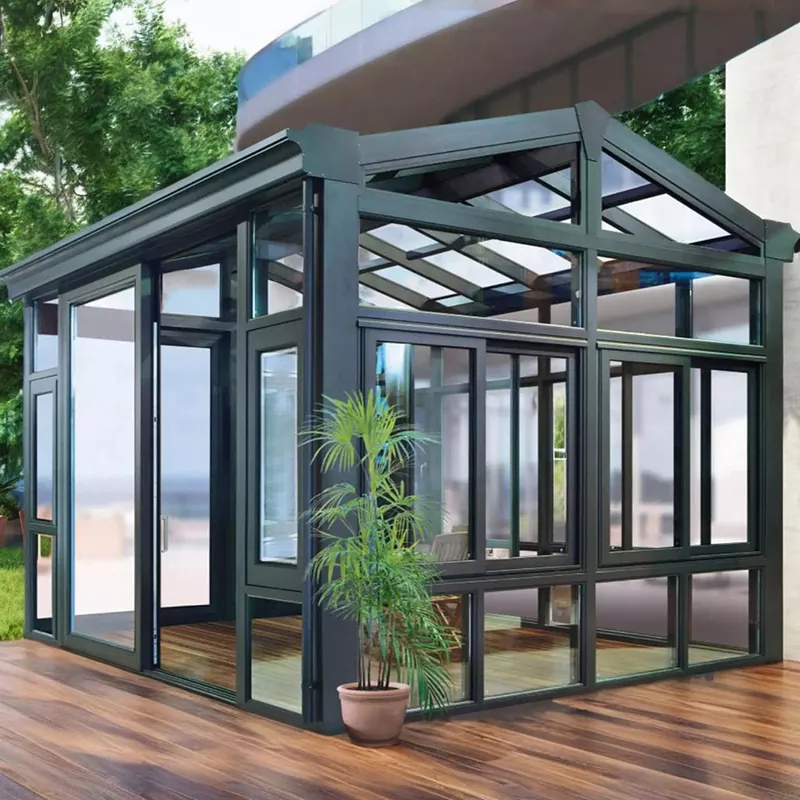
Aluminum Alloy Sunroom
Shandong Duoping New Materials Co., Ltd. is a professional R&D, production and supplier of aluminum alloy sunrooms. With years of deep cultivation in the industry, we rely on a large-scale production system and mature manufacturing technology to forge cost-effective products, which are exported to many regions in Europe and America. We sincerely look forward to working hand in hand with you to become your trustworthy long-term partner in China.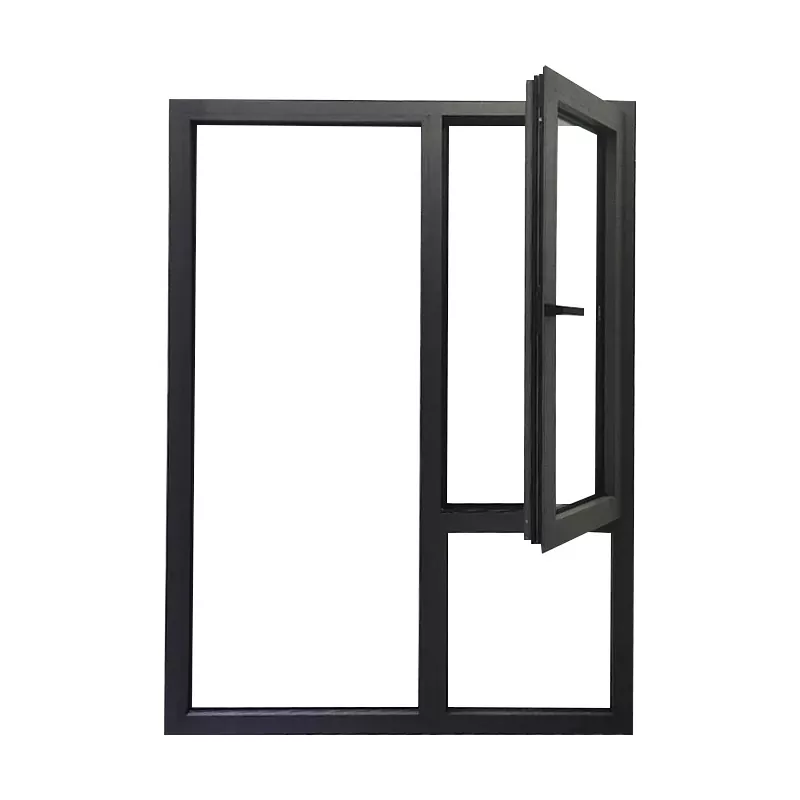
Fluorocarbon Coated Aluminum Alloy Windows
Duoping is a professional manufacturer and supplier, delivering high-quality fluorocarbon coated aluminum alloy windows with advanced three-coat two-bake technology. This product features exceptional weather resistance and long-lasting color, ideal for high-end villas and coastal projects. We support customized designs and welcome wholesale orders, providing premium window solutions for luxury construction procurement.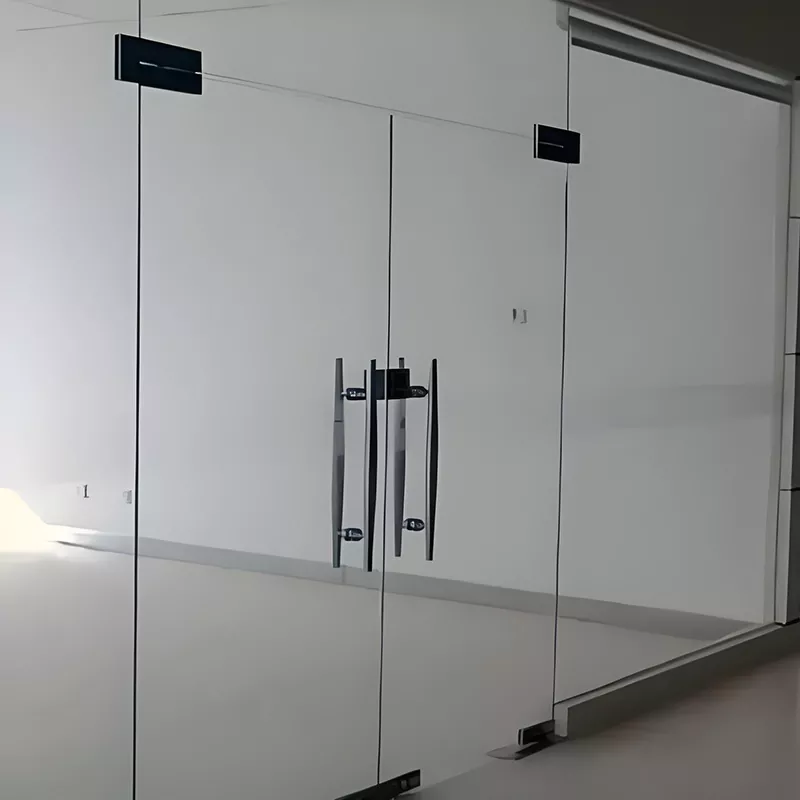
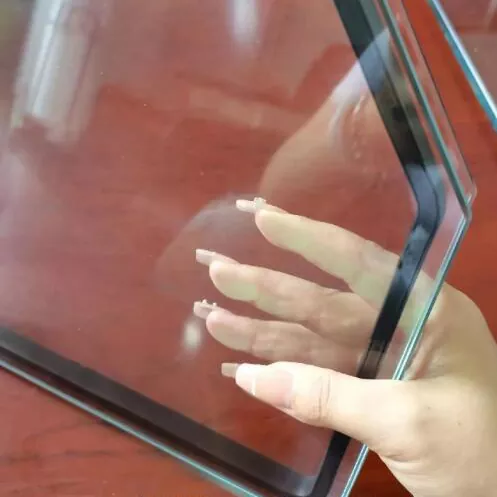
Glass Door
Duoping is a professional supplier and manufacturer of glass doors, with advanced tempered glass processing and precision frame design technologies to ensure high quality. Its glass doors are safe, sturdy and versatile, with excellent light transmission, widely used in commercial, residential and office scenarios. The company offers customized solutions, wholesale services and strict quality control, with nationwide delivery and comprehensive after-sales support.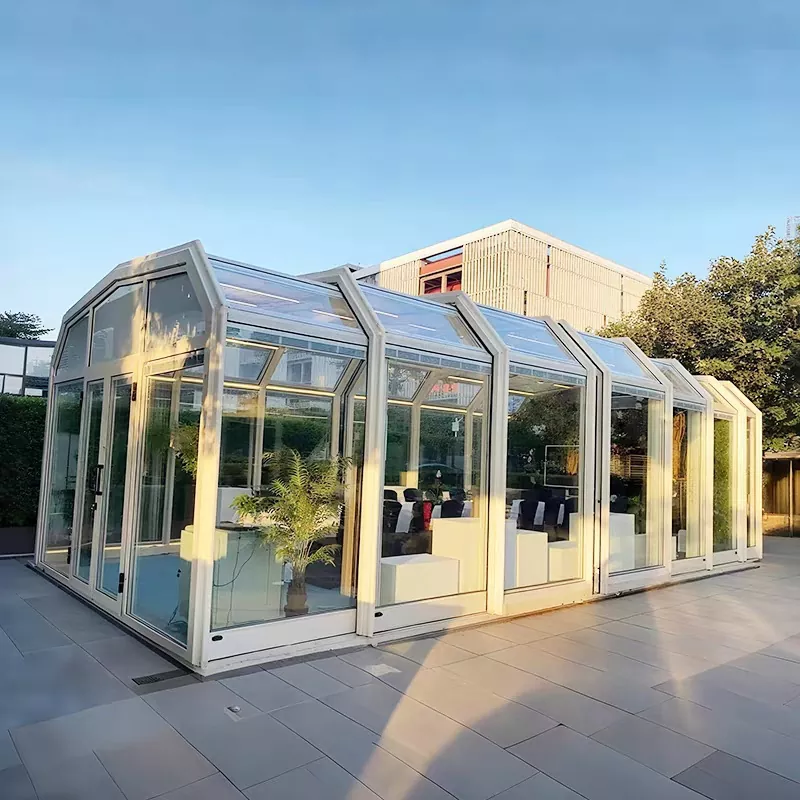
Aluminum-Wood Sunroom
Duoping is a professional manufacturer and supplier of Aluminum-Wood Sunroom, with advanced composite technology and strict quality control. It provides customized solutions featuring aluminum-wood fusion, long durability and excellent sealing, suitable for high-end residences. Wholesale orders are supported, with reliable after-sales service and a service life of over 25 years.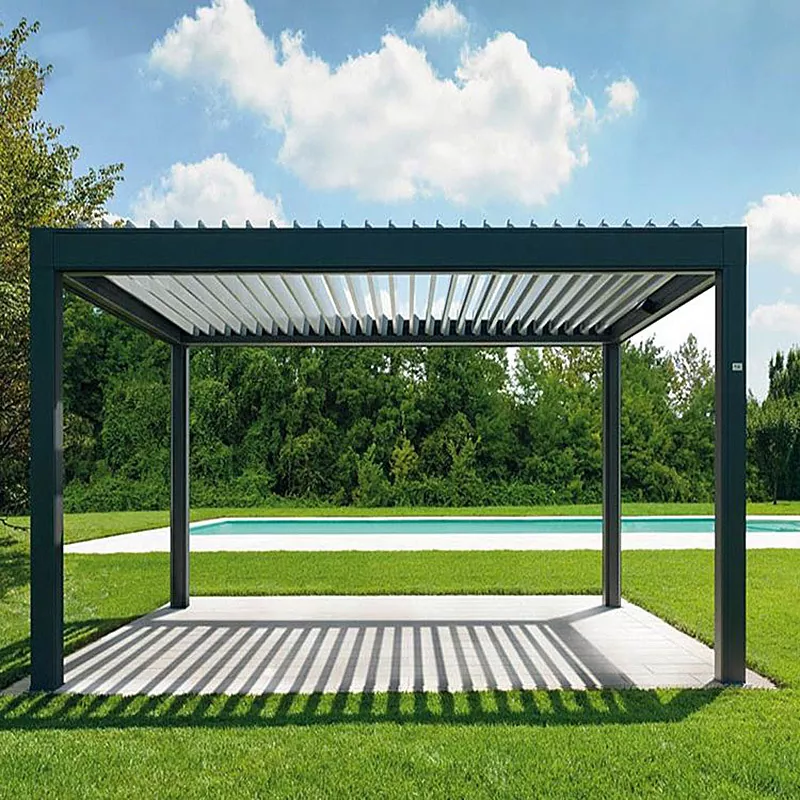
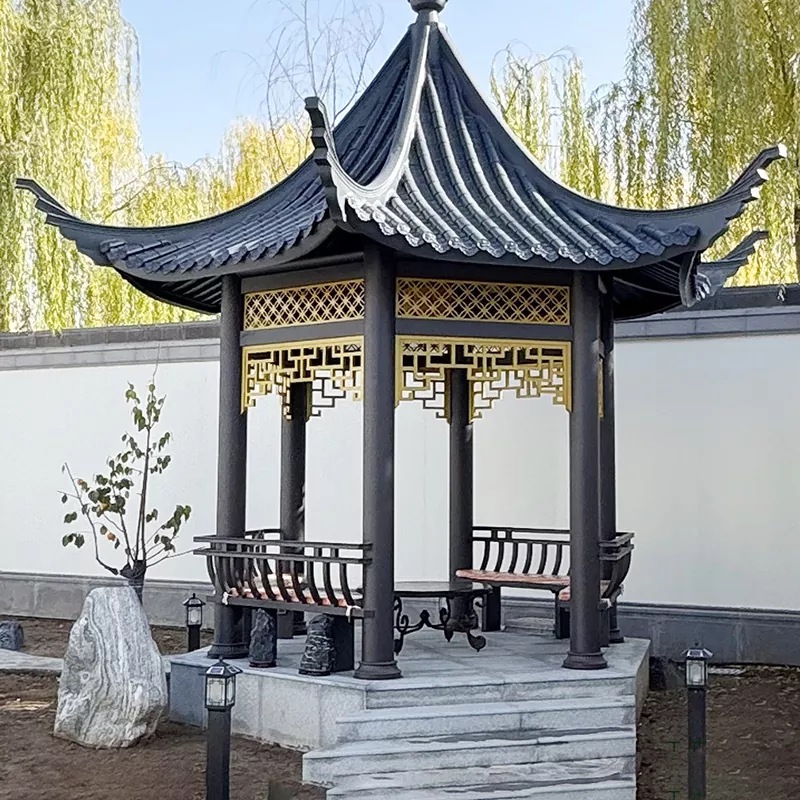
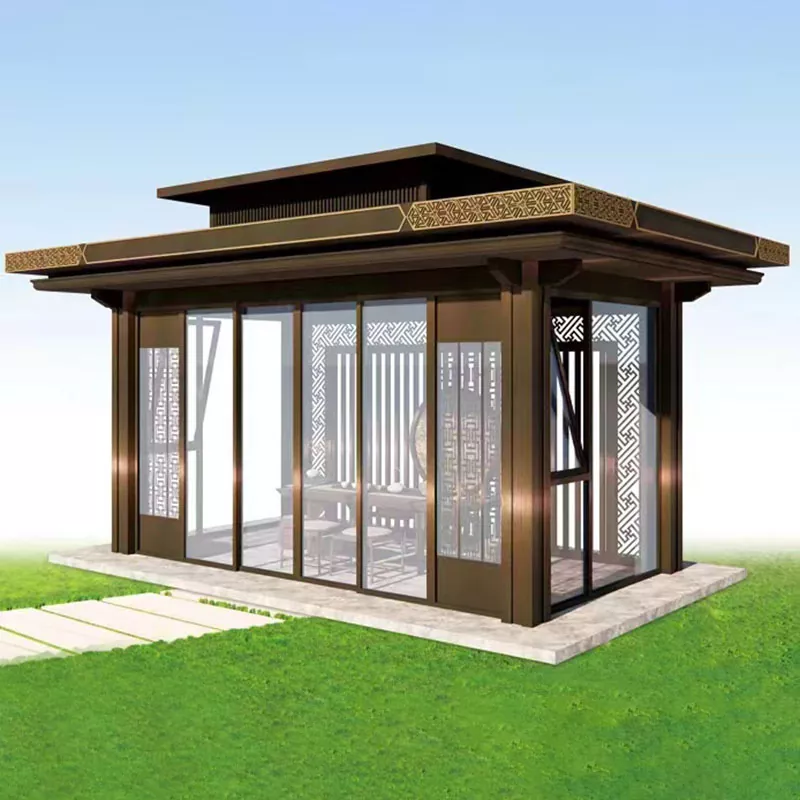
Minimalist Pavilions
Duoping is a professional supplier and manufacturer of minimalist pavilions, with advanced precision processing, seamless splicing and matte spraying technologies to ensure high quality. Made of 6063-T5 aluminum alloy, its minimalist pavilions are durable, elegant and versatile, widely used in modern outdoor scenarios. The company provides customized solutions, wholesale services and strict quality control, with nationwide delivery and comprehensive after-sales support.
- Related Blog
- Reviews

Send Inquiry
-
E-mail
X
We use cookies to offer you a better browsing experience, analyze site traffic and personalize content. By using this site, you agree to our use of cookies.
Privacy Policy
News
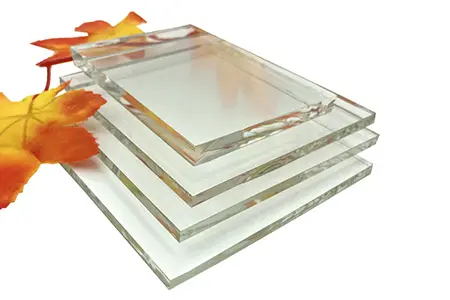 Explaining the key points and safety guidelines for installing white glass2026/01/28
During the installation process, precise operation and detailed handling are particularly crucial. For the installation of white glass in different scenarios, differentiated specifications must be followed. When installing white glass for doors and windows, the glass surface orientation must comply ......
 Know these 6 key indicators of aluminum alloy door and window materials!2026/01/28
The series number indicates the thickness of the door frame in millimeters. Aluminum alloy sliding doors are available in 70 and 90 series; the 70 series is sufficient for interior residential aluminum alloy sliding doors.