 English
 Español
  Português
  русский
  Français
  日本語
日本語  Deutsch
  tiếng Việt
  Italiano
  Nederlands
  ภาษาไทย
  Polski
  한국어
한국어  Svenska
  magyar
  Malay
Malay  বাংলা ভাষার
  Dansk
Dansk  Suomi
Suomi  हिन्दी
  Pilipino
  Türkçe
  Gaeilge
  العربية
  Indonesia
  Norsk
Norsk  تمل
تمل  český
český  ελληνικά
  український
  Javanese
  فارسی
فارسی  தமிழ்
தமிழ்  తెలుగు
  नेपाली
  Burmese
  български
  ລາວ
ລາວ  Latine
  Қазақша
  Euskal
  Azərbaycan
  Slovenský jazyk
  Македонски
  Lietuvos
  Eesti Keel
  Română
  Slovenski
  मराठी
मराठी  Srpski језик

Call Us
+86-15805363117
Email Us
dopinew@gmail.com
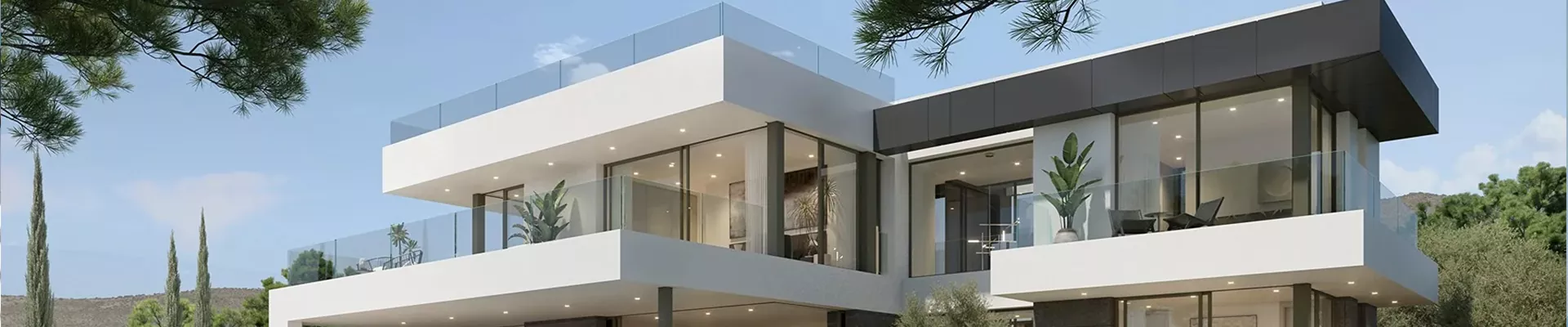
China Residential Energy-saving Windows Manufacturer, Supplier, Factory
When it comes to upgrading your home for better energy performance, our selection of Energy Efficient Windows for Home Use offers a proven solution. By incorporating Low-E Coated Energy Saving Windows, you benefit from a microscopic coating that reflects up to 90% of infrared heat while allowing ample daylight. We also cater to larger projects with robust Commercial Energy Efficient Windows that adhere to the same strict standards, and every installation supports criteria for Green Building Standard Energy-saving Windows, ensuring compliance with eco-friendly building codes. The technology relies on multiple panes of glass separated by insulated spacers, filled with inert gases like argon or krypton to reduce thermal conductivity. Homeowners notice a sharp decrease in cold drafts during winter and solar heat ingress in summer, creating a consistent indoor temperature year-round. Beyond energy savings, these windows excel in soundproofing, minimizing external noise pollution from traffic or neighbors. The framing materials—vinyl, aluminum-clad wood, or fiberglass—are chosen for durability and low maintenance, resisting warping, rotting, and fading over decades. Advanced locking mechanisms and reinforced meeting rails enhance security. With customizable grid patterns, hardware finishes, and exterior colors, they blend seamlessly with any architectural style, from traditional colonial to contemporary designs. Installation by factory-trained professionals follows a rigorous process, using expanding foam sealants and integrated sill pans to prevent water intrusion. This approach results in a window system that reduces heat transfer by up to 50% compared to single-pane units, translating directly into lower utility costs. In colder regions, warm-edge spacer technology averts condensation buildup on the glass, preserving clear views and preventing mold growth on frames.
The Residential Energy-saving Windows product line delivers measurable benefits through precise engineering. Detailed below are the technical parameters that define its efficiency, presented in a clear list and table for your reference.
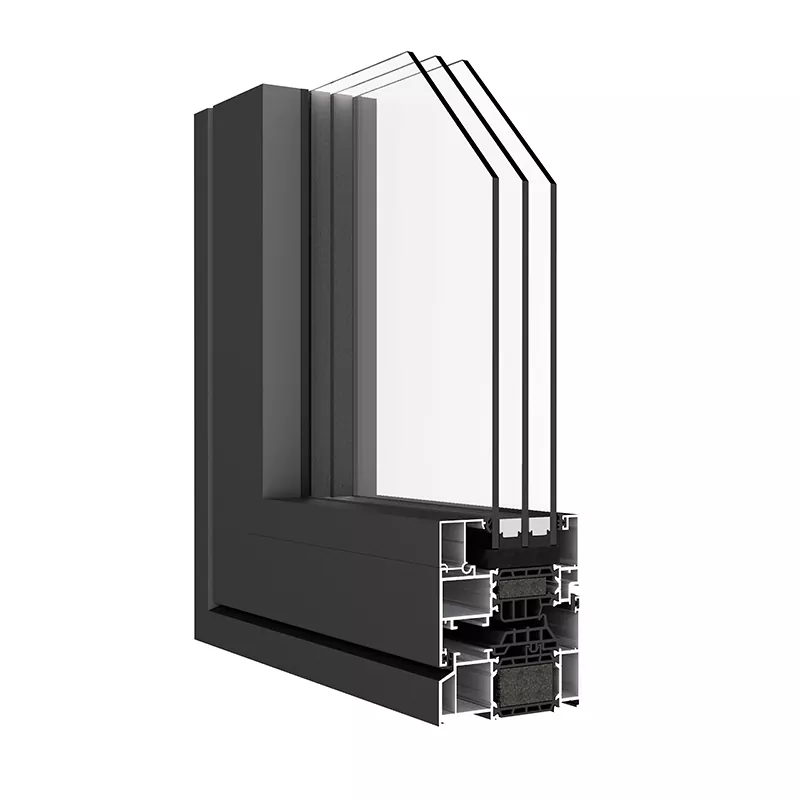
- Frame conductor value: 0.9 Btu/hr·ft²·°F for fiberglass and 1.2 for vinyl, minimizing energy loss through edges.
- Glazing system: Available in double or triple panes, with tempered or laminated safety glass options.
- Gas fill retention: Argon or krypton mixtures sealed to maintain 95% concentration after 20 years per ASTM E2190 testing.
- Low-E coating type: Single, double, or triple silver layers tuned for climate zones; solar control Low-E reflects 70% of solar energy in warm areas.
- Condensation index: Exceeds 60 on the AAMA scale, indicating superior resistance to moisture formation.
- Air infiltration rate: Certified at 0.08 cfm/ft² during 25 mph wind tests, far below industry norms.
- Solar heat gain coefficient: Ranges from 0.20 to 0.60, allowing customization for passive solar heating or maximum shading.
| Parameter | Standard Tier | Ultra-Performance Tier |
|---|---|---|
| U-factor | 0.25 | 0.16 |
| SHGC | 0.42 | 0.20 |
| Visible Transmittance | 0.48 | 0.58 |
| Air Leakage (cfm/ft²) | 0.10 | 0.04 |
| Condensation Resistance | 55 | 65 |
| STC Rating | 30 | 36 |
| Warranty on Glass | 20 years | Lifetime |
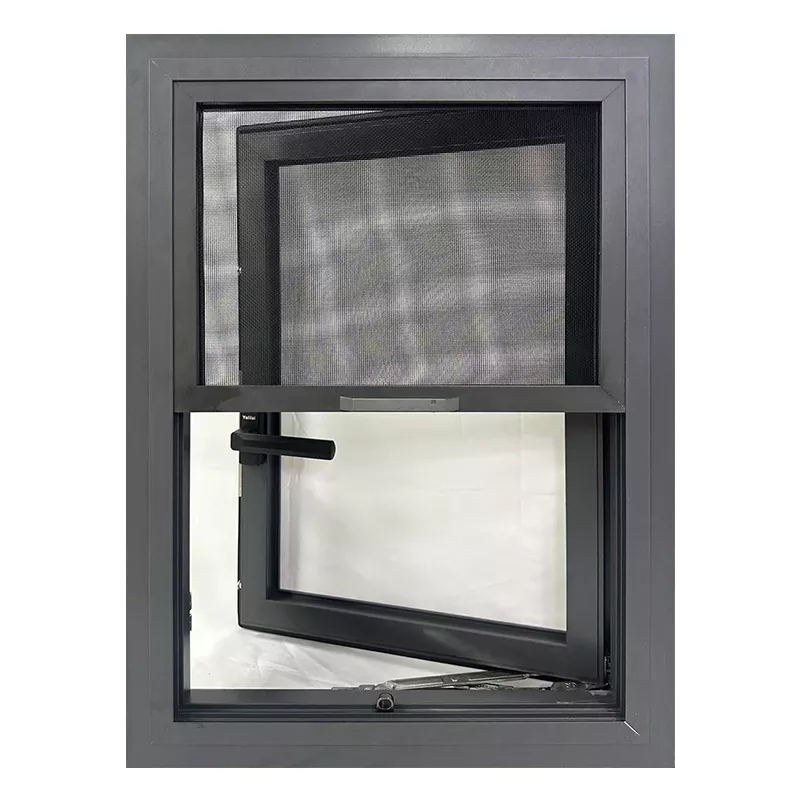
Beyond the numbers, Residential Energy-saving Windows incorporate features like edge-deletion zones on low-E coatings to improve sealant adhesion, preventing premature fogging. The interlocking sash design with double weatherstripping stops dust and pollen infiltration, beneficial for allergy sufferers. Frame design uses multi-chambered profiles that trap air for added insulation, similar to thermal bridging prevention. Installation employs a unique anchoring method with grade-5 screws into the building structure, tested to withstand winds up to 150 mph. Glass units are fabricated in a dust-free cleanroom to eliminate internal debris and moisture. Each window undergoes final inspection under UV light to detect microscopic flaws. Available casement, awning, bay, and bow configurations accommodate replacement projects or new construction. With NFRC and Energy Star labels affixed, these windows often qualify for local utility rebates, accelerating your return on investment. The low-maintenance finish resists UV radiation, maintaining color integrity without painting. By choosing Residential Energy-saving Windows, you’re opting for a system that balances thermal control, acoustics, and long-term resilience, backed by a dedicated support team for any post-installation queries.
Related Products
Hot Products
Super Energy-saving Glass
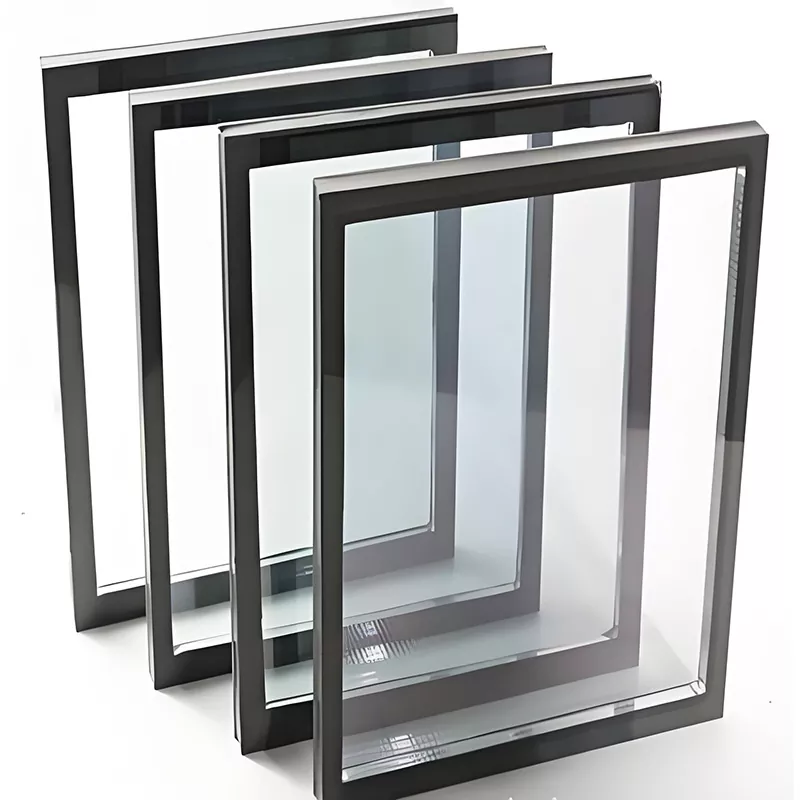
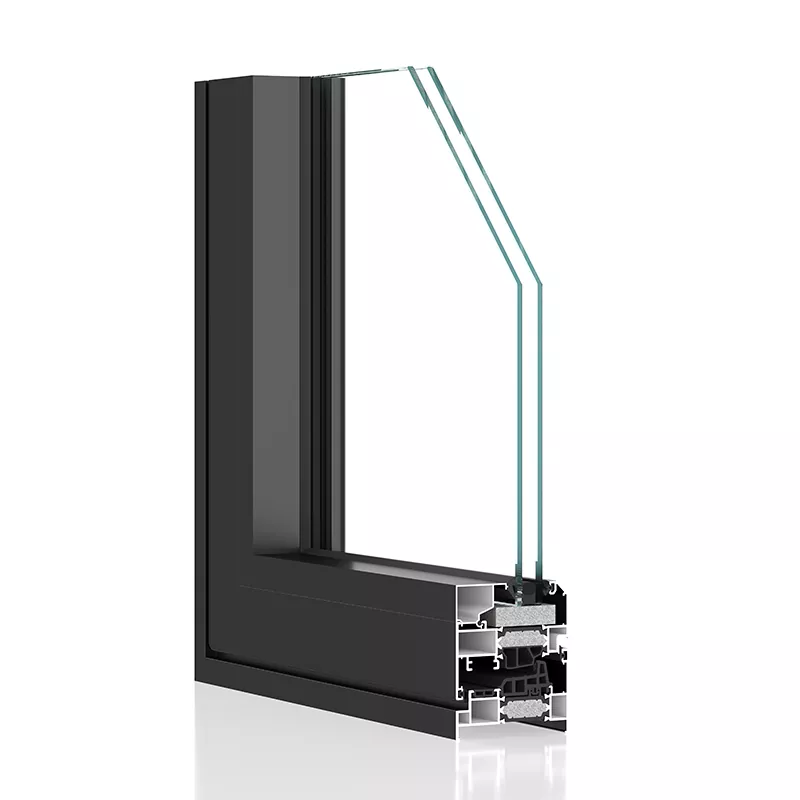
Duoping is a reliable manufacture and supplier of Dopin super energy-saving glass, boasting advanced multi-cavity design and strict quality control. It integrates Low-e coating and argon filling for excellent thermal insulation and soundproofing. We offer customized solutions and support wholesale orders, fitting high-energy-saving building procurement needs.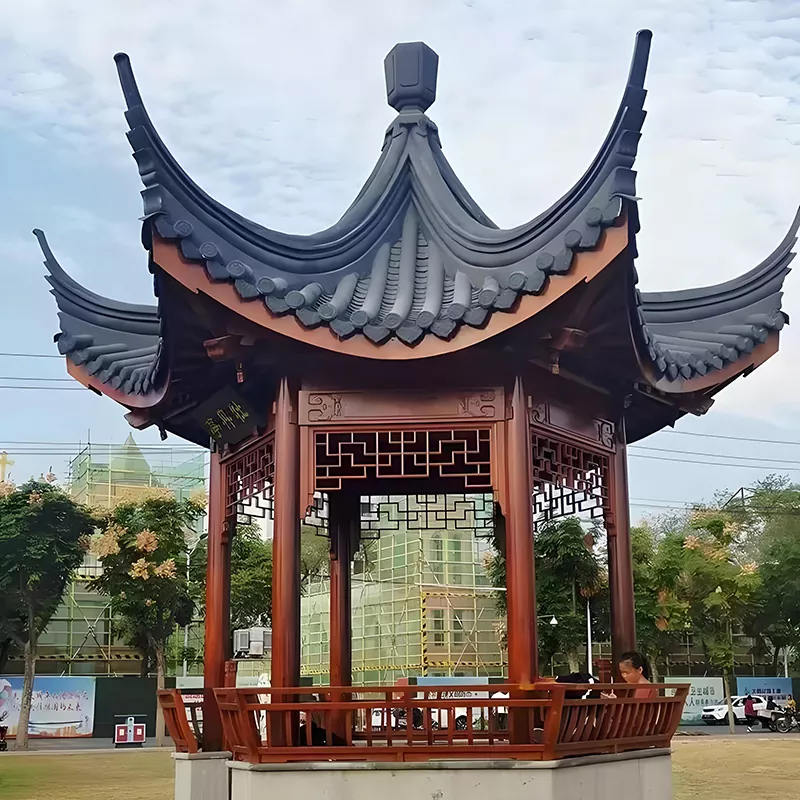
Huizhou-style Pavilions
Duoping is a professional supplier and manufacturer of Huizhou-style pavilions, relying on traditional mortise-and-tenon craftsmanship and hand-carving technologies to ensure high quality. Its products integrate Huizhou architectural charm, durability and cultural texture, widely used in ancient scenic spots and Chinese-style scenarios. The company provides customized solutions, wholesale services and strict quality control, with nationwide delivery and comprehensive after-sales support.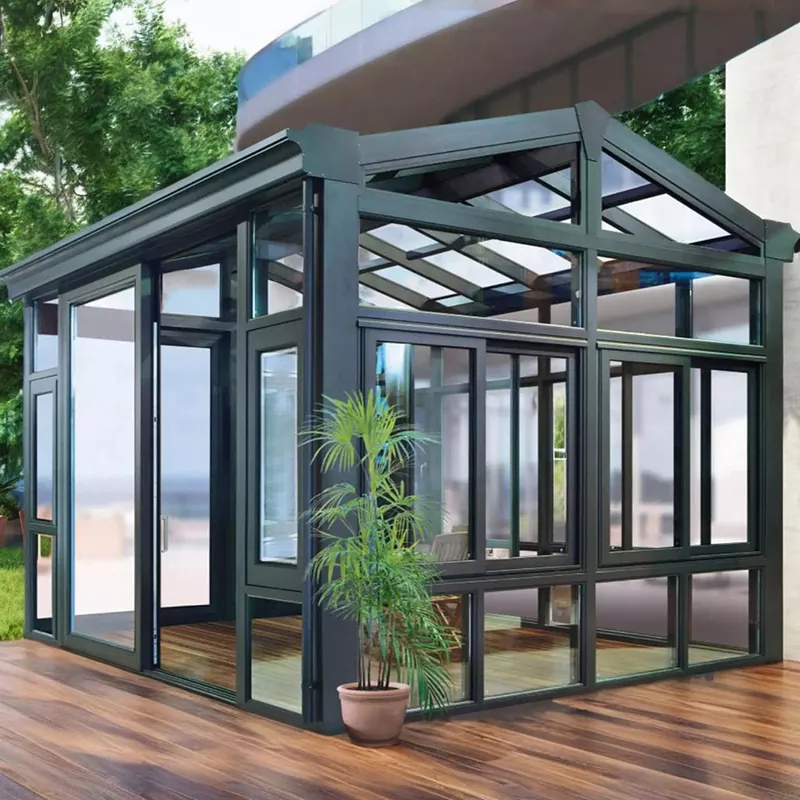
Aluminum Alloy Sunroom
Shandong Duoping New Materials Co., Ltd. is a professional R&D, production and supplier of aluminum alloy sunrooms. With years of deep cultivation in the industry, we rely on a large-scale production system and mature manufacturing technology to forge cost-effective products, which are exported to many regions in Europe and America. We sincerely look forward to working hand in hand with you to become your trustworthy long-term partner in China.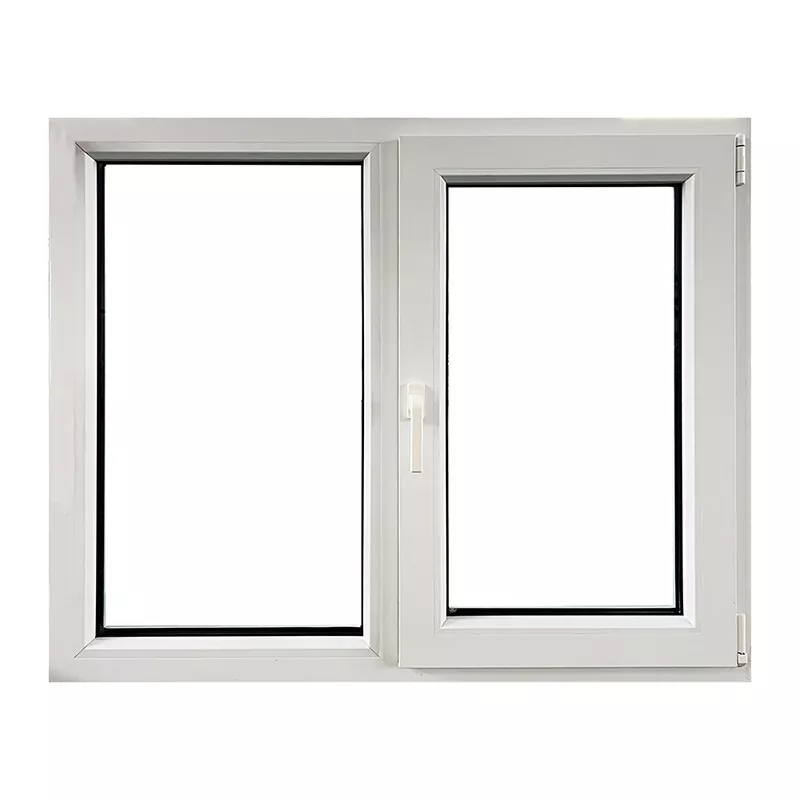
PVC-steel Composite Windows
Shandong Duoping New Materials Co., Ltd. specializes in the research, development, production, and supply of high-end PVC-steel composite windows. With years of experience in the door and window industry, the company combines the thermal insulation and environmental benefits of PVC with the robust structural properties of steel, offering windows that balance performance and cost-effectiveness. These windows are widely used in residential, villa annexes, office spaces, and other environments, gaining market recognition for their balanced performance and value. We sincerely look forward to partnering with you to provide window solutions that combine both performance and cost-efficiency.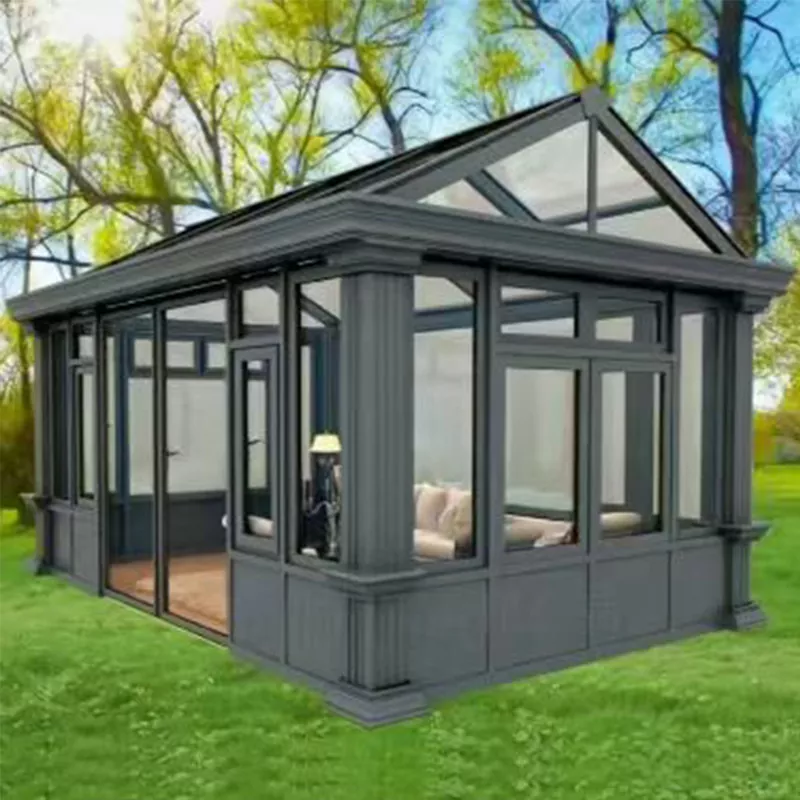
System Sunroom
Duoping stands out as a professional manufacturer and supplier of System Sunroom, with advanced integrated design and strict quality control. It provides customized modular solutions featuring high component compatibility, fast installation and excellent wind resistance, suitable for high-end residential outdoor spaces. Wholesale orders are supported, with reliable after-sales service and a service life of over 30 years.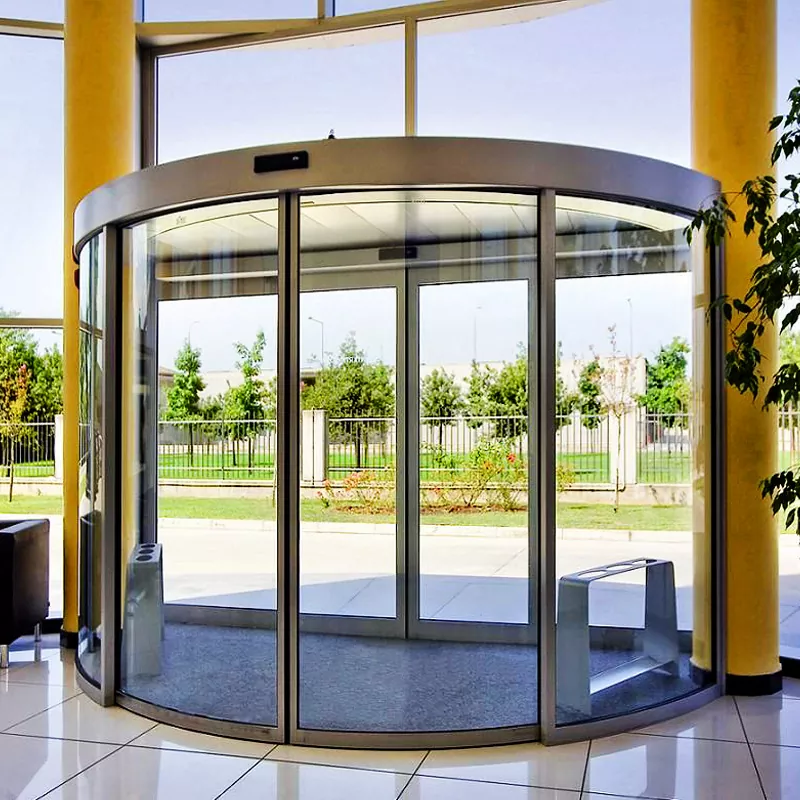
Automatic Sensor Door
Duoping is a professional manufacturer and supplier of high-end automatic sensor doors, equipped with advanced infrared sensing and automatic control technologies to ensure superior quality. Its products are intelligent, safe and durable, with rapid response and good sealing, widely applied in public scenarios like malls, hospitals and office buildings. The company provides customized solutions, wholesale services and strict quality control, along with nationwide delivery and comprehensive after-sales support.
- Related Blog
- Reviews

Send Inquiry
-
E-mail
X
We use cookies to offer you a better browsing experience, analyze site traffic and personalize content. By using this site, you agree to our use of cookies.
Privacy Policy
News
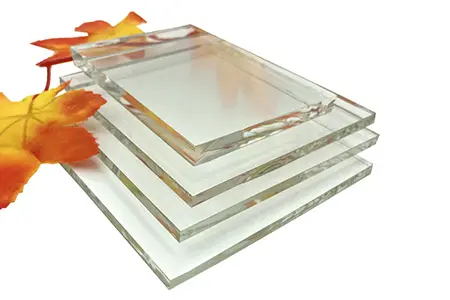 Explaining the key points and safety guidelines for installing white glass2026/01/28
During the installation process, precise operation and detailed handling are particularly crucial. For the installation of white glass in different scenarios, differentiated specifications must be followed. When installing white glass for doors and windows, the glass surface orientation must comply ......
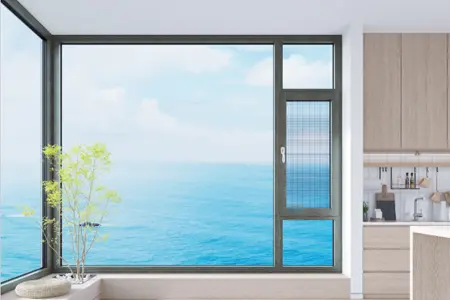 Know these 6 key indicators of aluminum alloy door and window materials!2026/01/28
The series number indicates the thickness of the door frame in millimeters. Aluminum alloy sliding doors are available in 70 and 90 series; the 70 series is sufficient for interior residential aluminum alloy sliding doors.