 English
 Español
  Português
  русский
  Français
  日本語
日本語  Deutsch
  tiếng Việt
  Italiano
  Nederlands
  ภาษาไทย
  Polski
  한국어
한국어  Svenska
  magyar
  Malay
Malay  বাংলা ভাষার
  Dansk
Dansk  Suomi
Suomi  हिन्दी
  Pilipino
  Türkçe
  Gaeilge
  العربية
  Indonesia
  Norsk
Norsk  تمل
تمل  český
český  ελληνικά
  український
  Javanese
  فارسی
فارسی  தமிழ்
தமிழ்  తెలుగు
  नेपाली
  Burmese
  български
  ລາວ
ລາວ  Latine
  Қазақша
  Euskal
  Azərbaycan
  Slovenský jazyk
  Македонски
  Lietuvos
  Eesti Keel
  Română
  Slovenski
  मराठी
मराठी  Srpski језик

Call Us
+86-15805363117
Email Us
dopinew@gmail.com
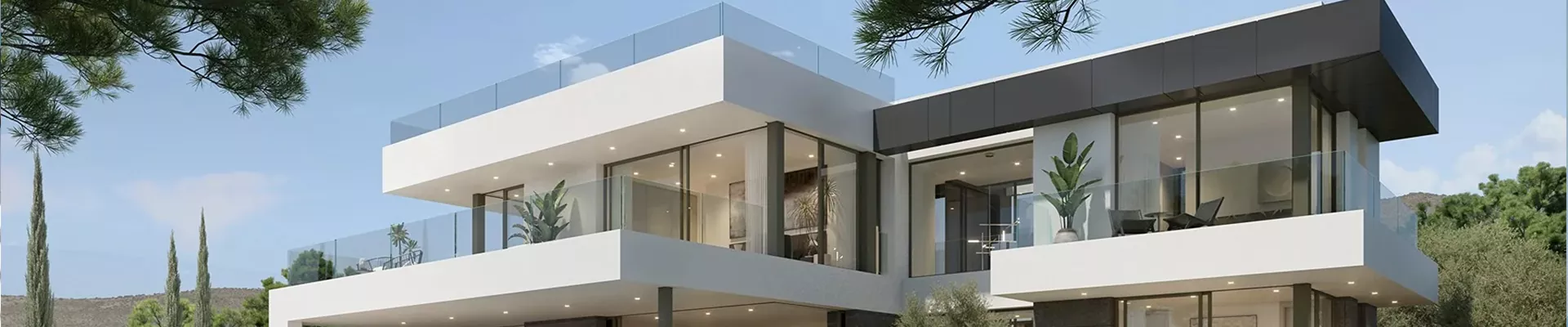
Commercial Energy Efficient Windows
Commercial energy efficiency begins with the building envelope, and windows play a decisive role in thermal performance, daylight integration, and long-term operational savings. For facility managers, architects, and property developers, choosing the right glazing solution directly impacts HVAC loads, occupant comfort, and compliance with energy codes. Our comprehensive portfolio addresses diverse project scales, from retail storefronts to multi-story office towers. We also support residential applications with specialized options such as Energy Efficient Windows for Home Use, which bring the same advanced engineering to the residential market. Building on this expertise, our Low-E Coated Energy Saving Windows incorporate microscopically thin metallic layers that reflect infrared heat while transmitting visible light, a technology originally refined in demanding commercial environments. For projects aiming at whole-building performance, we offer Residential Energy-saving Windows that mirror the thermal insulation properties of our commercial line, ensuring consistent quality across property types. Furthermore, architects pursuing certification will find our Green Building Standard Energy-saving Windows align with LEED, BREEAM, and other rigorous frameworks, demonstrating that code-compliant design need not sacrifice aesthetics or durability.
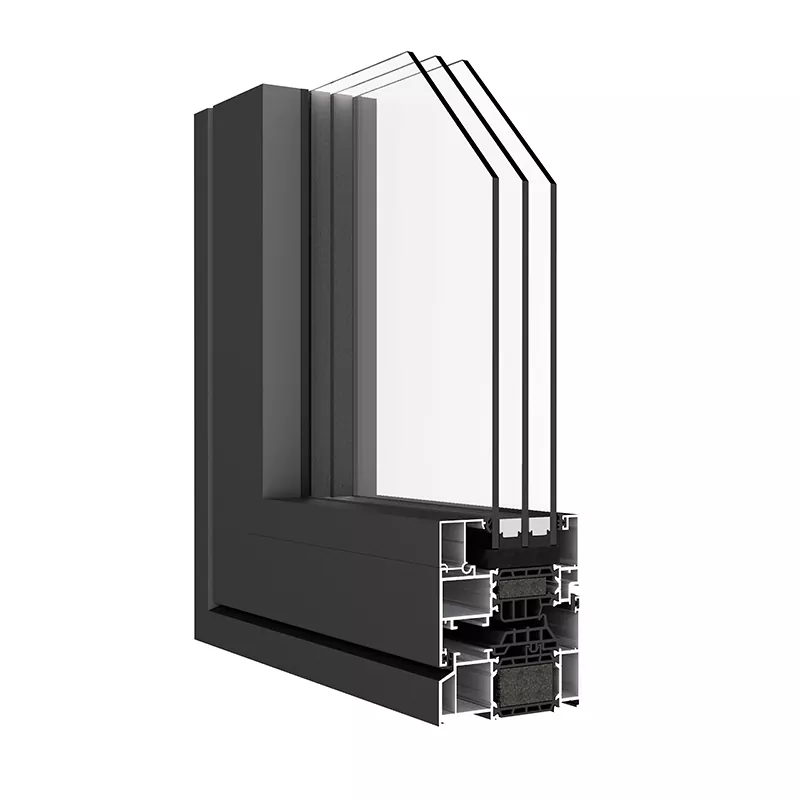
The <产品名字> commercial series redefines thermal efficiency through an integrated design philosophy that pairs multi-chambered thermally broken frames with triple-pane argon-filled insulated glass units. Engineered for high-traffic entrances, curtain walls, and punched openings, <产品名字> delivers consistent U-factors as low as 0.18 BTU/hr·ft²·°F, drastically reducing heat transfer in both heating- and cooling-dominated climates. The system employs warm-edge spacer technology and dual-seal construction to eliminate cold spots at the glass edge, a common weakness in conventional commercial fenestration. Additionally, the proprietary low-emissivity coating stack achieves a solar heat gain coefficient (SHGC) as low as 0.25 while maintaining 50% visible light transmittance, harnessing daylight without the associated cooling penalty. Acoustic performance is equally robust, with sound transmission class (STC) ratings up to 42, making <产品名字> suitable for urban infill projects and noise-sensitive interiors. From aluminum-clad wood hybrids to all-aluminum configurations with polyamide thermal struts, the product family adapts to architectural intent while meeting stringent air infiltration limits of ≤0.1 cfm/ft² at 1.57 psf.
Technical Specifications
Key parameters of the <产品名字> lineup are summarized below. All values are based on NFRC-rated standard sizes and represent the center-of-glass region unless otherwise noted.
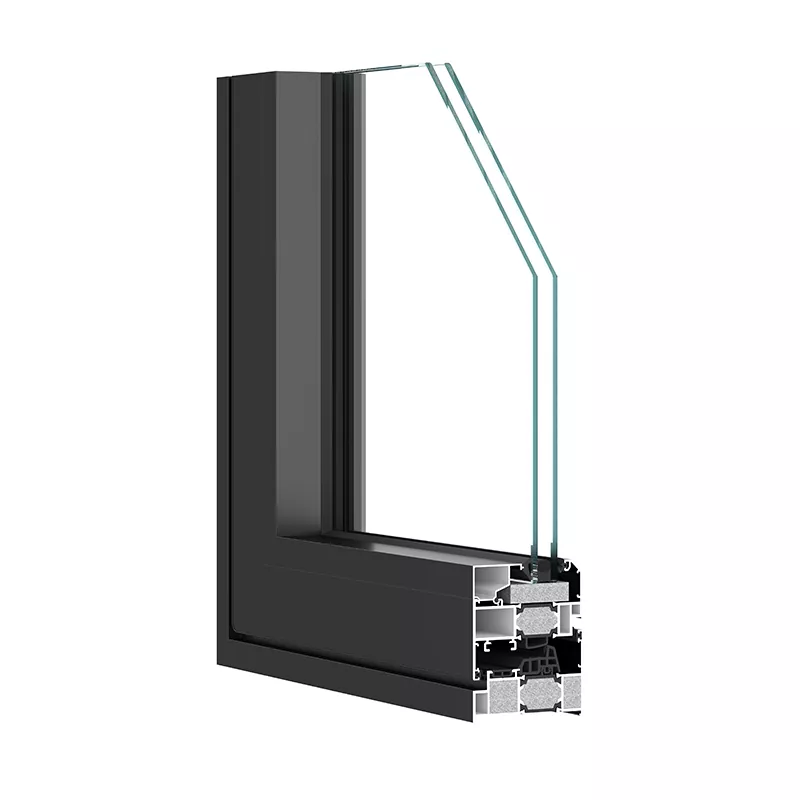
- Glazing options: Double pane (1-3/8″ overall), triple pane (1-3/4″ overall) with heat-strengthened or tempered glass
- Low-E coating type: Triple silver, sputter-coated on surface #2 and #4 (double) or #2, #4, #6 (triple)
- Gas fill: 90% argon / 10% air, or optional krypton blend for enhanced performance
- Frame thermal break: 34 mm polyamide strips reinforced with 25% glass fiber, continuous pour-and-debridge where applicable
- Operating styles: Fixed, projected (awning/hopper), casement, and parallel opening for natural ventilation
- Hardware: Multi-point locking with corrosion-resistant stainless steel components, tested to 25,000 cycles
- Finish: Architectural-grade fluoropolymer coatings, AAMA 2605 compliant, available in standard and custom colors
- Drainage: Pressure-equalized rainscreen system with concealed weeps
| Model | U-Factor (Btu/hr·ft²·°F) | SHGC | VT (%) | Air Leakage (cfm/ft²) | STC |
|---|---|---|---|---|---|
| <产品名字> 500T (Triple) | 0.18 | 0.25 | 50 | ≤0.1 | 42 |
| <产品名字> 400D (Double) | 0.28 | 0.27 | 56 | ≤0.1 | 37 |
| <产品名字> 400T-S (Triple, Solar Control) | 0.20 | 0.19 | 48 | ≤0.1 | 40 |
| <产品名字> 300A (Fixed, Architectural) | 0.22 | 0.34 | 62 | ≤0.05 | 35 |
Installation is supported by a nationwide network of certified contractors, and every unit is backed by a 20-year limited warranty covering glass seal failure, frame integrity, and finish durability. Energy modeling assistance and detailed BIM objects are available to streamline specification and compliance verification.
Related Products
Hot Products
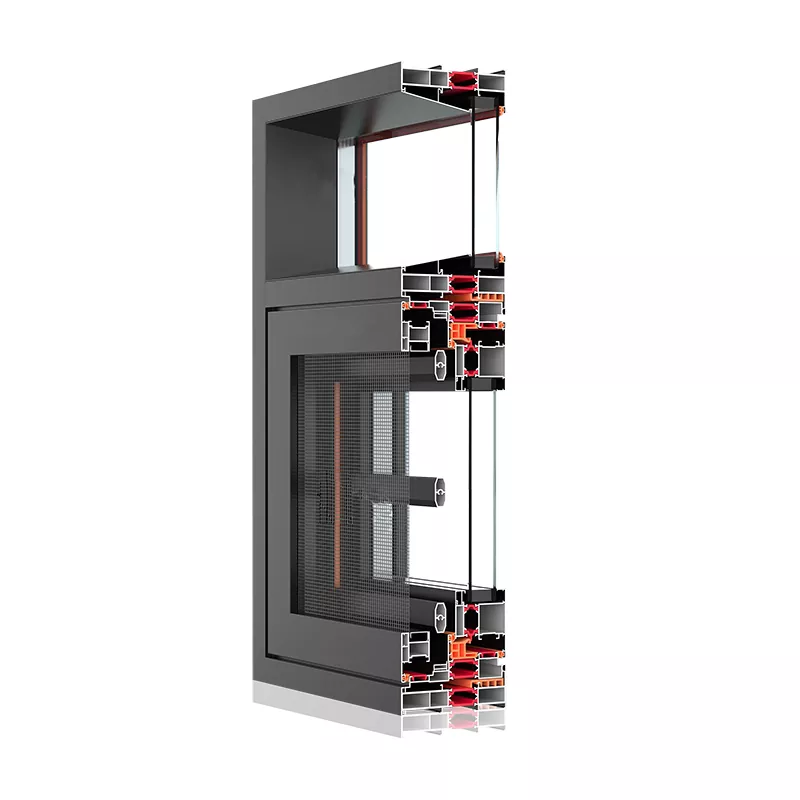
Insulated Super Energy-saving Glass
Duoping stands as a professional manufacturer and supplier, delivering high-quality Dopin insulated super energy-saving glass with advanced multi-cavity and dual-seal technologies. This product excels in thermal insulation and soundproofing, ideal for passive and ultra-low energy buildings. We offer customized designs and welcome wholesale orders, providing reliable glass solutions for high-standard construction projects worldwide.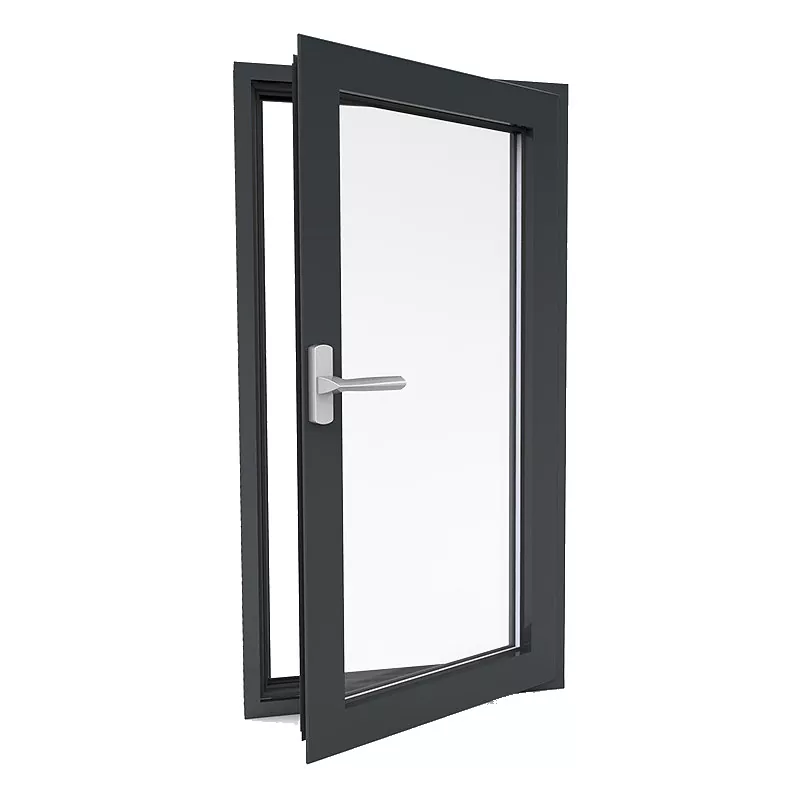
Aluminum Windows
Duoping is a professional manufacturer and supplier of aluminum windows, with advanced aluminum alloy processing and strict quality control. This product features sturdy frames, long service life and easy maintenance, suitable for home and commercial use. We support customized sizes and colors, welcome wholesale orders, and provide cost-effective window solutions for various construction projects.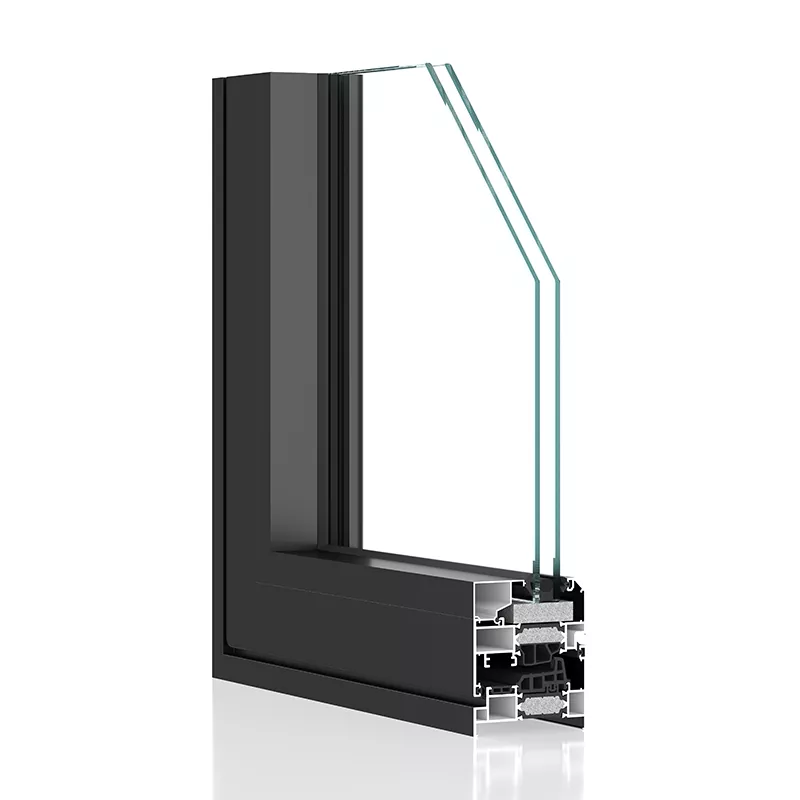
Soundproof Windows
Duoping is a professional manufacturer and supplier of soundproof windows, featuring advanced composite soundproof glass and multi-layer sealing technology. This product delivers ≥40dB sound insulation, ideal for noise-sensitive environments like streetside homes and laboratories. We support customized glass and frame designs, welcome wholesale orders, and provide reliable noise-reduction solutions for global construction projects.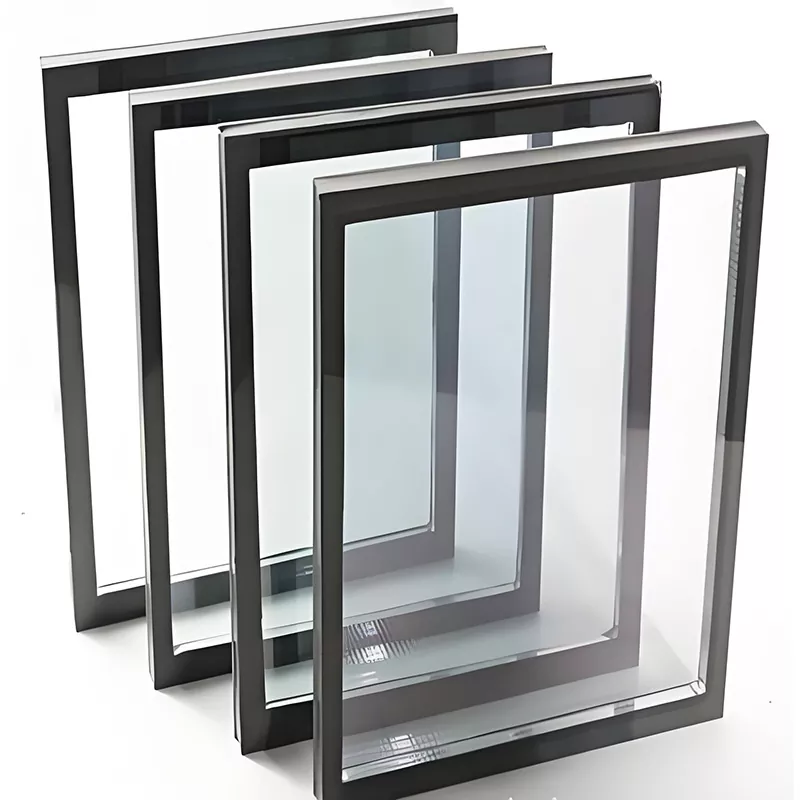
Low-E Glass
Duoping is a professional R&D, production and supplier of Low-E (low-emissivity) glass. Relying on core processes of vacuum sputtering and chemical vapor deposition, we develop Low-E glass products featuring dual-directional energy saving, low emissivity, thermal insulation and optical transparency. As a core material in the field of building energy efficiency, our products are widely used in high-end residences, office buildings, hotels, buildings in severe cold/hot regions and other scenarios. With excellent energy-saving effects and durability, our products cover the national market. We sincerely look forward to working with you to provide efficient and low-carbon energy-saving glass solutions for various building projects.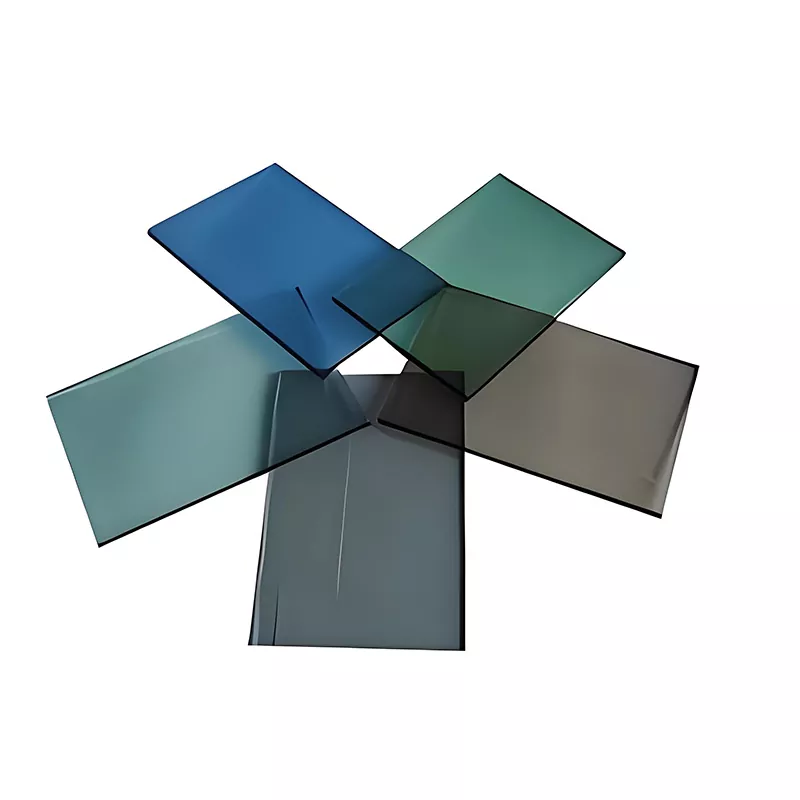
Coated Glass
Duoping, a professional manufacturer and supplier, guarantees high quality of its coated glass with strict production control. It adopts advanced processes like vacuum sputtering and chemical deposition, plus secondary tempering to enhance performance. We offer customized services and strict quality checks, ensuring it resists harsh environments for long-term use.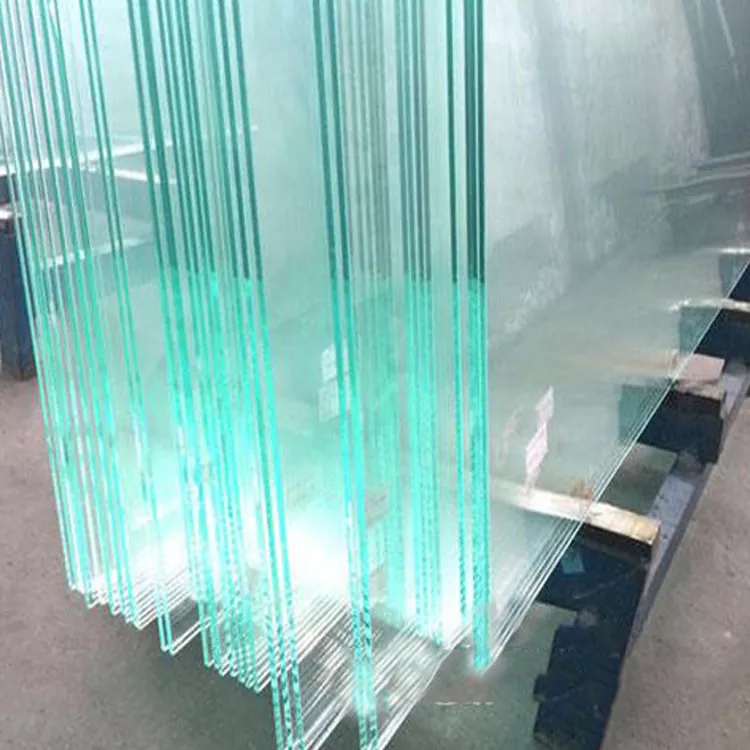
Ultra-clear Glass
Duoping stands as a professional manufacturer and supplier of ultra-clear glass, equipped with advanced low-iron control and high-precision processing technologies. This high-quality product features 91.5%-93% light transmittance and no greenish tint, perfect for high-end construction projects like villas and star-rated hotels. We provide customized sizes and processes, with strict quality checks ensuring stable performance. Wholesale orders are supported, delivering premium glass solutions for global high-end building procurement.
- Related Blog
- Reviews

Send Inquiry
-
E-mail
X
We use cookies to offer you a better browsing experience, analyze site traffic and personalize content. By using this site, you agree to our use of cookies.
Privacy Policy
News
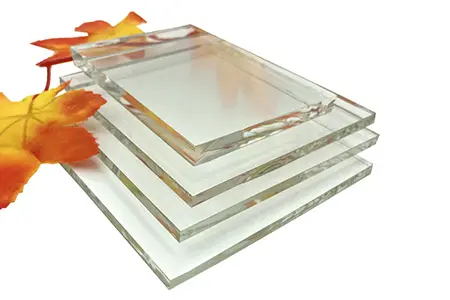 Explaining the key points and safety guidelines for installing white glass2026/01/28
During the installation process, precise operation and detailed handling are particularly crucial. For the installation of white glass in different scenarios, differentiated specifications must be followed. When installing white glass for doors and windows, the glass surface orientation must comply ......
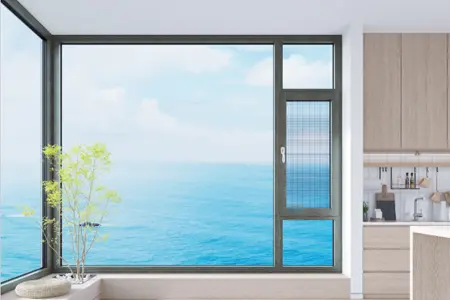 Know these 6 key indicators of aluminum alloy door and window materials!2026/01/28
The series number indicates the thickness of the door frame in millimeters. Aluminum alloy sliding doors are available in 70 and 90 series; the 70 series is sufficient for interior residential aluminum alloy sliding doors.